What You Need to Know About Wire Connector Types and Their Uses
Wire connectors play a key role in electrical safety. You use different types of wire connectors to join wires safely, which prevents dangerous contact and reduces fire risks. Poor connections can cause high resistance and heat, leading to insulation damage and even ignition. You must know wire connector types and their applications to avoid these problems. Identifying the right types helps you make safe choices for both diy and professional projects. Choosing proper connectors protects you, your home, and your work. When you understand wire connector types, you improve safety and prevent common electrical hazards.
Key Takeaways
- Different wire connectors serve specific purposes and environments, so choosing the right type improves safety and reliability.
- Twist-on connectors are common for home wiring, easy to use, and reusable, while push-in connectors speed up installation but suit low-load circuits best.
- Crimp and solder connectors create strong, permanent bonds ideal for automotive, marine, and industrial uses, but need proper tools and skills.
- Consider wire size, current load, and installation environment when selecting connectors to prevent overheating and electrical faults.
- Reusable connectors like lever nuts offer flexibility for repairs, while waterproof and high-IP-rated connectors protect outdoor and harsh environment wiring.
Types of Wire Connectors
Understanding the types of wire connectors helps you make safe and reliable electrical connections. Each type has unique features, uses, and benefits. You will find that some connectors work best for home wiring, while others are better for cars, industry, or special environments. Let’s explore the most common types of wire connectors and how you can use them.
Twist-On Wire Connectors
Twist-on wire connectors, often called wire nuts, are the most familiar type for many people. You use them by twisting the connector onto the ends of stripped wires. The internal spring grabs the wires and holds them together. This method creates a secure connection that resists loosening.
Here is a table showing popular twist-on wire connectors and their features:
| Connector Type | Shell Material | Voltage Rating | Wire Gauge Range | Common Applications |
|---|---|---|---|---|
| Twister® | Polypropylene/polymer | Up to 600V; up to 1000V for signs and fixtures | #22 AWG - #6 AWG | Residential and commercial electrical connections (light switches, receptacles, ceiling fans, HVAC, lighting fixtures) |
| Can-Twist™ | Polymer | Up to 600V | #22 AWG - #8 AWG | Residential and commercial (Canada only) |
| WingTwist™ | Polymer | Up to 600V; up to 1000V for signs and fixtures | #22 AWG - #6 AWG | Residential and commercial |
| WireTwist® | Polymer | Up to 300V (some models); up to 600V; up to 1000V for signs and fixtures | #22 AWG - #8 AWG | Residential and commercial |
| B-TWIST™ | Polymer | Up to 600V | #18 AWG - #8 AWG | Residential and commercial |
| Wing-Nut® | Polymer | Up to 600V; up to 1000V for signs and fixtures | #18 AWG - #6 AWG | Residential and commercial |
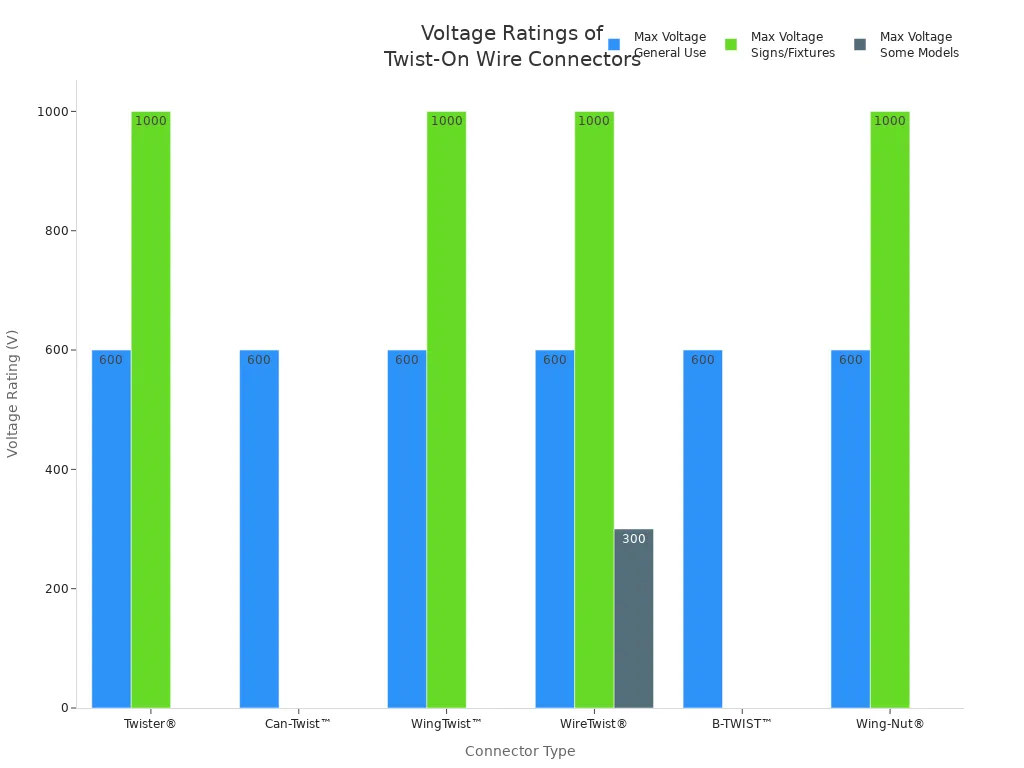
You will find twist-on wire connectors in almost every home or building. They work well for light switches, outlets, ceiling fans, and lighting fixtures. The shells expand as you twist, making installation smooth. Some models have wings or skirts for better grip and comfort. For outdoor or underground jobs, you need weatherproof or special-rated twist-on connectors. Solar systems may use twist-on connectors rated up to 1000V.
Push-In Wire Connectors
Push-in wire connectors are a newer option that makes wiring faster and easier. You insert the stripped wire straight into the connector. The internal spring clamps down, holding the wire in place. This design saves time and reduces installer fatigue.
Here is a table comparing push-in wire connectors to other types:
| Aspect | Advantages | Limitations |
|---|---|---|
| Reliability | WAGO push-in connectors used for 10+ years with no problems; more contact area and stronger clamping spring than back-stabs; no movement from plugging/unplugging | Some users report failures under high load due to spring fatigue and heating; back-stab connections less reliable than push-in |
| Ease of Use | Faster and easier than twisting wire nuts; useful when wire length is short; lever nuts good for stranded wire | Some electricians dislike them, preferring wire nuts for solid mechanical connection and ability to test by tugging wires |
| Space & Application | Take up less space in small boxes; rated for general wiring and lighting; good for fixture wiring | Not recommended for kitchen circuits or high-load applications; concerns about thermal heating under load |
| Safety & Trust | Widely used by some companies for branch circuits without issues; skepticism remains among some professionals who prefer traditional methods | Some view push-in connectors as shortcuts used by less experienced workers; not reusable; wires hard to remove once inserted |
Push-in wire connectors are great for light fixtures and low-load circuits. You can see if the wire is fully inserted through the clear housing. However, they are not the best choice for high-load circuits, such as kitchens, because spring fatigue can cause heating and loosening. Once you insert a wire, it is hard to remove, so plan your wiring carefully.
Crimp Connectors
Crimp wire connectors use a metal sleeve that you squeeze onto the wire with a crimping tool. This method creates a strong mechanical and electrical bond. You will find many types of crimp connectors, including butt splices, fork terminals, and ring terminals.
Crimp connectors are popular in automotive, marine, and industrial wiring. They work well for both solid and stranded wires. You must match the connector size to the wire gauge for a safe connection. Color coding helps you pick the right size: red for 22-16 AWG, blue for 16-14 AWG, and yellow for 12-10 AWG. Crimp wire connectors are reliable if you use the correct tool and technique.
Solder Connectors
Solder connectors use melted solder to join wires. You heat the connector, melt the solder, and let it cool to form a solid bond. This method gives you a dependable electrical connection.
Tip: Always make sure the wires are mechanically secure before soldering. Use wire clamps or strain relief to prevent stress on the solder joint.
Follow these steps for a safe solder connection:
- Make a secure mechanical connection before soldering.
- Heat the solder cup, not the solder itself, for even temperature.
- Let the solder cool before moving the wire.
- Insulate the joint after soldering.
Solder connectors are common in electronics, industrial controls, and places where you need a strong, low-resistance connection. They are not ideal for areas with lots of vibration unless you add strain relief.
Lever Nuts
Lever nuts are a modern type of push-in connector. You lift a lever, insert the wire, and push the lever down to lock it. This design works with both solid and stranded wires, making it very versatile.
- Lever nuts are easy to use and save time.
- You can reuse them, which is rare among wire connector types.
- They are popular with contractors and DIYers for general wiring.
Lever nuts have changed the market for types of wire connectors. You can use them for lighting, outlets, and even temporary setups. Their clear housing lets you check the connection, and the lever makes it simple to add or remove wires.
Butt Connectors
Butt connectors, also called butt splices, join two wires end-to-end. You insert the wires into each end of the connector and crimp them in place. This method is common in automotive wiring, lighting systems, and low-voltage circuits.
- Red butt connectors fit 22-16 AWG wires.
- Blue butt connectors fit 16-14 AWG wires.
- Most butt connectors are rated for up to 600 volts.
You must use the right size and crimp tool to avoid loose connections and overheating. Butt splices are a key part of crimp connector technology, especially for repairs and extensions.
Fork and Ring Terminals
Fork and ring terminals are special types of crimp connectors. You use them to attach wires to screw terminals. The ring terminal forms a closed loop, while the fork terminal has an open end for quick installation.
Fork and ring terminals are perfect for high-vibration environments, such as cars and industrial machines. The crimped connection and screw attachment keep the wire secure, even when things shake or move. Standards like UL508, UL1059, and IEC 60947 ensure these connectors meet safety and reliability rules.
Quick-Connect and Bullet Connectors
Quick-connect and bullet connectors let you connect and disconnect wires fast. Quick-connects use a tongue and tab system, while bullet connectors snap together with a male and female end.
| Feature/Aspect | Quick-Connect (Disconnect) Connectors | Bullet Connectors |
|---|---|---|
| Connection Mechanism | Tongue and tab system | Male knob end and female barrel end that snap together |
| Usage | Designed for field serviceability; can be connected/disconnected repeatedly; can be permanent | Built for long-term usage; snap together and pull apart with some effort |
| Main Function | Creating separable electrical connections | Connecting two wires or replacing damaged wire sections |
| Marine Safety | Safe when used with epoxy lined heat shrink | Safe when used with epoxy lined heat shrink |
| Industry Applications | Automotive and marine sectors, especially where maintenance and repair are important | Automotive lighting systems and other areas requiring frequent disassembly |
| Vibration Resistance | Suitable for tough industrial conditions | Secure connection that resists loosening due to vibrations |
Bullet connectors are common in automotive lighting and places where you need to disconnect wires often. Quick-connects are used in both cars and boats, especially for repairs and maintenance. Both types of wire connectors resist vibration and are easy to use in tight spaces.
Specialty Electrical Connectors
Some jobs need specialty electrical connectors. These types of wire connectors solve unique problems in tough environments.
- Circular connectors are used in military and aerospace for high temperatures and shock resistance.
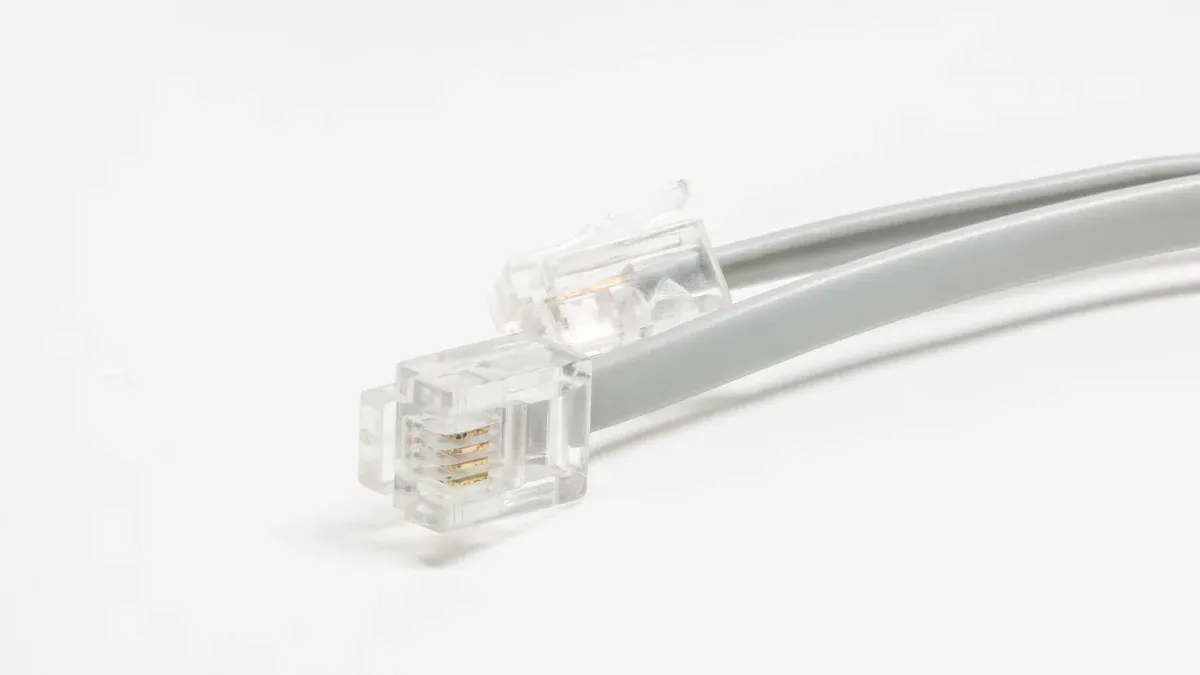
- Modular jacks and plugs with magnetics support Power-over-Ethernet and work in harsh settings.
- RF connectors handle high-frequency signals in wireless and 5G systems.
- Fiber optic connectors provide fast data in critical networks.
- Heavy-duty connectors deliver power and signals in factories and outdoor gear.
- Automotive connectors withstand vibration, heat, and weather.
Specialty connectors often have strict sourcing rules and may be hard to find. They are vital for safety and performance in demanding jobs.
Note: Always check the requirements for your project before choosing specialty cable and connectors. Some may need special approvals or contracts.
You now know the main types of wire connectors and how each fits different needs. This knowledge helps you pick the right connector for any job, from home repairs to advanced industrial work.
Applications and Uses
Household Wiring
You often work with household wiring when you install lighting, outlets, or switches. The most common connectors for these applications are twist-on and push-in types. These connectors make creating electrical connections simple and safe. You can see their features and safety codes in the table below:
| Wire Connector Type | Key Features & Benefits | Typical Household Applications | Safety Codes & Standards Regulating Use |
|---|---|---|---|
| Twist-on Connectors | Plastic cap with internal metal coil; color-coded by size; easy hand-tight installation; reusable; suitable for solid and stranded copper wires | Lighting circuits, outlets, switches, panel wiring | National Electrical Code (NEC), NFPA 79, UL listings, OSHA regulations, NFPA 70E |
| Push-in Connectors (Wago) | Tool-free wire insertion; internal spring clamps; transparent housing; UL listed; meet CE, RoHS, ANSI, DIN, EN standards; voltage-testing ports available | Home wiring, lighting, digital signage, distribution boxes | NEC, UL listings, OSHA regulations, NFPA 70E, CE and other international standards |
You must always match the connector to the wire gauge and follow safety codes. These codes help prevent overheating and electrical faults. Proper installation and inspection keep your home safe.
Automotive and Marine
Automotive and marine applications need connectors that handle vibration, moisture, and temperature changes. You should use crimp connectors, quick-connects, and waterproof types for these environments. Here are key considerations:
- Choose connectors with current and voltage ratings that match your system.
- Look for environmental resistance, such as IP67 or higher, to block moisture and dirt.
- Use secure locking mechanisms to prevent accidental disconnections.
- Pick marine-grade, corrosion-resistant materials for boats.
- Waterproof connectors with rubber or silicone seals protect against water and salt.
- High-temperature connectors work best near engines.
You protect your vehicle or boat by using quality cable and connectors. This reduces the risk of failures and keeps your data and power transmission reliable.
Industrial and Commercial
In industrial and commercial settings, you often need connectors that support fast installation and strong mechanical strength. Crimp connectors, especially open-barrel types, are popular because they work well with automation and handle high currents. Push-in connectors are also common in commercial applications for their speed.
- Crimp connectors give you reliable electrical connections for large-scale production.
- Push-in connectors save time in commercial wiring.
- You must consider current handling, environmental resistance, and wire size.
- Insulation displacement connectors (IDCs) can simplify installation but may not last as long.
You should always balance efficiency, safety, and reliability when choosing cable and connectors for these applications. This ensures your data and power systems run smoothly.
Outdoor and Specialty Environments
Outdoor and specialty environments require connectors that resist water, UV rays, and chemicals. You need waterproof connectors with seals or gaskets to prevent moisture from entering. High-quality polymers like polyamide and silicone offer protection against the sun and harsh weather.
- Use connectors with metal contacts, such as copper, for good conductivity.
- Look for mechanical designs with locking mechanisms or O-rings.
- Choose connectors with the right IP rating for your application.
| IP Rating | Water Protection Level | Typical Applications |
|---|---|---|
| IP65 | Protection against water jets from any direction | Light outdoor installations |
| IP67 | Temporary submersion up to 1 meter | Underground conduit runs |
| IP68 | Continuous submersion beyond 1 meter | Marine and industrial applications |
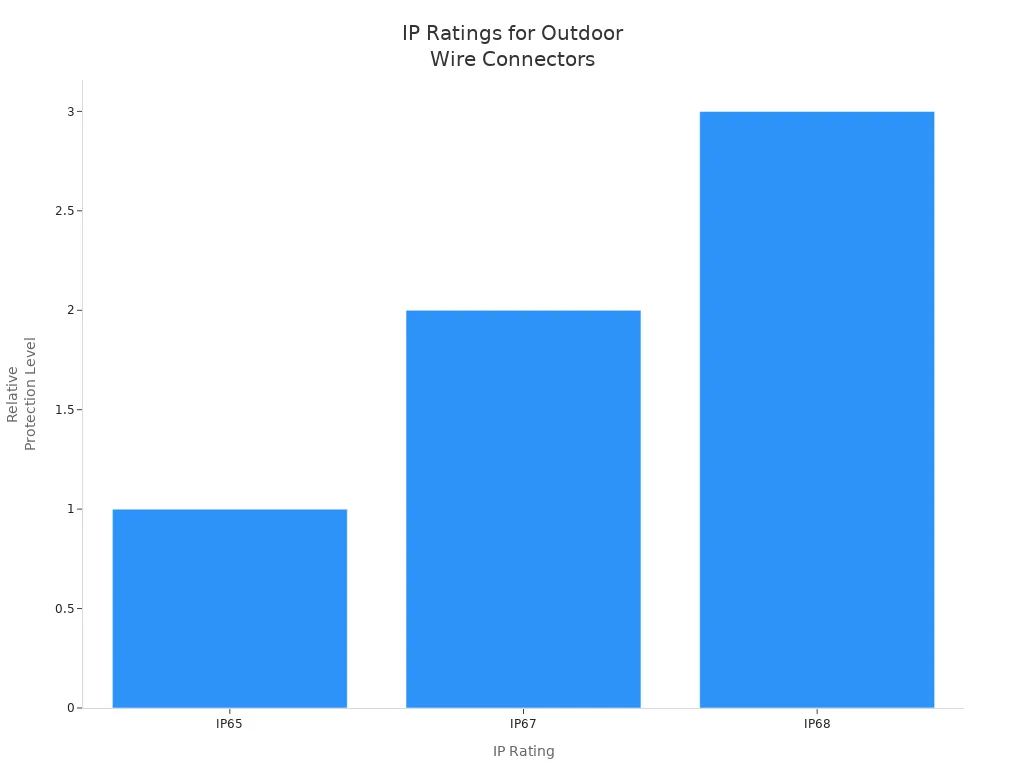
You should use HDPE jackets for UV resistance and flexibility. Always follow safety standards and install connectors properly to keep your data and power transmission safe in tough environments. Outdoor ethernet and twisted pair cable systems also need connectors that support a high data transmission rate and resist weather damage.
How to Choose Wire Connector Types
Selecting the right wire connector type helps you achieve safe and reliable electrical work. You can follow these steps to make the best choice for your project.
Wire Gauge and Load
Start by checking the wire gauge and the amount of current your circuit will carry. Each connector fits a specific wire size and has a maximum current rating. If you use the wrong size, you risk overheating and poor performance. Always match the connector to your wire gauge and the load it will handle. This step improves safety and prevents electrical faults.
| Critical Factor | Description |
|---|---|
| Current Rating | Maximum amps the connector can safely carry |
| Rated Voltage | Maximum voltage the connector can withstand |
| Wire Size Compatibility | Connector must fit the wire gauge (AWG) |
Tip: Use the color coding on connectors to quickly identify the right size for your wires.
Installation Environment
Look at where you plan to install the connector. Temperature, moisture, dust, and vibration all affect connector performance. For outdoor or wet locations, choose connectors with water-blocking materials and high IP ratings. In areas with chemicals or extreme temperatures, select connectors with tough outer jackets. This attention to environment keeps your connections safe and long-lasting.
- Temperature extremes
- Moisture and water exposure
- Dust and dirt
- Vibration or movement
You protect your project and improve safety when you match the connector to the environment.
Permanence and Reusability
Think about whether you need a permanent or reusable connection. Crimp and solder connectors create permanent joins. Lever nuts and some push-in connectors allow you to disconnect and reuse them. If you expect to make changes or repairs, pick a reusable connector. Permanent connectors work best for stable, high-current needs.
| Aspect | Permanent Terminals | Reusable Connectors |
|---|---|---|
| Connection Permanence | Not easily disconnected | Easy to disconnect/reconnect |
| Typical Use | High current, stable | Maintenance, diy, modular |
| Reusability | Not reusable | Some types reusable |
Color Coding and Sizing
Color coding helps you avoid mistakes. You can quickly see which connector matches your wire size and function. This system reduces errors and improves safety. Sizing also matters. If you use the wrong size, you risk overheating and fire. Always check the color and size before installation.
- Color coding shows wire function and size.
- Sizing prevents overload and keeps your work safe.
- Standard colors help everyone, from diy users to professionals, avoid confusion.
Note: Following these steps and double-checking your choices will help you meet safety standards and complete your diy or professional project with confidence.
Electrical Connectors Comparison
Pros and Cons
When you compare different types of electrical connectors, you see that each one has unique strengths and weaknesses. For example, twist-on wire connectors are easy to use and cost-effective, but they may not work well in wet environments. Push-in connectors save time and give you a clear view of the connection, yet they can be hard to remove and may not fit all wire types. Crimp connectors stand out for their strong, permanent bond and low resistance. You need a special tool for crimp connectors, and the quality depends on your skill. Terminal blocks help you organize many connections and make maintenance simple, but they take up more space and may need retightening. Fork connectors let you connect and disconnect wires quickly, but they can slip if not tightened enough.
Tip: Always match the connector to your project’s needs. Think about the environment, wire size, and whether you want a permanent or reusable connection.
Quick Reference Table
You can use the table below to compare the main types of wire connectors. This table helps you choose the right connector for your job by showing key features, advantages, and limitations.
| Connector Type | Advantages | Disadvantages | Best Use Cases |
|---|---|---|---|
| Twist-On | Easy to use, low cost, fits many wire sizes | Not waterproof, limited capacity | Home wiring, junction boxes |
| Push-In | Fast install, visual check, compact | Hard to remove, needs solid wires | Lighting, modern circuits |
| Crimp Connectors | Strong, low resistance, many shapes | Needs tool, permanent, skill needed | Automotive, marine, high vibration |
| Terminal Blocks | Organizes wires, easy to maintain | Bulky, screws may loosen | Control panels, industrial machines |
| Fork Connectors | Quick to install/remove, secure under screw | Can slip, exposed points | Panels, automotive, quick changes |
When you select electrical connectors, consider the material quality and how well they resist water or corrosion. High-grade plastics and metals last longer and keep your data and power safe. Always check that the connector matches your wire gauge. For outdoor or harsh settings, look for ratings like IP68. Crimp connectors work best in places with lots of vibration. Soldered connections give you a permanent join. By understanding these differences, you can pick the best types of wire connectors for your project and avoid common mistakes.
Understanding wire connector types helps you work safely and avoid common mistakes like overcrimping or using the wrong tool. When you choose the right connector for your project, you improve safety, reliability, and system life. Always test your connections and inspect insulation. For complex jobs, consult a professional.
Keep learning by exploring guides on Romex connectors, safety tips, and new trends like USB-C and wireless power. Your knowledge keeps your electrical projects safe and successful.
FAQ
What wire connector should you use for outdoor wiring?
You should use waterproof connectors with a high IP rating, such as IP67 or IP68. These connectors protect against water and dust. Always check the product label for outdoor or direct burial approval.
Can you reuse wire connectors?
You can reuse some connectors, like lever nuts and certain push-in types. Twist-on and crimp connectors are usually single-use. Always inspect connectors for damage before reusing them.
How do you know if a wire connector fits your wire?
Check the wire gauge range printed on the connector or packaging. Use the color coding as a quick guide. If the wire fits snugly and the connector closes securely, you have the right size.
Are push-in connectors safe for kitchen circuits?
Push-in connectors work well for lighting and low-load circuits. For kitchen circuits with higher loads, you should use twist-on or crimp connectors. These types handle more current and reduce the risk of overheating.
What happens if you use the wrong size connector?
If you use the wrong size, the connection may become loose or overheat. This can cause electrical faults or even fires. Always match the connector to your wire size for safety.