The Debate Over RF Radiation and Cancer Risk
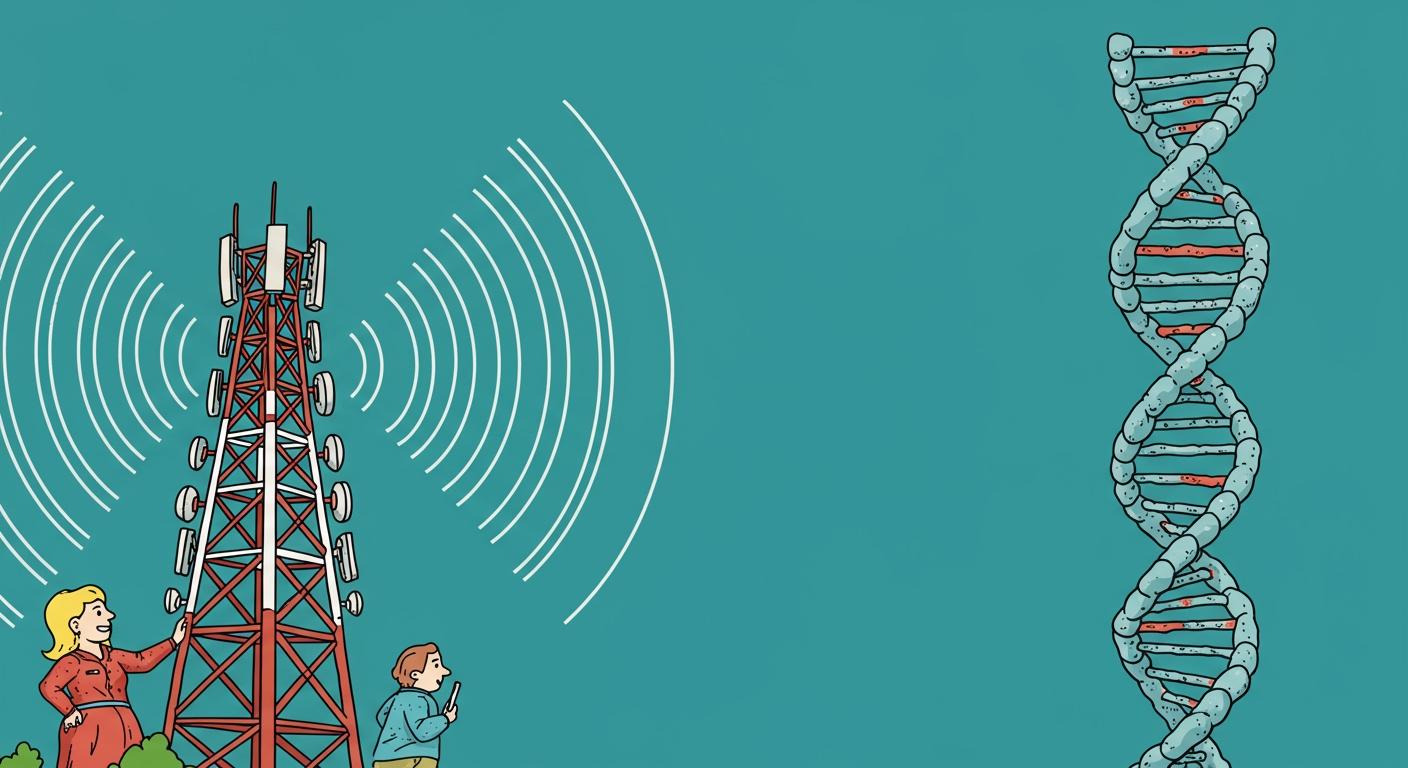
With 97% of US adults owning smartphones, questions about the health effects of radiofrequency radiation are common. Many people wonder about the cancer risks from this radiation exposure. Current scientific studies do not prove a definite link between cell phone exposure and cancer risk. What is rf radiation's true impact on our health and safety?
The International Agency for Research on Cancer classifies radio-frequency radiation as "possibly carcinogenic." This label from their studies highlights limited evidence from other studies. It shows the need for more research on potential long-term effects and risks from radiofrequency exposure, not a proven danger from this radiofrequency radiation.
Key Takeaways
- Scientists do not have clear proof that cell phone use causes cancer.
- Radiofrequency (RF) energy is a low-energy type of radiation, unlike X-rays.
- Some studies suggest possible links between RF radiation and cancer, but other large studies do not.
- Health organizations like the WHO say there is no proven harm from low-level RF exposure.
- You can lower your RF exposure by using speakerphone or keeping your phone away from your body.
What Is RF? Understanding This Radiation
To understand the health debate, we first need to know what is RF radiation. This energy is a part of our modern world. Understanding its basic properties is key to evaluating the potential risks.
Defining Radio Frequency Energy
Radiofrequency (RF) energy is a form of electromagnetic radiation. It represents the oscillation rate of electromagnetic waves, with a frequency range from about 20 kilohertz (kHz) to 300 gigahertz (GHz). This energy radiates into space as radio waves. Many common devices are sources of radiofrequency radiation.
- Cell phones and cell towers
- Wi-Fi routers and Bluetooth® devices
- Broadcast radio and television signals
- Microwave ovens
- Smart meters
Non-Ionizing vs. Ionizing Radiation
Scientists classify radiation into two main categories based on its energy. Radiofrequency radiation is a type of non-ionizing radiation. This is a critical distinction in the health debate.
| Characteristic | Ionizing Radiation | Non-Ionizing Radiation |
|---|---|---|
| Energy Level | High energy | Low energy |
| Cellular Effects | Can remove electrons from atoms and damage DNA | Does not have enough energy to remove electrons |
| Examples | X-rays, Gamma rays, Radon | Radio waves, Microwaves, Visible light |
Ionizing radiation, like X-rays, has enough energy to cause direct cell damage, a known cancer risk. Non-ionizing radiation does not. The main question is whether long-term exposure to this lower-energy radiation has other effects.
Thermal vs. Non-Thermal Effects
The known biological effects of RF-EMF are primarily thermal. High-level exposure to a radiofrequency electromagnetic field can heat biological tissue. This is similar to how a microwave oven heats food. Regulatory agencies set safety limits to prevent these heating effects.
The debate centers on potential non-thermal effects. Some studies propose that long-term, low-level exposure to a radiofrequency electromagnetic field might cause biological effects without a significant temperature increase. Researchers are actively studying these proposed effects. The possibility of these effects from radiofrequency exposure keeps the scientific conversation active, even though the energy levels are too low to cause the damage seen with ionizing radiation.
The Health Debate on Radio-Frequency Radiation
While a conclusive link remains unproven, some scientific studies suggest potential associations between non-ionizing EMFs and cancer. These findings fuel the ongoing debate and highlight the need for more research. Scientists examine evidence from human populations, animal experiments, and cellular-level effects to understand the full picture of potential health risks.
Evidence from Human Studies
Researchers often use epidemiological studies to look for patterns of disease in human populations. These studies compare groups of people to find potential links between exposure and health outcomes. Several large studies have investigated the associations between non-ionizing EMFs and cancer, with mixed results.
The international Interphone study was one of the largest investigations into cell phone use and brain tumors. Its findings presented a complex picture.
- The study found a 40% increased risk for glioma, a type of brain cancer, in the small group of people with the highest cumulative hours of cell phone use.
- However, it also reported a reduced risk of glioma for most regular users compared to people who never used a cell phone.
- Researchers noted potential flaws, like recall bias (participants may not remember their usage accurately) and selection bias, which could have led to an underestimation of the true risks.
In contrast, a series of studies from the Hardell group in Sweden consistently reported different results. These independently funded studies found a significant increased risk of brain tumors from long-term cell phone and cordless phone use. The research pointed to a higher risk for individuals who began using mobile phones before age 20. The scientists suggested that younger people might have a higher susceptibility to the effects of a radiofrequency electromagnetic field.
Findings from Animal Studies
Animal studies allow scientists to control exposure conditions in ways that are not possible with humans. The U.S. National Toxicology Program (NTP) conducted a major study on the effects of radiofrequency radiation. The $30 million project exposed rats and mice to high levels of radiofrequency radiation over their entire bodies for two years.
The NTP study provided what researchers called "clear evidence" of a link between the exposure and specific tumors in male rats. The key findings included:
- Cancerous tumors in the hearts (malignant schwannomas).
- Some evidence of tumors in the brains (gliomas).
- Some evidence of tumors in the adrenal glands.
These findings were significant because they showed that radiofrequency radiation could cause cancer in animals at high exposure levels. This research added a critical piece of evidence to the debate over the cancer risk from EMFs.
Proposed Indirect Cancer Mechanisms
Since radiofrequency radiation lacks the energy to damage DNA directly, scientists are investigating indirect biological effects of RF-EMF. If this radiation does increase cancer risk, it likely happens through complex cellular pathways rather than direct damage. Two primary mechanisms are at the center of this research.
One leading theory involves oxidative stress. Many studies suggest that radiofrequency exposure can cause cells to produce more reactive oxygen species (ROS). An overproduction of ROS can overwhelm a cell's antioxidant defenses, leading to cellular damage, including DNA damage, which is a known pathway to cancer. A review of 100 peer-reviewed studies found that 93 of them reported that radiofrequency radiation induced oxidative stress in cells. This suggests a plausible indirect mechanism for adverse health effects.
Another area of research explores the effects of a radiofrequency electromagnetic field on the blood-brain barrier (BBB). The BBB is a protective layer that prevents harmful substances from entering the brain. Some animal studies have suggested that radiofrequency exposure could make this barrier "leaky," potentially allowing toxins to reach the brain. However, other studies and reviews have found no such effects. The evidence remains conflicting, and scientists agree that more research is needed to understand if this is a real risk for human health.
The Case Against a Proven Cancer Risk
Despite some studies suggesting a possible link, a large body of scientific evidence argues against a proven connection between radiofrequency radiation and cancer. Many scientists and health organizations point to contradictory data, the absence of a known biological mechanism, and major challenges in research methodology. These factors form the core of the case against a confirmed cancer risk from emfs.
Contradictory Large-Scale Data
While smaller studies have raised concerns, many of the largest and longest-running epidemiological studies show no clear increase in cancer risk. These large-scale studies track entire populations over many years. Their results provide a powerful counterpoint to the associations between non-ionizing emfs and cancer found in other research.
The Danish Cohort Study, for example, followed over 420,000 mobile phone subscribers for many years. The research found no evidence of increased risks for brain tumors, even among people who had used cell phones for over 13 years.
Danish Cohort Study: Brain Tumor Risk (Incidence Rate Ratio)
Tumor Type & Exposure Duration Men (95% Confidence Interval) Women (95% Confidence Interval) Central Nervous System Tumors (≥ 13 years) 1.03 (0.83 to 1.27) 0.91 (0.41 to 2.04) Glioma (≥ 10 years) 1.04 (0.85 to 1.26) 1.04 (0.56 to 1.95) Meningioma (≥ 10 years) 0.90 (0.57 to 1.42) 0.93 (0.46 to 1.87)
Furthermore, if radiofrequency exposure from cell phones caused brain cancer, scientists would expect to see a rise in brain tumor rates across the general population. However, data from multiple countries show this has not happened.
- Stable Rates: Studies in the US and Nordic countries found that brain tumor incidence rates have remained stable or even declined since the widespread adoption of cell phones.
- No Clear Change: The large, 13-country INTERPHONE study found no overall increased risk of glioma or meningioma with mobile phone use.
- Long-Term Data: An Australian study examining data from 1982 to 2013 concluded there was no increase in brain tumors due to mobile phone use.
These large datasets suggest that if there is any risk from radiofrequency exposure, it is not large enough to be seen at the population level.
The Lack of a Confirmed Mechanism
A major argument against a cancer link is the absence of a proven way for radiofrequency radiation to cause cancer. The energy from this type of radiation is fundamentally different from known carcinogens like X-rays.
Radiofrequency radiation is non-ionizing. Its quantum energy is thousands of times too low to break chemical bonds or directly damage DNA. This direct damage is the primary way high-energy (ionizing) radiation causes cancer. The only consistently observed biological effect of radiofrequency exposure in humans is tissue heating. Current safety regulations and device limits are specifically designed to prevent these heating effects.
While some lab studies propose indirect effects like oxidative stress, a definitive molecular mechanism has not been identified. Researchers have not found a clear physical pathway explaining how low-level radiofrequency exposure could reliably trigger these biological effects of rf-emf. A systematic review of over 1,100 experiments found that 80% reported no significant DNA-damaging effects from radiofrequency exposure. This lack of a confirmed mechanism makes it difficult for many scientists to accept that this low-energy radiation could lead to adverse health effects like cancer.
Challenges in Studying Long-Term Exposure
Studying the long-term health effects of cell phone use is incredibly difficult. The conflicting results between studies often stem from significant methodological challenges that complicate research. These challenges make it hard to draw firm conclusions about long-term health risks.
Human studies often rely on people remembering their past habits, which introduces major potential errors.
- Recall Bias: It is very difficult for people to accurately remember how much they used their phone years ago or which side of their head they held it on.
- Selection Bias: The people who agree to participate in studies may be different from those who do not, which can skew the results.
- Confounding Factors: Other lifestyle or environmental factors could be responsible for any observed health effects.
Another major challenge is the rapid evolution of technology. The radiofrequency exposure from a modern 5G smartphone is different from that of a 2G phone from the 1990s. This constant change complicates long-term exposure studies because the type and level of radiation exposure are always shifting. Direct epidemiological research on 5G is not yet available, making it hard to assess the risks of current and future technologies. These persistent challenges in studying exposure mean that the scientific community must be cautious when interpreting the results of any single study.
What Health Organizations Conclude

Given the conflicting scientific studies, many people look to major health and regulatory organizations for guidance. These bodies review the entire body of evidence to establish official positions and safety guidelines on radiofrequency radiation. Their conclusions help frame the public understanding of the potential health risks.
The IARC "Possibly Carcinogenic" Label
In 2011, the International Agency for Research on Cancer (IARC) classified radiofrequency electromagnetic fields as "Group 2B," or "possibly carcinogenic to humans." This classification often causes public concern, but its scientific meaning is specific. IARC uses this category when the evidence of a link to cancer is limited in humans and less than sufficient in animal studies. The label indicates that chance, bias, or other confounding factors could not be ruled out in the existing research.
The Group 2B category is a call for more research, not a declaration of a known danger. Radiofrequency radiation shares this classification with other common substances, including:
- Acetaldehyde (found in coffee and bread)
- Lead
- Certain types of aloe vera extract
This context shows that the classification signals uncertainty about the long-term effects of radiofrequency exposure.
World Health Organization's Position
The World Health Organization (WHO), which is the parent body of IARC, states that current studies do not confirm any adverse health effects from low-level radiofrequency exposure. The organization acknowledges the public's questions about the associations between non-ionizing emfs and cancer. It actively encourages more studies to fill in the remaining knowledge gaps about the long-term effects of this radiation. The WHO has highlighted several key areas for future research to better understand any potential health risk.
WHO Research Priorities:
| Area of Study | Focus of Research |
|---|---|
| Long-Term Effects | Investigating cancer risk from prolonged radiofrequency exposure. |
| Cellular Effects | Exploring mechanisms like oxidative stress. |
| Fertility & Development | Studying potential effects on male fertility and birth outcomes. |
FCC Safety Limits and SAR
Regulatory bodies like the U.S. Federal Communications Commission (FCC) set exposure limits for sources of radiofrequency radiation, including cell phones. The FCC's role is to ensure that all wireless devices sold in the country comply with safety standards. These standards are based on the Specific Absorption Rate (SAR), which measures the rate at which the body absorbs radiofrequency energy.
The FCC requires that phones sold in the U.S. must have a SAR level at or below 1.6 watts per kilogram (W/kg). Manufacturers must test their devices to prove they do not exceed this limit, even when operating at their highest possible power level. This provides a significant margin of safety. The FCC states that all cell phones legally sold in the United States are safe to use because their radiofrequency exposure falls well below this limit, preventing known heating effects.
The debate over radio-frequency radiation and cancer risk is complex. Scientific studies show conflicting results about its health effects. A definite link remains unproven. However, some research studies suggest potential health risks, so active research continues. People concerned about the unknown long-term effects of radiofrequency exposure from smartphones can take simple steps. The question of what is rf radiation's true effect on health remains.
For those concerned about the potential risks and long-term effects of radiofrequency radiation, simple actions can lower exposure. Using speakerphone or texting reduces close-contact radiation exposure. Increasing the distance from your device significantly lessens the effects of radiofrequency exposure. These steps help manage potential health risks without alarm.
FAQ
Is 5G more dangerous than 4G?
5G technology uses different radio frequencies than older networks. All 5G devices must meet the same safety limits set by the FCC. Scientists continue to study the long-term health effects of these newer technologies to ensure public safety.
Are children more at risk from RF radiation?
Some scientists believe children could face a higher risk from RF radiation. Their skulls are thinner and their nervous systems are still developing. This may allow their bodies to absorb more energy. Research on this topic is ongoing.
How can I reduce my exposure to RF radiation? 📱
People can easily lower their exposure to RF energy.
- Use speakerphone or wired earbuds to keep the phone away from your head.
- Text more and call less.
- Carry your phone in a bag rather than a pocket.
Do Wi-Fi and Bluetooth pose a cancer risk?
Wi-Fi and Bluetooth devices use RF energy, but they operate at much lower power levels than cell phones. Based on current evidence, health organizations do not consider them a significant risk under normal use conditions.