Why You Might Need a Power Amp Instead of an Integrated One
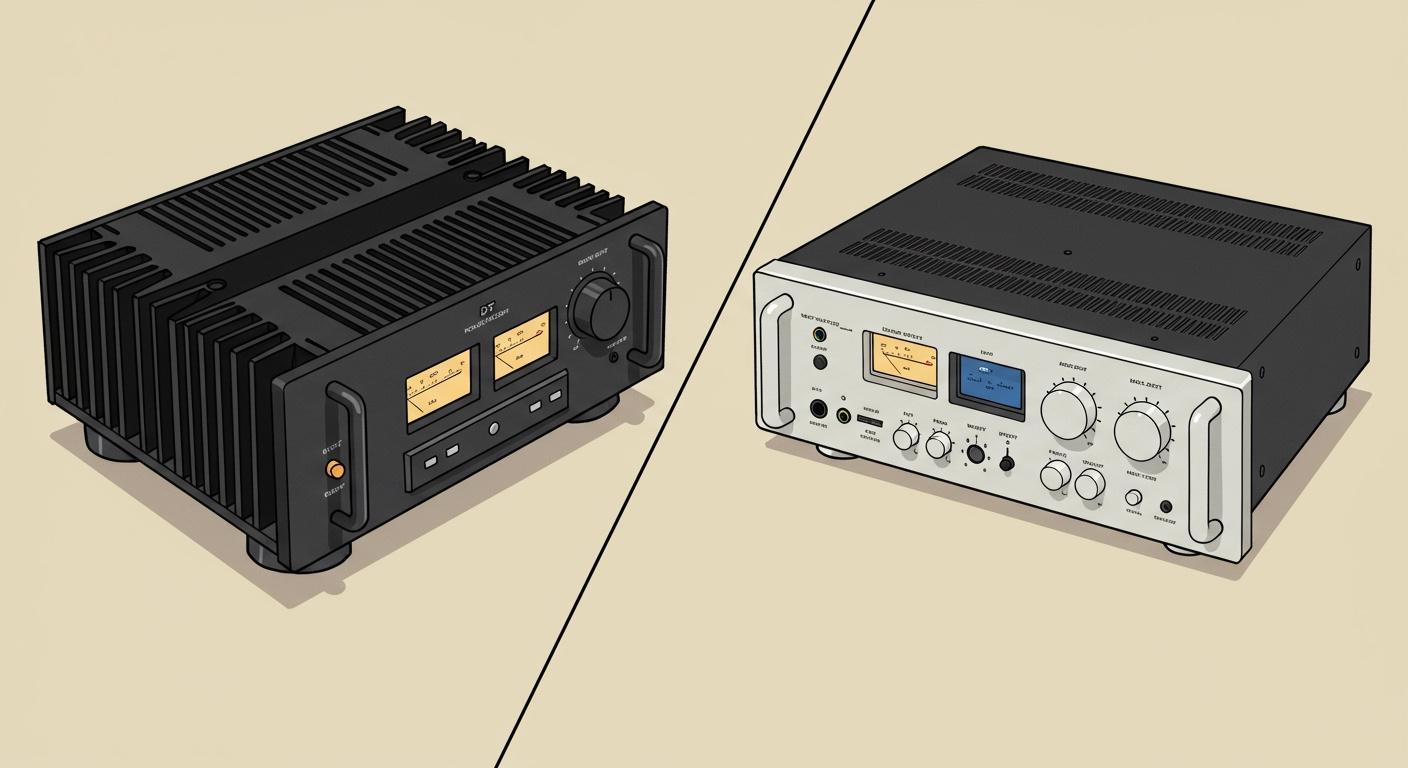
Have you hit a performance ceiling with your audio system? You seek a significant upgrade in sound quality. This brings you to a key decision about your amplifier.
Your choice is between a convenient integrated amplifier and a system built for higher performance with a separate power amplifier.
This article helps you understand what is amplifier. It shows you when a separate amplifier unlocks the best performance and flexibility for your setup.
Key Takeaways
- A separate power amplifier gives your music cleaner sound. It has its own power supply, so it avoids noise.
- Separate audio components offer more flexibility. You can mix and match parts to create your perfect sound system.
- A dedicated power amplifier handles difficult speakers better. It provides strong, steady power for clear sound.
- Buying separate audio parts is a smart long-term choice. You can upgrade one piece at a time and they hold their value well.
First, What is an Amplifier?
So, what is an amplifier in your audio system? An audio amplifier has a critical job. It takes the low-power audio signal from your source (like a turntable or streamer) and increases its power. This boost in power is necessary to physically move the drivers inside your speakers and create sound. A good amplifier provides enough power to drive your speakers without distortion. Understanding what is an amplifier is the first step. Now, let's look at the two main types.
The All-in-One: Integrated Amplifier
You are likely most familiar with the integrated amplifier. This popular device is a convenient, all-in-one solution. A one-box integrated amplifier combines two essential components into a single chassis:
- A Preamplifier: This is the control center. It lets you switch between different audio sources, control the volume, and adjust the tone.
- A Power Amplifier: This section provides the raw power needed to drive your speakers.
This integrated unit is a simple and effective way to power a high-quality sound system. Many excellent models from brands like Cambridge Audio and Technics prove how capable this design can be.
The Specialist: Preamp and Power Amplifier
The alternative approach separates these jobs into two dedicated boxes: a preamp and power amp. Each component focuses on its specific task without compromise. The power amplifier is the system's muscle, dedicated solely to providing clean, strong power.
This division of labor is clear when you look at their roles.
| Component | Primary Role | Key Functions |
|---|---|---|
| Preamplifier | Manages signals | Source Switching, Volume Control |
| Power Amplifier | Amplifies signals | Provides power to drive speakers |
By separating these functions, you isolate the delicate control circuits from the high-power amplification stage. This separation is a key reason why many audiophiles choose this path for their ultimate audio amplifier setup. It answers the question of "what is an amplifier?" by splitting it into two specialist parts.
The Power Amplifier Advantage: Sound Quality
You want the best possible sound from your system. Separating your amplification into a preamp and power amplifier offers significant benefits for sound quality. This approach tackles core electrical challenges to deliver a purer audio experience.
Cleaner Power, Purer Signal
A power amplifier needs a lot of electrical power to move your speakers. An integrated amplifier houses everything in one box, so the high-power and low-power circuits share resources. This can cause problems.
- A sudden demand for power, like a deep bass note in your music, can affect the delicate preamp section.
- This sharing can introduce noise and distortion, degrading the final sound quality.
A separate power amplifier has its own dedicated power supply. It provides clean, isolated power exactly where it is needed. This ensures the power-hungry amplifier section never compromises the signal quality from the preamp. Your music sounds cleaner as a result.
Less Internal Interference
Imagine trying to have a quiet conversation next to a running engine. This is similar to what happens inside an integrated amplifier. The high-current power circuits create electrical and magnetic fields. These fields can interfere with the sensitive, low-level signals in the preamp section. This interference harms the purity of your sound.
A stand-alone power amp solves this by creating physical distance. Placing the power amplifier in a separate chassis isolates the "noisy" high-power components from the delicate control circuits. This separation is a key reason why high quality equipment often uses separates. It preserves the audio signal, giving you a clearer and more detailed listening experience.
Driving Demanding Speakers
Some speakers are difficult for an amplifier to control. These demanding speakers often have low impedance or complex phase angles, which require more current from the amplifier.
- Low impedance in the 80-500Hz range requires significant power, as this is where much of the energy in music lies.
- Complex phase angles can force an amplifier's transistors to work much harder and generate more heat.
A dedicated power amplifier is built for this challenge. It typically contains larger transformers and more robust power reserves. This allows the amplifier to deliver consistent, high-quality power to your speakers at all times. You gain better control over the speakers, resulting in tighter bass, improved dynamics, and a more effortless sound performance. This superior power delivery unlocks the true potential of your speakers for an amazing music experience.
Ultimate System Flexibility
Choosing separate components gives you incredible freedom to build and evolve your audio system. You are not locked into a single box. This opens up a world of customization and future upgrades.
Mix and Match Components
With a preamp and power amp setup, you can select each unit based on its unique strengths. This allows for perfect system matching. You can create a sound that is uniquely yours. This process of finding the right combination is all about creating synergy.
A popular example of
system matchingis pairing a tube preamplifier with a solid-state power amplifier. This combination gives you the best of both worlds. You get the warm, rich sound from the tubes and the reliable, cleanpowerfrom the solid-statepoweramp.
This approach offers great synergy and several practical benefits:
- Reliable Power: Solid-state
poweramps are very reliable and require no maintenance. - Better Bass: They often provide tighter, faster bass
powerand control. - Cost-Effective: You avoid the cost of replacing expensive tubes every few years.
- Less Heat: They produce less heat than tube-based
poweramplifiers.
This ability to mix and match is a key advantage of using separate components.
Upgrade to Bi-Amping
A separates system unlocks advanced upgrade options like bi-amping. Bi-amping means you use two channels of power for each speaker instead of one. An electronic crossover divides the audio signal into high and low frequencies. Then, a dedicated power amplifier channel powers each specific driver (e.g., tweeter or woofer).
This technique dramatically increases the effective power available to your speakers. It gives the amplifier better control over the speaker drivers. The result is a significant boost in sound quality for your hi-fi system. You will notice improved clarity, a more open sound, and reduced distortion. This creates a more transparent and engaging listening experience, showing the true synergy of a well-planned setup.
A Smarter Long-Term Investment
You can think of your audio setup as a long-term journey. Choosing separates like a dedicated power amplifier is often a smarter financial decision over time. This path gives you more control over your spending and protects your investment.
Incremental System Upgrades
A separates system allows you to make gradual, focused improvements. You do not need a large budget to upgrade everything at once. You can enhance your setup one piece at a time as your tastes evolve or new technology becomes available.
- You might start with an integrated amplifier that has a "pre-out" feature. This lets you add a more powerful power amp later while still using the integrated unit as your preamp.
- You could later replace your preamp for a new sound, keeping your trusted power amp.
- You can target specific components for a big impact. Adding a high-quality DAC, for instance, can remove noise and improve stereo imaging for a major sound quality boost.
This modular approach lets you manage your budget effectively. You can direct your funds toward the single component that will make the most difference to your listening experience. This gives you tremendous power over your system's evolution. The raw power of your amplifier is just one piece of the puzzle. You gain the power to fine-tune every aspect, from the digital source to the final power delivery. This incremental power to upgrade is a key benefit.
Better Resale Value
High-end audio components can hold their value surprisingly well. Individual preamps and power amplifiers from respected brands often have a strong second-hand market. This makes your initial purchase less of a sunk cost and more of an investment.
Several factors influence resale value:
- Brand Reputation: Components from brands like McIntosh, Naim, and Audio Research are always in demand.
- Model Popularity: Certain classic models become sought-after for their legendary performance and build.
- Condition: Well-cared-for equipment naturally fetches a higher price.
An integrated amplifier depreciates as a single unit. If one part becomes outdated, the value of the entire box drops. With separates, the value of your high-end power amp remains strong even if you decide to sell your preamp. This strong resale potential gives you the power to sell and reinvest in your next upgrade, giving you more power over your audio journey. The consistent power and performance of these units make them desirable for years.
Your choice depends on your audio goals. A separate power amplifier gives you the power for maximum sound fidelity and upgrade power. An integrated unit has clear integrated amp pros, offering simplicity and value. The power to build your ultimate audio system is in your hands.
Understanding what is amplifier gives you the power to control the power and performance of your sound. A great power amplifier provides the final power for an amazing experience. This is the power of choice for your system.
FAQ
### Is a power amp always more expensive?
Not always. You can find entry-level power amps. High-end separates cost more upfront. However, their better resale value and incremental upgrade path can make them a smarter long-term investment for you.
### Do I need a lot of space for separates?
Separates do require more space than one integrated box. You will need room for at least two components. Many audiophiles use a dedicated audio rack to stack their gear neatly. This helps you manage the system's footprint.
### Can I upgrade my integrated amp with a power amp?
Yes, if your integrated amp has "pre-out" jacks. This feature lets you connect an external power amplifier. You can use your integrated unit as the preamp. This is a great first step into the world of separates. 👍
Tip: Check the back of your integrated amplifier for RCA jacks labeled "Pre-Out." This is your key to a future power upgrade.
### Can I use any preamp with any power amp?
You have great flexibility, but you should check for compatibility. Ensure the preamp's output voltage matches the power amp's input sensitivity. This creates good system matching and synergy. Reading reviews and spec sheets helps you make a good choice.