Why Every Modern Electronic Device Needs Varistors
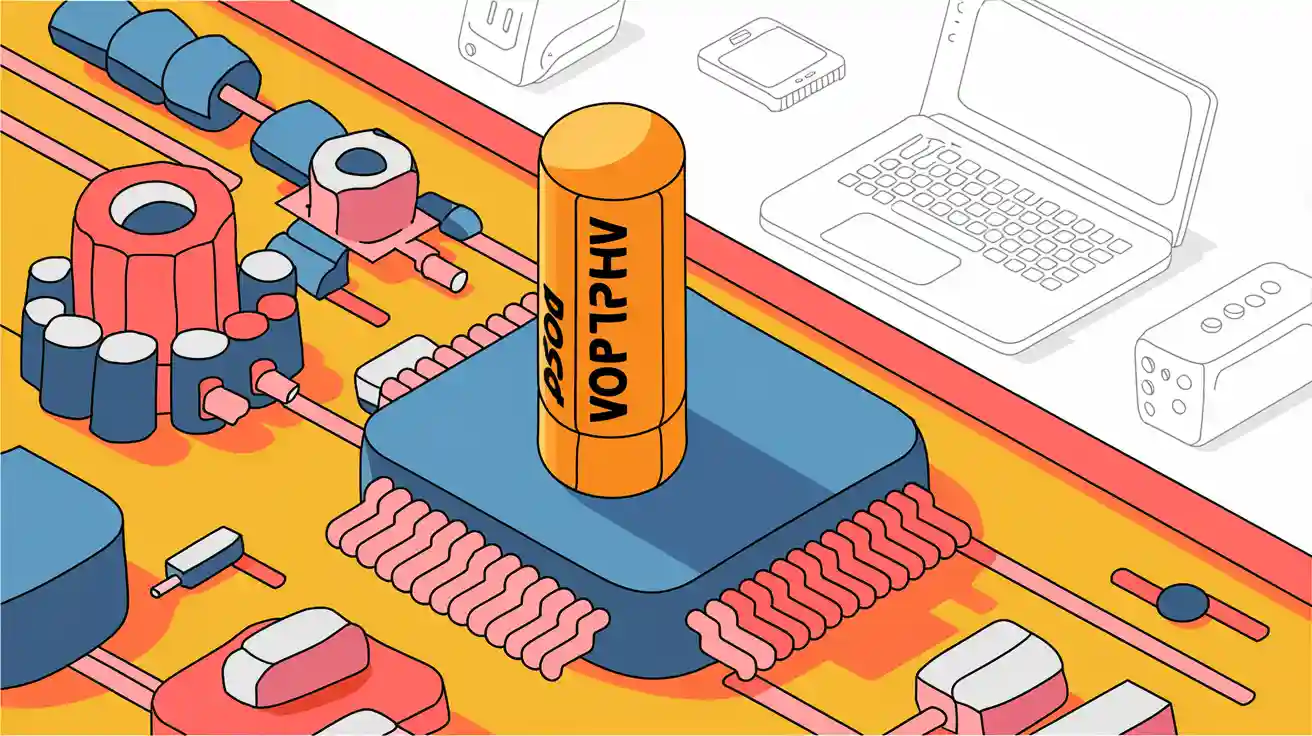
You face more risks from electrical surges than ever before. Homes and businesses use more devices every year, and advanced technology makes electronics more sensitive to voltage changes. The importance of varistors grows as you rely on gadgets that need over-voltage protection. Varistors act as shields for electronic circuit protection, stopping damage before it happens.
| Factor | Description |
|---|---|
| Adoption of Electrical Appliances | More devices in use means more frequent electrical surges. |
| Advanced Technologies | Complex systems and IoT devices are more vulnerable to voltage fluctuations. |
| Market Demand for SPDs | Surge protection devices are in higher demand due to rising concerns. |
| Year | Market Size (USD Billion) | CAGR (%) |
|---|---|---|
| 2024 | 12.14 | N/A |
| 2025 | 13.30 | N/A |
| 2030 | 21.43 | 9.93 |
Researchers have found that adding CaSiO3 to ZnO varistor ceramics improves their ability to protect electronics. This helps make surge protection stronger for modern devices.
Key Takeaways
- Varistors protect electronic devices from voltage spikes and transients, extending their lifespan and reliability.
- Choose the right varistor by checking its voltage ratings to ensure optimal protection for your devices.
- Varistors respond quickly to surges, acting as conductors to divert excess current and prevent damage.
- Incorporate varistors in various applications, including consumer electronics, industrial systems, and smart devices for effective surge protection.
- Always replace varistors after a significant surge to maintain the safety and functionality of your electronics.
Varistor Basics
What Is a Varistor
You often see varistors in electronic circuits, but you might not know what makes them special. A varistor is a passive, nonlinear, two-terminal semiconductor device. You use varistors to protect your devices from sudden voltage transients. The unique structure of varistors comes from their polycrystalline material. Each grain boundary acts like a tiny semiconductor junction, causing a fixed voltage drop of about 2V to 3V per junction. The overall voltage limiting capability depends on the thickness of the material and the size of the zinc oxide grains. When you look at a varistor, you notice it works in both AC and DC circuits. This bidirectional nature means you can rely on varistors to handle voltage transients from any direction.
Tip: You should always check the varistor voltage and maximum allowable voltage before choosing one for your device. These parameters help you match the varistor to your circuit’s needs.
Recent advancements in varistor technology make them even more reliable. For example, Panasonic developed miniature SMD varistors for 5G equipment in January 2024. Bourns released high-energy PCB mount varistors for automotive use. TDK focused on ultra-low leakage current for energy-efficient electronics. Littelfuse introduced high-voltage varistors for renewable energy inverters. YAGEO increased production to meet demand in automotive and consumer electronics.
How Varistors Work
You depend on varistors to regulate voltage and suppress transient surges. When the voltage stays within normal levels, the varistor acts as an insulator. Depletion layers at the grain boundaries block the flow of carriers, so only a tiny leakage current passes through. If a voltage transients occurs, the varistor switches quickly to a conductor. It absorbs and dissipates the excess energy, protecting your sensitive components.
When you select a varistor, you need to consider several key parameters:
- Varistor voltage: The point where the varistor starts to conduct.
- Maximum allowable voltage: The highest voltage the varistor can handle safely.
- Clamping voltage: The voltage level the varistor limits during a surge.
- Energy rating: The amount of surge energy the varistor can absorb.
- Peak pulse current: The maximum surge current the varistor can conduct.
- Response time: How fast the varistor reacts to voltage transients.
- Capacitance: Important for high-frequency circuits.
- Leakage current: The small current that flows during normal operation.
- Operating temperature range: Ensures reliability in different environments.
- Life expectancy: Tells you how long the varistor will last.
You see varistors as essential for voltage regulation and transient suppression. They protect your devices from voltage transients and keep your electronics safe.
Varistors in Circuit Protection

Voltage Clamping
You rely on varistors to keep your electronics safe when voltage levels rise unexpectedly. Voltage clamping is the main way varistors protect your devices. When a voltage transient or high voltage surge hits your circuit, the varistor quickly changes from an insulator to a conductor. This action clamps the excessive voltage to a safe level, stopping it from reaching sensitive components.
Varistors work by creating a low-resistance path for the surge current. The zinc oxide material inside the varistor absorbs and dissipates the energy from voltage transients. This process helps suppress surges and prevents voltage spikes from causing damage. You see varistors used in circuit protection for televisions, computers, and smart home systems because they handle voltage clamping so well.
Manufacturers test varistors to make sure they meet strict safety standards. You can check the table below to see some of the most important certifications for varistors in safety-critical applications:
| Standard | Description |
|---|---|
| IEC 61508 | Guidance for safety integrity levels and requirements for functional safety in electrical systems. |
| ISO 14971 | Risk management framework, mainly for medical devices. |
| UL 508 | Safety and reliability for industrial control equipment. |
| IEC 62368 | Safety for communication, audio-visual, and IT equipment based on hazard risk assessment. |
You should always choose varistors that meet these standards for the best circuit protection.
Fast Surge Response
You need fast action when voltage transients threaten your electronics. Varistors respond to surges in tens to hundreds of nanoseconds, which is quick enough to protect most devices. The table below compares the response time of varistors to other common circuit protection devices:
| Device Type | Response Time |
|---|---|
| TVS Diode | Less than 1 nanosecond |
| Varistor | Tens to hundreds of nanoseconds |
| Gas Discharge Tube | 25 to 100 nanoseconds or more |
Varistors may not react as fast as TVS diodes, but their speed is still impressive. You benefit from this rapid response because varistors can suppress surges before they cause catastrophic circuit damage.
You can see how varistors protect your devices in several ways:
- Varistors detect excess voltage and reduce their resistance, creating a safe path for surge current.
- They absorb and dissipate energy from voltage transients, especially during lightning strikes or power surges.
- Varistors return to a high-resistance state after the surge passes, so they remain reliable for long-term use.
You find varistors in power supply circuits, circuit boards, and automotive electronics. Their versatility makes them a popular choice for circuit protection in many applications.
You should know about common failure modes of varistors. Electrical puncture can happen if low current flows for a long time, causing overheating. Physical cracking may occur after a high-amplitude surge, especially at the edges. Thermal runaway is possible if the energy raises the temperature too much. You can reduce these risks by choosing the right varistor for your application and following good circuit design practices.
Manufacturers also test and certify varistors for surge protection before releasing them to the market. You can see some of the main standards and procedures in the table below:
| Region | Standard/Procedure |
|---|---|
| United States | UL 1449, Standard for Surge Protective Devices |
| Canada | CSA C22.2 NO. 269 Series of SPD Standards |
| Mexico | NOM-003-SCFI (NMX-J-515-ANCE) |
| Global Markets | IEC/EN 61643-11, -311, -321, -331, IEC 61643-31, IEC 61051 |
Tip: Always check for certified varistors when you want the best protection against voltage transients and surges.
Key Benefits of Varistors
Preventing Damage
You want your devices to last as long as possible. Varistors help you achieve this by protecting sensitive components from harmful voltage transients. When a sudden spike happens, such as from lightning or switching operations, varistors react quickly. They divert excess current away from your device’s delicate parts. This action keeps your electronics safe and extends their operational lifespan.
- Varistors suppress voltage spikes and transients in electrical circuits.
- These spikes can come from lightning strikes, switching, or electrostatic discharge.
- By diverting excess current, varistors protect sensitive components from damage.
A renewable energy company added varistors to their solar inverter systems. This change protected the equipment from voltage spikes. Reliability improved, and maintenance costs dropped. You see how varistors make a real difference in keeping electronics working longer.
Tip: Always choose varistors with ratings that match your device’s needs for the best protection against voltage transients.
Noise Suppression
You may notice that electronic devices sometimes pick up unwanted electrical noise. Varistors help reduce this problem. They combine surge protection and noise filtering in one compact component. When the voltage is below the clamping threshold, varistors act like capacitors. This behavior helps filter out high-frequency noise and keeps your device running smoothly.
| Feature | Description |
|---|---|
| Functionality | Combines surge protection and noise filtering |
| EMI/RFI Attenuation | Excellent attenuation over a wide frequency spectrum |
| Application | Protects sensitive electronics and filters high frequency noise |
| Design | Compact, radial configuration with enhanced resistance |
In DC applications, large capacitance helps with filtering and transient suppression. In high-frequency circuits, you need to balance capacitance for effective protection. Varistors clamp surge voltage by sharply dropping impedance when the threshold is exceeded. This quick response keeps voltage transients and noise from harming your electronics.
Compact and Reliable
You want protection that fits inside modern, compact devices. Varistors offer a small size and high reliability, making them ideal for today’s electronics. Compared to other protection components, varistors handle high voltage surges well and have nonlinear current-voltage behavior. Their compact design allows you to use them in smartphones, laptops, and smart home devices.
| Feature | Varistors | Alternative Components |
|---|---|---|
| Size | Generally compact, suitable for modern devices | Varies, some may be bulkier |
| Reliability | High reliability due to nonlinear behavior | Depends on the component |
| Voltage Protection | Effective against high voltage surges | Varies |
| Current Handling | Nonlinear current-voltage behavior | Linear in some alternatives |
Varistors also offer cost-effectiveness for large-scale manufacturing. Metal oxide varistors (MOVs) are preferred over gas discharge tubes because they clamp faster and fit easily into compact designs. Ongoing improvements in materials and miniaturization make varistors even more reliable and long-lasting.
Note: Environmental factors like temperature and humidity can affect varistor performance. High temperatures may cause permanent damage, while humidity can lead to corrosion and increased leakage current. Always consider these factors when choosing varistors for your devices.
Varistor Applications
Consumer Electronics
You use many devices every day that need protection from voltage spikes and transient events. Phones, laptops, and televisions rely on special components to stay safe. Most manufacturers use metal oxide varistors (MOVs), surface-mount device (SMD) varistors, and multilayer varistors in these products. These components react quickly to sudden changes in voltage. They keep your electronics working and prevent damage from unexpected surges.
- Phones
- Laptops
- Televisions
- Tablets
- Smart speakers
Varistors help your devices last longer. They make sure you do not lose data or experience sudden shutdowns when a transient occurs.
Industrial and Automotive
Factories and cars face strong electrical surges from heavy machinery and engine systems. You need reliable protection for control systems and sensitive modules. Industrial automation companies use high-energy disk varistors to guard their equipment. This choice increases system uptime and extends the life of automation parts.
- High-energy disk varistors protect control systems from machinery surges.
- Improved uptime and longer component lifespan.
In cars, varistors shield electronic modules from voltage spikes. You can see their specifications in the table below:
| Specification | Details |
|---|---|
| Maximum Peak Surge Current | Up to 5KA (8/20μs pulse) |
| Operating Voltage Range | 14VAC to 42VAC, 16VDC to 50VDC |
| Compliance | AEC-Q200 |
| Disc Sizes | 5mm, 7mm, 10mm, 14mm, 20mm |
You depend on these protections for safe and reliable driving.
Power and Smart Devices
Smart home appliances and power systems need strong defense against transient voltage events. You want your refrigerator, washing machine, and air conditioner to work without interruption. Varistors protect the control circuits and sensitive electronics inside these devices.
| Appliance | Function of Varistor |
|---|---|
| Refrigerators | Protects sensitive electronics from power surges. |
| Washing Machines | Safeguards control circuits from voltage spikes. |
| Air Conditioners | Protects compressors and control units from surges. |
| Microwave Ovens | Protects magnetron and control circuits. |
| Televisions | Ensures clear and uninterrupted performance from spikes. |
Varistors also work as control or compensation elements in specialized circuits. At normal voltage, they show high resistance and allow little current. When a transient happens, their resistance drops and they conduct, giving excess current a safe path. This quick change keeps your devices safe and working well.
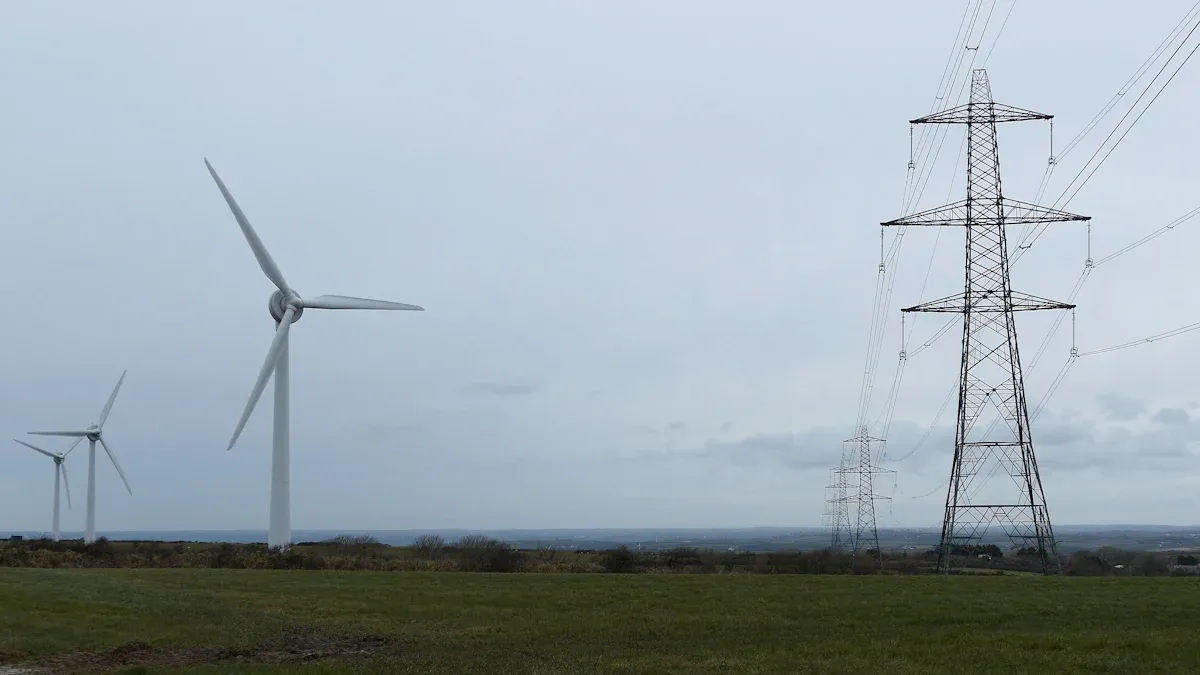
You depend on varistors to keep your electronics safe from transient events and overvoltage. These devices clamp voltage spikes, absorb excess current, and respond quickly to transient surges. You see fewer failures and lower maintenance costs because varistors improve stability and reliability. Their small size fits easily into modern devices. You benefit from protection in power lines, motor drive systems, and everyday gadgets.
- Protects circuits from transient damage
- Improves reliability and reduces failures
- Fits easily into compact electronics
- Responds fast to transient surges
Next time you choose a device, remember the unseen protection that varistors provide.
FAQ
What happens if you use the wrong varistor in your device?
If you pick a varistor with the wrong voltage rating, your device may not get enough protection. Too low, and it might fail early. Too high, and it may not protect at all.
Can you reuse a varistor after a big surge?
No, you should not reuse a varistor after a major surge. The varistor may look fine, but its ability to protect your device drops. Always replace it to keep your electronics safe.
How do you know when a varistor needs replacing?
You may notice your device acting strange or failing to power on. Sometimes, you see burn marks or a cracked varistor. If you suspect damage, replace the varistor right away.
Where should you place a varistor in a circuit?
- Place the varistor as close as possible to the power input.
- This spot helps it react quickly to voltage surges.
- Always follow the manufacturer’s guidelines for best results.