Choosing Your Sound A Guide to Tubes and Transistors
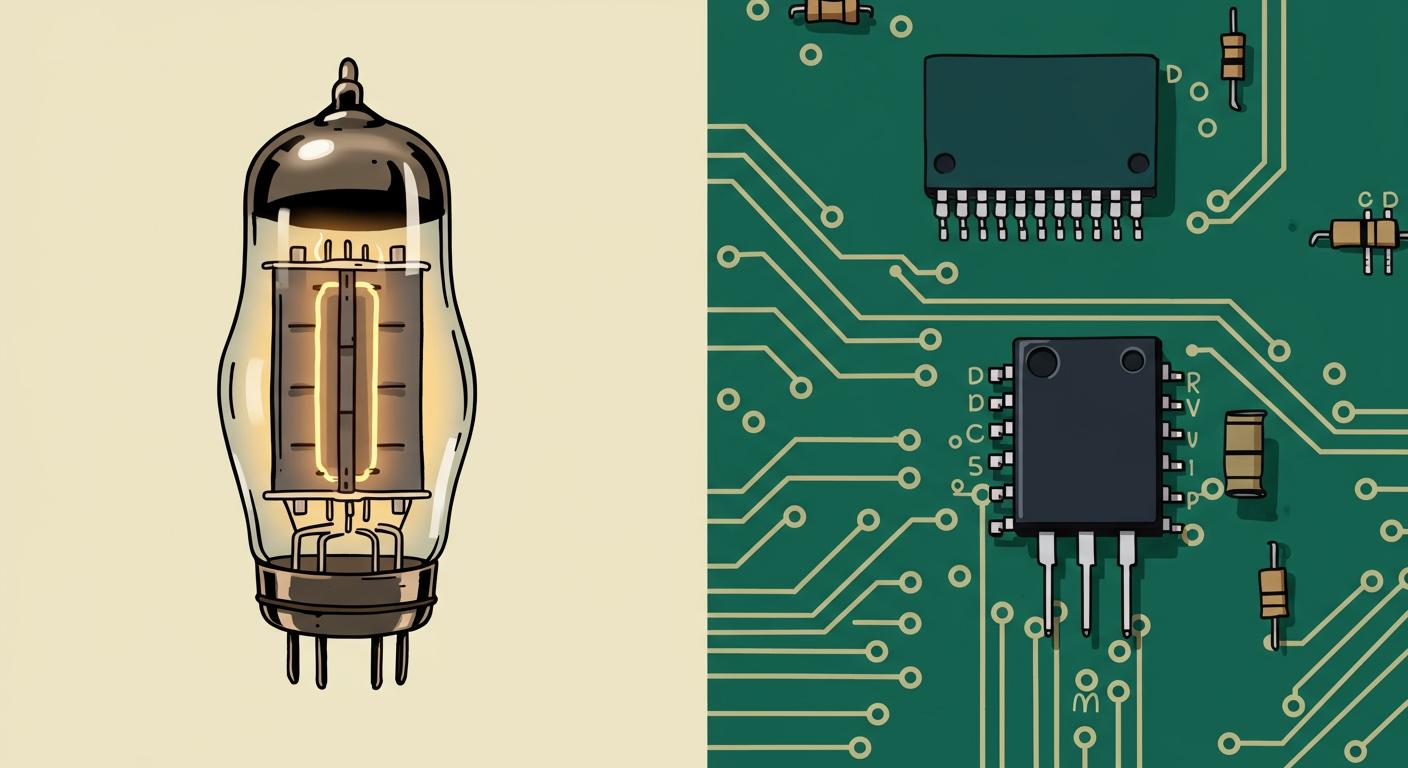
The debate of tubes vs. transistors has no single winner. The right choice in audio depends on a listener's taste in music. A tube amplifier creates a unique listening experience. The single vacuum tube adds a pleasant warmth to the audio. This tube sound differs from solid-state amplifiers. Transistors deliver a very clean and accurate signal. A solid-state amp reproduces music with high precision. The tube vs solid-state decision shapes a user's entire audio experience. Many people prefer solid-state for its clarity.
Key Takeaways
- Tube amplifiers make music sound warm and rich. They add a special color to the sound that many people like.
- Transistor amplifiers make music sound very clear and accurate. They play the music exactly as it was recorded.
- Tube amps need new tubes every few years. Transistor amps usually do not need much care.
- Tube amps cost more to buy and to keep working. Transistor amps are often cheaper and easier to use.
- Your choice depends on what sound you like best. You can pick tubes for a warm sound or transistors for a clear sound.
The Sound: Tubes vs. Transistors
The core difference in the tubes vs. transistors debate lies in how they shape sound. An amplifier's job is to make an audio signal stronger. The technology it uses for this task defines its sonic character. This choice between a tube vs solid-state design profoundly impacts the final audio experience. Listeners often choose based on the specific quality they value most in their music.
The Warmth of a Vacuum Tube
Tube amps are famous for their signature warmth. This sound is not just a feeling; it comes from a technical process. Vacuum tubes introduce a specific type of coloration called even-order harmonic distortion. This process adds new frequencies to the original audio signal.
- Harmonic Content: Vacuum tubes generate even-order harmonics (2nd, 4th, 6th) that are mathematically related to the original note. These harmonics are often considered musical and pleasant to the human ear.
- Timbre Alteration: This distortion directly alters a sound's timbre, or character. It can add body and richness, making instruments sound fuller and more alive. Engineers often use tube amplification to make a bass guitar more audible on small speakers.
- Famous Tube Sound: Certain vacuum tubes are legendary for this effect. The 300B vacuum tube, for example, is highly sought after by audio enthusiasts for its ability to produce an exceptionally natural and harmonically rich sound, especially in the midrange.
When pushed hard, tube amps exhibit a "soft-clipping" behavior. The audio signal distorts gradually and smoothly. This creates a natural compression that many listeners find pleasing. It avoids the harshness that can occur when other amplifiers are overdriven. This quality makes tube amps very dynamic and responsive.
The Clarity of Transistors
Transistors offer a different path to high-fidelity audio. Solid-state amplifiers are engineered for precision and accuracy. Their goal is to amplify the audio signal with as little alteration as possible. This results in a clean, uncolored sound that faithfully reproduces the original recording.
What is THD? Total Harmonic Distortion (THD) measures the amount of unwanted distortion an amplifier adds. High-quality solid-state amps have incredibly low THD ratings. For example, a quality amplifier might show a THD of just 0.0035%. This means the distortion is so quiet it becomes very difficult for the human ear to perceive.
The superior sound quality of transistors shines in their transient response. This is how quickly the amplifier reacts to sudden changes in the music.
- Lightning-fast transistors respond instantly to complex musical signals.
- This quickness prevents distortions that can occur with slower components.
- The result is exceptional detail and accuracy, especially in busy musical passages.
This high-fidelity approach makes solid-state amps ideal for certain genres. Pop music, big band jazz, and electronic music benefit from the clean signal and low distortion. The clarity of transistors ensures that every note and instrument is heard exactly as the artist intended. Many people choose solid-state for its pure fidelity.
Soundstage and Headroom
Soundstage refers to the three-dimensional sense of space in a recording. It is the listener's ability to perceive the location of instruments in a room. Both tube amps and transistor amps can create an expansive soundstage. However, the way they handle power affects the perception of space and dynamics.
Tube amps are known for having impressive "headroom." This term describes how an amplifier handles loud, dynamic peaks in music before it starts to distort.
| Feature | Tube Amplifiers (Overdriven) | Solid-State Amplifiers (Overdriven) |
|---|---|---|
| Clipping Behavior | Gradual, soft clipping | Hard, abrupt clipping |
| Harmonic Content | Produces musically pleasing even-order harmonics | Produces dissonant odd-order harmonics |
| Perceived Sound | Warm, rich, and compressed | Harsh, buzzy, and often described as "fizzy" |
Because tube amps distort in a gradual and musical way, they often sound subjectively louder and more dynamic than their power rating suggests. This soft clipping adds a richness that keeps the audio from sounding harsh, even at high volumes. This dynamic range allows the music to feel powerful and expansive. Transistor amps, while highly linear within their power range, can clip abruptly when pushed too far, which can sound less pleasant. This difference in handling power is a key factor in the unique sound quality of each technology.
Performance: Tube vs Solid-State
Beyond the sonic signature, the practical performance and ownership experience of tube vs solid-state amplifiers are vastly different. The debate of tubes vs. transistors extends into daily use, maintenance, and cost. An owner's choice impacts everything from the electricity bill to the physical space required for their audio setup. These factors are just as important as sound quality when selecting the right amplification.
Power and Efficiency
Power and efficiency represent a major dividing line between the two technologies. Transistors are champions of efficiency. Solid-state amplifiers convert a high percentage of electricity into output power, generating very little waste heat. This makes solid-state designs more powerful for their size and weight. They consume less electricity and often run cool to the touch.
Tube amplifiers, in contrast, are known for their power inefficiency. A significant amount of energy is lost as heat, which is why tube amps run hot and require good ventilation. This means a solid-state amp will typically deliver more watts per dollar and consume less power than a comparable tube amp. However, wattage ratings do not tell the whole story. A powerful amplifier is crucial for handling musical peaks without distortion, which can prevent speaker damage.
Manufacturers often suggest a wide power range for speakers, but more power generally allows for better performance. The larger the amplifier, the less chance it will clip and cause damage to the audio equipment. This is where the high power of solid-state designs provides a clear advantage for driving difficult speakers.
Owning Vacuum Tubes
The ownership experience for solid-state gear is typically maintenance-free. Transistors have an extremely long lifespan and require no user intervention. Owning tube equipment, however, is a more hands-on hobby. The vacuum tubes themselves are consumable parts with a finite life.
The lifespan of a vacuum tube varies. A generic power tube might last for around 2,500 hours of use. Premium vacuum tubes, such as certain Sophia Electric models, are rated for a mean lifespan of 7,000 hours, potentially lasting between 5,000 and 10,000 hours. For someone listening a few hours a day, this means replacing vacuum tubes every few years. Listeners must learn to spot the signs of a failing tube.
Symptoms of a Failing Tube:
- 🔊 Sonic Issues: A failing tube often causes problems in one speaker, such as hissing, static, humming, or popping sounds. The audio might become distorted, muffled, or lose its bass response.
- 💡 Visual Clues: A tube that has lost its vacuum will have a white, powdery coating inside the glass. A dead tube will also show no filament glow when the amplifier is on.
After replacing power vacuum tubes, many tube amps require a process called re-biasing. This adjusts the electrical current to the new tube. For an amplifier with trim pots, a technician can perform this service in about five minutes. Some tube amplifiers, however, are designed to work with a wide range of vacuum tubes and do not need biasing at all. While vacuum tubes are more fragile than transistors, they are often more tolerant of electrical overloads and voltage spikes.
Cost and Practicality
Cost and practicality are often the deciding factors for many audio enthusiasts. Transistor amps generally offer more value and convenience. Solid-state technology is easier to mass-produce, resulting in a lower initial cost for the consumer. These amplifiers are also more compact and lightweight, making them easier to place in a living room or media center.
Tube gear represents a different kind of investment. Tube amplifiers are typically heavier and bulkier due to their large power transformers and the physical space the vacuum tubes occupy. The initial purchase price is often higher than for a solid-state amplifier with similar power output. The ongoing cost of tube amplification is also a consideration. A full set of four power vacuum tubes for a 100W amplifier can cost around $100. The average cost for a high-quality matched pair of power vacuum tubes is often over $100. This recurring expense is a fundamental part of owning tube amps. The choice between tube vs solid-state technology therefore involves balancing budget and convenience against the unique audio character that tube amplification provides.
Making Your Choice in Audio
Deciding between a tube and solid-state amplifier shapes a listener's entire audio experience. The final choice depends on personal priorities for sound and music. Some audiophiles seek character, while others demand precision. Understanding these goals makes the decision clearer.
Choose Tubes for Character
Listeners should choose tube amps for a unique sonic personality. Tube amplifiers add warmth and richness to audio, creating an engaging and musical presentation. This choice is for those who value feeling over pure technical accuracy in their music. However, pairing speakers with tube amps requires care. A poor match can cause several audio problems.
- A weak soundstage where the music does not feel spacious.
- Bloated or uncontrolled bass notes.
- The midrange sound disappearing when bass notes hit.
- Harsh high frequencies when the music gets loud.
A successful tube setup delivers a magical audio experience, but it requires thoughtful system matching. The right tube makes music feel alive.
Choose Transistors for Precision
Listeners should choose transistor amps for accuracy and power. Solid-state designs excel at reproducing music with extreme clarity and very low distortion. These amplifiers deliver the audio signal exactly as the artist intended. Transistors provide the clean power needed for complex music and demanding speakers. The solid-state approach ensures every detail in a recording is heard. For many, the pure fidelity of solid-state transistors is the ultimate goal in audio. Transistor amps offer a transparent window into the music.
What About Hybrid Amps?
Hybrid amplifiers offer a compelling middle ground for audiophiles. These designs combine the strengths of both technologies. They seek to blend the warmth of a tube with the power of solid-state transistors. This makes them a popular choice in high-end audio equipment. A hybrid amp uses different components for different jobs.
- Tube Preamp Stage: This part provides the musical warmth and rich harmonics that make tube amps so desirable.
- Solid-State Power Amp Stage: This section delivers high power, control, and efficiency, which are hallmarks of solid-state transistors.
This combination gives listeners a taste of the classic tube sound without sacrificing the precision and power of a solid-state amplifier. Hybrid tube amplifiers represent a balanced approach to audio reproduction.
The best amplifier choice is subjective. It depends on a listener's priorities for their audio. The decision balances the unique warmth of tubes against the clean power of transistors. Some listeners feel tubes provide more space between instruments in the music. The ultimate audio experience comes from personal testing. A listener should audition different amplifiers with their favorite music. This process helps create the perfect personal listening experience.
FAQ
### Is one better for certain music genres? 🎵
Tube amps often enhance genres like jazz, blues, and vocal-centric music with their warmth. Solid-state amps handle complex, fast-paced music like electronic, metal, or large orchestral pieces with superior clarity and control. The choice depends on the listener's primary music taste.
### How long do tubes last?
A vacuum tube's lifespan varies. Most power tubes last for 2,000 to 5,000 hours of use. Premium tubes can last longer. Solid-state transistors, by contrast, have an extremely long lifespan and typically do not require replacement during the amplifier's lifetime.
### Do tube amps get hot?
Yes, tube amplifiers generate significant heat as a byproduct of their operation. They require ample open space for proper ventilation to prevent overheating. Solid-state amplifiers are far more efficient and run much cooler, allowing for more flexible placement in cabinets or racks.
### Can a listener mix tube and solid-state gear?
Yes, mixing components is a popular strategy. An audio system can use both technologies to achieve a desired sound.
- A tube preamplifier can add warmth to the signal.
- A solid-state power amplifier can provide clean, efficient power. This combination creates a hybrid system.