Understanding Automotive Relays and Their Role in Modern Vehicles
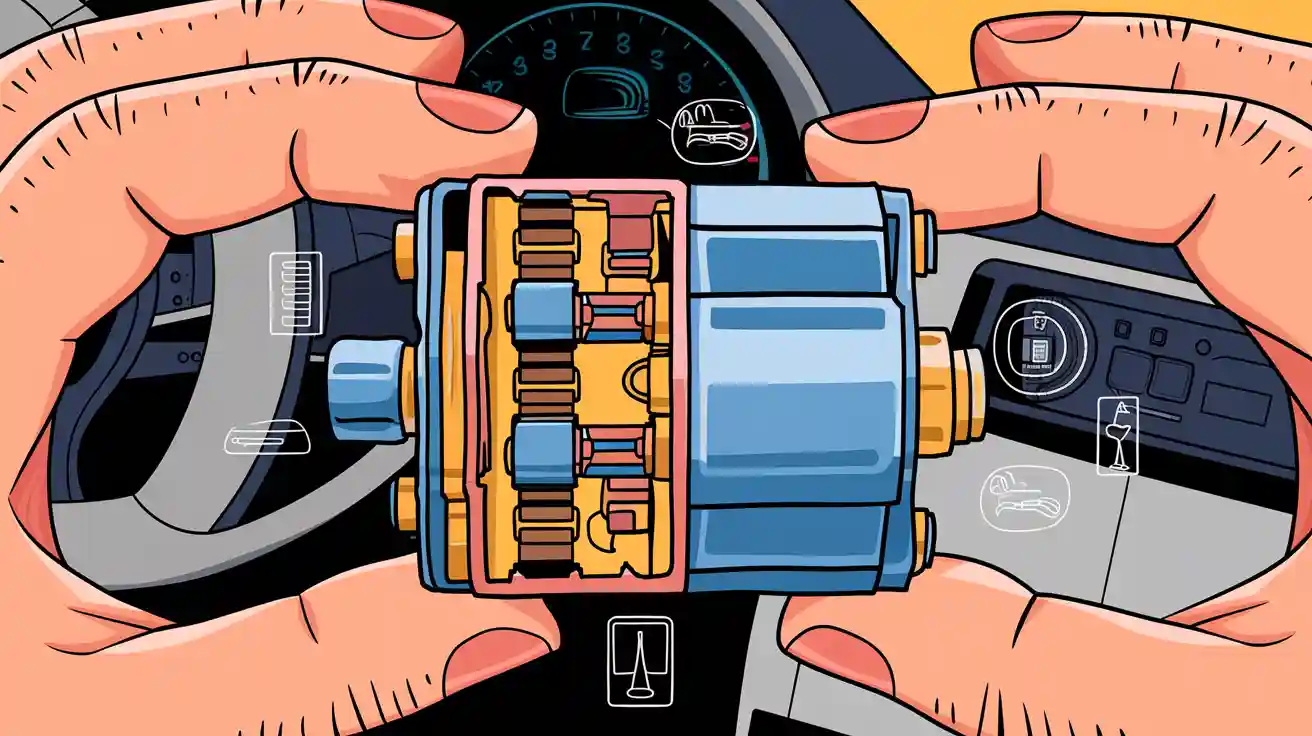
You rely on the automotive relay every time you turn on your headlights or start your vehicle. This small device acts like a gatekeeper, letting a low-power signal control a high-power circuit. Relays help your automotive systems run safely and efficiently. Modern relays, including smart types, offer better durability and diagnostics.
| Evolution Aspect | Description |
|---|---|
| Integration of Smart Relays | Smart relays can be controlled and monitored by the vehicle's onboard computer, enhancing diagnostics. |
| Improved Durability | Modern relays are designed to withstand harsh conditions, ensuring reliability throughout the vehicle's lifespan. |
| Enhanced Diagnostics | Smart relays provide valuable data to the ECU for quicker identification of electrical issues. |
Key Takeaways
- Automotive relays act as switches that control high-power devices with low-power signals, ensuring safety and efficiency in your vehicle.
- Regular maintenance and checks of relays can prevent common issues, extending the lifespan of your vehicle's electrical systems.
- Choosing the right type of relay for specific tasks is crucial for optimal performance and reliability in automotive applications.
- Smart relays enhance diagnostics and control, allowing for quicker identification of electrical issues and improving overall vehicle performance.
Automotive Relay Basics
Definition
You can think of an automotive relay as a small but powerful helper in your vehicle. It acts as an electrically operated switch. When you press a button or turn a key, you send a small electrical signal to the relay. This signal tells the relay to open or close a much larger circuit. The relay lets a low-power control circuit manage a high-power device, like your headlights or starter motor.
- Automotive relays are designed, produced, and quality assured according to the specifications set by manufacturers for vehicle installation.
- You find these relays in almost every modern automotive system, from lighting to fuel pumps.
- The main function of an automotive relay is to protect sensitive switches and wiring from high currents.
Structure: Coil and Contacts
Every relay has a few important parts that work together to control electricity. Here is a simple table that shows the main components and what each one does:
| Component | Function |
|---|---|
| Coil | Generates a magnetic field when energized, attracting the armature. |
| Armature | Moves to close the contacts when the coil is energized, allowing current to flow. |
| Contacts | Open or close the circuit, controlling the flow of a larger current to the device. |
| Housing | Protects internal components from environmental factors like dust and moisture. |
The coil sits inside the relay and waits for a signal. When you activate a switch, the coil creates a magnetic field. This field pulls the armature, which then moves the contacts. The contacts either connect or disconnect the high-power circuit. The housing keeps everything safe from dirt and water.
Operation
You might wonder, how do relays work in your car? When you turn on a device, like your headlights, a small current flows to the relay’s coil. This current is not strong enough to power the headlights directly. Instead, it triggers the coil to create a magnetic field. The magnetic field pulls the armature, which closes the contacts. Now, a much larger current can flow through the contacts to power the headlights.
This process keeps your switches and wiring safe from overheating. It also makes your vehicle more reliable. You can control powerful devices with just a small push of a button. Many automotive relays work this way, making them essential for modern vehicles.
Tip: If you ever ask, "how do relays work?" remember that they use a small signal to control a big job. This simple action protects your car and makes it easier to use.
Automotive relays help you manage many systems in your vehicle. They make sure each device gets the right amount of power. When you ask, "how do relays work?" you can now picture the coil, armature, and contacts working together. The function of each part is important for the whole system. You depend on these relays every time you drive.
Automotive Relay Benefits
Efficiency
You depend on relays to make your vehicle run smoothly. Relays help you control many functions with less effort. When you turn on your headlights or use the air conditioning, relays let small switches handle big jobs. This means you do not need thick wires running all over your car. You save space and weight, which improves fuel efficiency. Relays also help your engine management system work better. The engine management system uses relays to control fuel pumps, fans, and sensors. These functions keep your engine running at its best. You get better performance and use less energy.
Tip: Relays reduce the load on your switches and wiring. This makes your vehicle more efficient and easier to maintain.
Safety
Relays play a big role in keeping you safe. They protect your vehicle’s electrical system from damage. When you use relays, you lower the risk of overheating wires and switches. This helps prevent fires and other dangers. The engine management system relies on relays to control safety features like anti-lock brakes and airbags. If a relay fails, you may notice warning lights or loss of important functions. You can trust relays to keep your vehicle’s safety systems working when you need them most.
| Safety Functions | How Relays Help |
|---|---|
| Headlights | Reliable on/off control |
| Fuel Pump | Safe power delivery |
| Engine Sensors | Accurate engine management |
| Airbags | Quick response in emergencies |
Longevity
Relays add years to your vehicle’s life. They protect sensitive parts from high currents. When relays handle the heavy work, your switches and wiring last longer. The engine management system depends on relays for reliable operation over time. You avoid costly repairs because relays shield your vehicle’s electronics. The reliability and longevity of relays mean you spend less time in the repair shop. You enjoy more time on the road with fewer problems. The functions of car relays support the long-term health of your automotive systems.
Note: Regular checks of your relays help maintain reliability and keep your vehicle running strong.
Types of Automotive Relays
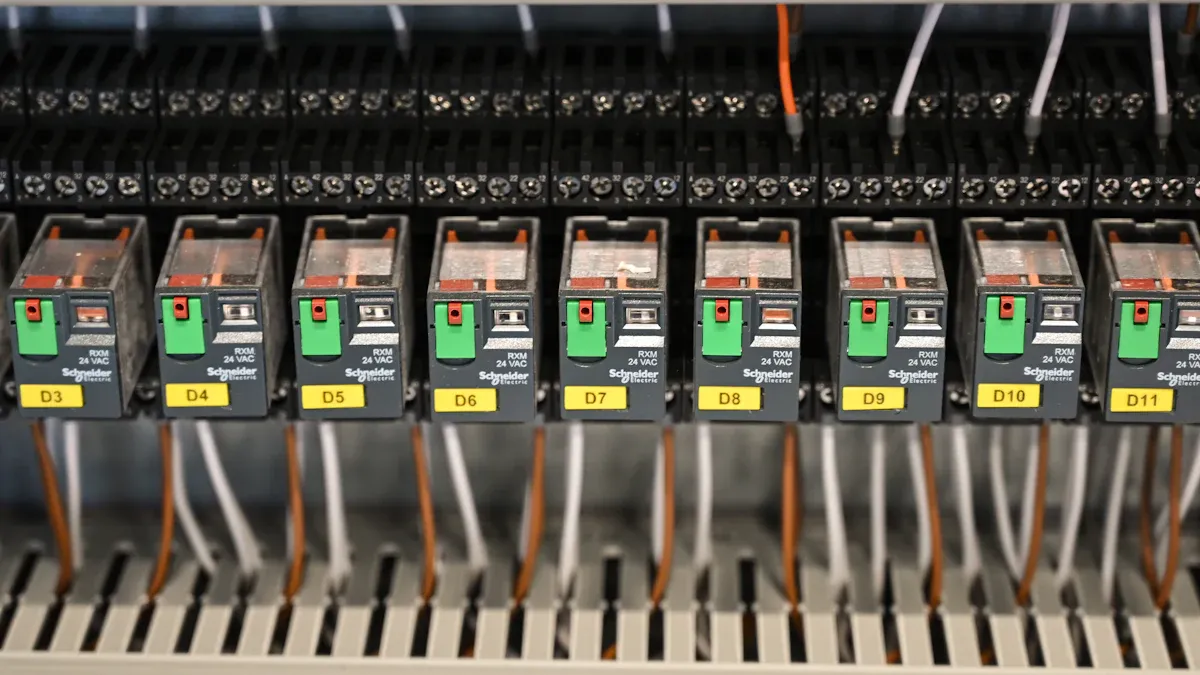
When you look at the electrical system in your vehicle, you will find several types of automotive relays. Each relay has a special job and helps your car run smoothly. Let’s explore the main types of automotive relays you might see in relay boxes.
Standard Relays
Standard relays are the most common type you will find in relay boxes. These relays use a coil and moving contacts to switch circuits on or off. When you turn on your headlights or start your engine, a standard relay helps control the power. You can trust these relays for basic tasks like running fans, fuel pumps, or lights. They work well for most automotive needs and last for many cycles.
Solid-State Relays
Solid-state relays use electronic parts instead of moving contacts. You will notice these relays in newer relay boxes because they offer many benefits. Solid-state relays switch much faster than standard relays. They use less power and make almost no noise. You can count on them to last longer, even in harsh conditions. Here is a table that shows how solid-state relays compare to traditional relays:
| Feature | Solid-State Relay (SSR) | Electromechanical Relay (EMR) |
|---|---|---|
| Switching Speed | Extremely fast | Slower |
| Power Consumption | Low | Higher |
| Noise Generation | Minimal | Noticeable |
| Lifespan | Millions of cycles | Limited cycles |
| Shock/Vibration Resistance | Exceptional | Vulnerable |
Solid-state relays work well in relay boxes that need to handle lots of switching or tough environments. You will see them in advanced systems where reliability matters most.
Time Delay Relays
Time delay relays add a timer to the switching process. When you use these relays, you can control how long a device stays on or off. For example, a time delay relay in relay boxes might keep your headlights on for a few seconds after you turn off the ignition. These relays help with comfort and safety features in your vehicle.
Relay Applications
You will find relay boxes in many parts of your vehicle. These boxes hold different relays for jobs like running the starter motor, controlling the air conditioning, or powering the wipers. The types of automotive relays you choose depend on the job. Using the right relay in relay boxes helps your car run better and last longer.
Tip: The advantages of ecu relay control include faster response and better protection for sensitive electronics. When you use the right relay in relay boxes, you help your automotive systems work at their best.
Relay Issues and Troubleshooting
Common Problems
You may face several common problems with automotive relays in your vehicle. These issues can affect how your car starts, runs, or powers its electrical systems. The most common problems with automotive relays include:
- Worn or pitted contacts inside the relay, which can stop the flow of electricity.
- Corrosion or dirt buildup that blocks the relay from working.
- Overheating due to using the wrong relay or overloading it.
- Mechanical failure from vibration or impact.
- Short circuits that keep the relay stuck in the "on" or "off" position.
Relays can fail after years of use or because of harsh conditions under the hood. You should know these problems so you can spot trouble early.
Note: The purpose of automotive fuse is to protect circuits from damage. If a fuse blows often, a faulty relay may be the cause.
Symptoms
When a relay starts to fail, your vehicle will show signs. Watch for these symptoms:
- Unresponsive ignition switch when you turn the key.
- Intermittent starting, where the engine only starts sometimes.
- Engine stalling while driving, especially if the relay controls the fuel pump or ignition.
- Drained battery, which can happen if a shorted relay keeps power flowing when the car is off.
You may also notice flickering lights or devices that stop working. These signs help you find relay problems before they get worse.
Tip: If you see these symptoms, check both the relay and the purpose of automotive fuse in the affected circuit.
Diagnosis
You can diagnose relay issues with a few simple steps. Start by listening for a clicking sound when you activate the switch. Most relays make a click when they work. If you do not hear this, the relay may be bad.
Next, swap the suspect relay with another one of the same type from your relay box. If the problem moves to a new system, you have found the faulty relay.
You can also use a relay tester or a multimeter to check for power at the relay terminals. This helps you find out if the relay is getting power and sending it to the device.
Here is a table that shows how proper testing can help you save time and money:
| Impact Area | Description |
|---|---|
| Diagnostic Accuracy | Relay testers help you find relay issues quickly and accurately. |
| Downtime and Repair Costs | Accurate testing lowers costs by avoiding guesswork and repeated repairs. |
| Preventive Maintenance | Early detection of relay failures keeps your vehicle running longer. |
Callout: Always check the fuse first. If the fuse is good, move on to the relay.
Fixes
You can fix most relay problems by following these steps:
- Choose the right relay for the job. Always match the relay to the system's needs.
- Wire the relay correctly. Double-check all connections.
- Use a control circuit that matches the relay's rating.
- Avoid overloading the relay. Never connect more devices than the relay can handle.
- Protect the relay from mechanical stress. Secure it in place.
- Perform regular maintenance. Check relays for signs of wear or corrosion.
- Replace relays before they reach the end of their life.
- Never modify a relay. Use it as designed.
If you follow these steps, you can keep your relays working well and avoid bigger problems in your automotive systems.
Reminder: Relays and fuses work together to protect your vehicle. Always use both for the best safety.
Choosing and Maintaining Relays
Selection Tips
When you choose a relay for your automotive needs, you want to make sure it fits the job. Not all relays work the same way. You should look at a few important factors before you pick one:
- Check the electrical load. Make sure the relay matches the voltage and current your system needs. Some relays handle small loads, while others can manage much bigger ones.
- Pick the right relay type. You might need a plug-in relay, a PCB relay, or a solid-state relay. Each type works best in different situations.
- Look at the terminal type. Some relays use blade terminals, others use pins or screws. Choose the one that fits your wiring.
- Think about the environment. If your relay will face high temperatures, moisture, or lots of vibration, pick one built for tough conditions.
Choosing the right relay helps your systems work better and last longer.
Maintenance
You can keep your relays working well with a few simple steps. Good maintenance means fewer problems and a longer life for your relay.
- Keep the temperature under control. Make sure your relay has good airflow. Use heat sinks if you expect high currents.
- Check the voltage often. Use voltage regulators and test your power source to avoid damage.
- Manage the load. Do not overload your relay. Use snubber circuits if you have inductive loads.
- Inspect your relays regularly. Clean the contacts and test the relay to make sure it works.
Tip: Regular checks and cleaning help prevent relay failure and keep your automotive systems safe.
Safety
You should always put safety first when working with relays. Turn off the power before you touch any relay. Use the right tools and follow the instructions for your relay. If you notice signs of wear or damage, replace the relay right away. Reliable relays protect your vehicle and keep you safe on the road. Never try to fix a damaged relay—always use a new one for the best results.
You play a key role in keeping your vehicle safe and efficient by understanding the value of the automotive relay. Industry experts note that smart relays can improve response times by up to 50%, boost energy efficiency, and support new trends like miniaturization and V2X communication. Regular checks and choosing the right relay help you avoid common problems. You can follow best practices, such as using quality materials and managing temperature, to ensure reliable operation.
| Best Practice | Benefit |
|---|---|
| Monitor coil resistance | Prevents relay failure |
| Improve heat dissipation | Reduces risk of overheating |
| Maintain environmental range | Extends relay and vehicle lifespan |
When you understand relays, you help your automotive systems work better and last longer.
FAQ
What does an automotive relay do?
An automotive relay lets you control a high-power device with a low-power switch. You use relays to turn on things like headlights, fuel pumps, or fans without heavy wiring or big switches.
How can you tell if a relay is bad?
You might notice things like flickering lights, a car that will not start, or devices that stop working. Listen for a clicking sound when you use the switch. No click often means the relay failed.
Can you replace a relay yourself?
Yes, you can replace most relays yourself. Find the relay box, pull out the old relay, and push in a new one of the same type. Always turn off the car before you start.
Why do modern cars use smart relays?
Smart relays give you better control and faster response. They help your car’s computer monitor systems and spot problems quickly. You get more reliable performance and easier troubleshooting.