Temperature Fuses Explained for Safer Electrical Devices
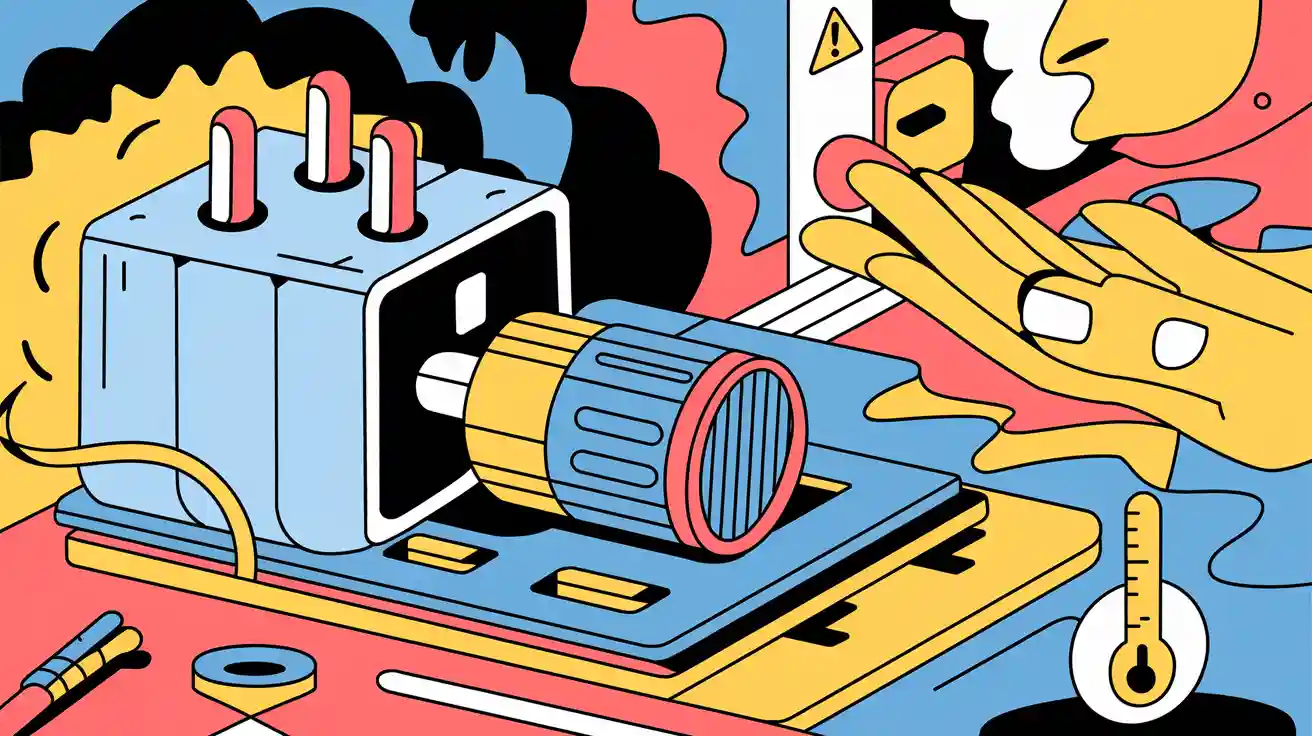
Imagine a clothes dryer running too long—suddenly, the machine gets too hot. Without a safety device, this could lead to fire hazards. Temperature fuses act as a safety component that stops electrical flow when devices overheat. This small part helps in preventing overheating and fire by breaking the circuit if the temperature goes beyond safe limits. Every electrical device needs a safety feature like this to protect against overheat risks. People should check if their devices have temperature fuses to stay safe.
Key Takeaways
- Temperature fuses stop electrical flow when devices get too hot, preventing fires and damage.
- They work by melting a heat-sensitive material that breaks the circuit when temperature exceeds safe limits.
- Thermal fuses cannot be reset and must be replaced after they blow to keep devices safe.
- Signs of a bad fuse include no power, no heat, burning smells, or no continuity on a multimeter test.
- Always choose the right fuse rating and type for your device and environment to ensure reliable protection.
What Are Temperature Fuses?
Thermal Fuse Basics
A temperature fuse, often called a thermal fuse, acts as a safety device in many electrical appliances. It helps prevent overheating by stopping the flow of electricity when the temperature goes above a safe level. This device protects people and property from fire hazards. When a problem like a broken thermostat happens, the thermal fuse disconnects the power to the heating element. This action keeps the appliance from reaching dangerous temperatures and causing damage.
Thermal fuses come in different designs. Some use a metal case, movable contacts, springs, and a special organic compound that senses heat. Others use a porcelain tube, lead wires, and a fusible alloy that melts at a certain temperature. The metal case holds the parts together and helps the fuse react quickly to heat. The porcelain tube type uses a mixture that prevents the fuse from melting or oxidizing too soon.
- Common materials in thermal fuses:
- Metal case for strength and heat transfer
- Movable contacts and springs for quick action
- Temperature-sensitive organic compound or fusible alloy for sensing heat
- Porcelain tube for insulation and protection
Thermal fuses work within a wide temperature range. Many models operate between 65°C and 285°C, with a small margin of error. The fuse activates only when the temperature goes above the set limit, usually 10°C to 25°C higher than the normal working temperature. This safety margin ensures the fuse does not blow during regular use but will act fast if overheating occurs.
Tip: Always check the temperature rating of a thermal fuse before using it in an appliance. The right rating ensures proper protection and safe operation.
Thermal Fuse vs. Other Fuses
Thermal fuses differ from standard electrical fuses in several ways. While both types protect devices, they respond to different dangers.
-
Thermal fuses:
- Interrupt electric flow when a certain temperature is reached
- Used in devices where overheating can cause fires or serious damage
- Cannot be reset; must be replaced after they blow
- Protect against heat, not just electrical current
-
Standard electrical fuses:
- Contain a metal element that melts when current exceeds safe levels
- Protect against short circuits and overloads
- Can be replaced after operation
- Respond to current, not temperature
Thermal fuses also differ from thermal relays. Thermal relays use bimetal strips that react to heat from electrical current, while thermal fuses respond directly to the temperature around them.
The table below compares different types of fuses and highlights how thermal fuses stand out:
| Fuse Type | Key Characteristics | Typical Use Cases | Comparison to Thermal Fuse |
|---|---|---|---|
| Ultra-Rapid Fuses | Instant response, protects sensitive electronics | Delicate electronic equipment | Thermal fuses respond to temperature, not current; single-use and temperature-sensitive |
| Fast Acting Fuses | General-purpose, balance of speed and durability | Household and commercial electrical systems | Thermal fuses provide heat-based protection, unlike current-based fast acting fuses |
| Slow Acting Fuses | Delay mechanism to tolerate short surges | Circuits with motors or momentary spikes | Thermal fuses do not tolerate surges; they blow on temperature threshold only |
| AC Fuses | Designed for alternating current, high arc resistance | Household and industrial AC systems | Thermal fuses protect against overheating, not electrical arc or current direction |
| DC Fuses | Designed for direct current, voltage rated | Solar power, electric vehicles | Thermal fuses are not voltage/current specific but temperature sensitive |
| Cylindrical & HRC | Basic cylindrical shape; HRC has high rupturing capacity | General electrical protection | Thermal fuses are single-use and temperature triggered, unlike these current fuses |
| Car Fuses | Blade, bolt-down, cartridge types for automotive use | Automotive electrical systems | Thermal fuses protect from overheating, car fuses protect from overcurrent |
| Bolted Tag, Bottle, Cartridge | Industrial and general use, varying installation methods | Industrial and commercial applications | Thermal fuses are compact, single-use, temperature sensitive |
| Tag Fuses | Metal tags for connection, various tag positions | Electrical connections requiring secure fuse | Thermal fuses differ by being temperature sensitive and non-resettable |
| Thermal Fuses | Temperature-sensitive, single-use | Household appliances (coffee machines, dryers) | Provide heat-based protection, must be replaced after blowing |
| SMD Fuses | Surface mount, resettable/non-resettable options | Printed circuit boards | Thermal fuses are single-use and temperature triggered, SMD fuses respond to current |
| Striker Fuses | Spring-loaded indicator for blown fuse | Industrial safety applications | Thermal fuses do not provide mechanical indication, only temperature-triggered |
| Type C, D, F Fuses | Miniature circuit breakers with different trip levels | Residential, commercial, industrial circuits | Thermal fuses protect from heat, MCBs protect from overcurrent with reset capability |
Thermal fuses play a unique role in electrical safety. They provide protection against overheating, which standard fuses cannot do. This makes them essential in many household and industrial devices.
How Does a Thermal Fuse Work?
Internal Mechanism
A thermal fuse uses a simple but effective process to keep electrical devices safe. The fuse sits inside the device and allows electrical current to flow during normal operation. As the device runs, the thermal fuse monitors the temperature. If overheating occurs, the temperature inside the device rises above the fuse's rated limit. At this point, a special material inside the fuse, often a metal alloy, melts. This melting action breaks the electrical circuit and stops the flow of current. The device then shuts down, which prevents further overheating and possible damage.
Here is how the internal mechanism works step by step:
- The thermal fuse lets electrical current pass through when the device operates normally.
- The fuse keeps track of the temperature as the device heats up.
- When the temperature goes above the safe limit, the temperature-sensitive material inside the fuse melts.
- The melting material breaks the circuit and stops the current.
- The device shuts off, stopping overheating and protecting against fire or damage.
Note: The thermal fuse is a single-use safety device. Once it activates, it cannot be reset and must be replaced to restore protection.
Circuit Protection
The thermal fuse provides critical protection for electrical devices. It acts as a safety guard that cuts off power when it detects excessive heat. This action prevents overheating and reduces the risk of fire hazards. The fuse contains a temperature-sensitive element that melts or changes shape at a set temperature. When this happens, the electrical connection breaks, and the device loses power.
- The thermal fuse responds to temperature, not electrical current. This makes it different from standard fuses, which react to too much current.
- After activation, the fuse must be replaced. It does not reset itself.
- Many household appliances, industrial machines, and automotive systems use thermal fuses for protection. Devices like hair dryers, coffee makers, and HVAC equipment rely on this safety feature.
- By shutting down the device before temperatures become dangerous, the thermal fuse helps prevent fires caused by overheating.
Electrical devices without a thermal fuse face higher risks. Fires can start from high-resistance connections in outlets or switches. These fires may not trigger other safety devices and can go unnoticed for years. Building codes require flame-resistant enclosures to limit damage, but a thermal fuse adds another layer of protection. If an outlet or device becomes hot or burned, it should be replaced to avoid fire risk. While thermal fuses do not prevent fires from wiring faults, they play a key role in stopping overheating in appliances and equipment.
Tip: Always check if your electrical devices have a thermal fuse. This simple step can help prevent overheating and keep your home or workplace safe.
Types and Uses of Temperature Fuses
Common Types
Manufacturers offer several types of thermal fuses to meet different safety needs. Each type works best in certain environments and devices. The table below shows some of the most common types of thermal fuses, their typical operating temperatures, and where they are used:
| Temperature Fuse Type | Typical Operating Temperature | Common Applications |
|---|---|---|
| Low Temperature Fuse | Lower temperature range | Consumer electronics, home appliances |
| Medium Temperature Fuse | Moderate temperature range | Automotive, industrial equipment |
| High Temperature Fuse | High/extreme temperature range | Industrial equipment, power generation |
Other types of thermal fuses include:
- Low voltage fuses
- High voltage fuses
- Organic type thermal fuses
- Temperature ceramic tube fuses
- Radial thermal fuses
Thermal fuses can also be divided into one-time and resettable types. One-time fuses melt a link to stop current and must be replaced after they blow. Resettable fuses, also called PTC fuses, increase resistance when they get hot and return to normal after cooling down. Resettable fuses do not need replacement, but they may not work well in circuits with frequent or long-lasting faults.
Applications
Thermal fuses protect many heat producing electrical appliances and industrial machines from overheating. In homes, people find them in dryers, hair dryers, coffee makers, refrigerators, dishwashers, blenders, vacuum cleaners, sandwich makers, ovens, hot air guns, and power tools. These fuses act as a cutoff for heat producing devices, stopping power if the temperature rises too high. For example, a clothes dryer uses a thermal fuse to prevent fires caused by blocked vents.
In industry, temperature fuses protect equipment such as fryers, conveyor ovens, dish dryers, food warmers, commercial coffee makers, adhesive dispensers, cooling fans, dehumidifiers, electric heaters, vacuum pumps, freezers, lamination equipment, and printing machines. These devices often run for long periods and can get very hot, so thermal fuses help prevent damage and keep workers safe.
Ambient temperature affects how well a thermal fuse works. High temperatures in the room or device can cause the fuse to trip sooner than expected. Over time, heat can also weaken the fuse, making it less reliable. At very low temperatures, the fuse may become brittle and respond more slowly. Manufacturers provide charts to help choose the right fuse for the environment. Good design includes ventilation or heat sinks to keep fuses working properly.
Tip: Always select the correct type of thermal fuse for the device and its environment. This helps ensure reliable protection against overheating.
How to Tell If the Thermal Fuse Is Bad
Signs of a Blown Fuse
People often wonder how to tell if the thermal fuse is bad in their appliances. Several clear signs can help identify a blown fuse:
- The appliance does not turn on at all. Pressing the power button gives no response because the fuse has cut off the circuit.
- The device runs but does not heat up. For example, a dryer tumbles but produces no heat, or an oven stays cold.
- A burning smell or visible scorch marks appear near the fuse. These signs show the fuse blew due to overheating.
- A continuity test with a multimeter shows no connection. No continuity means the fuse is open and needs replacement.
Tip: If the appliance shows any of these signs, avoid using it until you check the fuse.
Replacing a Thermal Fuse
Replacing a thermal fuse requires careful steps. Follow this guide for safe and effective replacement:
- Unplug the appliance from the power source. Turn off the circuit breaker if needed.
- Locate the thermal fuse. Check the user manual or look near the heating element, exhaust duct, or control panel.
- Remove any panels or covers using a screwdriver. Keep screws in a safe place.
- Disconnect the wires from the old fuse. Use wire cutters if zip ties hold the wires.
- Test the fuse with a multimeter. Place the probes on each terminal. If the reading is above 20 ohms or shows no continuity, the fuse is blown.
- Install thermal fuse of the same rating. Use crimp connectors and a crimping tool for a secure connection. Avoid soldering, as heat can damage the new fuse.
- Secure the wires and replace any insulation with heat shrink tubing.
- Reassemble the appliance and restore power.
Note: Always use a replacement fuse that matches the original rating to maintain safety.
Safety Tips
Proper testing and safety checks protect both the device and the user. Here are important safety tips:
- Always disconnect power before starting any repair.
- Clean the fuseholder and remove corrosion before installing a new fuse.
- Make sure the new fuse fits tightly in its holder.
- Never use a fuse with a higher or lower temperature rating than recommended.
- Avoid using counterfeit or low-quality fuses.
- Do not bypass the fuse for regular use. Only do this briefly for testing, then restore proper protection.
- If unsure about how to reset a thermal fuse or replace it, contact a qualified technician.
⚠️ Incorrect installation or using the wrong fuse can increase fire risk or cause device failure. Always follow manufacturer instructions for safe repairs.
Choosing the Right Temperature Fuse
Selection Factors
Selecting the right temperature fuse helps keep electrical devices safe and reliable. Several important factors guide this choice:
- Rated Current: The fuse should match the device’s normal current. If the current rating is too low, the fuse may blow too soon. If it is too high, the fuse may not protect the device.
- Ambient Temperature: The air temperature around the fuse affects how it works. High ambient temperatures can shorten the fuse’s life and cause it to trip early.
- Time-Current Characteristics: Some fuses act fast, while others delay. Fast-acting fuses work well for sensitive electronics. Time-delay fuses suit devices with motors or heating elements.
- Maximum Fault Current: The fuse must handle the highest possible fault current in the circuit. This prevents damage during a short circuit or overload.
- Rated Voltage: The fuse’s voltage rating must meet or exceed the device’s voltage. A low voltage rating can lead to arcing and unsafe operation.
- Pulse Conditions: Devices with strong start-up pulses need fuses that can handle these surges without blowing.
- Fuse Holder Features: The holder must support the fuse’s ratings and provide a secure fit.
Voltage and current ratings play a key role in fuse selection. The voltage rating shows the highest voltage the fuse can safely interrupt. If the voltage is too high, the fuse may not stop the circuit during a fault. The current rating tells how much current the fuse can carry during normal use. It should be higher than the device’s steady current but not so high that it fails to protect. Environmental factors, such as humidity and the maximum temperature limit, also affect fuse performance.
Tip: Always check the device’s manual for recommended fuse ratings before making a choice.
Where to Buy
Many trusted suppliers offer temperature fuses for home and industrial use. Buyers can find a wide range of options from these sources:
- Jameco Electronics features brands like MEAN WELL, ALTECH, FIBOX, Siglent Technologies, Arduino, LOADSTAR SENSORS, Hammond Manufacturing, and Fastron.
- Johnstone Supply carries Cooper Bussmann, Diversitech, Zebra Instruments, York Parts, ESP, and Fujitsu.
- Littelfuse stands out as a leading manufacturer. They provide many types of fuses, including cartridge, blade, and specialty fuses. Littelfuse products meet industry standards and offer reliable protection.
When buying temperature fuses, shoppers should look for certifications and standards. Important marks include UL for safety, CSA for Canadian use, and NEBS Level 3 for certain projects. Buyers should also check for temperature ratings, flame-retardant properties, and the manufacturer’s reputation.
🔍 Choosing certified and well-known brands helps ensure the fuse will work safely and last longer.
Temperature fuses play a vital role in electrical safety. They monitor device temperatures and quickly stop power when heat levels rise too high. This action prevents overheating of wires and components, which often leads to fire hazards. Regular checks and proper maintenance of temperature fuses help keep homes and workplaces safe. Understanding how these fuses work allows people to protect their devices and reduce the risk of fire.
FAQ
What happens if someone uses the wrong temperature fuse?
Using the wrong fuse can cause the device to overheat or fail. The fuse may blow too soon or not protect the device at all. Always match the fuse rating to the device’s needs.
Can a thermal fuse be reset after it blows?
A thermal fuse cannot be reset. It must be replaced with a new one. This design ensures safety by preventing reuse after overheating.
Where can someone find the thermal fuse in an appliance?
Most thermal fuses sit near the heating element or control panel. The user manual or a diagram on the appliance often shows the exact location.
How often should people check or replace thermal fuses?
People should check thermal fuses during regular maintenance or if the device stops working. Replace the fuse only if it blows or shows damage.
Are thermal fuses safe for all electrical devices?
Thermal fuses work well in most appliances that produce heat. Some devices may need special types. Always check the manufacturer’s recommendations before installing a fuse.