10 Ways Tantalum Capacitors Are Powering Modern Electronics
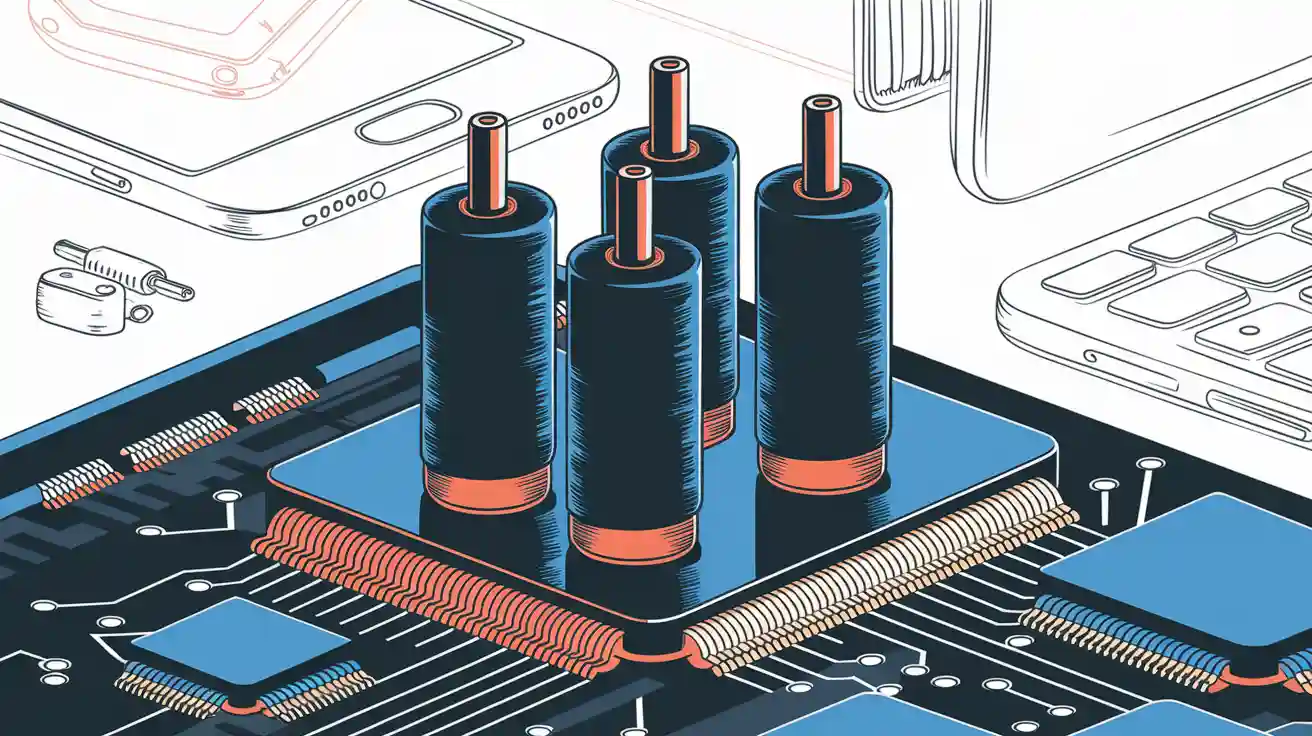
You see tantalum everywhere in modern electric devices, but you might not realize how much it powers your daily life. Tantalum capacitors pack high capacitance into a tiny space, so your phone, car, or smartwatch can run longer and more reliably. These capacitors handle tough electric loads and keep working even when temperatures jump. With the global market for tantalum set to hit $3.49 billion in 2025, industries like automotive, telecommunications, and medical devices all depend on these electric components for their major applications.
Key Takeaways
- Tantalum capacitors are essential for modern electronics, providing high capacitance in a compact size, which enhances device performance and battery life.
- These capacitors are highly reliable, with self-healing properties that reduce leakage and ensure safety in various applications, from consumer electronics to medical devices.
- Tantalum capacitors excel in extreme conditions, maintaining stable performance in temperatures ranging from -80°C to +125°C, making them ideal for automotive and aerospace industries.
- The demand for tantalum capacitors is growing, with the market projected to reach $3.49 billion by 2025, driven by advancements in technology across multiple sectors.
- Choosing tantalum capacitors for your designs can lead to more efficient, durable, and compact electronic devices, ensuring they perform reliably over time.
Tantalum Capacitor Basics
Structure and Function
When you look inside your favorite gadgets, you might spot a tiny but powerful part called a tantalum capacitor. This little component starts with tantalum powder. Manufacturers press and heat this powder into a solid pellet. That pellet becomes the anode, or the positive side. Next, a thin layer of tantalum pentoxide forms on the surface. This layer acts as the dielectric, which is just a fancy word for the part that stores electric charge. On top of that, a solid manganese dioxide layer serves as the cathode, or the negative side.
Here’s how it all comes together:
- Tantalum powder forms the anode.
- A tantalum pentoxide oxide layer acts as the dielectric.
- Manganese dioxide creates the cathode.
- The oxide layer appears when you apply a positive voltage, making a strong barrier.
- The capacitor works like a sandwich, storing energy between the layers.
This structure lets the tantalum capacitor store a lot of energy in a small space. You get stable performance, even when your device heats up or cools down.
Key Benefits
You might wonder why so many engineers choose tantalum capacitors for modern electronics. The answer comes down to their unique advantages. Check out this table to see what sets them apart:
| Benefit | Description |
|---|---|
| Reliability | Self-healing design lowers leakage and boosts safety. |
| Capacitance Stability | Keeps steady performance across many frequencies. |
| Low ESR | Handles high-frequency signals better than most other capacitors. |
| Low DC Leakage | Blocks unwanted DC voltages, keeping circuits safe. |
| Temperature Performance | Works well even in freezing conditions, down to -80°C. |
You also get small size and high capacitance, which is perfect for your phone or smartwatch. Tantalum capacitors stay stable in tough environments, so they’re a top pick for aerospace and defense. As technology grows, you’ll see tantalum used in even more places.
Major Applications Overview
Industry Sectors
You might be surprised by how many industries rely on tantalum. When you look at your car, your phone, or even medical equipment, you will find these capacitors working hard behind the scenes. Here are some of the biggest sectors using tantalum in 2025:
- Automotive: Cars today use more electronics than ever. Tantalum helps power advanced driver-assistance systems, sensors, and infotainment screens.
- Consumer Electronics: Your smartphone, tablet, and laptop all depend on these capacitors for stable power and long battery life.
- Telecommunications: 5G networks and fast internet connections need reliable components. Tantalum keeps network hardware running smoothly.
- Industrial Equipment: Factories use robots and automation tools that need steady power. Tantalum capacitors help keep these machines working without interruption.
- Medical Devices: Life-saving devices, like pacemakers and monitors, trust tantalum for safety and reliability.
Did you know? Tantalum capacitors are often chosen for their small size and ability to handle tough conditions. That’s why you see them in so many major applications.
Market Growth
The demand for tantalum keeps rising. Experts say the global market for tantalum capacitors will reach $3.49 billion in 2025. This growth comes from new technology in cars, phones, and medical devices. As more industries need smarter and smaller electronics, you will see even more uses for tantalum. Companies want capacitors that last longer and work better, so they keep choosing tantalum for their designs.
If you work with electronics or just enjoy new gadgets, you will notice tantalum playing a bigger role every year.
Automotive Tantalum Capacitors Market
The automotive tantalum capacitors market has exploded in recent years. You see more electronics in every new vehicle, from smart sensors to big touchscreens. Tantalum capacitors help these systems work safely and smoothly, even when your car faces heat, cold, or bumpy roads.
ADAS
Advanced driver-assistance systems, or ADAS, are changing how you drive. These systems use cameras, radar, and sensors to help you stay safe. You might notice lane-keeping alerts or automatic braking in your vehicle. The automotive tantalum capacitors market supports these features by giving you stable power and quick responses.
Why do engineers pick tantalum for ADAS?
- Long life time means fewer repairs.
- Stable capacitance keeps signals clear.
- High operating temperature lets your car work in hot or cold weather.
- Reliability makes sure safety features never fail.
Over the past five years, the automotive tantalum capacitors market has grown fast. More vehicles use advanced electronics, and electric cars need even more power control. Tantalum capacitors manage energy and protect your car’s sensitive parts.
Infotainment
You probably love using infotainment systems in your vehicle. These systems let you play music, use maps, and connect your phone. The automotive tantalum capacitors market makes all this possible. Infotainment needs steady power, or you might see glitches on your screen or lose your favorite song.
Here’s why tantalum capacitors are perfect for infotainment:
- They handle high ripple currents, so your music and maps run without skips.
- They last a long time, so your infotainment stays reliable.
- They work well with other car electronics, like climate control and navigation.
Automotive-grade capacitors go through tough tests. They must pass visual checks, electrical tests, and even survive high heat and humidity. The automotive tantalum capacitors market depends on these strict standards to keep your infotainment systems running strong.
Tip: Next time you use your car’s touchscreen or voice assistant, remember that the automotive tantalum capacitors market is working behind the scenes to keep everything smooth.
Consumer Electronics
Mobile Devices
You probably use your phone or tablet every day. These devices keep getting smaller, lighter, and faster. Tantalum plays a big part in this progress. When you look inside a smartphone, you will find many capacitors packed into a tiny space. Tantalum capacitors help designers fit more power into smaller gadgets. You get longer battery life and better performance because these parts store a lot of energy without taking up much room.
Check out this table to see how tantalum makes your mobile devices better:
| Key Aspect | Description |
|---|---|
| Volumetric Efficiency | High capacitance in a compact size, perfect for slim phones and tablets. |
| Long-term Reliability | Improved processes mean your device lasts longer. |
| High Charge Capability | Handles more charge, so your apps run smoothly. |
| Wide Range of Temperature Tolerance | Works in hot or cold, so your phone stays safe. |
| Low Noise Generation | Keeps your calls and music clear. |
| Self-Healing Capability | Repairs itself, which means fewer breakdowns. |
| High Mechanical Robustness | Stands up to drops and bumps. |
You can see why engineers pick tantalum for mobile devices. You get a phone that works well, even after years of use.
Personal Tech
You might wear a smartwatch or use wireless earbuds. These gadgets need to be tiny but powerful. Tantalum helps make this possible. Capacitors made from tantalum give your wearable tech a boost. They keep your devices running longer and make sure everything works, even when you move around a lot.
Capacitors in personal tech must survive drops, sweat, and daily wear. Tantalum stands up to these challenges. You get reliable performance and fewer problems. Next time you check your steps or listen to music, remember that tantalum is working behind the scenes to keep your tech going strong.
Telecommunications
5G Equipment
You probably hear a lot about 5G these days. This new technology promises faster downloads and smoother video calls. You might wonder how your phone connects so quickly. The answer often comes down to the tiny parts inside 5G base stations. Tantalum capacitors play a huge role in making 5G work.
Here’s what makes tantalum so important for 5G equipment:
- You get excellent stability, even when the weather turns rough.
- Tantalum offers high energy and power efficiency in a small package.
- These capacitors show very little change over time, so your connection stays strong.
Tantalum capacitors do more than just store energy. They help filter signals and regulate voltage. You get less signal distortion, which means clearer calls and faster data. These capacitors also keep the power supply steady, so your favorite apps run without interruption. When you use 5G, you rely on tantalum to keep everything working behind the scenes.
Did you know? Tantalum capacitors help base stations handle huge amounts of data traffic. They make sure your connection stays reliable, even when lots of people use their phones at the same time.
Network Hardware
You depend on network hardware every day. Routers, switches, and servers keep your internet running. Tantalum makes these devices more reliable and efficient. You get compact designs because tantalum capacitors pack a lot of power into a small space. These capacitors stay stable, even when the network faces heavy use or tough conditions.
Tantalum capacitors also help save energy. They have low leakage current, so less power gets wasted. Your network hardware works better and lasts longer. You notice fewer outages and smoother streaming. Tantalum keeps your connections strong, whether you’re at home or in a busy office.
Tip: Next time your video loads quickly or your game runs smoothly, remember that tantalum capacitors are working hard inside your network hardware.
Industrial Equipment
Automation
You see automation everywhere in modern factories. Machines work together to build cars, package food, and sort products. These systems need steady power and quick responses. Tantalum capacitors help make this possible. They filter power, protect signals, and keep machines running without glitches.
Here’s how these capacitors support automation:
- They filter out noise in power supply modules.
- They help with signal processing, so machines respond fast.
- They protect sensitive electronics from power spikes.
Tantalum capacitors last a long time. You can count on them to work even when the factory gets hot or cold. Their high reliability means less downtime for your equipment. When you use automation, you want machines that keep going. Tantalum makes that happen.
Tip: If you want your automation system to run smoothly, choose components that offer both stability and durability.
Robotics
Robots are changing how you work in factories. They lift heavy parts, weld metal, and move with precision. Tantalum capacitors play a big role in robotics. They keep the robot’s power supply steady and help control motors.
You find these capacitors in:
- Power supplies for robots
- Motor drives that need quick, stable energy
- Control boards that process signals
JTD SMD tantalum capacitors boost the strength and reliability of robotic systems. They keep working over time, even when robots face tough jobs or changing temperatures. You get machines that last longer and need fewer repairs. That means more productivity and less worry for you.
Note: Tantalum capacitors are a smart choice for robotics because they keep performance stable, even when the environment changes.
Medical Devices
Implantable Tech
You might not think about it, but many life-saving devices inside the human body depend on tiny parts to keep working. When doctors use pacemakers or defibrillators, they trust these devices to work every second. Tantalum plays a huge role here. Medical-grade capacitors made from tantalum are designed for implantable and life-support electronics. These parts must be ultra-reliable because someone’s life depends on them.
Here’s what makes these capacitors special for implantable tech:
- Ultra-low DC leakage keeps battery life long, so devices last for years.
- High reliability means fewer failures inside the body.
- Special manufacturing processes, like the Q-Process, help ensure every part meets strict standards.
- You find them in E-cases with voltages of 6 V, 10 V, or 15 V, and capacitance values from 10 μF to 33 μF.
- They work in temperatures from -55°C up to +125°C.
Tip: When you or someone you know relies on a pacemaker, you can thank tantalum for helping keep it running safely.
Monitoring Systems
Hospitals use many electronic systems to watch over patients. Heart monitors, infusion pumps, and portable ECGs all need steady power. Tantalum capacitors help these machines work without interruption. You want these devices to be safe and reliable, especially in emergencies.
Manufacturers use strict standards to make sure these capacitors meet medical needs. Take a look at some of the key requirements:
| Evidence Type | Description |
|---|---|
| Reliability Assessment | Life Data Analysis and Weibull methods predict failure rates. |
| DCL Standards | Medical-grade capacitors have much lower DC leakage than regular ones. |
| Change Control | Companies use strong change control to keep performance consistent. |
You also see rules like YY/T 0660-2021, which keeps tantalum safe for surgical implants, and EIA-364-81-A, which tests capacitors at high temperatures for over 1,000 hours. These steps help make sure every device you use in a hospital is safe and dependable.
Note: Lower DC leakage means longer battery life and higher reliability for all your medical electronics.
Data Storage and AI Servers

Chip Solid Tantalum Capacitor Market
You might not realize it, but the chip solid tantalum capacitor market is everywhere in data storage and AI servers. When you use cloud storage or play with AI tools, you depend on these tiny parts. The chip solid tantalum capacitor market keeps your data safe and your servers running fast.
Here’s how the chip solid tantalum capacitor market helps in these systems:
- The chip solid tantalum capacitor market uses polymer and chip solid tantalum capacitors for bulk decoupling and filtering in AI servers and SSDs.
- You find capacitors rated at 16, 20, or 25V in the chip solid tantalum capacitor market, which work well for filtering and decoupling, especially when changing 48V power to lower voltages.
- The chip solid tantalum capacitor market provides low ESR capacitors, which are important for the last stage of voltage conversion to processors. This keeps voltage steady, even when current is high.
- In SSDs, the chip solid tantalum capacitor market prefers tantalum-polymer capacitors because they have high energy density and a low profile. This is key for backup power if there is a sudden data loss.
You can see that the chip solid tantalum capacitor market is not just about storage. It is about keeping your information safe and your devices working every time you need them.
Power Loss Protection
You want your data to stay safe, even if the power goes out. The chip solid tantalum capacitor market makes this possible. Tantalum capacitors in this market give you high density and lower ESR, which is great for high-frequency uses. The chip solid tantalum capacitor market also offers capacitors with reduced parasitic inductance, about 1.5 nH, so they can handle extra energy better.
With the chip solid tantalum capacitor market, you get:
- Better decoupling, which means your server or SSD can manage power spikes.
- Less need for extra decoupling capacitance, so your system works better.
- High reliability, so your data stays safe and your AI server keeps running.
The chip solid tantalum capacitor market is growing fast because you need more speed, more storage, and more safety. Tantalum makes sure you get all three.
Military and Aerospace
When you think about military and aerospace technology, you might picture jets flying high or satellites orbiting Earth. These machines face some of the toughest environments on the planet—and beyond. Tantalum plays a huge role in making sure everything works, even under extreme stress. You find these capacitors in almost every mission-critical system.
Avionics
Avionics are the brains of any aircraft. They control navigation, communication, and safety systems. You want these systems to work perfectly, no matter how cold it gets at 30,000 feet or how much turbulence you hit. Tantalum capacitors shine here because they offer high capacitance in a small package. This means you can fit more power into tight spaces inside the cockpit.
Take a look at what makes these capacitors so valuable in avionics:
| Property | Description |
|---|---|
| High Capacitance per Volume | Stores lots of energy in a tiny space—great for crowded control panels. |
| Excellent Frequency Characteristics | Keeps signals clean and stable for fast, accurate data. |
| Low ESR | Delivers energy quickly and efficiently. |
| Thermal Stability | Works from freezing cold to blazing hot. |
| High Reliability | Lasts for years, even with constant use. |
| Resistance to Shock and Vibration | Handles rough landings and bumpy flights. |
| Low Radiation Susceptibility | Performs well in high-radiation zones, like space. |
You can trust these capacitors to keep your plane’s electronics running, flight after flight.
Communication Systems
Military and aerospace communication systems must work in the harshest places. You need radios, satellites, and radar to send and receive signals without fail. Tantalum makes this possible. These capacitors handle extreme temperature swings and keep working when other parts might fail.
Here’s why you see so many tantalum capacitors in communication gear:
- They provide high capacitance density, so you get more power in less space.
- Low ESR means less energy loss, which keeps your signals strong.
- They stay stable, even when the temperature changes fast.
- Their solid-state design means they last longer and need fewer replacements.
Tip: If you want your communication system to work in the desert, the Arctic, or even outer space, choose capacitors that can handle anything.
You also save money in the long run. Even though tantalum capacitors cost more at first, their long life and reliability mean fewer repairs and less downtime. That’s why you find them in everything from fighter jets to satellites.
Renewable Energy
Solar Inverters
You might not think about it, but solar inverters need to handle a lot of ups and downs in power. When the sun shines bright, energy flows fast. Clouds pass by, and the flow drops. That’s where capacitors step in. They help keep the voltage steady, so your solar panels can send clean power to your home or the grid.
Here’s how capacitors help solar inverters work better:
- They absorb voltage spikes and fill in voltage drops, keeping everything stable.
- They filter out noise and reduce distortion, so you get smooth, reliable power.
- They store extra energy when the sun is strong and release it when clouds roll in.
- They boost efficiency by making sure energy gets used, not wasted.
You often see wet tantalum capacitors in these systems. They last a long time and work well in tough conditions. Their reliability means you don’t have to worry about your solar setup failing when you need it most.
Tip: If you want your solar panels to last, choose parts that can handle heat, cold, and constant use.
Energy Storage
Energy storage is a big deal in renewable energy. Sometimes you make more power than you need. Other times, you need more than you make. Capacitors help balance this out. They store energy during peak times and release it when demand goes up.
Tantalum stands out in energy storage systems. It works well in high-performance batteries and solar panels. You can count on tantalum to handle extreme temperatures and tough environments. These capacitors give you high capacitance in a small space, so your storage systems stay compact and powerful.
You find tantalum in wind turbines and solar farms, too. Its stable performance and low leakage mean your equipment lasts longer and runs more efficiently. That’s why so many engineers trust tantalum capacitor technology for the future of clean energy.
Wearables
Fitness Devices
You probably use a fitness tracker or smartwatch to count your steps or check your heart rate. These small gadgets need to be light, tough, and last all day. That’s where tantalum comes in. More companies now use high polymer tantalum capacitors in wearables like fitness bands and smartwatches. You get better battery life and more reliable devices because of this change.
Tantalum capacitors fit perfectly in these tiny gadgets. They are small but can store a lot of energy. You can move, run, or even swim, and your device keeps working. The compact design means your fitness device stays slim and comfortable on your wrist. You don’t have to worry about your tracker stopping in the middle of a workout.
Note: The TAZ Series HRC6000 uses a special Q-Process to screen out weak units. This makes sure your wearable works well every day.
Battery Life
You want your wearable to last as long as possible between charges. Tantalum helps make that happen. These capacitors stabilize power inside your device, so the battery lasts longer. You get steady performance, even if you use your fitness tracker in hot or cold weather.
Here’s how tantalum capacitors boost battery life and device performance:
- They keep power stable, which helps your battery last longer.
- Their high energy density supports small, powerful gadgets.
- They work well in all kinds of temperatures.
- You don’t need to replace them often because they last a long time.
- They make sure your device runs smoothly, so you can trust it every day.
Tantalum capacitors are essential for wearables. You get a device that is reliable, efficient, and ready for your next adventure.
You can see how tantalum makes your electronics reliable and powerful. These capacitors give you high energy in a small space, steady performance in any weather, and long-lasting devices.
- You find tantalum in everything from phones to cars and medical tools.
- New designs let capacitors handle higher temperatures and more power.
- Companies keep improving tantalum for even smaller, smarter gadgets.
| Why Choose Tantalum? | What You Get |
|---|---|
| Compact size | More room for new features |
| High reliability | Fewer breakdowns |
| Great stability | Safe, steady performance |
When you design or pick electronics, think about how a tantalum capacitor can make your system better.
FAQ
What makes tantalum capacitors better than ceramic capacitors?
You get higher capacitance in a smaller size with tantalum. They last longer and work well in tough conditions. Ceramic capacitors can crack or lose value over time. Tantalum stays stable and reliable.
Can tantalum capacitors explode or catch fire?
Tantalum capacitors rarely fail in a dangerous way. If you use them within their rated limits, they stay safe. Always follow the voltage and temperature ratings.
Tip: Never connect them backward. That can cause problems.
Where do you find tantalum capacitors in daily life?
You see them in phones, laptops, cars, and even medical devices. They hide inside your smartwatch and fitness tracker. Tantalum capacitors help your electronics run smoothly every day.
Are tantalum capacitors safe for the environment?
Tantalum itself is not toxic. Most companies recycle tantalum from old electronics.
| 🌱 Good to Know | Many manufacturers follow strict rules to protect the environment. |