3 ways system on a chip powers digital displays
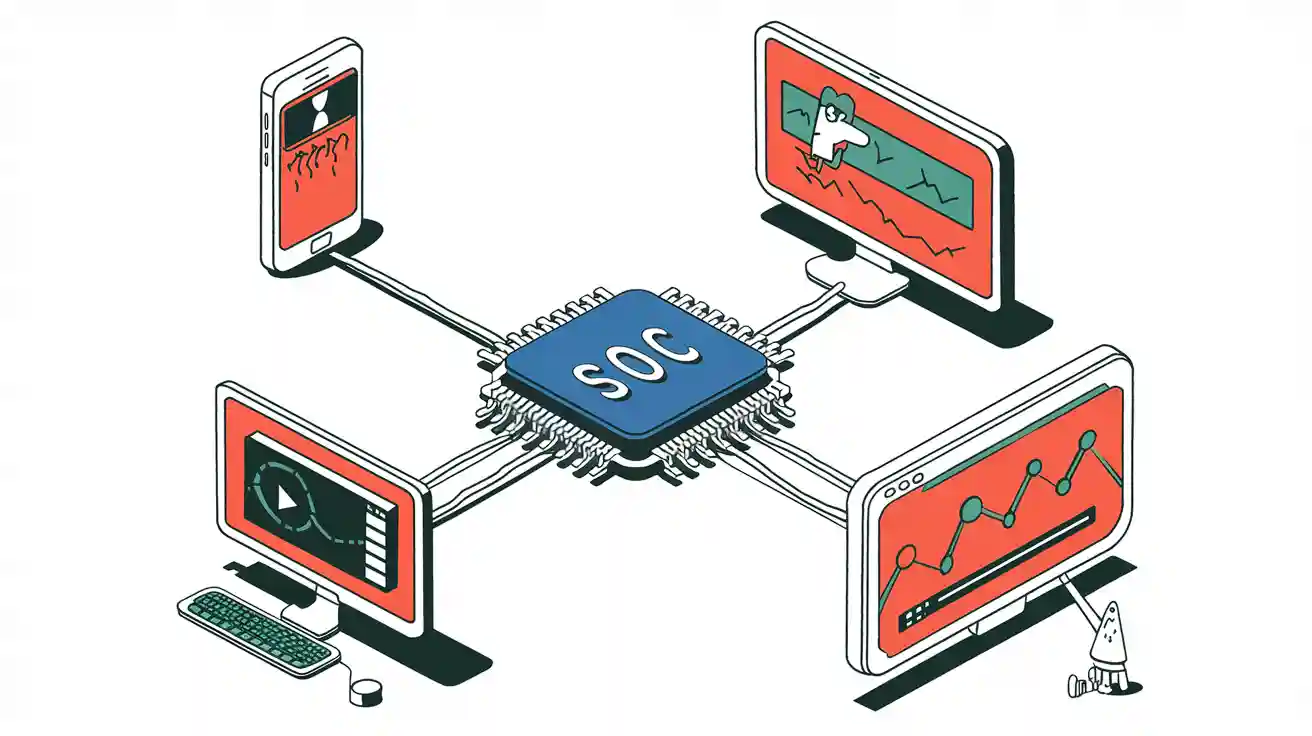
You benefit from system on a chip technology in many ways when using smart displays and digital displays. SoC brings graphics processing, integrated connectivity, and strong power management together in one device. This design removes the need for external media players and helps you set up devices faster. Many businesses enjoy:
- Enhanced operational efficiency
- Lower hardware costs, sometimes by almost half
- Real-time content updates
| Advancement Type | Description |
|---|---|
| Miniaturization | Smaller chips boost speed and efficiency in your devices. |
| Energy Efficiency | New technology cuts power use, making displays cheaper to run. |
Key Takeaways
- System on a Chip (SoC) technology simplifies digital display setups by integrating graphics, connectivity, and power management into one device.
- SoC displays offer significant cost savings, reducing hardware expenses by almost half and lowering monthly energy costs.
- With built-in wireless communication, SoC displays allow for quick setup and remote management, eliminating the need for extra cables and media players.
- SoC technology enhances visual quality, supporting up to 8K resolution and providing smooth performance for both video playback and interactive content.
- Choosing SoC digital signage solutions promotes energy efficiency and sustainability, helping businesses meet environmental standards while saving on operational costs.
System on a Chip Graphics
High-Quality Visuals
You see sharp images and vibrant colors on digital displays because of the graphics processing built into soc technology. Soc integrates graphics directly into the display, so you do not need extra hardware or external media players. This design makes your device smaller and easier to install. Soc displays can support up to 8K resolution, which means you get four times the detail of 4K screens. Samsung QLED displays use soc platforms to show content at this ultra-high definition level.
Modern soc solutions use integrated graphics processing units (IGPUs). These IGPUs use system RAM instead of dedicated graphics memory. Some IGPUs sit on the same chip as the CPU, like AMD APUs and Intel HD Graphics. You can expect smooth 2D graphics and even low-stress 3D graphics from these displays. Sometimes, IGPUs use dedicated sideport memory for better performance.
Tip: Soc displays combine many functions into one device. This design saves energy and keeps performance high.
Here is a quick comparison of soc displays and external graphics hardware:
| Feature | SoC Displays | External Graphics Hardware |
|---|---|---|
| HD/4K Video Playback | Yes | Yes |
| Interactive Content | Yes | Limited |
| Ultra-High Performance | No | Yes |
| Cost-Effectiveness | High | Moderate to Low |
| Upgradeability | Limited | High |
Smooth Experience
Soc technology gives you a smooth and fast experience when you use digital displays. You can download, render, and schedule media right on the display. You do not need a separate media player or extra network modules. Soc displays support high frame rates, up to 4K at 120Hz, and even variable refresh rates for gaming. Features like Auto Low Latency Mode (ALLM) and AI processing help reduce lag and improve video quality. Motion Estimation and Motion Compensation (MEMC) make videos look smoother by reducing blur.
Soc displays work well with cloud-based content management system platforms. You can update content remotely and deliver real-time information to your audience. The integrated architecture of soc displays also makes them reliable and energy efficient. You spend less time on maintenance and save money on power bills.
Soc technology removes clutter and makes your digital display setup simple. You get a compact device that fits many spaces, from classrooms to business signs. Fewer parts mean fewer problems and easier management.
SoC Connectivity
Wireless Communication
You can connect your digital signage displays to networks without extra hardware because soc technology includes built-in wireless communication. This feature lets you set up your devices quickly and reduces the number of cables and adapters you need. Most soc displays support several wireless protocols, so you can choose the best option for your environment.
- Wi-Fi lets your digital signage connect to the internet for real-time updates.
- Bluetooth helps your devices pair with sensors or mobile phones.
- 6LoWPAN supports low-power connections for smart environments.
- Near-field communication allows quick data transfers between devices.
You benefit from these wireless options because you can manage your digital signage remotely. You do not need to install separate network modules or media players. This integration makes your setup cleaner and more reliable.
As more digital signage solutions use wireless connections, security becomes very important. The number of IoT devices keeps growing, with over 12 billion active endpoints in 2021. By 2025, experts expect 79 zettabytes of data to move through these networks each year. You must use secure soc interfaces to protect your digital signage from tampering and attacks.
Device Integration
Soc technology helps your digital signage work with many types of devices and brands. You can control and manage different displays from one content management system. Specialized software handles various soc screen brands and even external media players. This approach reduces compatibility problems and makes your digital signage network easier to manage.
You can scale your digital signage network as your needs grow. Soc connectivity supports large deployments and efficient communication between devices. The table below shows how soc helps with scalability in digital signage solutions:
| Aspect | Description |
|---|---|
| Efficient Communication | Soc connectivity enables efficient communication between multiple cores and devices. |
| Network-on-Chip (NoC) | Uses NoC architectures for better data routing and bandwidth management. |
| Scalability | Essential for managing large-scale deployments in digital signage. |
| Switching Techniques | Different switching strategies affect data flow and performance. |
| Routing Algorithms | Algorithms ensure efficient packet routing and scalability. |
| Research Areas | Ongoing research into interconnects and 3D topologies for improved scalability. |
You get a flexible and reliable digital signage network with soc. You can add new devices or signage solutions without major changes. This makes soc a smart choice for modern digital signage.
Power Efficiency

Longer Battery Life
You want your digital signage to last longer and work efficiently. SoC technology helps you achieve this by using smart power management techniques. These displays use features like Dynamic Voltage and Frequency Scaling (DVFS). DVFS changes the speed and voltage of the CPU and GPU based on what your device needs. When your digital signage does not need full power, the system lowers energy use. Sleep modes let your devices rest when not in use and wake up quickly when needed. Boot mode configuration means your display only turns on when you press a power key, saving even more energy.
You can see how different factors affect battery life in your soc-powered devices:
| Factor | Description |
|---|---|
| Power consumption profiles | Shows how much current your device uses and helps you plan for longer battery life. |
| Operation of microcontrollers | Controls how much power the main chip uses. |
| Wireless transceiver management | Keeps wireless parts off when not needed, saving energy. |
| Sleep modes and duty cycles | Lets your device rest often, which makes the battery last longer. |
These features help your digital signage solutions run longer without frequent charging or power interruptions.
Lower Energy Use
You save money and help the environment when your soc digital signage uses less energy. The integrated design of system on a chip reduces the need for extra hardware. This means fewer parts use power, and your displays run cooler. You also spend less on electricity each month. For example:
| Display Type | Monthly Energy Cost | Efficiency Description |
|---|---|---|
| System-on-Chip (SoC) | £55–60 | Integrated design reduces need for additional hardware. |
| Traditional | Higher than SoC | Requires separate media players and additional components. |
SoC digital signage uses less energy than traditional setups. This helps you lower your operational costs, especially if you manage many devices across different locations. You also reduce maintenance because there are fewer parts to fix.
Many soc displays use LED technology, which uses 50-70% less electricity than older displays. AI features in soc can monitor and adjust power use in real time. This keeps your digital signage efficient all day. These improvements help you meet global energy standards, like those set by the EPA and the EU's Ecodesign regulation.
You also support the environment by choosing soc digital signage. These displays waste less energy, produce less heat, and last longer. This means less electronic waste and better sustainability for your business.
Tip: When you choose soc signage solutions, you get reliable, cost-effective, and eco-friendly digital signage for your business.
You see how system on a chip technology transforms digital signage. You get integrated graphics, seamless connectivity, and efficient power management in one device. Smart displays now make up over 70% of all digital displays sold. Leading brands like Samsung and LG use SoC platforms to simplify installation and boost performance.
- Digital signage networks run faster and cost less because SoC eliminates extra media players.
- You set up displays quickly and manage them easily.
- The market for digital signage grows every year, showing the future of system on chip is strong.
| Benefit | Description |
|---|---|
| Cost Efficiency | You save money by using fewer parts in digital signage. |
| Improved Performance | Multi-core SoC processors make displays smarter. |
| Energy Efficiency | SoC uses less power, helping you meet green standards. |
Tip: You can expect digital signage to become more interactive and personalized as SoC technology evolves.
FAQ
What is a system on a chip (SoC)?
A system on a chip, or SoC, puts many parts of a computer onto one chip. You get the processor, graphics, memory, and network features all in one place. This makes your device smaller and faster.
How does SoC make digital displays easier to set up?
You do not need extra media players or cables. SoC displays have everything built in. You just plug in the display, connect to Wi-Fi, and start showing content. This setup saves you time and effort.
Can SoC displays connect to the internet?
Yes! SoC displays have built-in Wi-Fi and sometimes Bluetooth. You can update content, control settings, and manage displays from anywhere. This makes your digital signage flexible and easy to use.
Do SoC displays save energy?
You use less power with SoC displays. The chip manages energy use smartly. Features like sleep mode and LED screens help lower your electricity bills. You also help the environment by using less energy.
Are SoC displays secure?
Most SoC displays use security features to protect your data. You can set passwords, use encrypted connections, and update software easily. Always keep your devices updated for the best protection.