What Makes Solenoid Switches Essential in Modern Vehicles
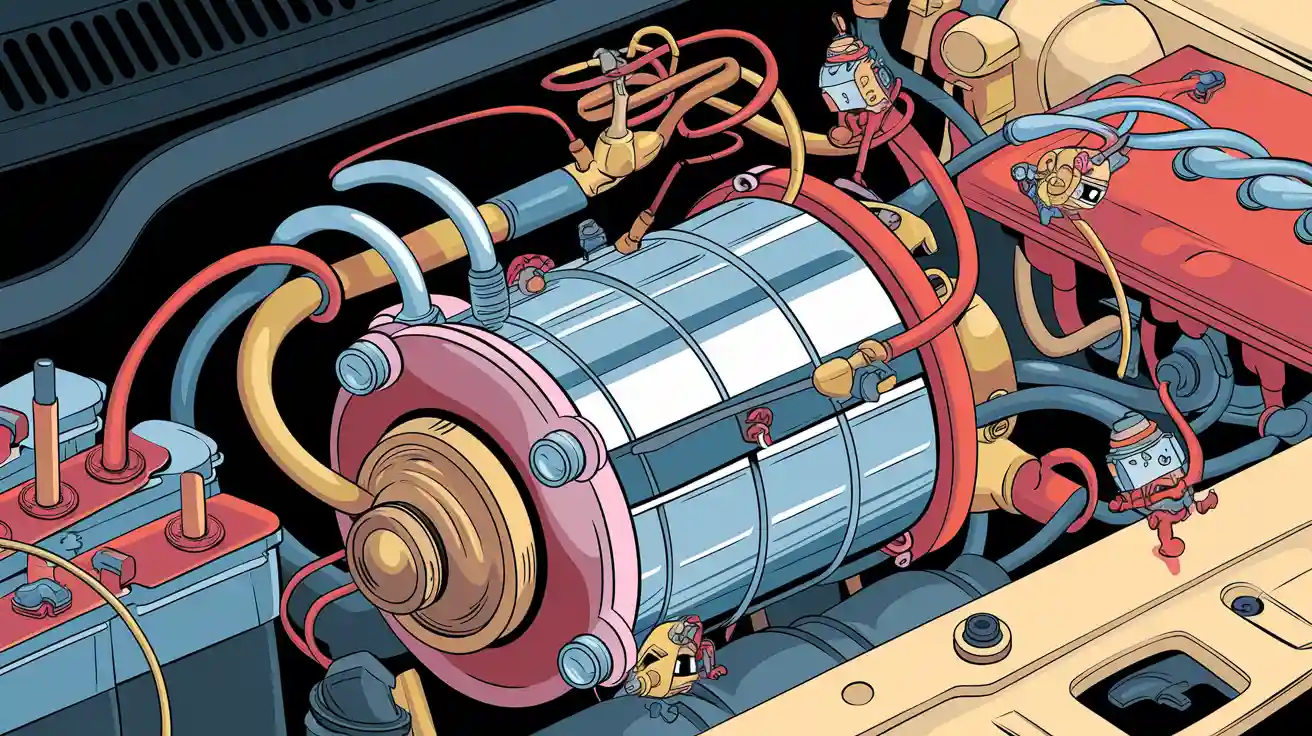
A solenoid switch plays a vital role in the automotive industry by enabling fast and accurate control of key vehicle systems. Drivers depend on this component for reliable engine starting, smooth gear shifts, and efficient fuel delivery.
- Solenoid switches respond in milliseconds, allowing quick action in starter and transmission systems.
- Their design reduces wear, supporting millions of cycles and long-lasting operation.
- Compact size helps engineers fit them into tight automotive spaces while maintaining high performance.
These features help the automotive industry deliver vehicles that are both reliable and efficient.
Key Takeaways
- Solenoid switches control important vehicle systems quickly and reliably, helping engines start and gears shift smoothly.
- They last a long time and work well in tough conditions like heat, vibration, and dust, reducing maintenance needs.
- Solenoid switches improve safety and comfort by managing brakes, power steering, door locks, and other features.
- Compared to mechanical and solid-state switches, solenoids offer better durability, faster response, and cost savings.
- New smart solenoid technologies and materials make vehicles more efficient, reliable, and ready for electric and autonomous cars.
Solenoid Switch Basics
What Is a Solenoid Switch
A solenoid switch is an electromagnetic device that controls the flow of electricity in a vehicle. In automotive engineering, experts define a solenoid switch as a device that creates a controlled magnetic field when powered. This magnetic field moves a rod or plunger inside the switch. The movement allows the solenoid switch to open or close electrical circuits. Drivers rely on this device for many vehicle functions, such as starting the engine or shifting gears.
There are different types of solenoid switches used in cars. Each type serves a specific purpose. Some control the starter motor, while others manage fuel injection or transmission systems. These different types of solenoid switches help vehicles perform many tasks quickly and safely.
How It Works
A solenoid switch uses a small electric signal to control a much larger current. When the driver turns the ignition key, a low current flows through the coil inside the solenoid switch. This action creates a magnetic field. The magnetic field pulls a metal plunger, which closes heavy-duty contacts. As a result, a large current flows from the battery to the starter motor, and the engine starts.
The main parts of a solenoid switch include:
| Component | Description |
|---|---|
| Coil (Solenoid) | Wire wound around a form; generates magnetic field when energized, key to magnetic force creation. |
| Core (Plunger) | Ferromagnetic material (usually iron); moves in response to magnetic field, actuating the switch. |
| Spring | Provides restoring force; returns the core to original position when coil is de-energized. |
| Contacts | Electrical connection points; change state (open/close) when core moves, controlling current flow. |
When power is removed, the spring pushes the plunger back, opening the circuit. This process happens in milliseconds. Different types of solenoid switches use this principle to control systems like gear shifting, fuel delivery, and even door locks. Their fast and reliable action makes them essential in modern vehicles.
Note: Solenoid switches act as remote-controlled relays. They allow a small signal to safely control high-power circuits, making them vital for both safety and performance in cars.
Applications of Solenoid Switches
Solenoid switch applications span nearly every major system in modern vehicles. These devices provide fast, reliable, and precise control, making them essential for both performance and safety. The following sections highlight the main applications of solenoid switches and show how they support the versatility of today’s cars.
Engine Starting
The starter system depends on a solenoid switch to connect the battery to the starter motor circuit. When a driver turns the key in car ignition systems, a small electrical signal activates the solenoid. This action closes the circuit, allowing a large current to flow from the battery to the starter. The starter then cranks the engine, beginning the combustion process. In gasoline vehicles, the solenoid acts as a bridge between the ignition switch and the starter, protecting the ignition system from high current. Diesel engines use a similar setup, but also rely on a fuel shutoff solenoid to control fuel flow during engine starting systems and shutdown. Without these components, reliable engine starts would not be possible.
The starter solenoid ensures that only the right amount of power reaches the starter, preventing damage and supporting millions of reliable starts over a vehicle’s lifetime.
Transmission Control
Modern transmissions use multiple solenoid switches to manage gear shifting. These solenoids control hydraulic pressure inside the transmission, enabling smooth and precise gear changes. The vehicle’s computer sends signals to the solenoids, which open or close valves to direct fluid where it is needed. This process allows the transmission to shift gears based on speed, throttle position, and load. In automatic transmissions, shift solenoids, pressure control solenoids, and torque converter clutch solenoids all work together for seamless operation. Manual transmissions also use solenoids for safety features, such as preventing the engine from starting unless the clutch is engaged.
- Transmission shift solenoids enable:
- Smooth and timely gear changes
- Prevention of gear slippage and harsh shifting
- Improved acceleration and fuel efficiency
- Real-time adaptation to road and driver conditions
The applications of solenoid switches in transmission systems help reduce wear, extend component life, and deliver a better driving experience.
Fuel and Fluid Systems
Solenoid switches play a key role in fuel injection and other fluid control systems. In fuel injection, the solenoid opens and closes a valve to deliver the right amount of fuel at the right time. This precise control improves engine performance and fuel efficiency. Solenoid valves also manage fluid flow in power steering, braking, suspension, and clutch systems. They regulate pressure and timing, ensuring that each system operates safely and efficiently.
- Common fluid control functions include:
- Managing fuel delivery for optimal combustion
- Adjusting hydraulic pressure in power steering and brakes
- Controlling suspension stiffness and ride height
- Regulating clutch engagement in automated systems
A reliable solenoid switch keeps these systems running smoothly, which helps reduce emissions and maintain fuel efficiency.
Safety and Comfort Features
Many safety and comfort features in vehicles depend on solenoid switch technology. These devices control door locks, power windows, and even emission control systems. For example, a solenoid lock system uses an electric current to activate the locking mechanism, allowing for fast and remote operation. In braking systems, solenoids regulate hydraulic or air pressure to ensure precise and responsive braking. Suspension systems use solenoids to adjust ride height and stiffness, improving comfort and handling.
| Vehicle System Category | Safety or Comfort Feature | Role of Solenoid Switch Technology |
|---|---|---|
| Electro-Hydraulic Brake Systems | Safety | Precise control of braking force via electrically controlled hydraulic pressure, ensuring reliable and responsive braking. |
| Electro-Hydraulic Clutch Systems | Safety | Control clutch operation for smooth gear shifts, improving vehicle performance and safety. |
| Electro-Hydraulic Power Steering | Comfort | Reduce steering effort and provide smooth, responsive steering through hydraulic fluid control. |
| Electro-Hydraulic Suspension Systems | Comfort | Adjust ride height and stiffness via fluid control for improved comfort and handling. |
| Radiator Fan Control | Comfort | Regulate coolant flow to maintain optimal engine temperature. |
| Fuel Tank Evaporative Emission Control | Comfort and Environmental Safety | Control fuel vapor flow to reduce emissions. |

Solenoid switch applications in door locks and power steering systems provide quick, reliable, and remote control, enhancing both safety and convenience for drivers and passengers.
The wide range of applications of solenoid switches demonstrates their multifunctional role in modern vehicles. From starting the engine to managing complex safety and comfort systems, these components help ensure that vehicles remain reliable, efficient, and enjoyable to drive.
Solenoid Switch vs. Alternatives
Mechanical Switches
Mechanical switches use physical movement to open or close electrical circuits. These switches rely on metal contacts that touch or separate when a button or lever moves. In automotive systems, mechanical switches often control lights, windows, or simple functions.
- Solenoid switches respond much faster than mechanical switches. They activate within milliseconds, which is important for systems like ignition and transmission control.
- Mechanical switches have slower activation because of moving parts and friction.
- Solenoid switches last longer. They can handle millions of cycles with little wear, while mechanical switches wear out faster from constant contact and friction.
- Solenoid switches work well in harsh environments. They resist heat, moisture, vibration, and dust better than mechanical switches.
- Maintenance for solenoid switches is less frequent. Most tasks involve checking and cleaning contacts, while mechanical switches need more repairs and replacements due to wear.
Tip: Solenoid switches reduce maintenance costs and downtime in vehicles because they have fewer moving parts and longer service life.
Solid-State Devices
Solid-state devices use electronic components, such as transistors, to control circuits without moving parts. These devices offer silent operation and can switch very quickly. Engineers use solid-state devices in some automotive applications, especially where space and speed matter.
However, solid-state devices have some limits. They may not handle high currents as well as solenoid switches. They can also be sensitive to voltage spikes and heat. In some cases, solid-state devices cost more and require extra protection to prevent damage.
Key Advantages
The table below shows the main advantages of solenoid switches over other switching technologies:
| Advantage | Explanation |
|---|---|
| Superior Durability | Heavy-duty contacts and strong housings withstand extreme conditions and thousands of cycles. |
| Unrivaled Reliability | High efficiency and anti-arc features ensure consistent operation under high demand. |
| Compact Design | Small size fits well in tight automotive spaces. |
| Energy Efficiency | Optimized circuits reduce energy use and lower costs. |
| Ease of Installation | Standard mounts and terminals make installation and maintenance quick. |
| Cost-Effectiveness | Fewer replacements and better efficiency save money over time. |
| Safety and Compliance | Meets strict safety standards, protecting both vehicles and people. |
Solenoid switches provide fast response times, long operational life, and reliable performance in harsh conditions. Their design supports millions of cycles with minimal wear. Many include fail-safe features that keep vehicles safe during power loss. These qualities make them a top choice for modern automotive systems.
Future Trends
Innovations
Automotive solenoid switches are changing quickly as new technology enters the market. Engineers now design solenoid switches with smart features and IoT capabilities. These upgrades allow remote control and real-time monitoring, making vehicles safer and easier to maintain. Many solenoid switches use advanced materials like nanomaterials and shape-memory alloys. These materials help the switches last longer and work more efficiently, even in tough conditions.
- Smart solenoid switches can connect to electronic control units (ECUs) and microcontrollers. This connection allows precise programming and better synchronization with other vehicle systems.
- Miniature solenoids and solenoid arrays save space and meet the needs of compact, high-power vehicles.
- New corrosion-resistant materials and advanced cooling systems improve durability and performance.
- Integration of sensors and microprocessors enables real-time feedback and adaptive control.
Manufacturers also use lightweight armatures and precision manufacturing techniques. These changes reduce friction and speed up the switch’s response time. Some solenoid switches now include smart materials that react quickly to electrical signals, making them ideal for fast-acting systems like fuel injection and transmission control.
Note: These innovations help vehicles use less energy, reduce maintenance, and improve reliability.
Evolving Automotive Needs
The automotive industry is moving toward electric and hybrid vehicles, which increases the demand for advanced solenoid switches. Electric vehicles (EVs) need solenoid switches for brake systems, power distribution, and thermal management. Autonomous vehicles also rely on solenoids for steering and feedback control.
| Emerging Trend | Impact on Solenoid Switches |
|---|---|
| Electrification | Drives need for compact, energy-efficient, and high-voltage solenoids. |
| Smart Integration | Leads to solenoids with embedded sensors for real-time data and predictive maintenance. |
| Enhanced Durability | Requires improved materials and coatings for harsh environments. |
| Customization | Demands tailored designs for different vehicle types and specialized applications. |

Market experts predict strong growth for automotive solenoid switches. The market could grow at a rate between 5.3% and 7.6% per year through 2037. This growth comes from more electric vehicles, new government rules, and better technology. Manufacturers focus on making solenoid switches that are smart, durable, and energy efficient to meet these new needs.
Solenoid switches help vehicles start quickly and run smoothly. Their simple design and strong materials make them reliable and long-lasting. These devices work fast, use little power, and need little maintenance. They handle tough conditions like heat and vibration. New designs use smart technology and better materials to improve performance. Drivers depend on these switches every day for safe and efficient travel.
- Reliable operation in harsh environments
- Fast response for key vehicle systems
- Easy installation and low upkeep
Advances in solenoid technology will keep making cars safer and more efficient.
FAQ
What happens if a solenoid switch fails in a car?
A failed solenoid switch can prevent the engine from starting or cause problems with gear shifting. Drivers may hear a clicking sound or notice that the car does not respond when turning the key.
How can someone tell if a solenoid switch needs replacement?
Common signs include slow engine cranking, no response when starting, or unusual noises. Mechanics often check for electrical problems or worn contacts during inspection.
Are solenoid switches used in electric vehicles?
Engineers use solenoid switches in electric vehicles for power distribution, safety systems, and thermal management. These switches help control high-voltage circuits and keep the vehicle running safely.
Can a solenoid switch be repaired, or does it need replacement?
Most solenoid switches require replacement when they fail. Repair is rare because the internal parts are sealed and difficult to access.
How long does a solenoid switch usually last?
A solenoid switch can last for many years. Most switches handle millions of cycles before showing signs of wear. Regular maintenance helps extend their lifespan.