What Makes a Short Circuit Dangerous Enough to Start a Fire
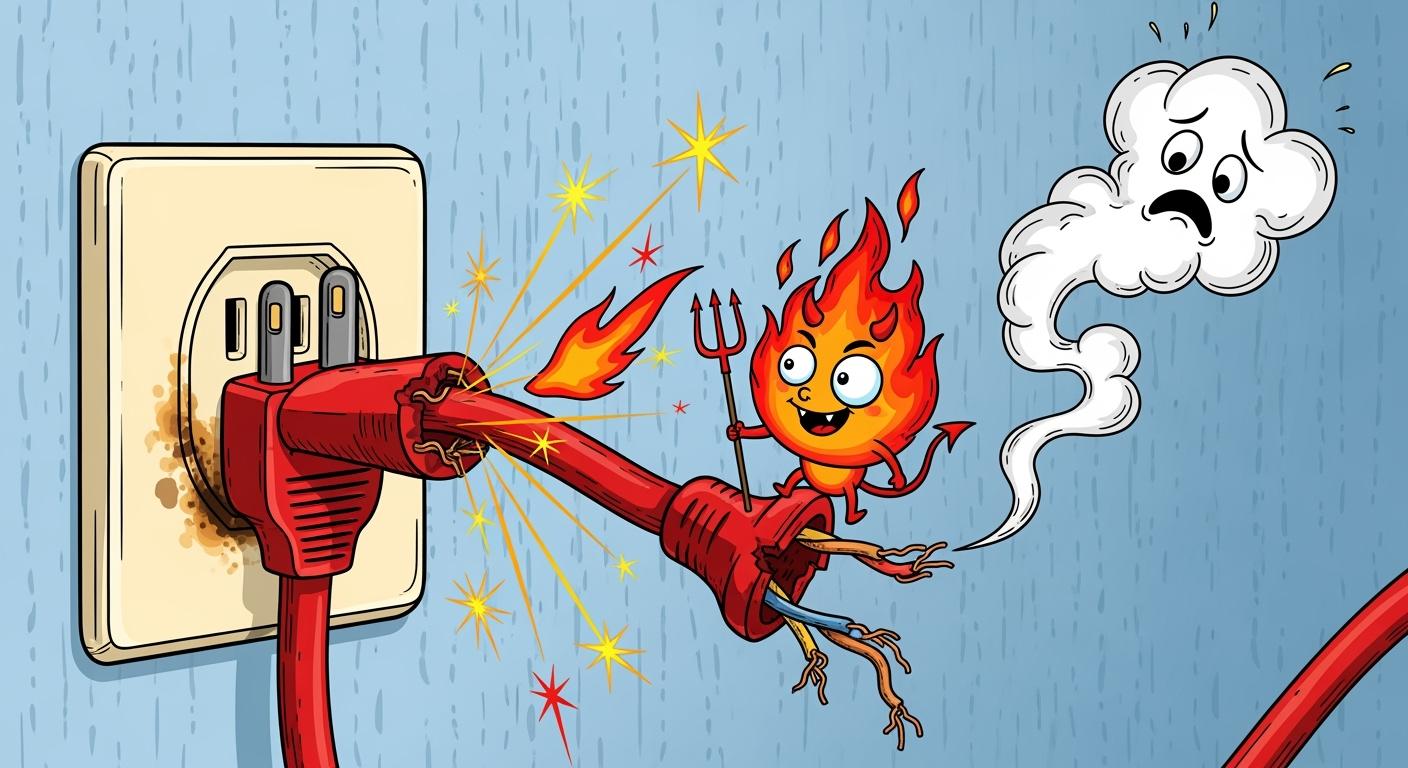
An electrical short circuit poses a significant danger, primarily because it unleashes a massive surge of current. This surge generates intense, instantaneous heat. The extreme temperature can melt wire insulation and ignite common materials like wood, dust, or fabric in seconds. Understanding the short circuiting meaning helps you appreciate this risk. Imagine a tiny lightning strike happening inside your walls—that’s the kind of energy we're talking about. This uncontrolled energy release is why a simple electrical fault can quickly become a devastating fire.
Electrical failures are a serious concern in homes across the United States. The following statistics highlight the consistent risk over the past decade.
Year | Fires | Deaths | Injuries | Dollar Loss (USD) |
|---|---|---|---|---|
2014 | 23,900 | 325 | 925 | 1,196,200,000 |
2015 | 24,500 | 290 | 850 | 1,220,300,000 |
2016 | 23,500 | 310 | 800 | 1,151,500,000 |
2017 | 24,100 | 200 | 750 | 1,314,900,000 |
2018 | 25,700 | 255 | 825 | 1,489,400,000 |
2019 | 24,200 | 225 | 1,050 | 1,440,100,000 |
2020 | 23,400 | 200 | 975 | 1,337,300,000 |
2021 | 24,200 | 295 | 900 | 1,351,000,000 |
2022 | 26,100 | 185 | 850 | 1,553,800,000 |
2023 | 23,700 | 305 | 800 | 1,501,600,000 |
Key Takeaways
A short circuit creates a huge surge of electricity. This surge makes a lot of heat very fast. This heat can melt wires and start fires quickly.
Short circuits happen when wires are damaged, appliances are faulty, or connections are loose. Rodents chewing wires or old appliances can cause these problems.
Extreme heat from a short circuit can ignite materials like wood or paper. An electric arc, like a tiny lightning bolt, can also cause fires and shoot out hot metal sparks.
You can prevent short circuits. Do not put electrical cords under carpets. Use the right light bulbs. Get professional electrical inspections for your home.
Watch for warning signs of bad wiring. These include flickering lights, buzzing outlets, or a burning smell. If you notice these, call an electrician.
Understanding a Short Circuit
To grasp why a short circuit is so dangerous, you first need to understand how electricity is supposed to work. Think of your home's wiring as a closed road system. Electricity travels from a power source, through a wire to an appliance, and back to the source in a controlled loop. This complete path is called a circuit.
What is a Short Circuit?
So, what is a short circuit? It is an abnormal connection that creates an unintended shortcut in this electrical path. Instead of completing its full journey, the current finds a much shorter, low-resistance route. This can happen for several reasons:
Damaged wire insulation allows a "hot" wire to touch a "neutral" wire.
Loose electrical connections create an opportunity for wires to make contact.
Faulty wiring inside an appliance can cause an internal short circuit.
The core of what is a short circuit is this creation of an easier, unintended path for electricity to travel. This brings us to the true short circuiting meaning and its inherent danger.
The Short Circuiting Meaning
The real short circuiting meaning lies in the consequence of that shortcut: an uncontrolled surge of current. Because the new path has very little resistance, a massive amount of electricity flows almost instantly. This flood of energy is far more than the circuit was designed to handle.
A ground fault is a specific type of short circuit. It happens when a hot wire touches a grounded object, like a metal electrical box. The current then surges directly to the earth. This specific short circuiting meaning highlights how electricity will always seek the easiest path.
Understanding the short circuiting meaning is key to electrical safety. This uncontrolled surge is what generates the intense heat that can melt wires and start a fire. The short circuiting meaning is not just about a failed path; it's about the dangerous release of energy that follows. A short circuit turns a controlled flow into a sudden, violent burst.
The Path from a Short Circuit to a Fire
We know a short circuit creates a dangerous surge of electricity. Now, let's follow the step-by-step journey this energy takes to become a destructive house fire. The process is incredibly fast, often happening in the blink of an eye.
Why is it Dangerous?
So, why is it dangerous? The primary danger comes from the massive, uncontrolled flow of electrical current. You can understand this with a simple water pipe analogy. Normal electrical flow is like water moving through a pipe at a controlled rate. A short circuit is like that pipe suddenly becoming a massive, wide-open channel. The electrical "pressure" (voltage) stays the same, but the lack of resistance allows an enormous flood of current to rush through.
This principle is explained by a scientific rule called Ohm's Law.
Ohm's Law (I = E/R) shows that current (I) is equal to voltage (E) divided by resistance (R). When resistance (R) drops to nearly zero in a short circuit, the current (I) skyrockets to an extremely high level.
This is why is it dangerous: the wiring in your walls is not designed to handle this immense electrical flood.
From Extreme Heat to Ignition
This massive surge of current immediately generates extreme heat. This effect is called Joule heating. The scientific formula for it, P = I²R, shows that the heat generated (P) is proportional to the square of the current (I). When the current surges, the heat increases exponentially. This intense heat has two immediate effects:
Melting Wires: The copper wires themselves can glow red-hot and melt. More importantly, the protective plastic insulation around them fails almost instantly. Some insulation types begin to break down at temperatures as low as 75°C (167°F).
Igniting Surroundings: This overheating acts as the ignition source. During a short circuit, heat can be generated so rapidly that it reaches fire-starting temperatures in fractions of a second.
Material | |
|---|---|
PVC Insulation | 0.05 seconds |
Paper | 0.1 seconds |
Wood | 0.2 seconds |
This incredible speed means a fire can start before a circuit breaker even has time to trip. The superheated wire makes contact with flammable materials inside your walls, like wood framing, dust, or paper backing on insulation, and ignition occurs.
The Role of an Electric Arc
Sometimes, the electricity does more than just heat the wire. It can jump across the gap between two conductors, creating a brilliant and intensely hot flash of light called an electric arc. You can think of an electric arc as a miniature bolt of lightning. This event, known as an arc flash, is one of the most destructive aspects of an electrical fault.
🔥 Extreme Temperatures: An electric arc can reach temperatures between 2,800°C and 19,000°C (5,000°F to 35,000°F). This is up to four times hotter than the surface of the sun.
This unimaginable heat instantly vaporizes the wire's insulation and the metal conductor itself. This process creates two major hazards:
The intense radiant heat can ignite nearby materials without even touching them.
The arc violently ejects tiny droplets of molten metal. These fiery sparks fly outward at high velocity, acting like tiny flaming projectiles that can embed in wood, fabric, or dust and start a secondary blaze far from the original fault.
The combination of glowing wires, extreme arc temperatures, and flying molten sparks creates a perfect storm for ignition, turning a simple electrical fault into a serious threat in seconds.
Common Causes and the Risk of Electrical Fires
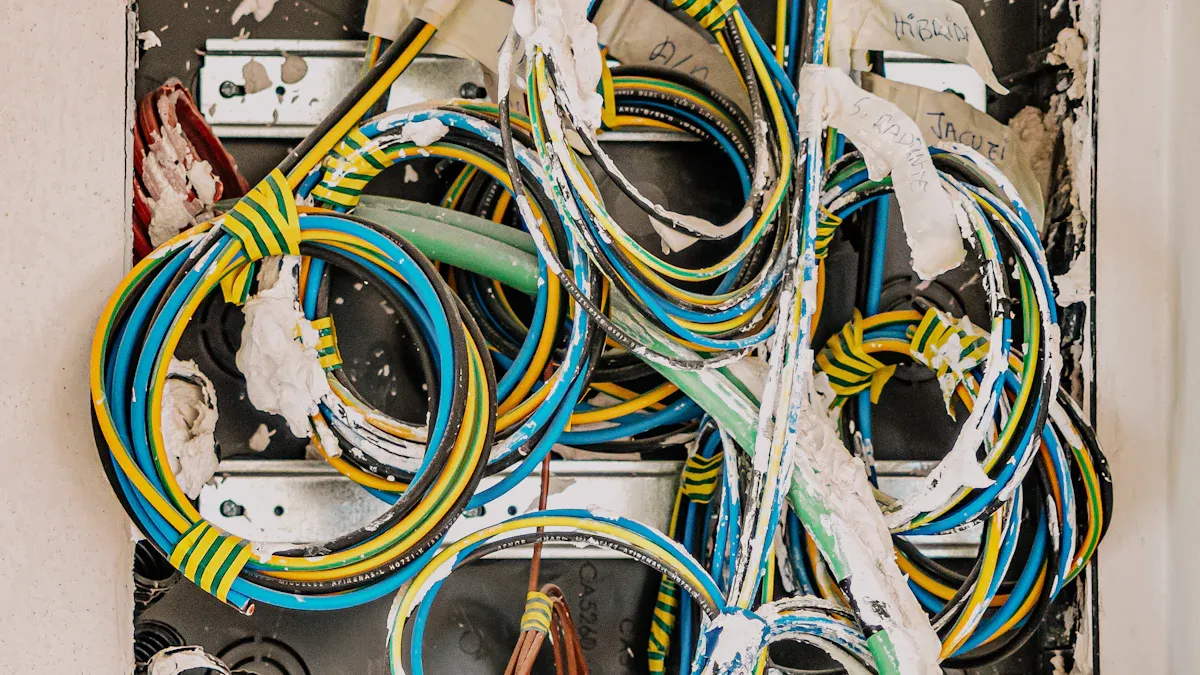
Understanding the common causes of short circuits helps you protect your home. These issues often develop silently over time, creating a hidden danger. Knowing what to look for is the first step in preventing a potential electrical fire. The main short circuit causes fall into three categories: damaged wires, faulty devices, and loose connections.
Damaged Wire Insulation
The plastic coating around a wire is its most important safety feature. When this insulation is damaged, wires can touch and create a short circuit. This damage happens in several ways.
Environmental Factors: Long-term overload operation can heat wires, accelerating insulation aging. Moisture from humid conditions or chemical corrosion from the soil can also break down the protective layer.
Physical Damage: You might accidentally damage hidden cables during renovations by drilling into a wall. Pests also pose a serious threat. Rodents like mice and rats often gnaw on electrical cables, stripping the insulation and leaving live wires exposed.
Faulty Appliance Wiring
Sometimes the problem lies within the appliances you use every day. Faulty wiring in a device can create a direct path for an electrical surge. Manufacturing defects, such as thin insulation or impurities in materials, can create a hazard from day one. Internal wear and tear is another major factor.
Over time, components inside an appliance like a dishwasher can fail. Heat and moisture may fray the wiring. A heating element can crack, or the control board can malfunction. These failures create new, unintended paths for electricity to flow, leading to a short.
Loose Electrical Connections
A connection that feels secure today might not be tomorrow. This creates a serious risk. Electrical connections can loosen over time due to a process of expansion and contraction as current flows and stops. This micromotion can cause problems. A loose connection forces electricity to jump across the tiny gap, creating a dangerous electrical arc. This arcing generates intense heat, which can melt the outlet and ignite materials inside your wall. You can spot the signs of a loose connection.
Outlets that are hot to the touch
A faint burning smell near an outlet
Paying attention to these warning signs is crucial for managing the risk of electrical fires in your home.
The danger of a short circuit is clear. An uncontrolled current surge creates intense heat, igniting nearby materials in seconds. This significant risk often stems from preventable issues. You can take control of your home's electrical safety. Following best practices for preventing short circuits is your first line of defense.
Key Safety Tips 💡
Taking these steps is crucial for preventing short circuits and protecting your home.
FAQ
What does a short circuit smell like?
You might notice a sharp, acrid smell. People often describe it as burning plastic or a strange fishy odor. This smell comes from the overheating wire insulation and plastic components. If you smell this, turn off the power and call an electrician immediately. ⚠️
Can a short circuit fix itself?
No, a short circuit cannot fix itself. The underlying problem, like damaged wiring or a loose connection, will remain. The circuit might seem to work again, but the danger is still there. You must have a professional find and repair the fault.
Do circuit breakers always prevent fires from short circuits?
Circuit breakers offer great protection, but they are not foolproof. An arc fault can create intense heat and ignite materials before the breaker trips. This is why modern Arc Fault Circuit Interrupters (AFCIs) provide an extra layer of safety for your home.
How can I tell if I have bad wiring?
You can look for several warning signs.
Pay attention to flickering lights, buzzing sounds from outlets, or circuit breakers that trip often. Outlets that feel warm or look discolored also point to a problem. These signs mean you should schedule an electrical inspection. 🔍