Screw Terminal Benefits Everyone Should Know
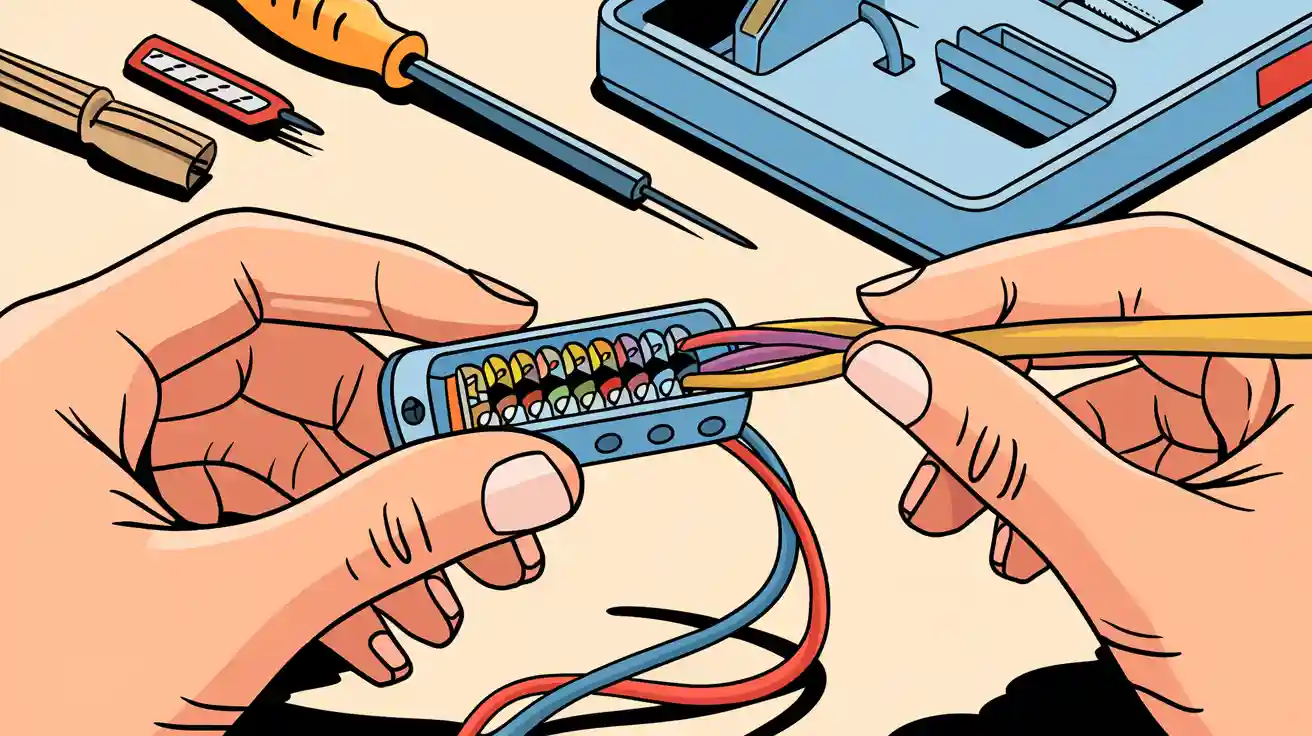
You want secure and long-lasting electrical connections. A screw terminal gives you reliability and mechanical strength. Many professionals and DIYers choose screw terminals because they work with thicker wires, allow quick wire changes, and make installation easy. Poor contact often causes electrical failures. Corrosion and improper installation can lead to short circuits. When you use screw terminals, you reduce these risks and keep your connections safe.
- Proven technology for stable connections
- Easy access for installing and modifying wires
Key Takeaways
- Screw terminals provide strong and reliable electrical connections, reducing the risk of failures caused by poor contact or corrosion.
- Installation is straightforward; just insert the wire and tighten the screw for a secure grip, minimizing wiring errors.
- Screw terminals are versatile, accommodating various wire types and sizes, making them suitable for both home and industrial applications.
- Regular maintenance, like checking tightness, ensures long-term reliability and safety in your electrical projects.
- Using screw terminals can lower maintenance costs and improve performance in demanding environments, such as automotive and industrial settings.
Screw Terminal Reliability
Mechanical Strength
You want your electrical connections to stay strong, even when you use them in tough environments. Screw terminals give you unmatched mechanical strength. The steel used in the screws has a tensile strength of about 553.9 MPa, which means it can handle a lot of force before breaking. Push-out tests show that screw terminals perform better than other types, like push-in terminals, when you need a secure grip on wires.
- The screws and blocks use high-quality materials, such as hardened steel and copper, to make sure your terminal connectors last.
- Precise manufacturing gives each terminal the right fit, so wires stay tight and do not slip out.
- You can trust screw terminals to hold wires firmly, even if you need to move or adjust them later.
Tip: Always check your terminals for tightness and keep them clean. This helps prevent loose connections and keeps your blocks working well.
Vibration Resistance
You may use terminals in places where things shake or move a lot, like cars, ships, or heavy machines. Screw terminals stand out because they resist vibration better than push-in terminals. Some terminal blocks, like the Amphenol high-vibration series, can handle vibrations up to 53.8 grms for eight hours per axis and 2,000Hz. This makes them perfect for on-engine applications and control modules.
- Self-locking features in some terminals stop screws from loosening when things vibrate.
- Terminal blocks work well in fleet vehicles and heavy machinery, where you need reliable connections without soldering.
- Users report that screw terminals stay secure for decades, even in ships and aviation equipment, if you tighten them properly.
Regular checks help you avoid overheating or fire. Retighten screws or use locking washers to keep your terminals safe and reliable. When you choose screw terminals, you get long-term reliability and peace of mind for your electrical projects.
Easy Installation
Quick Wire Connections
You want to finish your wiring projects quickly and with fewer mistakes. Screw terminals make this possible. You only need a screwdriver and the right terminal connectors. You insert the wire, tighten the screw, and the terminal holds the wire in place. This process gives you a secure grip every time.
Here is a comparison of installation times for different connector types:
| Connector Type | Installation Time |
|---|---|
| Spring-Cage Type | About 10 seconds per terminal |
| Screw Type | About 30 seconds per terminal |
You may notice that screw terminals take a bit longer than push-in terminals. However, the extra time helps you avoid wiring errors. Features like polarization and tactile feedback guide you during installation. Terminal position assurance devices help you align wires correctly, so you do not stub terminals or force them into the wrong spot.
- Proper contact seating and retention prevent mistakes.
- Polarization and tactile feedback help you assemble connectors correctly.
- Terminal position assurance devices improve alignment and reduce errors.
You can avoid common mistakes by following these steps:
- Choose the correct type and size of terminal connectors.
- Use the right tools and follow the instructions.
- Check polarity and orientation before connecting.
- Add strain relief to protect wires.
- Test and inspect connections regularly.
Tip: Always double-check your work before powering up your blocks. This helps prevent short circuits and overheating.
Organized Setup
You want your wiring to look neat and easy to manage. Screw terminals help you organize wires inside blocks. Their design lets you arrange multiple wires in a clear and tidy way. You can label each terminal, which makes maintenance and troubleshooting easier. You get easy access to each terminal, so you can change or inspect wires without disturbing other connections.
- Screw terminals provide reliable and secure connections, keeping your setup organized.
- You can manage many wires efficiently inside terminal blocks.
- Clear labeling and easy access make your blocks simple to maintain.
Screw terminals also offer maintenance-free operation. Firm wire connections resist vibration and heat, so you rarely need to retighten screws. Some terminals use spring-clamp technology or dual-pressure plates. These features keep wires secure and spread the clamping force evenly, reducing the risk of loosening over time.
You save time and effort with screw terminals. You get a safe, organized, and reliable setup for your electrical projects.
Versatility of Screw Terminals
Wide Conductor Compatibility
You want your terminal blocks to work with many wire types and sizes. Screw terminals give you this flexibility. You can use them with solid, stranded, or tinned wires. This means you can connect wires for home projects, industrial machines, or outdoor setups. You do not need special tools or adapters. You only need a screwdriver and the right terminal connectors.
Here is a table showing the range of wire sizes you can use with screw terminals:
| Wire Size |
|---|
| 2 AWG |
| 4 AWG |
| 10 to 12 AWG |
| 14 to 16 AWG |
| 16 to 22 AWG |
You can see that screw terminals support thick wires for high-power equipment and thin wires for control circuits. You get a secure grip every time. Push-in terminals may not work with larger wires, but screw terminals handle both small and large wires with ease. You can use them in many applications, from lighting to heavy machinery.
Tip: Always match your wire size to the terminal block rating for safe and reliable connections.
High Current Capacity
You need terminals that can handle strong electrical loads. Screw terminals stand out because they support high current. You can use them in places where power demand is high, like factories, renewable energy systems, and outdoor installations. Some screw terminal blocks can handle up to 15 amps, which is more than many push-in terminals.
| Connector Type | Maximum Current Capacity |
|---|---|
| Screw Terminals | 15 A |
| Ring Connectors | Varies |
| Spade Connectors | Varies |
For special needs, you can find terminal blocks that handle even higher currents. Some products, like the REDCUBE PRESS-FIT, support up to 500 amps. The 7461090 terminal is rated at 350 amps and works in extreme temperatures. You can use these blocks in solar power systems, industrial machines, and places with harsh weather.
- High-current screw terminals are essential in industrial settings.
- You can use them in renewable energy projects, especially photovoltaics.
- These terminals work well in outdoor and demanding environments.
- You get a firm grip on wires, which prevents accidental disconnection.
- Terminals use corrosion-resistant materials and strong seals for safety.
You can trust screw terminals to deliver power safely and reliably. You get versatility for many projects and peace of mind for your electrical connections.
Terminal Safety
Secure Clamping
You want your electrical connections to stay safe and reliable. Screw terminals use mechanical clamping force to hold wires tightly. When you tighten the screw, the terminal presses the wire firmly against the conductive metal. This strong grip prevents loose connections and overheating.
- Proper torquing is important. If you do not tighten the screw enough, the wire can become loose and cause arcing or overheating. If you tighten it too much, you can damage the wire or the terminal.
- Screw terminals provide a stable connection that resists vibration and thermal expansion. This means your blocks stay secure even when the environment changes.
- The right torque keeps your terminal connectors safe and efficient. You avoid electrical fires and keep your system running smoothly.
Note: Always use a screwdriver that fits the screw head. Check the manufacturer's instructions for the recommended torque.
Screw terminals meet strict safety certifications and standards. These include UL certification and GB/T 14048.7, which require terminals to pass mechanical life tests and limit temperature rise. The materials used must be flame retardant and able to handle high current without overheating.
Reduced Fault Risks
You want to reduce the risk of electrical faults in your wiring projects. Terminal blocks and screw terminals help you do this by providing secure and visible connections.
- Problems often occur with push-in terminals, especially in places where the blocks move or heat up. Springs can weaken over time, leading to loose connections and failures.
- Screw terminals offer a reliable alternative. You can inspect the connection easily and retighten if needed. This lowers the chance of faults caused by weak springs or poor contact.
- Both screw and spring terminals have their uses, but screw terminals are better for high current and environments with vibration.
Here is a table showing common regulatory requirements for terminals:
| Requirement Type | Description |
|---|---|
| Structural Requirements | Terminals must use strong, conductive metal for good contact and durability. |
| Wire Connection Capabilities | Terminals must fit different wire types and sizes. |
| Accessibility | Blocks should be easy to reach during installation. |
| Identification and Marking | Terminals must have clear, permanent labels for safety. |
Screw terminals help you build safe and reliable electrical blocks. You protect your wires from overheating and reduce the risk of faults. You get peace of mind knowing your connections meet strict safety standards.
Terminal Blocks: Applications
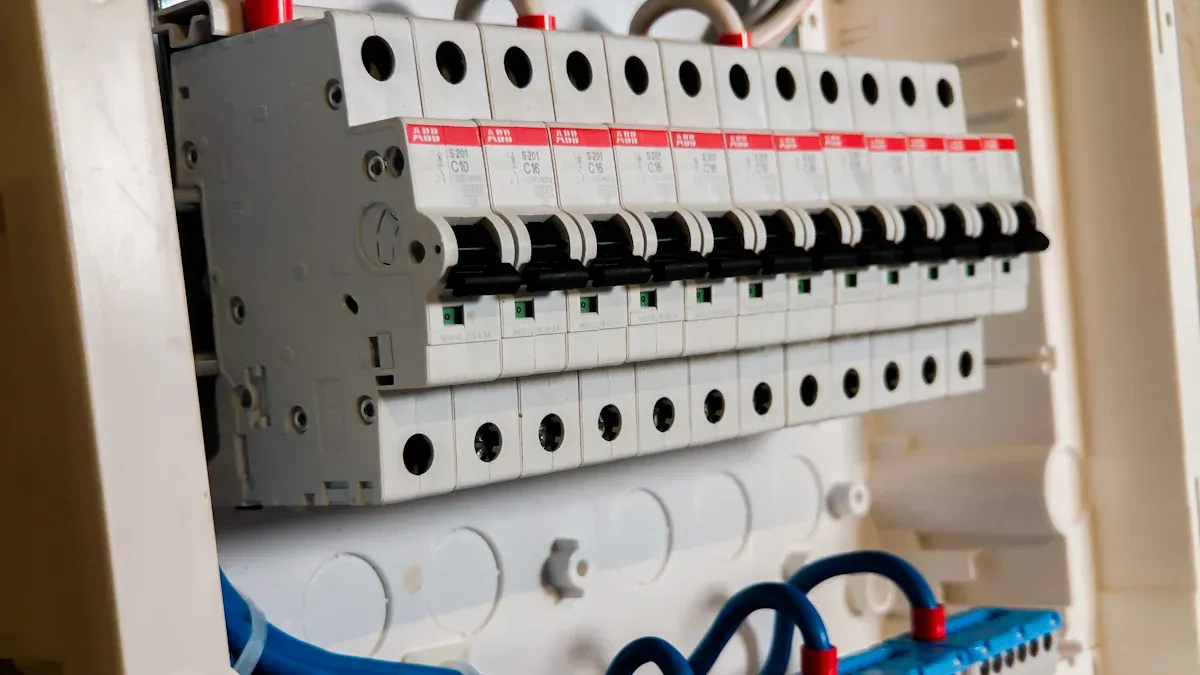
Home Projects
You can use terminal blocks in many home projects. Terminal blocks help you organize wires for lighting, outlets, and small appliances. You get a neat setup when you use terminals for connecting wires in control panels or junction boxes. Terminal connectors make it easy to change or add wires later. You do not need special tools. You only need a screwdriver to secure each terminal. Push-in terminals work for quick jobs, but screw terminals give you a stronger grip and better reliability. Blocks keep your wires safe and easy to inspect.
Tip: Label each terminal in your blocks. This helps you find and fix problems faster.
Industrial Use
You see terminal blocks everywhere in factories and industrial buildings. Terminals connect sensors, actuators, and controllers. You get stable connections for large wires, which support higher current and efficient energy transfer. Once you install terminal blocks, you rarely need to check them. Some blocks have built-in insulation and grounding, so you get extra safety. Terminal blocks cost less than complex connectors and are easy to find.
- Terminal blocks work well with small wires and large wires.
- You can use terminals in vibration-heavy environments.
- Blocks are ideal for industries with frequent wiring changes.
- Terminal blocks help you connect controllers in compact spaces.
Here is a table showing common uses for terminal blocks in different industries:
| Industry | Application Description |
|---|---|
| Transportation | Routing wiring in vehicles, protecting and insulating exposed wire ends. |
| Industrial Automation | Connecting sensors, actuators, and controllers for efficient operation. |
| Building Automation | Wiring control devices for lighting, HVAC, and security systems. |
| Power Distribution | Managing connections within power distribution equipment. |
| Telecommunications | Facilitating connections in telecommunications systems. |
Automotive Wiring
You rely on terminal blocks for safe and reliable automotive wiring. Terminals keep connections stable in cars, trucks, and heavy vehicles. About 40% of system issues come from faulty connectors. You avoid many problems when you use screw terminals. Push-in terminals may loosen over time, but screw terminals stay tight even when the vehicle shakes or heats up. Terminal blocks protect and insulate wire ends, which improves safety and performance.
Screw terminals provide secure connections for electrical circuits in vehicles. You get stable and effective wiring, which is important for the safety and performance of your vehicle. Terminal blocks help you fix wiring problems quickly and keep your vehicle running smoothly.
You get strong, safe, and easy connections when you use a screw terminal. Many users say that quality screw terminals lower maintenance costs and work well in cars and control panels. Experts recommend you insert the wire, tighten the screw, and check each connection before use. Over time, screw terminals give you a secure and cost-effective solution for many projects.
- Lower maintenance costs
- Reliable performance in tough jobs
- Simple steps for safe wiring
Share your experience with screw terminals or ask a question below!
FAQ
What tools do you need to install screw terminals?
You only need a screwdriver that fits the screw head. Some terminals may need a wire stripper to remove insulation. Always check the terminal size and use the right tool for a secure connection.
Can you reuse screw terminals?
Yes, you can reuse screw terminals. Remove the old wire, check for damage, and insert a new wire. Make sure the screw and terminal block stay in good condition before reusing.
How do you prevent loose connections in screw terminals?
Tip: Tighten each screw firmly, but do not overtighten. Use a torque screwdriver if possible. Check connections during regular maintenance to keep them secure.
Are screw terminals safe for outdoor use?
Screw terminals work well outdoors if you use weatherproof or sealed terminal blocks. Choose corrosion-resistant materials like stainless steel or brass. Always protect the terminals from water and dust for the best safety.