Exploring the Benefits and Applications of RJ45 Couplers in 2025
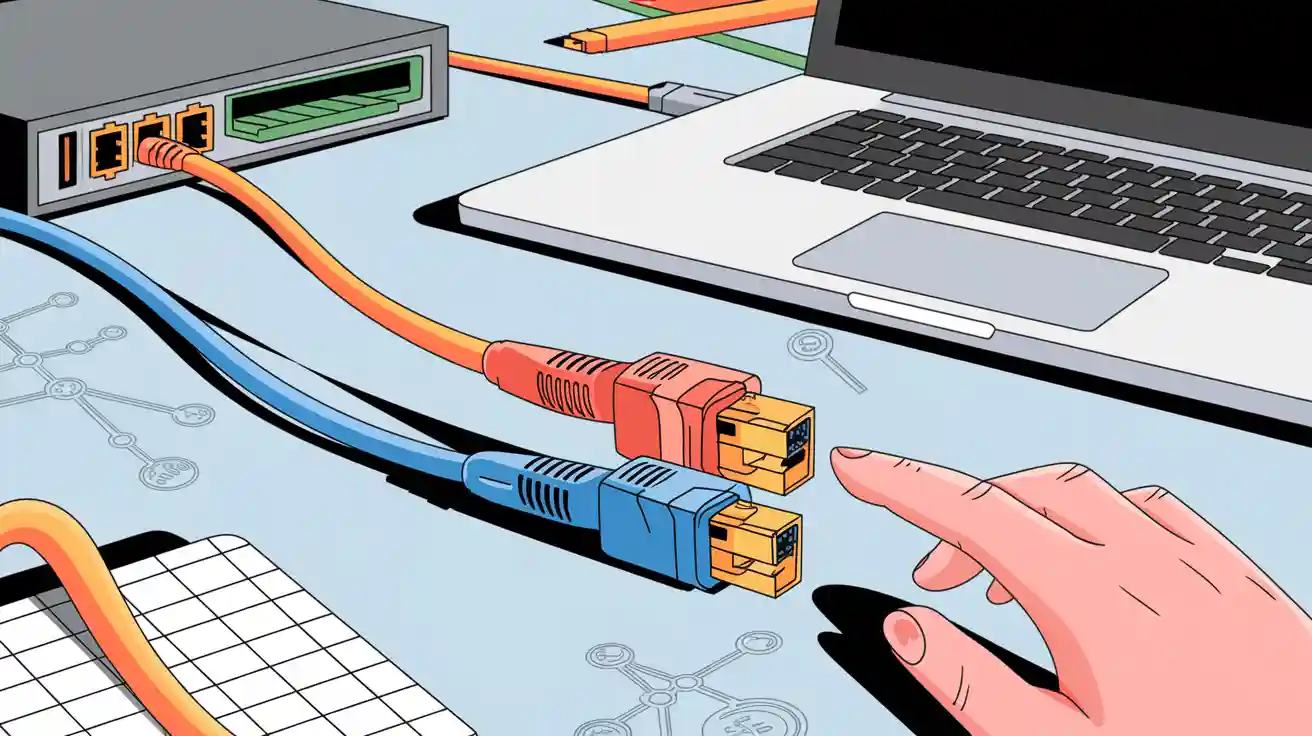
An rj45 coupler connects two ethernet cables, creating a longer cable for network devices. This small device helps users extend ethernet connections without needing to replace entire cables. In 2025, rj45 couplers play a key role in keeping wired networks stable. Market research shows that the demand for rj45 couplers keeps rising due to more people needing secure, high-speed ethernet. Many choose a coupler when they want to join rj45 cables or keep their ethernet connections strong. With the growth of cloud computing and IoT, rj45 coupler use continues to increase in homes and offices.
Key Takeaways
- RJ45 couplers connect two Ethernet cables quickly and easily, extending network reach without special tools or skills.
- Using the right coupler that matches your cable type keeps your network fast and stable, preventing signal loss.
- Shielded RJ45 couplers protect against interference, making them ideal for busy offices, factories, or outdoor use.
- Limit the number of couplers in one cable run to two or three to avoid slowing down your network or losing data.
- RJ45 couplers offer a cost-effective, flexible way to fix or upgrade networks at home, office, or industrial sites.
What is an RJ45 Coupler
Basic Function
An RJ45 coupler acts as a small connector that joins two Ethernet cables. Each end of the coupler has an RJ45 female port. Users insert the RJ45 plugs from two Ethernet cables into these ports. Inside the coupler, a printed circuit board (PCB) connects the wires from each cable. This design allows electrical signals to pass through smoothly. The coupler extends the Ethernet channel by linking two shorter cables into one longer cable. Users do not need to splice or solder wires, which is important because modern twisted pair Ethernet cables require precise connections for high performance.
Tip: RJ45 female to female couplers make it easy to extend cables without special tools or technical skills.
The coupler supports many types of Ethernet cables, such as Cat5e, Cat6, and Cat7. It keeps the signal strong and stable. This makes the RJ45 coupler a simple but powerful tool for anyone who needs to extend a network connection quickly.
Role in Modern Networks
RJ45 couplers play a key role in today’s network infrastructure. They offer a fast, tool-free way to connect two Ethernet cables. This helps users extend cable length while keeping network performance high. The coupler preserves data integrity and causes very little signal loss. Many people use RJ45 couplers for quick fixes or temporary setups in homes, offices, and even industrial spaces.
Compared to other connection methods, such as keystone jacks, the RJ45 coupler is more compact and easier to install. Keystone jacks provide a more permanent solution and handle electromagnetic interference (EMI) better. However, shielded RJ45 couplers work well in areas with high EMI, especially when paired with shielded cables like Cat6a or Cat7. Matching the coupler’s rating with the cable category is important. This prevents bottlenecks and keeps the signal strong.
The table below compares RJ45 couplers with other common connection methods:
| Feature | RJ45 Coupler | Keystone Jack |
|---|---|---|
| Installation | Tool-free, quick | Requires tools |
| Size | Compact | Larger |
| Use Case | Temporary, flexible | Permanent, modular |
| EMI Handling | Good (if shielded) | Excellent |
| Cost | Low | Higher |
RJ45 couplers support high-speed data transmission. They work with Power over Ethernet (PoE) and industrial protocols like EtherCAT. Many industrial devices use dual RJ45 ports to keep bandwidth high and systems stable. Ruggedized RJ45 connectors now exist for harsh environments, such as factories or outdoor setups. These connectors resist moisture, dust, and physical stress.
Note: RJ45 female to female couplers help maintain stable connections in demanding places like data centers and industrial networks.
The RJ45 coupler remains a vital part of Ethernet technology. It adapts to new needs and supports reliable, fast data transfer in many settings.
RJ45 Coupler Benefits
Flexibility
An rj45 coupler gives networks a high level of flexibility. Users can extend ethernet cables quickly without special tools or technical skills. This feature helps both professionals and beginners. The coupler works with many types of ethernet cables, such as Cat5e, Cat6, Cat6a, and Cat8. People can use the same rj45 coupler for different cable categories. This makes it easy to upgrade or change network setups.
Many enterprise environments need fast changes or temporary connections. The compact design of rj45 couplers fits well in tight spaces, such as behind desks or inside wall plates. Users can connect ethernet cables in patch panels or structured cabling systems without extra equipment. The coupler supports quick network modifications and helps manage dense cable areas.
- Users can extend ethernet cables for new devices.
- The coupler allows easy integration with wall plates and patch panels.
- It supports both short-term fixes and long-term solutions.
- The rj45 female to female couplers make cable management simple.
Tip: A single rj45 coupler can solve many network challenges, from adding a new printer to connecting a smart TV.
Cost-Effectiveness
The rj45 coupler offers a cost-effective way to extend ethernet cables. Users do not need to buy long, custom cables or hire professionals for installation. The coupler reduces network downtime because it allows fast repairs and changes. This saves money in both home and business settings.
Many companies use rj45 couplers to avoid expensive cable runs. The tool-free design means anyone can install the coupler. This reduces labor costs and speeds up network upgrades. The coupler also helps prevent waste by letting users reuse existing ethernet cables.
| Feature | RJ45 Couplers | Ethernet Keystone Jacks |
|---|---|---|
| Ease of Use | Plug-and-play, no special tools or training needed; ideal for quick or temporary setups | Requires punch-down termination; more involved installation |
| Installation Speed | Fast and simple | Slower, more technical |
| Reliability | May introduce signal degradation if more than 2-3 couplers used; susceptible to interference over long-term use | More stable and secure connection; better signal integrity |
| Suitability | Best for temporary or DIY extensions | Best for permanent, high-performance installations |
| Space Optimization | Compact size, flexible for dense cable management | Larger, designed for fixed termination points |
| Signal Integrity | Effective over short distances; risk of degradation with multiple couplers | High-quality connection with minimal signal loss |
The table above shows that rj45 couplers save time and money. They work best for quick fixes and temporary setups. Keystone jacks offer more stability for permanent installations, but the coupler remains the top choice for fast, low-cost solutions.
Signal Integrity
Maintaining signal integrity is important in any network. The rj45 coupler supports high data transfer rates over short distances. It connects ethernet cables without causing major signal loss. Most users find that one or two couplers do not affect network speed or reliability.
The coupler works well with shielded ethernet cables, such as Cat6a or Cat7. This helps reduce interference in busy office spaces or industrial areas. However, using more than three couplers in a single line can cause signal degradation. For best results, users should limit the number of couplers and use high-quality cables.
- The coupler keeps data signals strong for most home and office needs.
- It supports Power over Ethernet (PoE) and advanced protocols.
- Shielded couplers help block outside interference.
- Users should avoid chaining too many couplers to prevent signal loss.
Note: For long cable runs or permanent setups, keystone jacks may provide better signal integrity. The rj45 coupler remains a practical choice for most short-term or flexible network needs.
RJ45 Couplers in Networking
Cable Extension
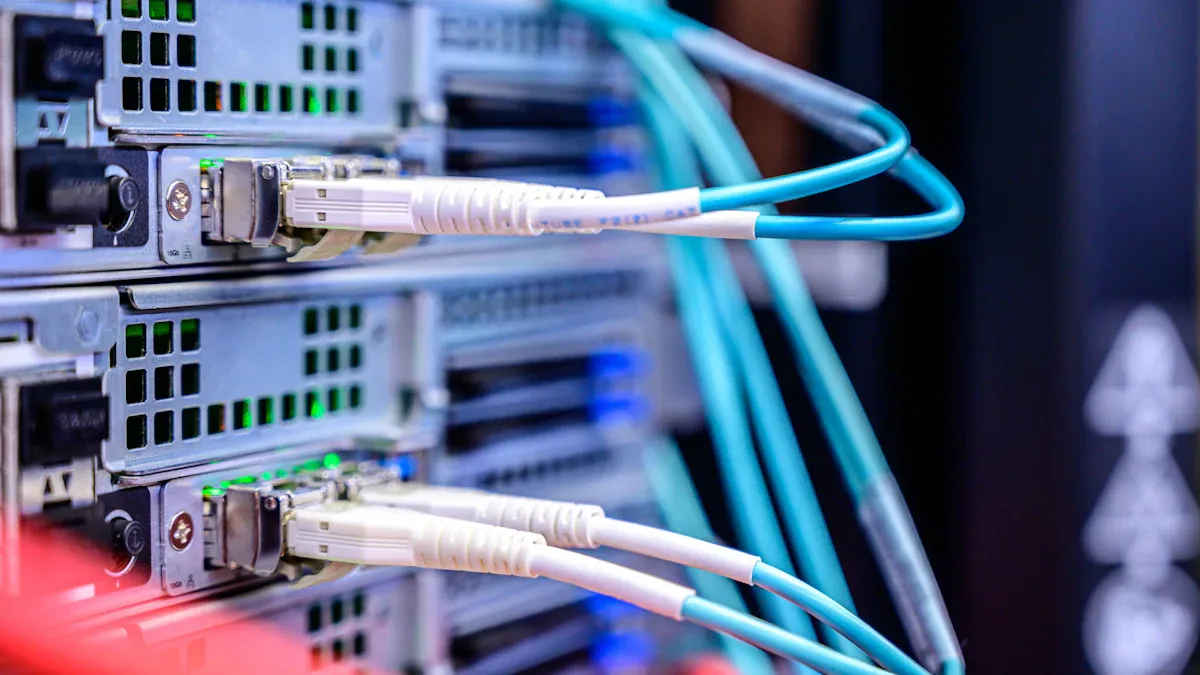
Many people use an rj45 coupler to join two ethernet cables when one cable is too short. This method helps users avoid buying a new, longer cable. The coupler acts as a bridge, making it easy to extend ethernet cables for computers, printers, or smart TVs. In large office buildings, rj45 couplers serve as inline connectors. They join shorter cables and help reach devices far from network switches. These couplers support high-speed data up to 10 Gbps and work with Cat5, Cat6, Cat7, and Cat8 ethernet cables. Most users limit the extension to one coupler per run to keep the signal strong. Different types of ethernet couplers, such as inline, keystone, and waterproof, fit both indoor and outdoor needs.
- Join two patch cords for quick cable extension
- Avoid re-running cables in homes and offices
- Use within the 100-meter ethernet cable limit
Structured Cabling
Structured cabling systems often use rj45 couplers for flexible network setups. Keystone rj45 couplers snap into wall plates, patch panels, or surface mount boxes. This design allows easy changes and space-saving cable management. The coupler connects two ethernet cables without special tools. It works well in dense areas, such as server rooms or data centers. Users can choose shielded or unshielded couplers based on their needs. Shielded rj45 couplers protect against interference in busy environments.
| Feature | Description |
|---|---|
| Integration | Snaps into wall plates or patch panels |
| Size | Smaller than keystone jacks |
| Installation | Tool-free, simple plug-in |
| Cable Types | Cat5e, Cat6, Cat6a, Cat8 |
| Benefits | Space-saving, flexible, efficient |
Home and Office Use
Home and office networks benefit from rj45 couplers because they offer easy and cost-effective solutions. Unshielded ethernet couplers work well in these settings, where interference is low. Users can extend ethernet cables to connect computers, printers, or gaming consoles. Maintenance and troubleshooting become easier with plug-and-play couplers. In industrial environments, shielded rj45 couplers provide extra protection. They block electromagnetic interference and resist heat, dust, and vibration. Locking mechanisms prevent accidental disconnections.
| Environment | Connector Type | Key Benefits |
|---|---|---|
| Industrial | Shielded rj45 coupler | Protects against EMI, durable, secure connections |
| Home/Office | Unshielded coupler | Low cost, easy install, simple maintenance |
Tip: Use shielded rj45 couplers in factories or areas with heavy machinery for better signal integrity.
Choosing RJ45 Couplers
Compatibility
Selecting the right rj45 coupler starts with checking compatibility. Each coupler must match the cable category, such as Cat5e, Cat6, or Cat6a. Using a coupler with a lower rating than the cable can slow down the network. The table below shows important factors to consider:
| Factor | Explanation |
|---|---|
| Cable Category Compatibility | Match coupler and cable category to keep speeds high. |
| Frequency Support | Cat6a and Cat7 couplers must handle higher frequencies. |
| Shielding | Use shielded couplers with shielded cables for better signal integrity. |
| Connector Type | Inline or keystone couplers affect installation and performance. |
| Conductor Type | Solid or stranded cables need compatible connectors. |
| Environment | Industrial areas need shielded connectors; homes may not. |
| Connector Materials | Gold plating improves signal reliability and resists corrosion. |
A rj45 coupler that matches the cable type helps maintain network speed and reduces signal loss. Using too many couplers in one line can weaken the signal, so limit their use.
Shielding and Quality
Shielding protects the rj45 connection from electromagnetic interference. In offices or factories with lots of electronic devices, shielded rj45 couplers work best. These couplers block outside noise and keep data moving smoothly. Metal couplers offer better protection than plastic ones. The table below compares them:
| Feature | Metal (Shielded) Coupler | Plastic (Unshielded) Coupler |
|---|---|---|
| EMI Protection | High | Low |
| Durability | Excellent | Basic |
| Cost | Higher | Lower |
| Best Use | Industrial, high EMI | Home, office |
High-quality rj45 couplers use gold-plated contacts. Gold resists rust and keeps the signal strong. For outdoor or industrial use, waterproof couplers with strong seals protect against dust and water.
Installation Tips
Installing a rj45 coupler is simple, but following best practices ensures a reliable connection:
- Always match the coupler’s category and shielding to the cable.
- Use as few couplers as possible to keep the signal strong.
- Plug cables in firmly to avoid loose connections.
- For shielded couplers, connect the shield to the ground for best protection.
- Inspect couplers and cables regularly for wear or damage.
Tip: Avoid using IDC couplers for high-speed networks. Inline or keystone rj45 couplers work better for fast data.
Common mistakes include using mismatched categories or poor handling. Regular checks and careful installation help maintain network quality.
RJ45 Performance
Speed and Stability
A network depends on both speed and stability. An rj45 coupler helps users extend connections without losing much speed. When installed correctly, the coupler supports fast data transfer rates, even up to 10 Gbps with high-quality cables. Many offices and homes use rj45 couplers to keep their networks stable. The coupler allows devices to stay connected without frequent drops or interruptions. Shielded rj45 couplers also protect against electromagnetic interference, which keeps the signal clear. Testing the network after adding a coupler ensures that the connection remains strong and reliable.
Limitations
While rj45 couplers offer many benefits, they also have some limits:
- Users should not chain more than three couplers in a single cable run. More than this can weaken the data signal.
- The total length of the Ethernet cable, including all couplers, must stay under 100 meters (328 feet). Longer runs can cause signal loss and slow data speeds.
- For distances over 100 meters, network switches or PoE extenders work better than couplers.
- Too many couplers can increase the risk of packet loss and connection drops.
Note: Always check the total cable length and the number of couplers to avoid network problems.
Best Practices
To get the best performance from an rj45 coupler, users should follow these tips:
- Use couplers that match the cable category, such as Cat6A with Cat6A cables.
- Choose high-quality, shielded couplers for areas with lots of electronic devices.
- Limit the number of couplers in each cable run, using no more than two for high-speed networks.
- Keep the total cable length, including couplers, under 100 meters.
- Test the network after installing a coupler to catch any issues early.
- Label cables and use color-coded systems to make troubleshooting easier.
- Use secure crimping techniques and structured cabling to reduce errors and interference.
A well-chosen rj45 coupler keeps the network fast, stable, and easy to manage.
The coupler stands out in 2025 for its miniaturization, improved shielding, and support for high-speed Ethernet.
| Key Benefit | Explanation |
|---|---|
| Miniaturization | Smaller size fits dense server racks. |
| Improved Shielding | Protects against EMI in busy environments. |
| Increased Durability | Handles frequent use and harsh conditions. |
| Application Diversity | Works in electronics, telecom, and automation. |
A coupler enables quick cable extensions, modular setups, and reliable upgrades. Users should select the right coupler, limit the number per run, and test connections for best results. For more on network optimization, resources cover cable management, shielding, and proper installation.
FAQ
What devices can connect using an RJ45 coupler?
Most computers, printers, gaming consoles, and smart TVs use Ethernet cables. An RJ45 coupler connects these devices by joining two Ethernet cables. This helps users extend their network easily.
Does using a coupler slow down my network?
A single coupler does not slow down most home or office networks. Users should avoid using more than two in one cable run. Too many can weaken the signal and reduce speed.
Can I use an RJ45 coupler outdoors?
Some couplers have waterproof and dustproof designs. These work well outdoors or in harsh environments. Users should choose shielded and weather-resistant models for the best protection.
How do I know if my cables and coupler are compatible?
Check the cable category, such as Cat5e or Cat6. The coupler must match or exceed the cable’s rating. This ensures the network runs at the highest possible speed.
What is the best way to install an RJ45 coupler?
Users should push both cable ends firmly into the coupler until they click. Testing the connection after installation helps confirm a strong and stable link.
Tip: Label cables after connecting for easier troubleshooting later.