What You Need to Know About Potential Transformers
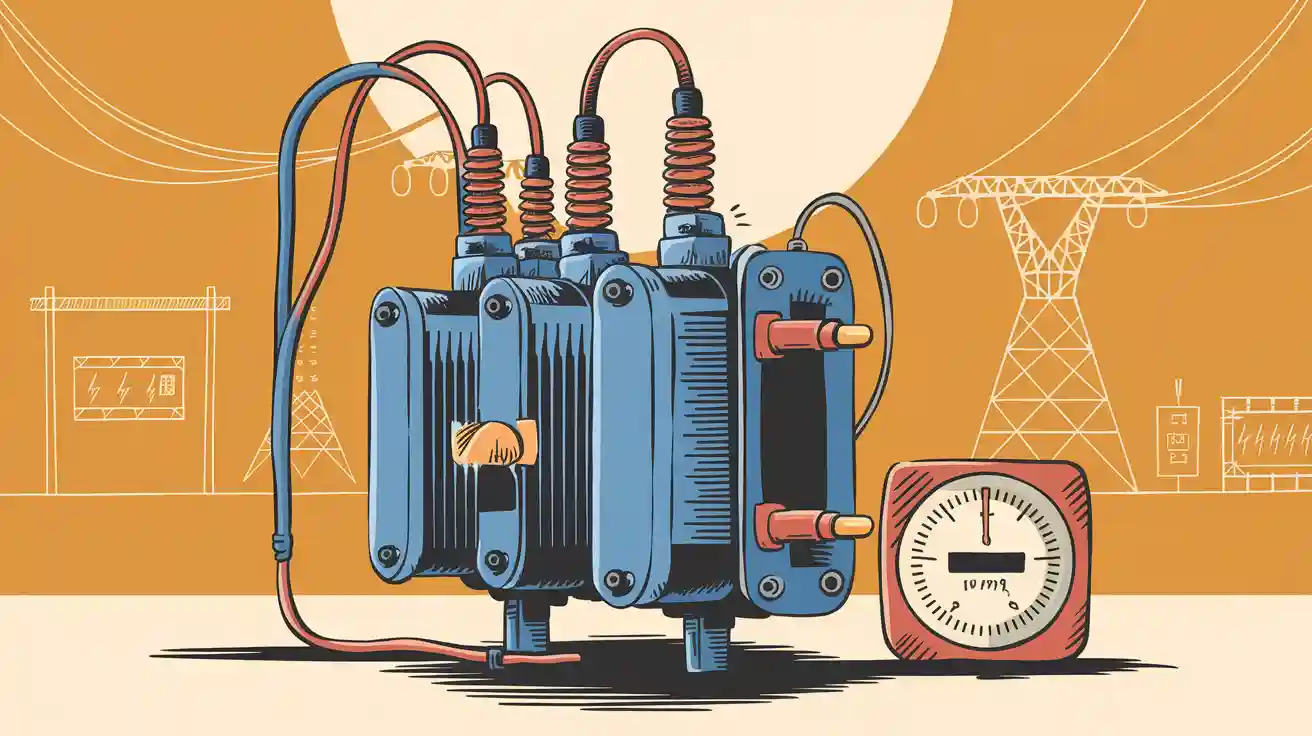
A potential transformer lets you measure high voltages safely by reducing them to lower, manageable levels. You can rely on these devices for accurate voltage measurement, meeting strict regulations for safety and precision:
| Regulation | Description |
|---|---|
| Wisconsin PSC 113.0916 | Requires accuracy testing before use, after removal, or if a problem is suspected. |
| Wisconsin PSC 113.0917 | Sets strict limits for accuracy, requiring transformers to stay within ±1.0% before use and ±2.0% during service. |
| Federal rules (10 CFR Appendix A to Subpart K) | Only allows transformers with a 0.3 metering accuracy class or better. |
Today, demand for potential transformers rises as more renewable energy sources join power grids.
- The global market size is expected to grow from USD 25.47 billion in 2024 to USD 45.82 billion by 2033.
- Growth comes from higher electricity demand, aging infrastructure, and renewable energy integration.
Key Takeaways
- Potential transformers safely measure high voltages by stepping them down to manageable levels, ensuring accurate readings and protecting equipment.
- Regular maintenance is crucial for potential transformers to ensure reliability, especially in high-voltage applications and renewable energy environments.
- Choosing the right type of potential transformer—electromagnetic, capacitive, or electronic—depends on your specific application and environmental conditions.
Potential Transformer Basics
What Is a Potential Transformer
You use a potential transformer to safely measure high voltages in power systems. This device steps down dangerous voltages to levels that your meters and protection devices can handle. You can trust a potential transformer to keep your equipment safe and provide accurate readings.
A potential transformer has several important functions in electrical systems:
| Function | Description |
|---|---|
| Voltage Measurement | Steps down high voltage to a lower, measurable level through electromagnetic induction. |
| Electrical Isolation | Keeps your measuring equipment safe by separating it from high-voltage spikes. |
| System Protection | Sends accurate voltage readings to relays, helping them spot problems in the system. |
| Energy Efficiency | Ensures precise voltage measurements, which helps maintain power quality and efficiency. |
You will find potential transformers in substations, power plants, and industrial sites. They help you monitor, control, and protect your electrical network.
A typical potential transformer contains several key parts:
| Component | Description |
|---|---|
| Core | Made from laminated silicon steel to reduce energy loss and boost efficiency. |
| Windings | The primary winding connects to the high-voltage side, while the secondary winding gives you a safe, lower voltage. |
| Insulation System | Uses materials like oil-impregnated paper or epoxy resin to keep electricity where it belongs. |
| Enclosure | A sealed case, often metal or plastic, protects the inside from dirt and damage. |
| Bushing | An insulated connector lets you safely attach the transformer to outside circuits. |
How Potential Transformers Work
A potential transformer works by using electromagnetic induction. You connect the primary winding across the high-voltage line. The transformer then creates a magnetic field in its core. This field induces a lower voltage in the secondary winding. You can measure this lower voltage with a standard voltmeter.
The number of turns in the primary winding is much higher than in the secondary winding. This design lets the transformer reduce the voltage to a safe level. The transformer keeps the voltage ratio steady, so your measurements stay accurate. You can rely on this process for both measurement and protection.
Tip: Always use a potential transformer when you need to measure or monitor high voltages. This keeps you and your equipment safe.
Types of Potential Transformers
You can choose from several types of potential transformers, each with its own working principle and best use. The main types of potential transformers include:
| Type of Transformer | Working Principle |
|---|---|
| Electromagnetic Potential Transformer | Uses electromagnetic induction to change voltage levels. |
| Electronic Potential Transformer | Uses sensors to detect voltage or current, then sends a signal to your measuring instruments. |
| Capacitive Potential Transformer | Uses a series of capacitors and a transformer to step down voltage, often for long-distance or high-frequency uses. |
You will see electromagnetic types most often in general metering and protection. Capacitive types work well for remote measurement and communication over long distances. Electronic types use advanced sensors and are common in modern digital systems.
Here are some common uses for different types of potential transformers:
- Measuring high voltages in substations and power plants
- Protecting electrical equipment from dangerous voltage spikes
- Metering for energy billing
- Monitoring industrial loads
- Supporting power line communication networks
- Synchronizing generators and feeders
Note: The types of potential transformers you choose depend on your application, the voltage level, and the environment where you install them.
Role in Modern Power Systems
Role of Power Transformers in the Grid
You depend on potential transformers to keep modern power systems safe and reliable. These devices play a key role in voltage measurement, protection, and the stability of electrical grids. When you use a measuring potential transformer, you step down high voltage to a level that your meters and relays can handle. This process helps you avoid direct contact with dangerous voltages and keeps your equipment safe.
Potential transformers support the role of transformers in high-voltage transmission networks. They allow you to monitor and control voltage levels across the grid. By sending accurate signals to protective relays, they help you detect overvoltages or undervoltages quickly. This action triggers safety devices that protect both people and equipment.
Here is how potential transformers contribute to protection schemes in high-voltage transmission:
| Function | Benefit |
|---|---|
| Step down high voltage for measurement | Prevents accidents and allows safe, accurate voltage measurement with standard equipment |
| Isolate measuring devices from high voltage | Protects personnel and equipment from electrical faults and failures |
| Send voltage signals to protective relays | Helps relays take action to prevent damage during voltage problems |
You also see innovations in power transformer technology, such as solid-state transformers. These advanced devices give you more flexibility and adaptability. They help you manage dynamic power flows and support both grid-connected and island modes. This flexibility is essential for maintaining stability in modern power systems, especially when you face disturbances or outages.
"A normal standard transformer doesn’t communicate with the grid."
This statement highlights why you need smarter transformers for modern energy demands. Solid-state transformers can communicate, regulate voltage, and support real-time optimization.
Applications in Renewable Energy Integration
The integration of renewable energy has changed the way you use transformers. You now need devices that can handle fluctuating energy outputs from sources like solar and wind. Potential transformers help you manage these changes by providing accurate voltage transformation and measurement.
You use transformers in many ways to support renewable energy:
- Step up voltage for efficient transmission of electricity from solar panels and wind turbines.
- Convert and stabilize electrical energy to match grid requirements.
- Transport renewable energy over long distances, making clean energy available for homes.
- Handle the variability of solar and wind power, ensuring grid compatibility.
- Maintain reliability by stepping voltage up or down as needed in wind and solar installations.
The rapid growth of renewable energy has increased the demand for advanced transformer technologies. You now face new challenges in grid stability and voltage regulation. Traditional transformers may not be enough. You need smarter, more efficient devices to manage dynamic and fluctuating loads.
Here are some challenges you face with transformers in renewable energy environments:
| Challenge | Description |
|---|---|
| Fluctuations in Energy Output | Solar and wind depend on sunlight and wind speed, which can strain transformers and the grid. |
| Grid Compatibility Issues | Renewable systems often use lower voltages, so transformers must handle different voltages and frequencies. |
| Overloading Risks | Sudden surges in renewable energy can overload transformers, causing inefficiency or damage. |
| Maintenance and Durability | Transformers in remote locations face harsh weather and limited access for repairs. |
| Cost of Implementation | High-quality, renewable-compatible transformers can be expensive, especially for small projects. |
You must select the right transformer for each application. Consider voltage, current, capacity, environmental factors, maintenance needs, and cost. This careful selection ensures safe and efficient power delivery in electricity distribution systems.
Advantages and Limitations
Potential transformers offer many advantages in modern power systems. You get accurate voltage measurement, which helps you monitor and control high voltage safely. These devices enhance electrical safety by reducing the risk of direct exposure to dangerous voltages. They also protect power systems by working with relays to detect faults and trigger circuit breakers.
Here are the main benefits you gain from using potential transformers:
- Accurate voltage measurement for safe monitoring.
- Enhanced electrical safety for personnel and equipment.
- Protection of power systems from voltage fluctuations and faults.
- Stable power distribution with reduced energy losses.
- Support for automation and control in SCADA systems.
Potential transformers also help you achieve efficient transmission and distribution of electricity. They maintain proper voltage levels, which reduces losses and improves the quality of power delivered to homes and businesses.
However, you should know the limitations. Voltage transformers have a higher failure rate than current transformers in high-voltage applications. In the 150 kV network, voltage transformer failures are more common, even though current transformers have shorter lifespans. Transformers in renewable energy environments face extra stress from fluctuating outputs and harsh conditions.
To ensure long-term reliability, you need regular maintenance. Check insulation, windings, cooling systems, bushings, and oil levels. Schedule annual inspections, and increase frequency for critical units or harsh environments.
When you use potential transformers wisely, you support the reliability and safety of modern power systems. You also help with the transition to smart grids and the integration of renewable energy. The importance of transformers will only grow as you move toward cleaner and more efficient electricity distribution systems.
You rely on potential transformers to measure high voltages safely and accurately.
- They step down voltage, provide isolation, and support metering and protection.
- Types include electromagnetic, capacitive, and optical.
| Benefit | Limitation |
|---|---|
| Improved safety | Scalability issues |
| Better power quality | Computational efficiency |
Choose the right transformer for reliable and safe power systems.
FAQ
What is the main purpose of a potential transformer?
You use a potential transformer to safely measure high voltages. It steps down the voltage so your meters and protection devices can read it accurately.
How do you choose the right potential transformer for your system?
Always check your system voltage, current, and environment. Pick a transformer that matches your needs and meets safety standards.
Can you use a potential transformer for both measurement and protection?
Yes, you can.
- Use it for voltage measurement.
- Connect it to relays for system protection.