Understanding the Main Differences Between NiMH and Lithium Batteries for Daily Use
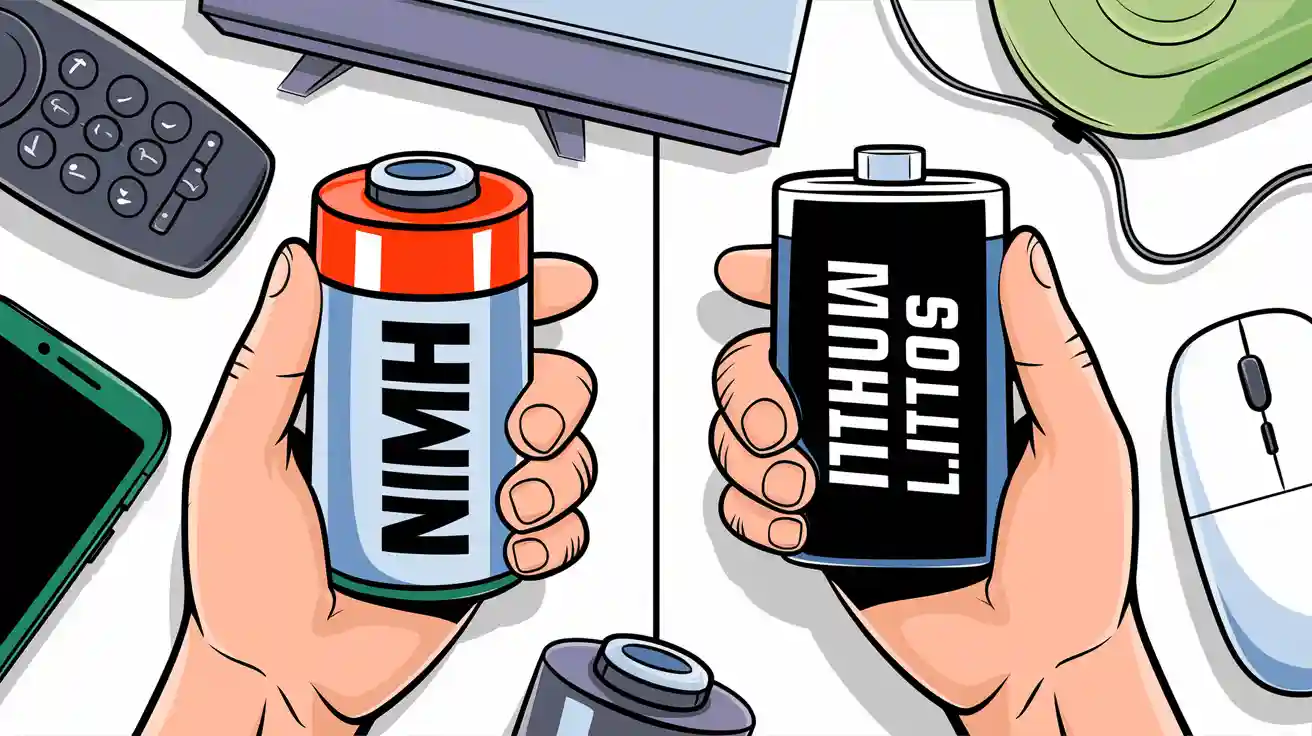
If you wonder about the main differences between nimh or lithium batteries for daily use, you’ll notice a few important things right away. You get more power with a lithium-ion battery because it packs a higher energy density. You’ll find your rechargeable battery lasts longer since lithium-ion batteries lose less charge when sitting idle. You don’t have to worry about memory effects or regular cycling, which makes life easier if you use rechargeable batteries every day. Picking the right battery can save you money, keep your devices running smoothly, and help you avoid safety issues or compatibility problems.
Key Takeaways
- Lithium-ion batteries offer higher energy density, meaning they provide more power in a smaller size, making them ideal for high-drain devices like smartphones and laptops.
- NiMH batteries are more affordable upfront and work well in low-drain devices such as TV remotes and toys, making them a cost-effective choice for everyday use.
- Lithium-ion batteries charge faster, reaching 80% in under an hour, while NiMH batteries take 4-6 hours to fully charge, which is important for users needing quick power.
- Consider the safety of your devices; NiMH batteries are generally safer for children’s toys, while lithium-ion batteries require careful handling to avoid overheating.
- Always recycle old batteries to protect the environment; look for local recycling centers to ensure safe disposal and recovery of valuable materials.
NiMH or Lithium Batteries: Quick Comparison
Main Differences
When you look at nimh or lithium batteries, you see some big differences in how they work and what they offer. You want to know which battery fits your needs, so let’s break it down.
Here’s a quick table that shows you the main specs side by side:
| Feature | NiMH Batteries | Lithium-Ion Batteries |
|---|---|---|
| Voltage per cell | 1.25V | 3.7V (typical) |
| Energy Density | 55-110 Wh/kg | 100-300 Wh/kg |
| Power Density | 100-500 W/kg | 500-5000 W/kg |
| Cycle Life | 500-800 cycles | 700-950 cycles (can be much higher) |
| Charging Time | 4-6 hours | Under 1 hour (to 80%) |
| Self-Discharge Rate | ~20% per month | 5-10% per month |
You notice that lithium-ion batteries give you more energy in a smaller package. They also hold their charge longer when you leave them unused. If you want a battery that charges fast, lithium-ion batteries win again. NiMH batteries take longer to charge and lose power faster when sitting on the shelf.
Let’s look at battery performance in more detail:
| Characteristic | NiMH Batteries | Lithium-Ion Batteries |
|---|---|---|
| Cell Voltage (V) | 1.2 | 3.6 |
| Specific Energy (Wh/kg) | 1 – 80 | 3 – 100 |
| Specific Power (W/kg) | <200 | 100 – 1000 |
| Energy Density (kWh/m3) | 70 – 100 | 80 – 200 |
| Power Density (MW/m3) | 1.5 – 4 | 0.4 – 2 |
| Efficiency (%) | 81 | 99 |
You see that lithium-ion batteries have higher efficiency and energy density. That means you get more power and longer use from a smaller battery. NiMH batteries still work well for many uses, but they can’t match the capacity or speed of lithium-ion batteries.
Which Is Better for Daily Use?
You probably use batteries every day in your favorite devices. Some need nimh batteries, while others work best with lithium-ion batteries. Here’s a table to help you see where each battery type fits:
| Battery Type | Common Devices | Reasons for Use |
|---|---|---|
| NiMH | TV remotes, digital cameras, cordless phones, AA/AAA cells | Durable, safe, good for low-to-moderate power needs |
| Lithium-Ion | Smartphones, laptops, electric vehicles, drones, power tools | Efficient, lightweight, long life, high energy, fast charging |
If you use consumer electronics like smartphones or laptops, you rely on lithium-ion batteries. These batteries give you more energy, last longer, and charge quickly. You also find lithium-ion batteries in electric vehicles and cordless tools because they need lots of power and fast charging.
NiMH batteries still have a place in your home. You often use them in TV remotes, digital cameras, and cordless phones. They work well in rechargeable AA or AAA batteries. NiMH batteries are safe and durable, so you don’t have to worry about them overheating or catching fire. You can use them in applications where you don’t need high capacity or fast charging.
Tip: If you want a battery for high-drain devices or consumer electronics that you use all day, pick lithium-ion batteries. For simple gadgets or when you want a safe, budget-friendly option, nimh batteries do the job.
You see that battery technology keeps changing. Today, lithium-ion batteries lead in most consumer electronics because of their high energy density and fast charging. NiMH batteries still shine in applications where safety and durability matter more than speed or capacity.
When you choose between nimh batteries and lithium-ion batteries, think about your device, how often you use it, and what you need most—speed, power, or safety. This way, you get the best battery performance for your daily life.
NiMH Batteries Overview
Chemistry and Voltage
You might wonder what makes nimh batteries work. These batteries use nickel and metal hydride materials inside. When you charge or use a nimh battery, a chemical reaction happens between the nickel and the hydride. This reaction stores and releases energy for your devices.
A nimh battery usually has a voltage range between 0.9 and 1.5 volts. When fully charged, it reaches about 1.5 volts. This stable voltage helps your devices run smoothly. You can use nimh batteries in many modern gadgets because they fit well with the voltage needs of both small and large tools.
Here are some reasons why nimh batteries stay popular:
- They work in many devices, from remotes to power tools.
- The voltage stays steady, so your gadgets perform well.
- You can recharge them hundreds of times.
Pros and Cons
Nimh batteries come with both strengths and weaknesses. Let’s break them down so you can decide if they fit your needs.
| Advantages of NiMH Batteries | Disadvantages of NiMH Batteries |
|---|---|
| Good power performance with high specific power | Can get hot during charging, which may cause safety issues |
| Work well in cold weather | Lower energy storage compared to lithium batteries |
| Used in hybrid vehicles and emergency systems | Lower voltage means you need more batteries for big devices |
| Simple to manage and hard to overcharge | Lose charge faster when not in use |
| Long cycle life and less pollution | Cost more because of nickel and cobalt |
You’ll find nimh battery packs in many places. Here are some common uses:
| Application Area | Description |
|---|---|
| Cellular Phones | Used due to compatibility with NiCd devices and high energy density. |
| Camcorders | Provides reliable power for video recording. |
| Power Tools | Offers high power discharge capability over a wide temperature range. |
| Digital Cameras | Favored for their ability to be recharged multiple times. |
| Hybrid Electric Vehicles | Plays a crucial role in reducing reliance on fossil fuels. |
| Emergency Systems | Essential for medical equipment and fire alarms where reliability is critical. |
You get several advantages of nickel metal hydride battery packs, like strong performance, high energy density, and being more eco-friendly than some other batteries. Still, you should watch out for their faster self-discharge and higher cost.
Tip: If you want a battery that works in many devices and can handle lots of recharges, nimh batteries are a solid choice. Just remember to charge them before long-term storage.
Lithium-Ion Batteries Overview
Chemistry and Voltage
You see lithium-ion batteries everywhere these days. They power your phone, laptop, and even electric cars. These batteries use lithium ions that move between two electrodes inside the battery. This movement stores and releases energy for your devices.
A lithium-ion battery usually has a nominal voltage between 3.6V and 3.7V per cell. This voltage gives your devices the power they need to run smoothly. If you keep the voltage in the right range, your battery lasts longer and works better. Dropping below the minimum voltage can damage the battery. Charging above the maximum voltage can cause overheating or even fires.
Here’s a quick look at voltage ranges for different lithium-based batteries:
| Battery Type | Nominal Voltage (V) | Minimum Voltage (V) | Maximum Voltage (V) |
|---|---|---|---|
| Lithium-Ion | 3.7 | 2.5–3.0 | 4.2 |
| LiFePO4 | 3.2 | 2.8–3.2 | 3.6–3.8 |
| LiPo | 3.7 | 2.5–3.0 | 4.2–4.3 |
You get strong and steady power from lithium-ion batteries. That’s why you find them in so many devices.
Note: Keeping your lithium-ion battery within the recommended voltage range helps you avoid problems and keeps your device running longer.
Pros and Cons
Lithium-ion batteries have changed how you use electronics. You get more power in a smaller package. You can recharge them quickly and use them for hundreds of cycles. Here are some reasons why you see lithium-ion batteries in so many products:
- Smartphones
- Laptop Computers
- Electric Vehicles
- Power Tools
- Medical Devices
- Drones
- Cameras
- Toys
- Cordless Power Tools
- E-Bikes
- Headlamps
- E-Cigarettes
- Flashlights
- Toothbrushes
- Musical Instruments
You might wonder about the good and bad sides of lithium-ion batteries. Here’s a simple list:
- High energy density lets you use smaller batteries for big jobs.
- Long cycle life means you can recharge them many times.
- Fast charging saves you time.
- Expensive upfront cost can be a downside.
- Capacity drops as the battery ages.
- Safety concerns include overheating and fire risk.
- Making and throwing away batteries can harm the environment.
- Extreme temperatures can affect battery performance.
Tip: If you want a battery that lasts long, charges fast, and fits in small devices, lithium-ion batteries are a smart choice. Just remember to handle them with care and avoid extreme heat or cold.
Lifespan and Durability
Charge Cycles
When you pick batteries for your daily gadgets, you want them to last as long as possible. The number of times you can charge and use a battery before it wears out is called its charge cycle. This is a big deal if you use batteries every day. Some batteries can handle more charging and last longer, which means you do not have to replace them as often.
Here is how the average charge cycles compare:
- NiMH batteries usually give you about 600 charge cycles.
- Lithium-ion batteries can reach up to 2100 charge cycles if you treat them well.
You can see that lithium-ion batteries have a much longer cycle life. If you want batteries with a long cycle life, lithium-ion is the winner. You will spend less time and money replacing batteries, and your devices will keep working longer. NiMH batteries still work well for many uses, but they do not last as long as lithium-ion batteries. If you use batteries in things like cameras, toys, or remotes, you might notice you need to swap out NiMH batteries more often.
Self-Discharge Rate
Self-discharge is what happens when batteries lose their charge even when you are not using them. This can be a problem if you store batteries for a long time. Some batteries hold their charge better than others, so you do not have to worry about them running out of power when you need them.
Here is a quick look at how NiMH and lithium-ion batteries compare:
| Battery Type | Self-Discharge Rate | Charge Retention After 10 Years | Recharge Life (Cycles) |
|---|---|---|---|
| NiMH | Up to 15% per year | 70% | 500 (high-capacity) |
| Li-ion | Variable, affected by temperature and humidity | Not specified | Not specified |
NiMH batteries can lose up to 15% of their charge each year, even if you do not use them. Lithium-ion batteries have a self-discharge rate that changes with temperature and humidity, but they usually hold their charge better. If you want batteries that stay ready for action, lithium-ion batteries are a smart pick. You get a long cycle life and less worry about losing power during storage.
Tip: If you want batteries with a long cycle life and low self-discharge, lithium-ion batteries are your best bet for most modern devices.
Safety Factors
Risks
When you use rechargeable batteries, you want to feel safe. Both NiMH and lithium-ion batteries come with their own safety concerns. Most of the time, you will not have problems, but accidents can happen. Here is a table that shows how often injuries and fatalities happen with different battery-powered products:
| Category | Total Injuries | Total Fatalities |
|---|---|---|
| Consumer Products | 2,178 | 199 |
| Electric Vehicles (>20MPH) | 192 | 103 |
| Micro-Mobility Devices (<20MPH) | 1,982 | 340 |
| Energy Storage Systems | 65 | 4 |
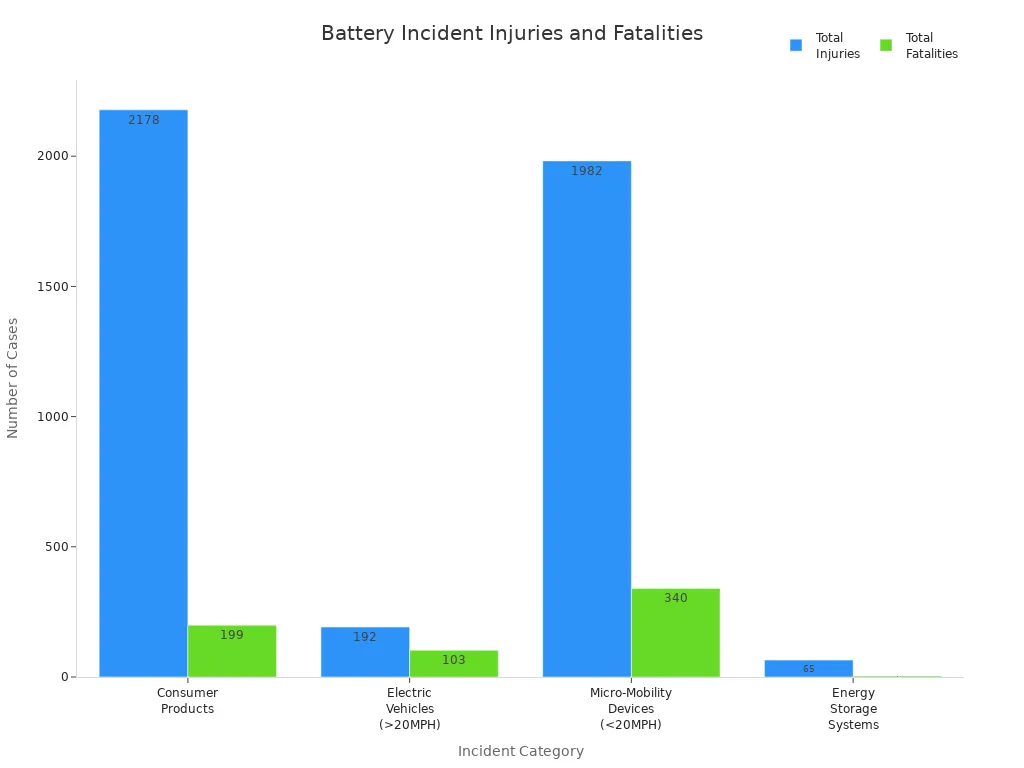
You see that most incidents happen with consumer products and micro-mobility devices. Lithium-ion batteries cause more safety issues because they store more energy in a small space. Here are the main risks you should know about:
- Thermal runaway can make a battery catch fire or even explode if it gets too hot or damaged.
- Chemical reactions inside a damaged battery can be dangerous.
- Overcharging wears out batteries and increases fire risk.
- Dropping or puncturing a battery can cause it to fail or explode.
- Extreme temperatures can make batteries stop working or become unsafe.
NiMH batteries are safer in most cases, but you should still handle them with care.
Handling Tips
You can lower your risk by following some simple safety tips. Here is what you should do:
- Handle batteries with care. Try not to drop them or let them get crushed.
- Store batteries in a cool, dry place. Keep them away from heat and moisture.
- Use non-conductive containers to organize batteries and prevent short circuits.
- Make sure batteries have good ventilation. Do not keep them in closed spaces where heat can build up.
Tip: Always use the right charger for your battery type. This helps prevent overcharging and keeps your devices safe.
If you follow these steps, you can avoid most safety problems. You will keep your devices running and protect yourself from accidents. Remember, safety starts with how you use and store your batteries.
Cost and Value
Upfront Cost
When you shop for batteries, you probably notice the price tag first. NiMH batteries usually cost less when you buy them for your devices. You can pick up a pack of AA or AAA NiMH batteries for a few dollars. This makes them a cost effective choice for families who need batteries for remotes, toys, or flashlights. You save money right away because NiMH batteries have a lower initial price.
Lithium-ion batteries cost more at the start. You pay extra because these batteries use advanced chemistry and give you better performance. If you need a battery for your phone, laptop, or power tool, you will see the cost difference. The higher price comes from the technology inside lithium-ion batteries. You get more energy and faster charging, but you spend more upfront.
Here’s a quick table to show the cost difference for common device sizes:
| Battery Type | Upfront Cost (per cell) | Typical Devices |
|---|---|---|
| NiMH | Low | Remotes, cameras |
| Lithium-Ion | High | Phones, laptops |
If you want a cost effective solution for everyday gadgets, NiMH batteries help you stick to your budget.
Long-Term Value
You might wonder if paying more for lithium-ion batteries is worth it. Let’s look at the long-term value. NiMH batteries cost less at first, but they do not last as long. You get fewer recharge cycles, so you may need to buy new batteries sooner. This can add up over time.
Lithium-ion batteries cost more, but they last longer. You get more charge cycles and lower maintenance. These batteries stay strong for years, so you do not have to replace them often. For devices you use every day, lithium-ion batteries can be more cost effective in the long run.
Here’s what you need to know about total cost of ownership:
- NiMH batteries have a lower initial purchase cost compared to lithium-ion batteries.
- NiMH batteries have a shorter lifespan and fewer recharge cycles.
- Lithium-ion batteries offer longer life and lower maintenance costs.
- For everyday devices, the cost savings of NiMH batteries can be significant when considering total cost of ownership.
If you use batteries in high-drain devices, lithium-ion batteries give you better value over time. For simple gadgets, NiMH batteries keep things cost effective. You should think about how often you use your devices and how many batteries you need. This helps you pick the most cost effective option.
Tip: Always check how many recharge cycles you get before you buy. This helps you see the real cost difference between battery types.
Performance in Devices
Energy Density
When you pick a battery for your device, you want it to last as long as possible before you need to recharge. Energy density tells you how much power a battery can store for its size and weight. If you use a battery with high energy density, your device runs longer and feels lighter.
Let’s look at how NiMH and lithium-ion batteries compare:
| Battery Type | Energy Density (Wh/kg) |
|---|---|
| Lithium-ion | 150-250 |
| NiMH | 60-120 |
You see that lithium-ion batteries pack more energy into the same space. If you use a smartphone, laptop, or drone, you get more hours of use with lithium-ion. NiMH batteries work well for things like TV remotes or toys, but they don’t last as long in high-drain devices. You might notice that your flashlight with a NiMH battery needs charging more often than one with a lithium-ion battery.
Tip: If you want your device to be light and run for hours, choose lithium-ion batteries. You get more power without extra weight.
Charging Speed
Charging speed matters when you need your device ready fast. You don’t want to wait all day for your battery to fill up. Lithium-ion batteries charge much quicker than NiMH batteries. You can get most lithium-ion batteries up to 80% in under an hour. NiMH batteries usually take four to six hours to reach a full charge.
Here’s a quick list to help you remember:
- Lithium-ion: Fast charging, ready in less than an hour.
- NiMH: Slow charging, takes several hours.
If you use your device all day, fast charging saves you time. You can plug in your phone or laptop for a short break and get enough power to keep going. NiMH batteries work fine for devices you don’t use often, but you need to plan ahead if you want them charged.
Note: Always use the charger made for your battery type. This keeps your battery healthy and helps it charge safely.
Rechargeable Battery Compatibility
Charger Types
When you look for a charger, you want one that matches your battery type. Not all chargers work for every battery. You need to know the differences so you don’t damage your batteries or your devices. Here’s what you should keep in mind:
- NiMH battery chargers work with nickel-metal hydride batteries. These chargers use a lower voltage and slower charging speed. You often see them with AA or AAA batteries. NiMH chargers help prevent the memory effect, but you should still let your batteries discharge fully sometimes.
- Lithium-ion battery chargers are made for lithium-ion batteries. These chargers use a higher voltage and charge much faster. You find them with phones, laptops, and power tools. Lithium-ion chargers protect against overcharging and overheating.
- Universal chargers claim to work with both types, but you need to check the settings. Using the wrong charger can shorten battery life or cause safety problems.
Tip: Always match your charger to your battery type. Using the wrong charger can lead to overheating or even fire.
Device Fit
You want your battery to fit your device perfectly. The size and shape of your battery matter just as much as the chemistry inside. Let’s compare how NiMH and lithium-ion batteries fit into popular devices:
| Battery Type | Size Compatibility | Voltage Output | Device Compatibility |
|---|---|---|---|
| NiMH | Standard sizes (AAA, AA) | 1.2V per cell | Works in many devices |
| Lithium-Ion | Varies by manufacturer | 3.7V per cell | Limited to specific devices |
NiMH batteries come in standard sizes like AA and AAA. You can use them in remotes, toys, flashlights, and cameras. You just pop them in and go. Lithium-ion batteries have different shapes and sizes. Manufacturers design them for specific devices, like smartphones or laptops. You can’t swap them between devices as easily.
If you want flexibility, NiMH batteries give you more options. You can buy a pack and use them in lots of gadgets around your home. If you need high power for a special device, lithium-ion batteries are the way to go, but you’ll need the exact size and shape.
Note: Before you buy a battery, check your device’s manual for the right type and size. This helps you avoid frustration and keeps your gadgets running smoothly.
Environmental Impact
Recycling
You might wonder what happens to your old batteries after you stop using them. Recycling plays a big role in keeping the planet healthy. When you recycle batteries, you help save resources and reduce pollution. Not all batteries get recycled, though. Some end up in landfills, which can cause problems for the environment.
Here’s how recycling rates look around the world:
- The European Union wants to recycle 65% of lithium-ion batteries by 2025.
- By 2030, the goal is to reach a 70% recycling rate for lithium-ion batteries.
- Only about 50% of NiMH batteries are estimated to be available for recycling.
You see that recycling rates for batteries are not perfect. Many batteries still get thrown away. If you recycle your batteries, you help keep harmful materials out of nature. You also make sure valuable metals get used again instead of being wasted.
Tip: Always look for a battery recycling center in your area. Many stores and community centers collect used batteries for safe recycling.
Disposal
Throwing batteries in the trash might seem easy, but it can hurt the environment. When you toss lithium-ion batteries or NiMH batteries into the garbage, you risk leaking dangerous chemicals into the soil and water. These chemicals, like cobalt, manganese, and nickel, can poison plants, animals, and even people. Sometimes, batteries in landfills can catch fire. These fires release toxic smoke and gases that pollute the air and harm your health.
Improper disposal of batteries creates even more problems when recycling systems are weak or people dump batteries illegally. Toxic gases and heavy metals from batteries can last a long time in the environment. They can damage ecosystems and make places unsafe for living things.
You can help by never throwing batteries in the regular trash. Instead, use special drop-off points or recycling programs. This small step protects your community and the planet.
Note: Always store used batteries in a safe container until you can recycle them. This keeps your home safe and helps the environment.
Choosing the Right Battery
User Needs
You want the right rechargeable battery for your device, but the choice can feel confusing. Start by thinking about how you use your gadgets every day. Some devices need more power, while others work fine with less.
- If you use TV remotes, toys, or children’s products, nimh batteries are a smart choice. They are safe, cost-effective, and work well in low-drain devices.
- For high-drain devices like cameras, power tools, or drones, lithium-ion batteries give you better battery performance. They are lightweight and keep their charge longer, making them perfect for portable applications.
- Always check the capacity of the battery. A higher capacity means your device runs longer before you need to recharge.
- Think about safety concerns. If you want a battery for kids’ toys or emergency systems, nimh battery packs are often safer.
- Consider the best applications for nickel metal hydride battery packs. These include hybrid vehicles, emergency lights, and devices that need steady power.
When you make your choice, look at the device type, power needs, safety, cost, and environmental impact. This helps you match the right battery technology to your daily life.
Practical Tips
You can get more from your rechargeable batteries with a few simple habits. Here are some tips to help you:
- Use a charger made for your battery type. This keeps your nimh batteries and lithium-ion batteries healthy.
- Charge at room temperature. Avoid charging in very hot or cold places to protect battery performance.
- Store batteries at about 50% charge if you will not use them for a while.
- Power off your device while charging. This reduces stress on the battery.
- Do not let your battery drain all the way. Try to keep the charge above 10% for longer life.
- For nimh battery packs, use and recharge them often. This keeps their capacity strong.
- Check stored rechargeable batteries every few months and recharge if needed.
Tip: Always recycle your old rechargeable batteries. This helps the environment and keeps harmful materials out of landfills.
Your choice matters. The right rechargeable battery can save you money, keep your devices running, and reduce waste. Think about your needs, the best applications for nickel metal hydride battery packs, and the benefits of new battery technology. With these tips, you can make the best choice for your daily life.
When you compare nimh or lithium batteries, you see clear differences in energy density, cost, and safety. Check out this quick table:
| Feature | NiMH Batteries | Lithium-Ion Batteries |
|---|---|---|
| Energy Density | Lower | Higher |
| Cost | More affordable | Pricier |
| Safety | Less sensitive | Needs careful handling |
You should always think about your device and how you use it. Experts suggest you:
- Pick the battery that matches your device’s power needs.
- Decide if you want nimh or lithium batteries for high-drain or low-drain gadgets.
- Balance cost, performance, and environmental impact.
If you want more info, check out these guides:
- Beginner’s guide to rechargeable batteries
- Tips for choosing the best battery for your needs
- Insights on eco-friendly battery options
Making smart choices about nimh or lithium batteries helps your devices last longer and keeps you safe.
FAQ
Can I use NiMH batteries in devices made for lithium-ion batteries?
No, you cannot. Most devices need a specific voltage and battery shape. NiMH and lithium-ion batteries have different voltages and sizes. Always check your device manual before swapping battery types.
Why do my NiMH batteries lose charge when not in use?
NiMH batteries have a higher self-discharge rate. They slowly lose power even when you do not use them. If you want batteries that hold a charge longer, lithium-ion batteries work better for storage.
Are lithium-ion batteries safe for kids’ toys?
You should use NiMH batteries for most kids’ toys. NiMH batteries are safer and less likely to overheat. Lithium-ion batteries can get hot or catch fire if damaged or charged incorrectly.
How do I recycle old rechargeable batteries?
Take your used batteries to a local recycling center or a store with a battery drop-off box. Never throw them in the trash. Recycling keeps harmful chemicals out of the environment and helps recover valuable materials.