Explaining the Role of Manifold Absolute Pressure Sensors in Engine Performance
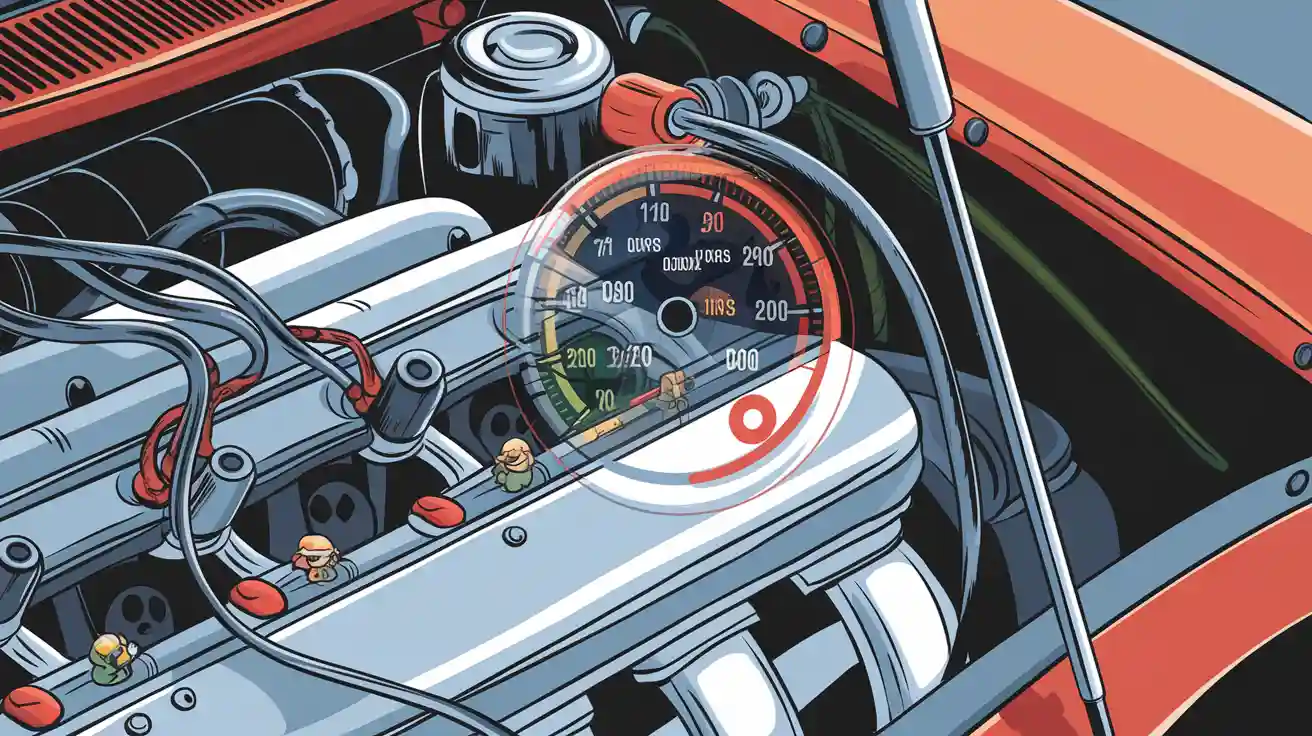
You encounter the manifold absolute pressure sensor every time you start your car. This sensor sits inside the intake manifold and measures the air pressure. Most advanced vehicles—nearly 70%—depend on this device for smooth engine management. When the sensor gives accurate readings, your engine gets the right mix of fuel and air. If the sensor sends wrong information, you may notice poor fuel economy, rough idling, or even stalling. You also help reduce emissions when the sensor works properly.
Key Takeaways
- The manifold absolute pressure sensor measures air pressure in the intake manifold, helping the engine get the right fuel and air mix for better performance.
- Accurate readings from the MAP sensor improve fuel efficiency, reduce emissions, and enhance engine power and responsiveness.
- Regular maintenance of the MAP sensor is crucial. It prevents costly repairs and keeps your engine running smoothly.
- Common symptoms of a failing MAP sensor include poor fuel economy, rough idling, and engine stalling. Pay attention to these signs.
- You can check the MAP sensor's function using simple tools like a multimeter or a scan tool to ensure it operates correctly.
Manifold Absolute Pressure Sensor
What It Is
You find the manifold absolute pressure sensor inside your vehicle’s engine system. This small device plays a big role in how your engine runs. The sensor uses a pressure-sensing chip with a Wheatstone bridge circuit built onto a flexible silicon diaphragm. When air moves through the intake manifold, the diaphragm bends. The sensor changes these movements into electrical signals. Your engine control unit (ECU) reads these signals to know the exact pressure inside the intake manifold.
The manifold pressure sensor helps your engine adjust the fuel mixture for different driving conditions. You get better performance because the sensor tells the ECU how much air is entering the engine. The ECU uses this information to decide how much fuel to inject. This process keeps your engine running smoothly and helps you save fuel.
You see the importance of the manifold absolute pressure sensor in fuel-injected engines. The sensor gives real-time pressure data to the ECU. The ECU uses this data to calculate air density and figure out the air mass flow rate. This calculation helps your engine get the right amount of fuel for each cycle. You notice better combustion and more reliable engine management.
- The manifold absolute pressure sensor provides real-time pressure data to the ECU.
- The ECU calculates air density and air mass flow rate using this data.
- The air mass flow rate helps the engine inject the correct amount of fuel for optimal combustion.
Where It’s Located
You will find the map sensor placed after the throttle body inside the intake manifold. This location lets the sensor measure both vacuum and positive air pressure. The sensor needs to be here because it must detect the true pressure conditions that affect your engine’s performance. When you press the gas pedal, the throttle body opens, and the sensor quickly picks up changes in pressure.
The sensor’s position is critical. It allows the engine control module to adjust the air-fuel mixture and ignition timing based on accurate readings. You get smoother acceleration and better fuel efficiency because the sensor responds to every change in pressure inside the intake manifold.
- The map sensor sits after the throttle body in the intake manifold.
- This spot helps the sensor detect both vacuum and positive pressure.
- Accurate readings from this location help your engine run efficiently.
MAP Sensor Function
How It Works
You rely on the map sensor every time you drive. This small device measures the pressure inside the intake manifold. The map sensor uses a silicon diaphragm that bends when the pressure changes. As you press the gas pedal, the engine load changes, and the diaphragm reacts to these shifts. The bending of the diaphragm changes its electrical properties. The map sensor then creates a weak electrical signal from this movement.
The map sensor does not work alone. It has built-in circuitry that amplifies and processes the signal. This step ensures the signal is strong and accurate enough for your engine control module to read.
Here is how the map sensor measures and sends information:
- The silicon diaphragm inside the map sensor detects pressure changes in the intake manifold.
- When the engine load changes, the diaphragm bends in response.
- This bending alters the electrical properties, creating a weak signal.
- The map sensor amplifies and processes the signal for accuracy.
The map sensor converts these pressure changes into an electrical signal. This signal can be a changing voltage or frequency. The value of the signal matches the actual pressure in the intake manifold. You can see how important this process is for your engine’s performance.
| Engine Load Condition | Voltage Output (V) |
|---|---|
| Overpressure of 0.9 bar (absolute 1.9 bar) | 3.84 |
When your engine works hard, the intake vacuum drops. The map sensor detects this and sends a higher voltage signal. When the engine runs with a light load, the vacuum increases, and the map sensor sends a lower voltage signal.
Signal to ECU
The map sensor sends its electrical signal straight to the engine control unit (ECU). The ECU uses this signal to understand the engine load and the amount of air entering the engine. With this information, the ECU can adjust fuel injection and ignition timing for the best performance.
You benefit from this process because the ECU uses a method called speed/density. The ECU looks at the map sensor signal and the engine speed. It then calculates how much fuel to inject for each cycle. The ECU also uses the map sensor data to set the right ignition timing. This helps your engine run smoothly and efficiently.
The map sensor gives the ECU real-time updates about pressure inside the intake manifold. This allows the ECU to make quick changes to fuel delivery and ignition timing.
Here is what happens when the ECU receives the map sensor signal:
- The ECU reads the voltage or frequency from the map sensor.
- It calculates the air density and engine load.
- The ECU adjusts the fuel mixture for optimal combustion.
- It sets the ignition timing to match the engine’s needs.
You get better fuel efficiency, lower emissions, and more power because the map sensor and ECU work together. The map sensor acts as the eyes and ears for your engine management system.
Engine Performance
Fuel Efficiency
You depend on the map sensor every time you drive. This sensor helps your engine use fuel wisely. The map sensor measures pressure inside the intake manifold and sends this data to the ECU. When the manifold absolute pressure sensor works well, your engine gets the right mix of air and fuel. You notice better gas mileage because the engine does not waste fuel.
- The fuel mixture in your engine is vital for saving fuel.
- The map sensor monitors intake manifold pressure and local air pressure.
- Accurate readings allow the ECU to adjust the air-fuel mixture for every driving condition.
- You get improved engine efficiency and better mileage.
If the map sensor fails, you may see poor fuel economy. The ECU cannot calculate the correct engine load, so it injects too much or too little fuel. You might need to refuel more often.
Emissions
You help the environment when your map sensor works correctly. The sensor provides real-time pressure data from the intake manifold. This information lets the ECU calculate air density and set the right fuel injection timing. Your engine burns fuel more completely, which lowers harmful exhaust emissions.
Accurate pressure readings from the manifold pressure sensor help your vehicle meet emissions standards. You reduce tailpipe emissions and keep your engine running clean.
If the map sensor gives wrong data, your engine may produce more pollution. You risk failing emissions tests and harming other engine parts.
Power and Responsiveness
You feel the difference in power and throttle response when the map sensor works as it should. The sensor reacts quickly to changes in pressure inside the intake manifold. The ECU uses this data to adjust fuel injection and ignition timing. You get smooth acceleration and strong engine performance.
- Accurate map sensor readings help the ECU make fast changes for optimal combustion.
- You avoid engine hesitation and enjoy better throttle response.
- High-performance map sensors keep your engine running smoothly, even when you press the gas pedal hard.
If the map sensor sends inaccurate pressure data, you may notice engine hesitation, reduced power, and rough driving. You lose the quick response you expect from your vehicle.
MAP Sensor Issues
Common Symptoms
You may notice several warning signs when the map sensor starts to fail. These symptoms can make driving difficult and may lead to bigger problems if you ignore them. Look for these common issues:
- Excessive fuel consumption
- Lack of power
- Failing an emissions test
- Reduced engine performance
- Irregular idling
- Illuminated check engine light
If you see the check engine light or feel your car running rough, the map sensor could be the cause. You should pay attention to these symptoms to avoid costly repairs.
Effects on Engine
A faulty map sensor can change how your engine works. You may feel rough idling or notice your car stalling at stop signs. The engine might hesitate when you press the gas pedal. These problems happen because the sensor sends incorrect pressure readings to the engine control module. The module then mixes the air and fuel in the wrong way.
- Rough idling causes the engine to shake or vibrate.
- Stalling or hesitation makes driving unsafe.
- Reduced engine power leads to slow acceleration.
- Poor fuel economy means you spend more money on gas.
- Increased emissions can cause your car to fail a test.
| Problem | What You Notice |
|---|---|
| Rough Idling | Engine shakes or vibrates |
| Stalling | Engine stops suddenly |
| Poor Fuel Economy | More trips to the pump |
| Increased Emissions | Failed emissions test |
The map sensor helps your engine control module manage fuel injection and ignition timing. When the sensor fails, you risk engine knocking and misfires.
Diagnostics
You can check the map sensor using simple tools. Mechanics often use a multimeter to test the sensor’s wires for the right voltage. A scan tool helps you see if the sensor reads close to five volts when the engine idles. You can also use a hand vacuum pump and a voltmeter for a bench test.
- Use a multimeter to check voltage in the sensor wires.
- Try a scan tool to read the sensor output at idle.
- Perform a bench test with a vacuum pump and voltmeter.
Regular checks help you catch map sensor problems early. You can prevent engine trouble and keep your car running smoothly.
You rely on the manifold absolute pressure sensor for smooth engine operation. This sensor gives your engine control unit the data it needs to manage fuel delivery, power, and emissions. Automotive experts rate MAP sensors as essential for meeting strict environmental rules and improving fuel efficiency.
- Regular MAP sensor maintenance keeps your air-fuel mixture balanced, boosts engine reliability, and prevents costly repairs.
- High-precision MAP sensors help your vehicle use less fuel and produce fewer emissions.
- Timely repairs restore sensor function and protect your engine from damage.
Paying attention to your MAP sensor helps you save money and keeps your car running strong for years.
FAQ
What happens if your MAP sensor fails?
You may notice poor fuel economy, rough idling, or engine stalling. The check engine light often turns on. Your car might lose power or fail an emissions test.
Can you clean a MAP sensor yourself?
You can clean the MAP sensor using electronic cleaner spray. Remove the sensor, spray it gently, and let it dry before reinstalling. Always check your owner’s manual for safety tips.
How often should you check your MAP sensor?
You should check your MAP sensor every time you service your engine air filter. Most experts recommend inspecting it at least once a year for best performance.
Is a MAP sensor the same as a MAF sensor?
No, a MAP sensor measures air pressure inside the intake manifold. A MAF sensor measures the amount of air entering the engine. Both help your ECU control fuel and ignition.