How LM2596 Digipot Boosts Efficiency and Flexibility in Power Designs
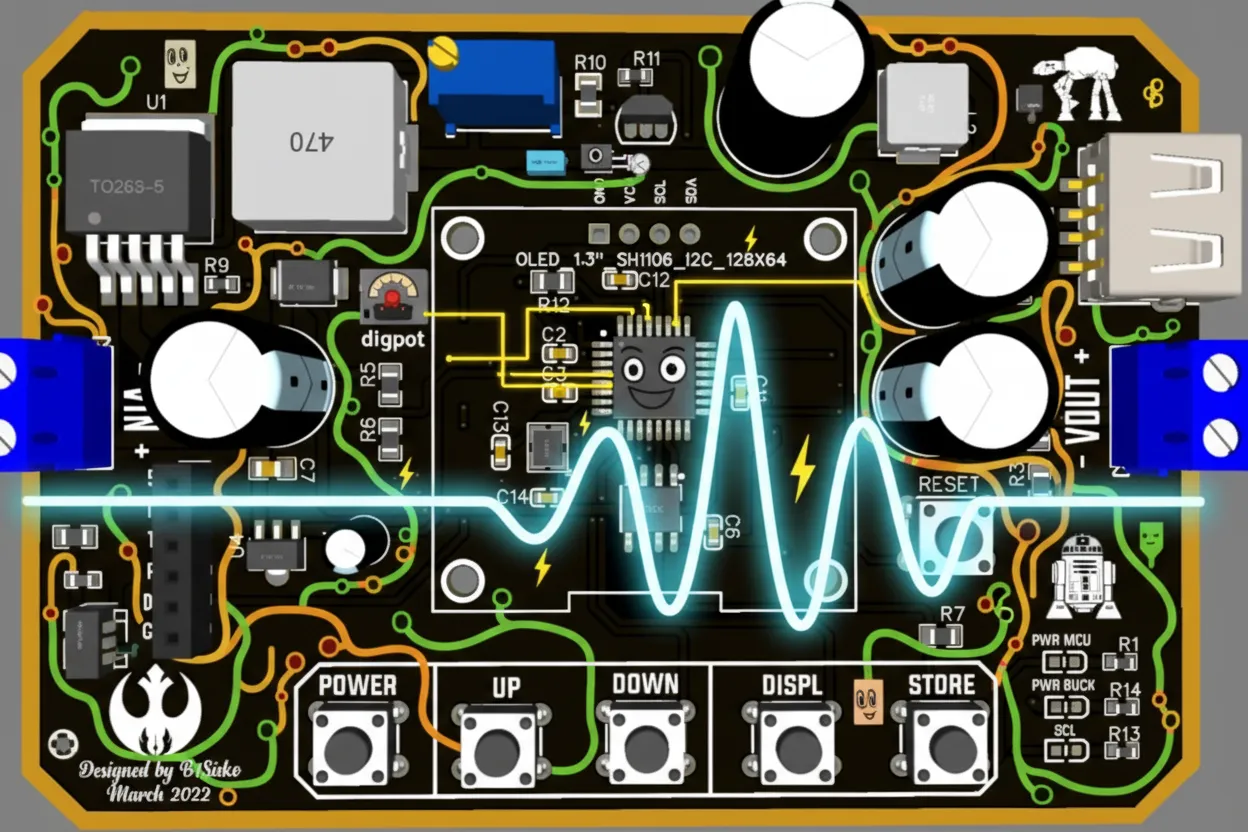
Imagine you need to adjust a power supply for different devices. You reach for a screwdriver, but the old analog knob never gives you the exact voltage you want. You waste time, and your results lack precision. Now, you can use the lm2596 digipot. This digital upgrade lets you set voltages with the push of a button. You gain speed, accuracy, and control. Your projects become smarter and more reliable.
Key Takeaways
The LM2596 digipot lets you control voltage digitally, making adjustments faster and more precise than manual knobs.
You can automate voltage changes using microcontrollers, saving time and reducing errors in your power designs.
Digital control improves reliability by avoiding wear and tear common in traditional potentiometers.
The digipot offers great flexibility, allowing remote control and easy reprogramming to fit many projects.
Good PCB layout and careful firmware testing help ensure stable, noise-free voltage and long-lasting performance.
LM2596 Digipot Overview
What Is LM2596 Digipot
You want to control voltage with precision and ease. The lm2596 digipot gives you that power. This device combines a digital potentiometer with the popular LM2596 voltage regulator. You no longer need to turn a knob or use a screwdriver. Instead, you can set the output voltage electronically. This means you can automate your power supply and make changes from a microcontroller or even remotely.
Tip: If you work on projects that require frequent voltage adjustments, the lm2596 digipot saves you time and reduces errors.
The lm2596 digipot fits into many types of circuits. You can use it in test benches, battery chargers, or any system that needs flexible voltage control. It replaces traditional analog potentiometers, which wear out over time and lack accuracy. You get a modern solution that boosts your productivity.
How It Works
The lm2596 digipot uses digital signals to adjust resistance. You send commands from a microcontroller, such as an Arduino or Raspberry Pi. The digipot changes its resistance value based on your instructions. This change directly sets the output voltage of the LM2596 regulator.
Here’s a simple breakdown:
Step | What You Do | What Happens |
|---|---|---|
1 | Send digital command | Digipot changes resistance |
2 | Resistance adjusts | LM2596 sets new output voltage |
3 | Monitor voltage | Make further adjustments easily |
You can program the voltage to change at specific times or in response to sensors. This level of control lets you create smarter, more efficient power systems. You avoid manual errors and achieve repeatable results every time.
You gain the ability to fine-tune your power supply with just a few lines of code. This makes your designs more reliable and future-proof.
Benefits of LM2596 Digipot
Efficiency
You want your power supply to work smarter, not harder. The lm2596 digipot lets you adjust voltage with digital commands. You no longer need to turn a knob or open your device to make changes. You can automate voltage adjustments with a microcontroller. This saves you time and reduces the chance of human error.
You also avoid mechanical wear. Traditional potentiometers wear out over time. Digital control means fewer moving parts and longer-lasting equipment. You get reliable performance, even after many adjustments.
Tip: Use the lm2596 digipot to set up automated test routines. You can change voltages quickly and repeat the same steps every time.
Flexibility
You need a power supply that adapts to your needs. The lm2596 digipot gives you unmatched flexibility. You can reprogram voltage settings on the fly. You can control your power supply from a distance or even let sensors decide when to change voltage.
You can choose from different digital potentiometer breakout boards, such as QFN, TSSOP, FPC, or 2.54mm types. This lets you fit the digipot into almost any hardware design.
Built-in jumpers let you set I2C addresses easily. You can add more digipots or change their roles without redesigning your board.
You can use analog multiplexers to lower resistance and boost performance.
Modular PCBs and configurable parts help you build, test, and change your design fast.
You can even adapt your firmware to support different digipots and control schemes. This means you can use the same hardware for many projects. You get a system that grows with your needs.
Precision
You want your voltage settings to be exact. The lm2596 digipot gives you digital precision. You can set voltages in small steps and repeat the same value every time. This is hard to do with a manual knob.
A digital system also lets you monitor and adjust voltage in real time. You can use feedback from sensors to keep voltage steady, even if your load changes. This level of control helps you protect sensitive devices and improve your results.
Feature | Manual Potentiometer | LM2596 Digipot |
|---|---|---|
Adjustment Method | Hand-tuned | Digital command |
Repeatability | Low | High |
Remote Control | No | Yes |
Wear Over Time | Yes | No |
You get accuracy, reliability, and control. Your power supply becomes a tool you can trust for any project.
Applications
Programmable Power Supplies
You want a power supply that adapts to every project. The lm2596 digipot makes this possible. You can set voltages with digital commands. This means you can switch between different devices or test setups without touching a knob. In a laboratory, you can run automated tests. You can change voltage levels for each test step. This saves you time and gives you repeatable results.
Many engineers use the lm2596 digipot in hybrid DC supplies. You can combine battery power with a regulated output. This setup helps you manage battery life and protect sensitive equipment. You can also control your power supply from a computer or even a phone. Remote voltage control lets you make changes without opening the case or stopping your work.
Note: You can use the same power supply for many tasks. You only need to change the settings, not the hardware.
Embedded Systems
You build smart devices every day. These devices need stable power. The lm2596 digipot gives you that stability. You can program your microcontroller to adjust the voltage as needed. This helps you protect your components and extend battery life.
Here are some common uses for the lm2596 digipot in modern electronics:
Power supplies for regulated voltage step-down.
Battery-powered devices that need efficient power management.
Embedded systems that require stable voltage for microcontrollers.
LED drivers to keep lights bright and steady.
Networking equipment in telecommunications.
Automotive electronics for powering car components.
You can see the lm2596 digipot in action in many fields. You get better control, longer device life, and fewer errors. Your projects become more reliable and flexible.
Implementation Tips
Best Practices
You want your power supply to work perfectly every time. Start with a solid PCB layout. Keep lead lengths short and reduce extra wiring. This helps prevent voltage spikes and cuts down on electrical noise. Place programming resistors close to the LM2596 regulator. This keeps your feedback path short and stable.
Add an AC feedback path, like a series RC circuit, to bypass the digital potentiometer. This keeps your voltage loop stable. Always check the voltage rating of your digital potentiometer. If it only handles 5V, you may need to adjust your design for higher voltages. For a wider voltage range, inject a DC offset into the feedback node using a DAC.
When you write firmware for your microcontroller, plan ahead. Use coding standards to keep your code safe and easy to read. Version control tools like Git help you track changes and work with others. Test your code at every step. Good documentation makes updates and troubleshooting much easier.
Tip: Use single-point grounding or a ground plane to boost stability and reduce noise.
Common Pitfalls
You can avoid many problems by watching for these common mistakes:
Placing feedback wiring too far from the regulator. This can cause noise and unstable voltage.
Ignoring the voltage rating of your digital potentiometer. This limits your output range.
Forgetting to add an AC feedback path. This can make your power supply unstable.
Using long leads or poor PCB layout. This increases EMI and voltage spikes.
Skipping firmware testing. Bugs can cause wrong voltage settings or even damage your devices.
Not documenting your code or design. This makes future changes harder.
Stay alert to these issues. You will build a more reliable and flexible power supply with the lm2596 digipot.
You can boost your power supply designs with digital control. You gain faster adjustments, better accuracy, and more reliable results. Community experience shows that digital potentiometers help automate voltage changes, but you should watch for voltage range limits and noise.
Try using filtered PWM signals or resistor ladders for better stability.
Explore DIY projects and online resources for schematics, code, and design tips.
For more details, check out sites like electronicproducts.com, embedded.com, and electronics-tutorials.ws. These guides help you build smarter, programmable power supplies.
FAQ
How do you control the LM2596 digipot from a microcontroller?
You send digital commands using I2C or SPI. Most microcontrollers, like Arduino or Raspberry Pi, support these protocols. You can use simple code to set the voltage. This gives you fast, repeatable results every time.
Can you use the LM2596 digipot for battery-powered devices?
Yes! You can manage voltage precisely and extend battery life. The digital control lets you adjust power for different loads. You protect your devices and save energy. This makes your projects last longer and work smarter.
What happens if you exceed the voltage rating of the digipot?
Warning: If you go over the voltage limit, you risk damaging the digipot. Always check the datasheet. Use a DAC or voltage divider for higher voltages. Protect your circuit and keep your design safe.
Is it hard to add the LM2596 digipot to your existing design?
No, you can upgrade easily. Replace the analog potentiometer with the digipot. Connect it to your microcontroller. Update your code to send digital commands. You get better control without a full redesign.
Why should you choose a digital potentiometer over a manual one?
A digital potentiometer gives you accuracy, speed, and remote control. You avoid wear and tear. You automate voltage changes. Your projects become more reliable and flexible. You stay ahead with modern solutions.