Exploring the Role of Ballasts in Fluorescent and LED Lights
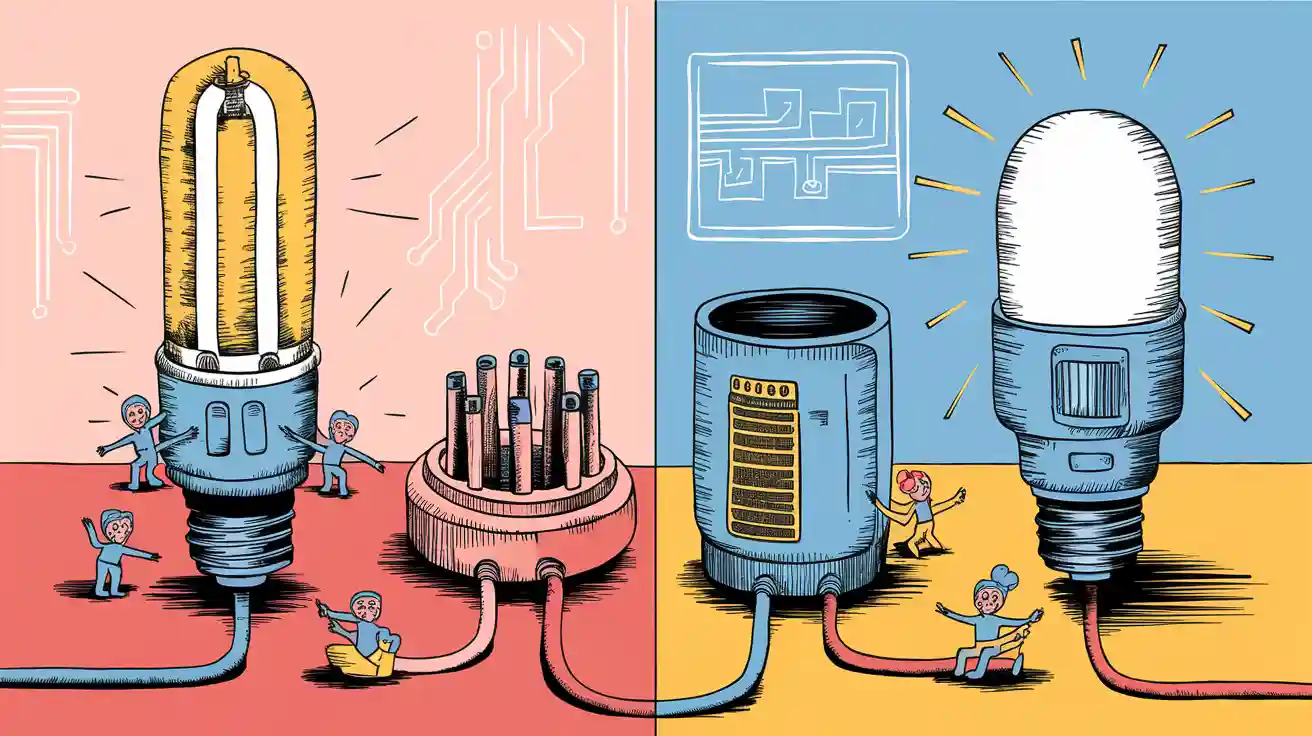
A ballast controls the flow of electricity in modern lights and ballasts systems, ensuring your lights operate safely and efficiently. You’ll find ballasts in both fluorescent and LED lighting setups. By regulating current, a ballast helps prevent flicker and extends the lifespan of your lamps. Approximately 65% of domestic ballasts are standard electromagnetic types, but opting for more efficient lights and ballasts designs results in better energy efficiency and a reduced environmental footprint.
Lighting Type | Role of Ballasts | Improved Light Quality | Lamp Longevity |
|---|---|---|---|
Fluorescent | Prevents flicker, stabilizes current | Yes | Yes |
LED (retrofit) | Supports system compatibility | Yes | Yes |
Choosing the right lights and ballasts can enhance your modern lighting solutions and ensure improved light quality throughout your space.
Key Takeaways
Ballasts control electricity flow in fluorescent lights to prevent flicker, protect lamps, and extend their life.
Electronic ballasts improve energy efficiency, reduce noise, and provide steady, flicker-free lighting compared to older magnetic ballasts.
LED lights use special drivers instead of traditional ballasts to convert power and protect sensitive components.
Choosing the right ballast or LED driver boosts light quality, saves energy, and helps your lighting last longer.
Regular maintenance and timely replacement of ballasts keep your lighting safe, efficient, and comfortable.
Understanding Ballasts
What Is a Ballast?
When you look at modern lighting, you often see a small device called a light ballast. This component plays a vital role in many lighting systems, especially those using fluorescent or HID lamps. A ballast in a light fixture controls the amount of electricity that flows to the lamp. It gives the lamp a high voltage to start and then keeps the current steady so the lamp works safely and efficiently. Without this control, the lamp could draw too much power, overheat, or even burn out quickly.
A light ballast creates the right conditions for your lamp to start and keep shining. It manages the voltage and current, making sure the lamp does not flicker or fail too soon. In lighting ballasts, you find both magnetic and electronic types, each designed to match the needs of different lamps. Understanding ballasts helps you see why these devices are so important for safe and reliable lighting.
Tip: Always check the type of ballast your lamp needs before replacing or upgrading your lighting. Using the wrong ballast can cause poor performance or even damage your lamp.
Why Ballasts Matter
You need lighting ballasts to keep your lamps working safely and efficiently. Ballasts do more than just start the lamp. They protect your lighting from electrical problems and help you get the most out of your lights. Here are some key reasons why ballasts matter:
Ballasts provide the high voltage needed to start the lamp by creating an arc between the electrodes.
After the lamp starts, the ballast limits the current so the lamp does not overheat or get damaged.
Light ballasts act as a control system, keeping the voltage and current at safe levels during operation.
Without a proper ballast, your lamp could burn out quickly or even cause safety hazards like overheating or fire.
Lighting ballasts also improve the quality of your lighting. They prevent flickering, buzzing, and other problems that can make a room uncomfortable. Electronic ballasts, for example, reduce electromagnetic interference and adapt to changes in the load, making your lighting more stable and energy efficient.
If you use fluorescent lamps, you must have a ballast to regulate the AC voltage and current. This keeps your lamp from overheating and reduces the risk of fire. For LED lamps, you usually need an LED driver instead of a traditional ballast. The driver converts AC to DC and controls the current, protecting the sensitive parts inside the LED. Some LED lamps work with existing fluorescent ballasts, but most need a special driver for safe operation.
Note: Never bypass or remove a light ballast unless you know exactly what you are doing. Improper wiring can lead to electric shock, lamp failure, or even fire hazards.
Lighting ballasts are essential for the safety, efficiency, and longevity of your lighting. By choosing the right ballast and keeping it in good condition, you protect your investment and enjoy better light quality every day.
Lights and Ballasts in Modern Systems
Ballasts in Fluorescent Lights
You rely on ballasts to make fluorescent lights work safely and efficiently. When you turn on a fluorescent lamp, the ballast gives a high voltage to start the lamp. This voltage creates an arc through the mercury vapor inside the tube. After the lamp starts, the ballast controls the flow of electricity. Without this control, the lamp would draw too much current and burn out quickly.
Fluorescent ballasts come in two main types: magnetic and electronic. Magnetic ballasts use coils of wire to limit the current. These ballasts often cause flicker and buzzing because they work at the same frequency as your power supply. You might notice this flicker, especially in older lights and ballasts. Electronic ballasts, on the other hand, operate at much higher frequencies—around 20,000 Hz or more. This high frequency refreshes the phosphors in the lamp so quickly that you cannot see any flicker. Electronic ballasts also make your lighting quieter and more energy efficient.
Modern lighting systems use electronic ballasts because they improve lamp performance and save energy. These ballasts also help your fluorescent lamps last longer by keeping the current steady. You can find different starting methods in fluorescent ballasts, such as rapid start, instant start, and programmed start. Rapid start ballasts preheat the lamp filaments to reduce flicker. Instant start ballasts use a high voltage to light the lamp quickly, even in cold temperatures. Programmed start ballasts work best for lights that turn on and off often, helping your lamps last even longer.
Tip: If you want to upgrade your lighting, choose electronic ballasts for better efficiency and less flicker.
Ballasts and LED Drivers
LED lighting works differently from fluorescent lighting. Instead of ballasts, you use LED drivers to power your LED lights. LED drivers change the power from your wall outlet (AC) into the type of power LEDs need (DC). They also keep the current or voltage steady, which is very important because LEDs are sensitive to changes in power.
You can find two main types of LED drivers: constant current drivers and constant voltage drivers. Constant current drivers give a fixed current and let the voltage change as needed. Constant voltage drivers provide a steady voltage and let the current change. Both types protect your LEDs from getting too much power, which can cause them to overheat or fail early.
LED drivers do more than just power your lights. Many drivers offer features like dimming, thermal management, and smart system compatibility. These features help you save energy and control your lighting more easily. High-quality LED drivers also reduce flicker and keep your light output stable and pleasant.
Unlike traditional ballasts, LED drivers are made just for LED lighting. Ballasts work well for fluorescent and HID lamps, but they do not fit the needs of LEDs. If you try to use a ballast with an LED, you might see flicker, poor performance, or even damage to your lighting system. LED drivers give you higher efficiency and longer lamp life because they match the needs of modern LED lights.
Aspect | LED Drivers | Traditional Ballasts |
|---|---|---|
Regulate power to LEDs by converting AC to DC and maintaining constant current or voltage | Regulate current and voltage for fluorescent and HID lamps; facilitate lamp ignition | |
Types | Constant Current and Constant Voltage drivers | Magnetic and Electronic ballasts |
Features | Dimming, thermal management, smart system compatibility | Starting mechanism, current regulation |
Efficiency | Higher efficiency tailored for LEDs | Less efficient, designed for older lamp technologies |
Voltage Levels | Operate at lower DC voltages suitable for LEDs | Operate at higher voltages for fluorescent/HID lamps |
Compatibility | Designed specifically for LED lighting systems | Not suitable for LED systems |
You need to choose the right LED drivers for your lights and ballasts to get the best performance. Good drivers protect your LEDs from power surges and overheating. They also help your lighting last longer and use less energy. If you want to upgrade your lighting system, always check that your LED drivers match your LED lights.
Note: LED drivers are the most common point of failure in LED lighting fixtures. Keep your drivers cool and choose high-quality products to make your lighting last longer.
Types of Lighting Ballasts
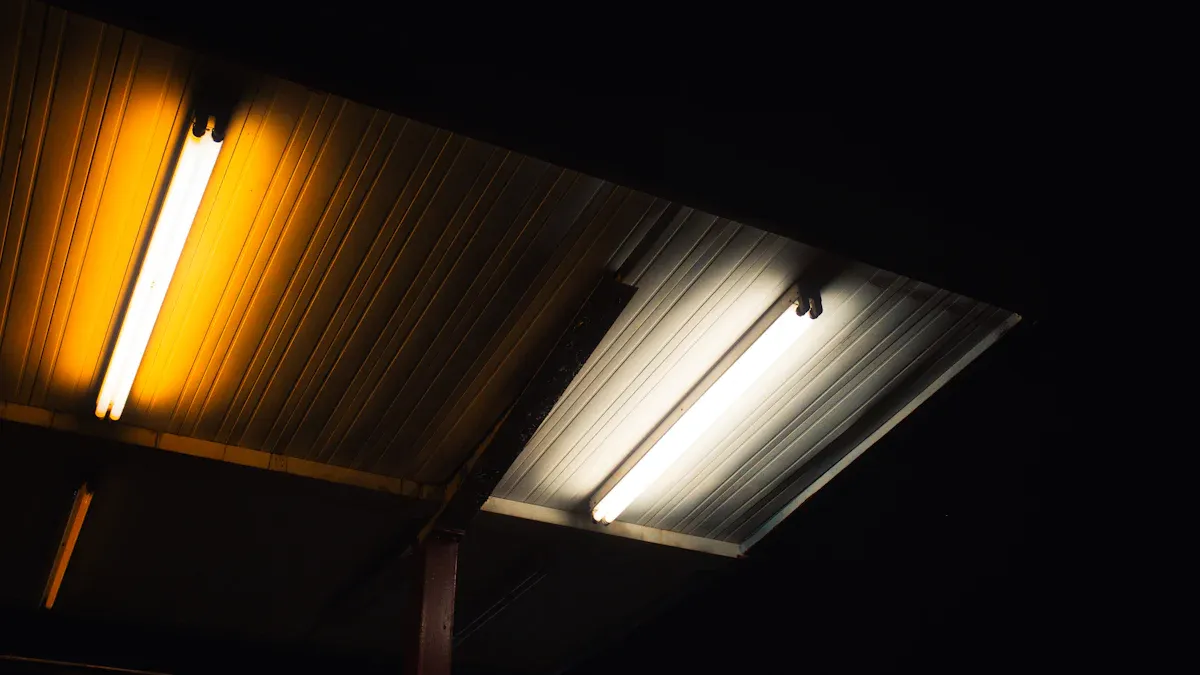
Lighting ballasts come in several main types, each designed for specific lighting needs. You will find magnetic ballasts, electronic ballasts, and LED drivers as the most common options on the market today. These types of ballasts differ in how they work, their efficiency, and their best uses. Understanding these differences helps you choose the right ballast for your lighting system.
Magnetic Ballasts
Magnetic ballasts use coils of wire wrapped around a magnetic core to control the flow of electricity. You often see these in older fluorescent and HID lighting systems. Here is how they work and where you might find them:
Magnetic ballasts start the lamp by sending a high voltage to ionize the gas inside.
After starting, they limit the current to keep the lamp safe.
These ballasts are heavy and can make a humming noise.
You may notice flicker or a warm-up time when you turn on lights with magnetic ballasts.
They remain in use mostly in older fixtures or as replacements in legacy systems.
Magnetic ballasts cost less at first, but they use more energy and produce more heat. Over time, this leads to higher electricity bills. You might choose them for budget reasons, but they are less efficient than newer options.
Electronic Ballasts
Electronic light ballasts use advanced circuits to power lamps at higher frequencies. This design brings many benefits:
Electronic ballasts are lighter and quieter than magnetic ballasts.
They save up to 30% more energy, making them a smart choice for new installations.
You get flicker-free light and better color quality.
These ballasts last longer and reduce maintenance needs.
Many electronic ballasts support dimming and smart controls.
Tip: Electronic ballasts help you lower your energy costs and improve lighting quality in your home or business.
Electronic ballasts also protect your lamps from power surges and overheating. They work well in both residential and commercial spaces.
LED Drivers
LED drivers are not traditional ballasts, but they serve a similar purpose for LED lighting. You need LED drivers to power your LED lights safely and efficiently. Here is what sets them apart:
LED Drivers | Traditional Ballasts | |
|---|---|---|
Main Use | Power and protect LED lights | Control current in older lamps |
Power Conversion | Change AC to DC for LEDs | Regulate AC for lamps |
Extra Features | Dimming, smart controls, protection | Basic current control |
Efficiency | High | Lower |
Lifespan | Long | Shorter |
LED drivers keep the current or voltage steady, which is important for LED light ballasts. They help prevent flicker and extend the life of your LED lighting. You will find LED drivers in many modern fixtures, from panel lights to street lamps. When you upgrade to LEDs, you often need to replace old ballasts with LED drivers to get the best results.
Note: Always match your LED drivers to your LED lights for safe and reliable performance.
Choosing and Maintaining Light Ballasts
Identifying Ballast Types
You can identify different light ballasts by looking at their size, weight, and labels. Magnetic ballasts feel heavier and bulkier. You often find them in older lighting fixtures. Electronic ballasts are smaller, lighter, and more energy efficient. They usually run quietly and do not cause flickering.
Check the label on the ballast. It shows wattage, lamp type, and starting method. Look for codes like RS (rapid start), IS (instant start), or PRS (programmed rapid start).
Notice the starting method. Rapid start ballasts heat the lamp’s electrodes. Instant start ballasts use a high voltage to start the lamp quickly.
Use a multimeter to test if the ballast works. Always turn off the power before you inspect or test any light ballast.
Look for signs of damage, burn marks, or a separate starter. These clues help you spot older magnetic ballasts.
Tip: If you feel unsure, ask a professional to help you identify the right ballast for your lighting system.
Upgrading and Replacement
When you upgrade or replace light ballasts, match the ballast’s voltage, current, and wattage to your lamp and fixture. Choose a ballast type that fits your lamp, such as T8 or T12. Upgrading to electronic ballasts improves energy efficiency and gives you flicker-free lighting.
Replace magnetic ballasts with electronic ones for better performance and lower energy use.
Watch for signs of failure, like flickering, buzzing, or slow start-up.
Think about adding smart controls, such as dimmers or sensors, to save more energy.
Always recycle old ballasts to protect the environment.
Note: Use a licensed electrician for installation. This keeps your lighting safe and up to code.
Maintenance Tips
Regular care helps your light ballasts last longer and keeps your lighting bright. Clean fixtures and lamps to remove dust. This prevents overheating and keeps light output strong. Inspect ballasts and wiring for signs of wear or damage.
Replace lamps before they burn out to avoid straining the ballast.
Check for flickering or buzzing, which can signal a problem.
Test control systems like timers and dimmers to make sure they work well.
Schedule group relamping to keep lighting even and reduce random failures.
Keeping your light ballasts in good shape boosts energy efficiency, extends lamp life, and ensures safety in your right lighting system.
Fluorescent Ballasts and Energy Efficiency
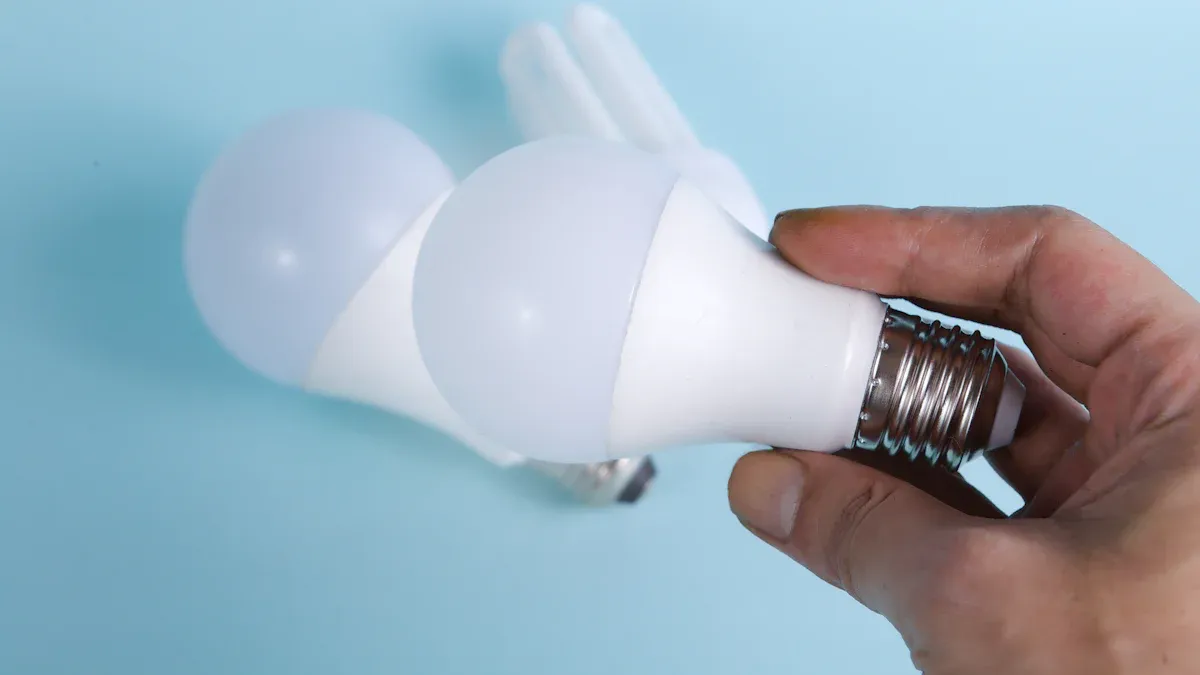
Performance Benefits
You can boost energy efficiency in your building by choosing the right fluorescent ballasts. Modern electronic ballasts use less power than older magnetic types. This means you save money on electricity and help the environment. Electronic ballasts also make your lights brighter and more stable. You will notice less flicker and better color quality in your rooms.
Here are some key benefits of advanced fluorescent ballasts:
Improve energy efficiency by using 10-30% less power than magnetic ballasts.
Reduce heat output, which keeps your space cooler and lowers cooling costs.
Provide steady light with almost no flicker, making your environment more comfortable.
Support a wide range of fluorescent lamps, including compact and linear tubes.
Enable dimming features, so you can control brightness and save even more energy.
Extend lamp life by keeping current steady and reducing stress on the lamp.
Operate quietly, with no humming noise.
When you replace old T12 fluorescent lamps with new T5 lamps and high-frequency ballasts, you can achieve up to 40% energy savings. Adding smart controls like occupancy sensors or daylight sensors can further cut energy consumption. These upgrades improve lighting efficiency and help you meet energy regulations.
Tip: Upgrading to energy-efficient fluorescent lighting ballasts not only saves money but also creates a better lighting experience.
Common Issues
You may face some common problems with fluorescent ballasts. Flickering, buzzing, or lamps that do not start often point to ballast trouble. Starters in older fixtures can also cause issues if they fail. Magnetic ballasts tend to hum and overheat as they age. Electronic ballasts usually last longer, but they can still fail if exposed to heat or power surges.
To troubleshoot fluorescent lighting problems, follow these steps:
Check if the fixture has power. Look for a tripped breaker or blown fuse.
If your fixture uses starters, replace them first. Starters are cheap and often cause flickering.
Inspect the fluorescent tubes for dark ends or wear. Test them in another fixture if possible.
If bulbs and starters work, suspect the ballast. Listen for humming or look for overheating.
When replacing a ballast, match the wiring colors and follow the diagram. Wiring may differ between old and new ballasts.
Decide if you should replace just the ballast or the whole fixture, based on age and condition.
Do not delay repairs. Flickering tubes can damage the ballast or starter.
Keep spare starters if your fixtures use them.
Note: Replacing old magnetic ballasts with electronic ones improves reliability and reduces noise. You will enjoy better energy efficiency and fewer maintenance headaches.
Ballasts play a vital role in both fluorescent and LED lighting by regulating current, improving energy efficiency, and ensuring steady light quality. Modern electronic ballasts offer faster start-up, less flicker, and longer lamp life. To get the best results, you can:
Evaluate your current lighting ballasts for efficiency.
Upgrade to electronic ballasts or LED drivers for better performance.
Consult a professional for expert advice.
Keep learning about lighting technology to make smart choices and enjoy safer, more comfortable spaces.
FAQ
What does a ballast do in a fluorescent light?
A ballast controls the amount of electricity that flows to your fluorescent lamp. It helps the lamp start and keeps the current steady. This prevents flickering and makes your lamp last longer.
Can you use an LED bulb with a fluorescent ballast?
Some LED bulbs work with existing fluorescent ballasts. You need to check the packaging or product details. Many LED bulbs require you to remove the old ballast and use an LED driver instead.
How do you know if a ballast is bad?
You might notice flickering, buzzing, or lights that will not turn on. Sometimes, the lamp starts slowly or does not reach full brightness. If you see these signs, you may need to replace the ballast.
Do electronic ballasts save energy?
Yes, electronic ballasts use less power than magnetic ballasts. They help your lights run more efficiently. You can save money on your electricity bill by switching to electronic ballasts.
How often should you replace a ballast?
You should replace a ballast when you see signs of failure, like flickering or buzzing. Most ballasts last many years. Regular checks help you catch problems early and keep your lighting safe.
Tip: Always turn off the power before checking or replacing a ballast.