Isolator Means and Their Importance in Power Distribution
Isolator means describe devices that disconnect electrical circuits to protect people and equipment. An isolator separates parts of an electrical system, making maintenance safer. They help workers see a visible break in the circuit, which improves safety. The manual operation of an isolator gives control during electrical work. Engineers use isolator means to prevent electrical accidents and ensure electrical safety. These isolators remain a key part of safety in every electrical network.
Tip: Always check for a visible break before starting any electrical maintenance.
Key Takeaways
- Isolator switches disconnect parts of electrical circuits to keep workers safe during maintenance by showing a visible break in the circuit.
- Different types of isolators, like single-pole, double-pole, and busbar isolators, serve specific needs in homes, businesses, and large electrical systems.
- Isolators provide important safety features such as locking mechanisms and help prevent electrical shocks, fires, and accidents.
- Choosing the right isolator depends on factors like voltage, current, environment, and compliance with safety standards to ensure reliable and safe operation.
- Regular inspection and proper use of isolators protect equipment and people, making electrical maintenance safer and more effective.
Isolator Means in Power Distribution
What Is an Isolator?
An isolator is a device that separates a part of an electrical system from the rest. People use isolator means to make sure that electrical circuits are safe before they start any work. The isolator switch creates a clear gap in the circuit, which workers can see. This visible break helps everyone know that the electrical path is open and safe. Isolator means play a big role in power distribution because they allow workers to disconnect equipment for repairs or checks. The isolator switch does not work automatically. Instead, a person must operate it by hand. This manual action gives workers control over when and how to disconnect the electrical circuit. In every electrical network, isolator means help prevent accidents and protect both people and equipment.
Note: Always use an isolator switch to make sure the electrical circuit is fully disconnected before starting maintenance.
Isolator Switch Function
The isolator switch has a simple but important job. It disconnects parts of an electrical system so that people can work safely. When someone turns off the isolator switch, it stops the flow of electricity to a section of the circuit. This action makes sure that no electrical current can reach the area where work is happening. The isolator switch is not designed to stop electricity during an emergency or when the circuit is live. Instead, it should only be used after the electrical load has been removed.
The isolator switch is different from a circuit breaker in several ways:
- The isolator switch is always operated by hand, while a circuit breaker works automatically.
- The isolator switch only isolates the circuit for safety and maintenance. It does not protect against overloads or short circuits.
- A circuit breaker can interrupt the electrical current during faults, but the isolator switch cannot.
- The isolator switch provides a visible break, which helps workers see that the circuit is open.
Isolator means are essential in power distribution systems. They help keep electrical workers safe and make sure that maintenance can happen without risk.
Types of Isolator Switches
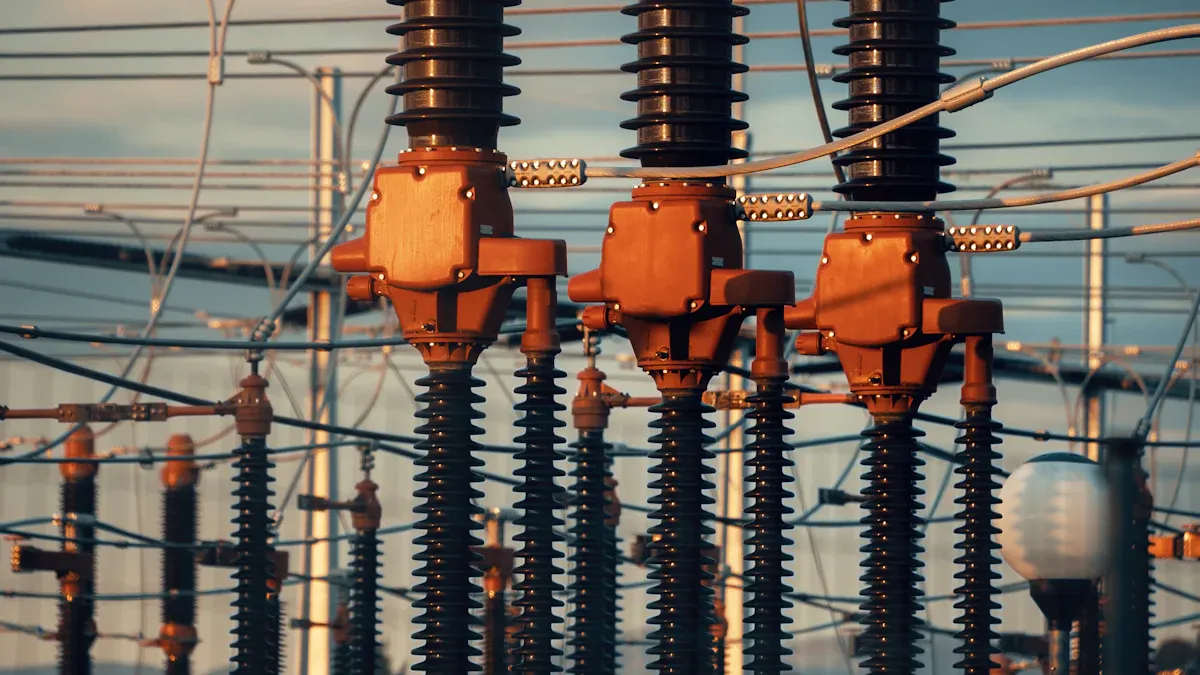
Isolator switches come in several types, each designed for specific electrical needs. In power distribution, engineers select the right isolator to disconnect dc circuits safely and efficiently. The isolator switch plays a key role in protecting people and equipment during maintenance or emergencies. Below are the main types of isolator switches used in modern electrical systems.
- Manual isolator switch: Operated by hand, often found in homes and offices.
- Automatic isolator switch: Works without human input, responding to faults or alarms in complex electrical setups.
- Load isolator switch: Handles circuits under load, common in factories and large buildings.
- High voltage isolator switch: Built for substations and transmission lines, manages large electrical loads.
- Low voltage isolator switch: Used in systems below 1000 volts, typical in residential and commercial areas.
Single-Pole Isolator
A single-pole isolator disconnects one line in an electrical circuit. This isolator is simple and easy to use. People often install it in homes to disconnect dc circuits or small electrical loads. The single-pole isolator switch provides a visible break, which helps workers see that the circuit is open. In solar panel systems, a dc isolator switch often uses a single-pole design to disconnect dc circuits for safety. This isolator works well for basic protection in low voltage systems.
Double-Pole Isolator
A double-pole isolator disconnects two lines at the same time. This isolator switch is important in places where both live and neutral wires need isolation. Electricians use double-pole isolators in homes and businesses to disconnect dc circuits and ensure complete safety. The double-pole dc isolator switch is common in solar installations, where it disconnects both positive and negative dc circuits. This isolator gives extra protection by breaking both sides of the circuit.
Busbar Isolator
A busbar isolator connects or disconnects busbars in electrical panels. This isolator switch is larger and handles more current than single or double-pole types. Engineers use busbar isolators in substations and large electrical systems to disconnect dc circuits during maintenance. The busbar dc isolator switch allows safe work on busbars without shutting down the whole system. This isolator is vital for high voltage and high current applications.
Tip: Always choose the right isolator switch for the electrical system to ensure safe and reliable operation.
Electrical Safety and Isolators
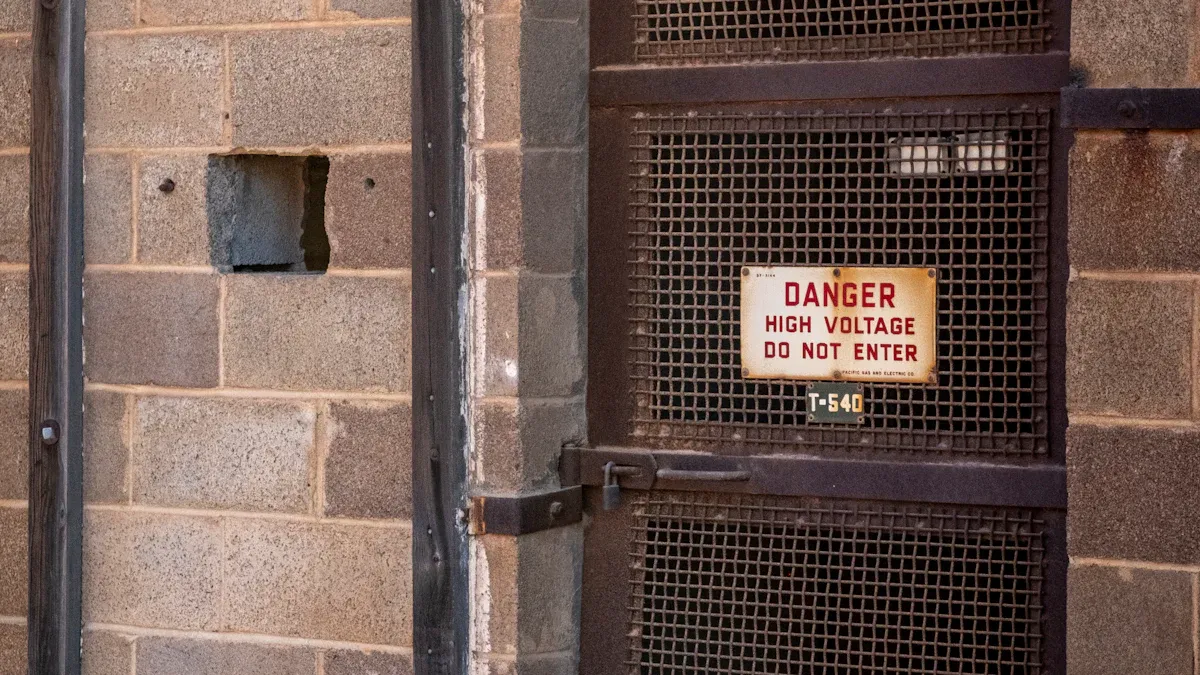
Safety Features
Isolators play a major role in electrical safety. They provide a visible break in the circuit, which helps workers see that the electrical system is open. This visible gap gives everyone confidence that the area is safe for work. Many isolators include locking mechanisms. These locks stop anyone from turning the isolator back on by mistake. Lockout/tagout procedures use these locks to keep workers safe during repairs.
Some isolators also have enhanced safety features. For example, certain models release any leftover electrical current before someone starts maintenance. This step prevents shocks and supports safe isolation. Isolators help with emergency disconnection as well. In emergency situations, workers can use the isolator to cut off power quickly. This action can stop a fire from spreading or prevent further damage to the electrical system.
Tip: Always check the isolator for a visible break and lock it before starting any work.
Preventing Hazards
Isolators help prevent many types of hazards in electrical systems. They stop the flow of electricity to parts of the system that need repairs. This action protects workers from electric shock and reduces the risk of fire. Isolators also help with fire prevention by making sure no current flows through damaged wires or equipment.
When workers use isolators, they lower the chance of accidents. The isolator gives clear control over the electrical circuit. Workers can see when the system is safe. This control leads to enhanced safety for everyone on the job. Isolators also support system protection by stopping faults from spreading to other parts of the network.
Note: Using isolators correctly can prevent electrical hazards and keep everyone safe.
Maintenance Protection
Isolators provide strong protection during maintenance. They let workers disconnect equipment from the electrical supply. This step makes sure no current can reach the area under repair. Isolators also help with emergency disconnection if something goes wrong during maintenance.
Many isolators have features that support maintenance teams. For example, some isolators release any leftover current before work begins. This action adds another layer of electrical safety. Isolators also help with enhanced safety by making it easy to see when a circuit is open.
Proper use of isolators keeps workers safe and protects equipment. Isolators make maintenance tasks safer and help prevent accidents. They are a key part of electrical safety in every system.
⚡ Always follow safety rules and use isolators for safe maintenance.
Choosing the Right Isolator
Selection Criteria
Selecting the right isolator for an electrical system requires careful attention to several factors. Every electrical application has unique needs, so matching the isolator to those needs ensures both safety and reliable operation. Engineers look at the rated voltage and current to make sure the isolator can handle the electrical load. Compatibility with AC or DC operation is also important. For example, a dc isolator switch works best in solar power systems or other direct current applications.
Environmental conditions play a big role in isolator selection. The operating temperature range must suit the location. Durability matters, so checking the mechanical lifespan—often around 10,000 operations—helps guarantee long-term performance. Insulation resistance keeps the electrical system safe and prevents faults. The right IP rating, such as IP65, offers protection against dust and water in harsh environments.
Mounting type affects installation. Some isolators fit on panels, while others use DIN rails. Using the isolator only for maintenance and servicing, not as an emergency stop, follows best safety practices. Regular inspection and maintenance help detect wear or damage early, which supports ongoing electrical protection.
Tip: Always match the isolator’s specifications to the electrical system for the best safety and performance.
Compliance and Environment
Compliance with regional and international standards ensures that every isolator meets strict electrical safety requirements. Different regions require different certifications. The table below shows some key standards for isolator switches:
| UL Standard | Switch Type/Application | Regional Relevance |
|---|---|---|
| UL 98 | Enclosed and dead front switches | General/global |
| UL 1008 | Automatic and nonautomatic transfer switches | U.S., Mexico |
| UL 1429 | Pullout switches (enclosed and open type) | General/global |
| UL 98A, 98B | Photovoltaic switches (open type) | General/global |
Manufacturers must follow these standards to ensure electrical safety and protection. Proper installation also matters. The environment, such as exposure to moisture or dust, affects which isolator works best. Choosing an isolator with the right certification and environmental rating helps maintain electrical safety and system reliability.
Note: Always verify compliance and consider the environment before installing any isolator.
Isolator switches protect electrical systems and keep workers safe. Proper selection and regular maintenance help prevent common failures, such as:
- Mechanical problems or worn parts
- Overheating and poor insulation
- Damage from moisture, dust, or corrosion
- Lack of inspections or outdated designs
| Trend | Details |
|---|---|
| Market Growth | Isolator use will rise, especially in solar and smart grid applications. |
| Key Drivers | Solar energy demand and new technology push adoption forward. |
Choosing the right isolator and caring for it ensures reliable power and safer operations.
FAQ
What is the main purpose of an isolator switch?
An isolator switch disconnects a part of an electrical circuit. This action keeps workers safe during maintenance. The visible break shows that the circuit is open and safe to touch.
Can an isolator switch replace a circuit breaker?
No, an isolator switch cannot replace a circuit breaker. A circuit breaker protects against overloads and faults. An isolator only disconnects circuits for safety during maintenance.
Where do engineers use busbar isolators?
Engineers install busbar isolators in substations and large electrical panels. These isolators handle high currents and allow safe maintenance on busbars without shutting down the entire system.
How often should isolators be inspected?
Experts recommend checking isolators at least once a year. Regular inspections help find worn parts, dirt, or damage. This practice keeps the electrical system safe and reliable.