How to Know If Your Fuse Is Good or Bad
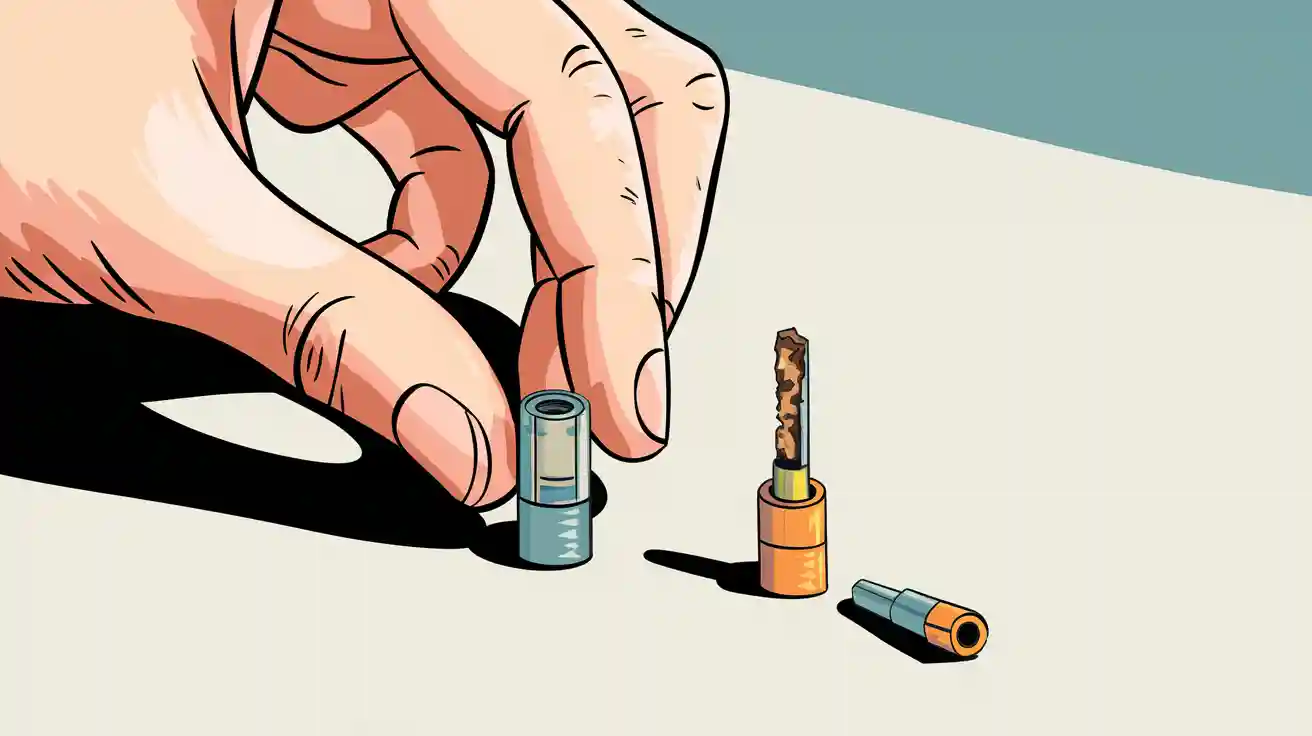
Anyone can check a fuse at home with a few simple tools. You can spot problems fast and fix many issues yourself. Fuses protect electrical circuits in your car and home. If you try diy repairs, you stay safe by following each step carefully. > Tip: Learn how to test a fuse with a multimeter for the most accurate results.
Key Takeaways
- Check for visual signs of a blown fuse, such as a burnt smell or dark marks. This can help you identify issues quickly.
- Use a multimeter to test a fuse for accurate results. A beep indicates a good fuse, while silence means it's blown.
- Always replace a blown fuse with one that matches the amperage and voltage ratings to ensure safety and prevent future problems.
How to Check a Fuse
When you face electrical problems at home or in your car, you might wonder how to check a fuse. You can spot a blown fuse by looking for certain symptoms and using simple tools. Learning how to check a fuse helps you fix many common issues quickly.
Visual Signs of a Blown Fuse
You can often find a blown fuse just by looking at it. Here are some common signs of a blown fuse:
- Electrical devices stop working suddenly.
- Lights or outlets do not turn on.
- You notice a burnt smell near the fuse box.
To check a fuse, first turn off the main power supply. This keeps you safe from electric shock. Open the fuse panel and look at each fuse closely. You want to find any indicators of a blown fuse. Use a flashlight if needed.
Here is a table showing what to look for:
| Visual Indicator | Description |
|---|---|
| Visible gap in the wire | Shows a break in the circuit. |
| Dark or metallic-colored smear | Suggests overheating or damage. |
| Cloudy or blackened appearance | Means burning or damage. |
| Visible signs of damage | Physical damage to the fuse. |
| Broken or cracked | Clear sign of a blown fuse. |
A blown fuse usually has a broken metal path or a dark smudge inside. Sometimes you see a cloudy or blackened glass. These are all indicators of a blown fuse.
Tip: Always use the correct replacement fuse type and amperage. If you feel unsure, ask a professional electrician for help.
How to Tell If a Car Fuse Is Blown
Car fuses protect parts like headlights, radios, and power windows. If you want to know how to tell if a car fuse is blown, start by checking for these problems:
- Headlights, radio, or power windows stop working.
- You smell something burnt near the fuse box.
- Fuses blow often, which may mean a bigger problem.
To check a car fuse, turn off the car and open the fuse box. Pull out the fuse you want to check. Look for a broken wire or a dark mark inside the fuse. These are common signs of a blown fuse.
You can use a fuse tester or a multimeter to check a fuse. Many electricians use tools like a T+Pro or a Wiggy to test fuses. A steady beep means the fuse is good. Silence or a chirp means the fuse is blown.
Here is a table showing the most common methods to check a fuse:
| Test Type | Reading | Interpretation |
|---|---|---|
| Continuity | Beep / Low Resistance | Fuse is good, no replacement needed |
| Continuity | No Beep / Infinite Resistance | Fuse is blown, replace it |
| Voltage | Voltage Present | Circuit is live, fuse is good |
| Voltage | No Voltage | Possible blown fuse |
| Resistance | Very Low Resistance | Fuse is good |
| Resistance | High or Infinite Resistance | Fuse is blown |
If you find a blown fuse, replace it with one that has the same amp rating. This keeps your car safe and working well.
Note: Locating a blown fuse early can prevent bigger electrical problems.
How to Test a Fuse with a Multimeter
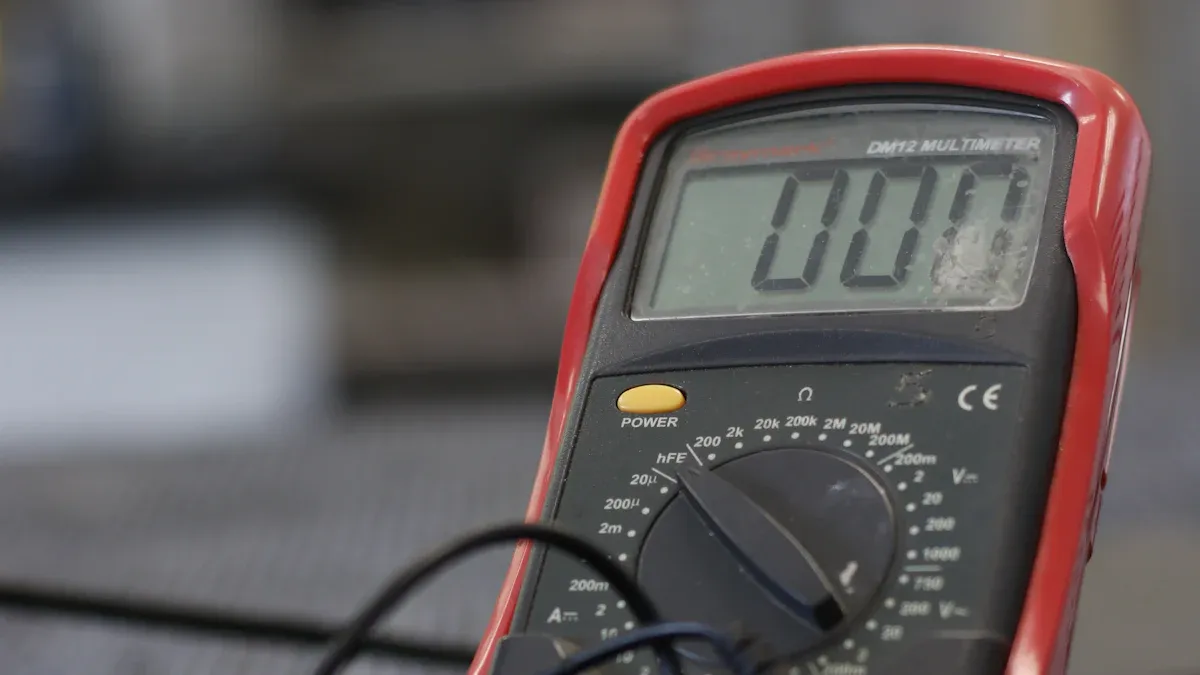
Testing a fuse with a multimeter gives you the most reliable results. You can find out if a fuse is good or blown in just a few minutes. Many people rely on visual inspection, but a multimeter helps you avoid mistakes. Here is a step-by-step guide to help you learn how to test a fuse with a multimeter safely and accurately.
How to Test a Fuse
You need to follow some important steps when you test a fuse. These steps help you stay safe and get the right answer every time.
- Safety First: Turn off the power to the circuit before you start. Unplug the device or switch off the breaker. Put on insulated gloves and safety glasses.
- Remove the Fuse: Take the fuse out of its holder. Hold it by the ends to avoid touching any metal parts.
- Set Up the Multimeter: Turn on your multimeter. Set it to continuity mode or resistance mode (ohms).
- Test the Fuse: Place one probe on each end of the fuse. Make sure the probes touch the metal terminals firmly.
- Check the Reading: Listen for a beep in continuity mode. Look for a reading between 0 and 5 ohms in resistance mode.
- Inspect the Fuse: Look for any signs of damage, such as a broken wire or dark marks.
⚡ Tip: Always make sure the power is off before you test a fuse. This keeps you safe from electric shock.
Here is a quick table showing the accuracy of different methods:
| Method | Accuracy Rate | Notes |
|---|---|---|
| Multimeter Testing | High | Provides accurate readings; essential for diagnosing fuse issues. |
| Visual Inspection | Variable | Can be misleading; a fuse may appear intact but be faulty internally. |
You can see that learning how to test a fuse with a multimeter gives you a much higher chance of finding the real problem. Visual checks sometimes miss a blown fuse that looks fine on the outside.
When you test a fuse, you need to avoid common mistakes. Here are some errors people make and what can happen:
| Mistake Description | Consequence |
|---|---|
| Measuring voltage with leads plugged into the amps terminals | Can damage the device being tested and may blow the DMM’s internal fuse. |
| Measuring current with leads in the volts terminals | Decreases current flow and generates invalid readings. |
| Exceeding the rated input voltage | Can damage the meter and create a shock hazard. |
| Trying to measure the resistance on a live circuit | Invalidates the resistance reading. |
| Ignoring lead resistance when making low resistance measurements | Can lead to significant measurement errors. |
| Misreading mV as Volts on an auto-ranging meter | Can lead to incorrect interpretations of the readings. |
| Using an inadequate CAT rating | Can result in unsafe measurement conditions. |
You can avoid these mistakes by following each step carefully and double-checking your multimeter settings.
Interpreting Multimeter Results
After you test a fuse with a multimeter, you need to know what the results mean. The readings tell you if the fuse is good or blown.
Here is a table to help you understand the results:
| Multimeter Mode | Reading | Condition of Fuse |
|---|---|---|
| Continuity Mode | Beep | Fuse is good |
| Continuity Mode | No beep | Fuse is blown |
| Resistance Mode | Low resistance (0 ohms) | Fuse is intact |
| Resistance Mode | Infinite resistance (OL) | Fuse is blown |
Professional electricians use these results to decide if a fuse needs replacement. You can use the same method at home. If you hear a beep or see a low resistance (0-5 ohms), the fuse is good. If you get no beep or see "OL" (overload) or infinite resistance, the fuse is blown.
Here is another table showing how experts interpret the results:
| Test Type | Result Interpretation |
|---|---|
| Continuity Test | Beep indicates the fuse is working; no beep means it's blown. |
| Voltage Test | Voltage present means the fuse is functioning; no voltage indicates it may be blown. |
| Resistance Test | Low resistance (near 0 ohms) means the fuse is good; infinite resistance or 'OL' means it's blown. |
🛡️ Note: Always test a fuse with the circuit powered off. Never try to measure resistance on a live circuit. This keeps you safe and gives you the correct reading.
You can use these steps and tables every time you want to test a fuse. Learning how to test a fuse with a multimeter helps you fix electrical problems faster and safer. You will know for sure if the fuse is blown or working. This method works for car fuses, home fuses, and many other types.
What to Do If the Fuse Is Bad
How to Safely Replace a Fuse
When you find a blown fuse, you need to replace it the right way to keep your home safe. Start by making sure you have good lighting and clear access to the fuse box. Always turn off the main power switch before you touch anything. You can spot the blown fuse by looking for a broken filament or a burned look. Choose a replacement fuse that matches the amperage and voltage ratings. Using the wrong fuse can cause serious problems.
Follow these steps for replacing the fuse:
- Turn off the main power switch or breaker.
- Find the blown fuse by checking for a broken wire or dark marks.
- Pick the correct replacement fuse with the same ratings.
- Remove the blown fuse using a fuse puller or pliers.
- Insert the new fuse securely into the socket.
- Restore power by turning the switch back on.
- Test the circuit by turning on the appliance or light.
- Watch for any issues. If the fuse blows again, call a licensed electrician.
- Inspect the fuse box regularly to prevent future problems.
You will find screw-in fuses, cartridge fuses, low-voltage fuses, high-voltage fuses, and time-delay fuses in most homes. Always match the type and rating when you replace a blown fuse.
⚠️ Using a fuse with the wrong rating can lead to fire, damage, or even legal trouble. About 20% of electrical fires each year come from improper fuse use.
| Risk Type | Description |
|---|---|
| Increased Risk of Fire | Higher amp fuses can overheat wires and cause fires. |
| Electrical Component Issues | Wrong ratings can damage devices and cause malfunctions. |
| Voided Warranties | Manufacturers may not honor warranties if you use the wrong fuse. |
| Legal and Regulatory Risks | Not following codes can lead to fines or legal problems. |
Tips to Prevent Future Fuse Problems
You can avoid blown fuses by following some simple tips. Schedule regular inspections with a licensed electrician. Spread your devices across different circuits to avoid overloads. Upgrade old wiring to handle modern power needs. Use safety devices like GFCIs for extra protection.
Common causes of repeated blown fuse problems include overloaded circuits, faulty appliances, old wiring, short circuits, and ground faults. Respect circuit limits and avoid plugging too many high-wattage devices into one outlet. If you see a fuse blow often, you may need to upgrade your electrical system.
- Schedule regular electrical inspections.
- Avoid overloading outlets.
- Upgrade outdated wiring.
- Use GFCIs for added safety.
- Dispose of blown fuses properly. Recycling helps recover valuable materials and protects the environment.
🛡️ Always follow local electrical codes when you replace a blown fuse. Keep your fuse box in good condition to prevent future issues.
Checking a blown fuse is quick when you follow safe steps. You should always disconnect power before removing a blown fuse. Use a multimeter for reliable results. Replace a blown fuse only when needed. Remember, a blown fuse often solves common problems. For more tips, explore resources on electrical safety around the home.
- Disconnect power before removing a blown fuse.
- Replace a blown fuse with the same type and rating.
- Never use foil or other objects instead of a fuse.
- Many believe replacing all fuses prevents issues, but only a blown fuse needs attention.
- Testing with a multimeter is more effective than guessing.
- Learn more about fuse safety to prevent a blown fuse in the future.
FAQ
How do you know if you have a blown fuse at home?
You may notice lights or outlets stop working. Check the fuse box for a blown fuse. Look for a broken wire or dark marks inside the fuse.
Can a blown fuse cause other problems in your house?
A blown fuse can stop power to part of your house. You might lose lights or appliances. Always replace a blown fuse with the correct type and rating.
What should you do if a blown fuse keeps happening?
If you keep getting a blown fuse, unplug some devices. Too many devices can overload the circuit. If the problem continues, call an electrician for help.