Easy Ways to Test a Breaker Without Special Tools
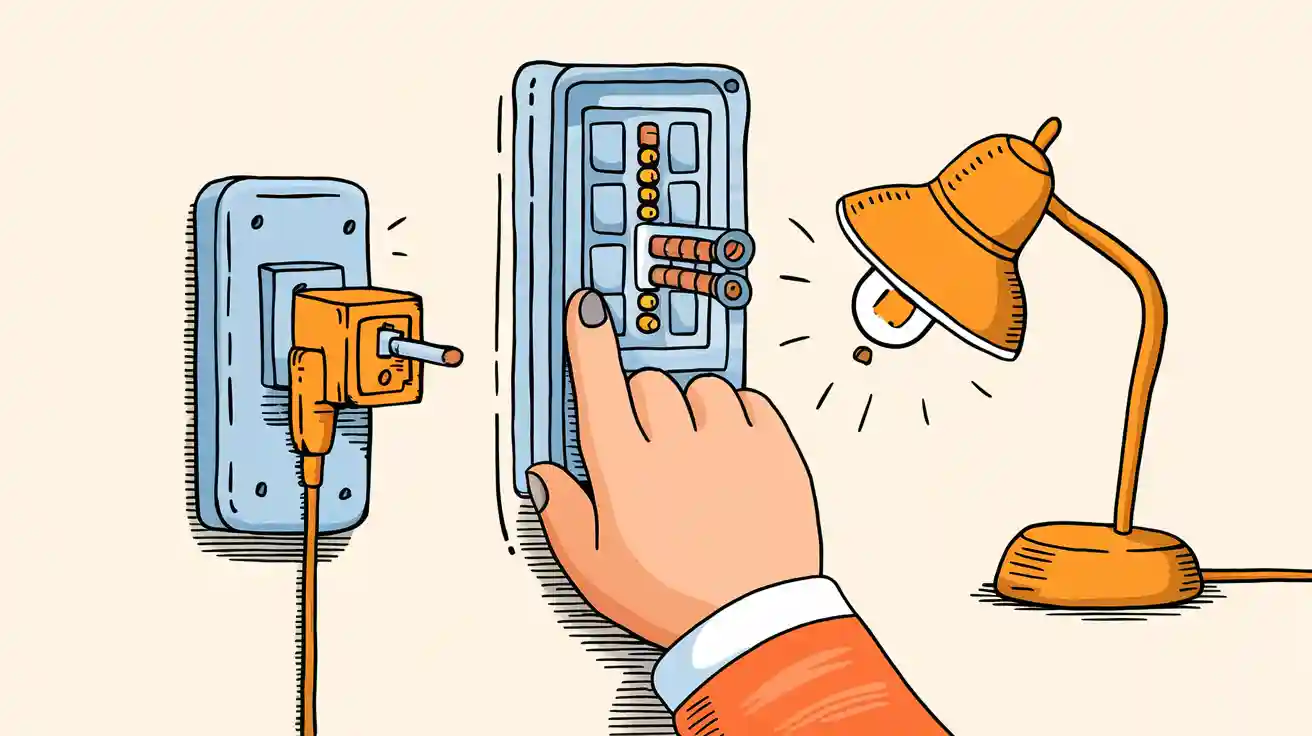
You want to know how to test a breaker without special tools. The reset test is the easiest way. You just turn off and unplug everything on the circuit, flip the breaker off, then back on, and watch what happens as you plug devices back in one at a time. This simple method helps you test a circuit breaker safely. You do not need any fancy equipment. You can also try swap and sniff tests for more clues when testing.
- Turn off and unplug all devices.
- Reset the breaker by switching it off and on.
- Plug in devices one by one.
- Watch if the breaker stays on.
Key Takeaways
- Test a breaker easily by using the reset, swap, or sniff methods without special tools.
- Always follow safety steps: keep hands dry, wear safety glasses, and turn off devices before testing.
- Look for warning signs like frequent trips, burning smells, heat, or physical damage before testing.
- If a breaker keeps tripping or shows damage, stop testing and call a licensed electrician.
- Regularly check breakers to catch problems early and keep your home safe from electrical hazards.
How to Test a Breaker
Testing a breaker does not have to be complicated. You can use simple methods to figure out if your breaker is working right. Here are three easy ways to test a circuit breaker without special tools.
Reset Test
The reset test is the most basic way to test a breaker. You do not need a multimeter for this. You just need to follow a few safety steps and pay attention to what happens.
Steps to test a circuit breaker with the reset method:
- Put on safety glasses and make sure your hands are dry. Stand on a dry surface and to the side of the breaker panel.
- Turn off all lights and unplug every device in the area where you lost power.
- Check that the breaker box and the floor around it are dry.
- Open the breaker panel. Use a flashlight if you need more light.
- Look for the breaker that is in the middle or "off" position. Sometimes, you will see a red indicator.
- Flip the breaker all the way to the "off" position. This resets the internal parts.
- Wait a moment, then flip the breaker back to the "on" position.
- Watch to see if the breaker stays on. If it trips again right away, unplug more devices and try again.
- If the breaker keeps tripping, you may have a wiring problem. Call a professional electrician.
Tip: Always use only one hand when you reset the breaker. This helps keep you safe from electrical shocks.
You can also test a circuit breaker with a multimeter if you have one. Set the multimeter to measure voltage, and carefully touch the probes to the breaker terminals. If you see the right voltage, the breaker is working. If not, you may need to replace it.
Swap Test
If you want to know how to test a breaker without a multimeter, you can try the swap test. This method works if you have another breaker of the same type in your panel.
- First, turn off the main power to your breaker box. This step is very important for your safety.
- Find a breaker that matches the one you want to test.
- Carefully swap the suspected bad breaker with the good one.
- Turn the power back on and see if the problem moves to the new spot. If the circuit works after swapping, the original breaker is probably bad.
Note: Only swap breakers that are the exact same make and model. If you feel unsure about this process, call a licensed electrician.
Swapping breakers can help you test a circuit breaker without special tools, but it does come with risks. You might face electric shock if you do not turn off the power. Improper installation can cause overheating or even fire hazards. Always double-check that you have the right breaker and that you install it correctly.
You can also test a circuit breaker with a multimeter after swapping. Set the multimeter to check continuity or voltage. This step gives you extra proof if you want to be sure.
Sniff Test
Sometimes, your nose can help you with how to test a breaker. The sniff test is simple and does not need any tools.
- Open the breaker panel and stand close, but do not touch any wires.
- Smell for any burning or smoky odors. A bad breaker often smells like burnt plastic or chemicals.
- If you notice a strong smell, the breaker may be damaged inside.
Warning: If you smell burning, do not touch the breaker. Turn off the main power and call a professional right away.
The sniff test is not as exact as using a multimeter, but it can give you a quick clue. If you want to be sure, you can always set the multimeter to the right setting and test the circuit breaker with a multimeter for a more accurate result.
Table: Quick Comparison of Testing Methods
| Method | Tools Needed | Safety Level | What It Tells You |
|---|---|---|---|
| Reset Test | None | High | Breaker trips or stays on |
| Swap Test | None | Medium | Breaker or circuit issue |
| Sniff Test | None | High | Signs of burning/damage |
| Multimeter | Multimeter | Medium | Exact voltage/continuity |
You now know how to test a breaker using three easy methods. If you have a multimeter, you can get even more details, but you do not need one for these basic tests. Always put safety first and call a pro if you feel unsure.
Signs of a Bad Breaker
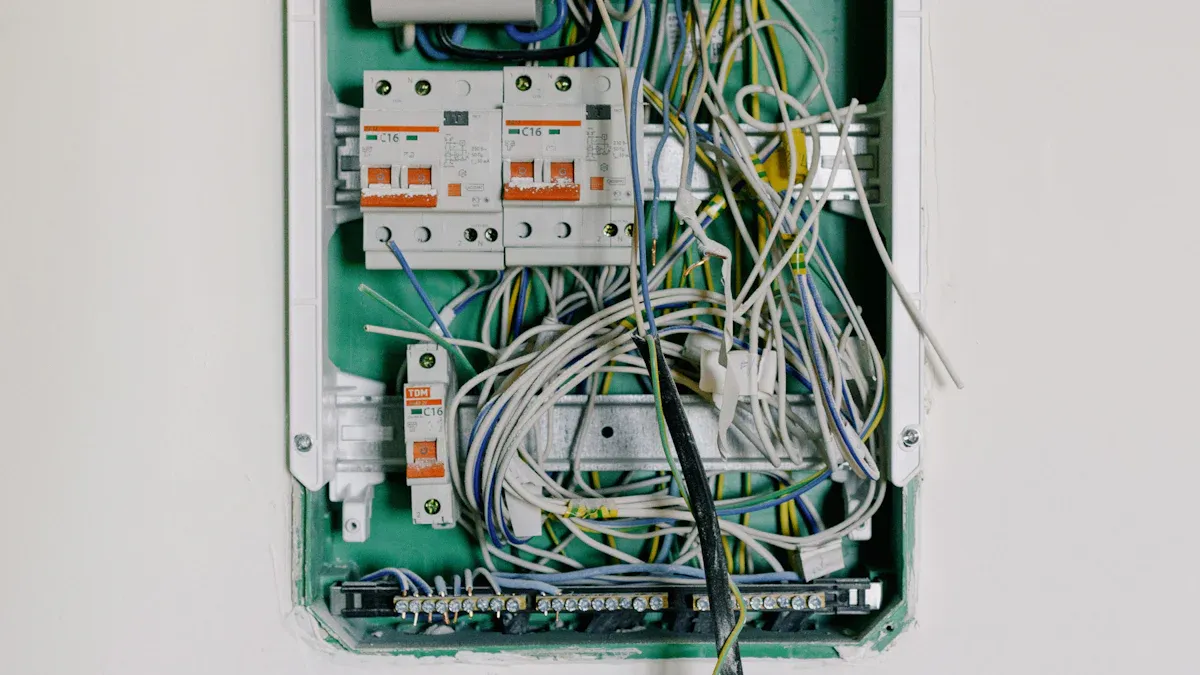
Before you start testing your breaker, you should look for some warning signs. These signs can help you spot a problem early and keep your home safe. Here are the most common things you might notice if a breaker is going bad:
- Breaker trips often, even when you use only a few devices.
- You smell something burning near the electrical panel.
- The breaker will not stay reset and trips again right away.
- You see cracks, scorch marks, or melted wires around the breaker.
- The breaker feels hot when you touch it.
- You hear buzzing or cracking sounds from the breaker box.
- Lights flicker or dim in certain rooms.
- Some outlets or areas lose power off and on.
- The breaker is old or looks worn out.
Tip: Always check for these signs before you try any tests. If you notice more than one, you should be extra careful.
Frequent Tripping
You might notice the breaker trips again and again, even if you only have a lamp or a phone charger plugged in. This is called frequent tripping. It means the breaker cannot handle the load or there is a deeper problem. Sometimes, the breaker will not stay on at all. If this happens, unplug everything and try to reset it. If it keeps tripping, you may need a new breaker or there could be a wiring issue.
Overheating
Touch the breaker gently. If it feels hot, that is a sign of trouble. Breakers should never get hot. Overheating can happen if the breaker is old, damaged, or overloaded. You might also notice a burning smell or see melted wires. These are serious warning signs. Overheating can lead to fires, so you should turn off the power and call an electrician right away.
Physical Damage
Look closely at the breaker and the area around it. Do you see cracks, scorch marks, or melted parts? Sometimes, you might spot damage on outlets or wires too. Physical damage can come from overheating, short circuits, or even accidents. If you see any of these problems, do not touch the breaker. Damaged breakers are dangerous and need professional help.
Warning: If you see melted wires, scorch marks, or smell burning, stop and call a licensed electrician. These signs mean there is a real risk of fire.
Safety Tips
Basic Precautions
You want to stay safe when you test a breaker. Always ensure safety first before you do anything with your electrical panel. Here are some simple steps you can follow:
- Turn off and unplug all appliances and devices on the circuit you plan to test.
- Make sure your hands are dry. Stand on a dry floor. Water and electricity do not mix.
- Put on safety glasses to protect your eyes.
- Open the breaker panel carefully. Use a flashlight if you need more light.
- Locate the breaker you want to test. It may be in the off or middle position.
- Flip the breaker fully off before you try to reset it.
- Only use one hand when you touch the breaker switch. This lowers your risk of shock.
- If you have a multimeter, you can use it to check for voltage or test if the breaker works. But you do not need a multimeter for the basic tests in this guide.
- Keep the area around the panel clear. Do not let kids or pets near you while you work.
Tip: Always label your breakers. This helps you find the right one fast and keeps you organized.
What to Avoid
Some things can make testing a breaker dangerous. Here is what you should never do:
- Do not touch any wires or metal terminals inside the panel. Even if the breaker is off, some parts may still have power.
- Never work on the panel if the floor or your hands are wet.
- Do not try to fix or replace a breaker if you feel unsure. Call a licensed electrician for help.
- Avoid using a multimeter if you do not know how it works. A wrong move can cause a shock or damage your breaker.
- Never ignore signs like burning smells, sparks, or breakers that feel hot. These mean you need a professional right away.
- Do not overload your circuits. Plugging in too many devices can trip the breaker and cause problems.
Warning: If a breaker trips again and again, or if you see sparks or melted parts, stop testing. Call a professional to check your panel.
You can use a multimeter for extra testing, but you do not need one for the reset, swap, or sniff tests. If you ever feel nervous or confused, it is always safer to call an expert.
Troubleshooting
Checklist
When your breaker acts up, you want a clear plan. Here’s a simple checklist to help you figure out what’s wrong:
- Look for Damage: Check the breaker for cracks, discoloration, or melted spots. These signs mean trouble.
- Find the Tripped Breaker: Look for a switch that sits between "on" and "off." That’s usually the one causing problems.
- Unplug Everything: Turn off and unplug all devices on the circuit. This step helps prevent overloads or surges.
- Reset the Breaker: Flip the breaker all the way off, then back on. If it feels loose or moves too easily, it might be worn out.
- Inspect the Wires: Open the panel and look for loose, burned, or frayed wires. Tighten any loose connections if you feel comfortable.
- Listen and Smell: Pay attention to buzzing sounds or burning smells. These can point to wiring issues or overheating.
- Keep Records: Write down what you see and do. Good notes help if you need to call an electrician later.
Tip: Always turn off the main breaker before you touch any wires inside the panel. If you feel unsure, call a pro.
Next Steps
If your breaker still acts up after these checks, don’t worry. You have a few more things to try:
- Use a multimeter if you have one. Check for voltage and see if the breaker lets power through.
- Test the breaker with some load. Plug in a lamp or small device and watch what happens.
- Listen for odd sounds or look for sparks. These signs mean the breaker may have an internal fault.
- Try to reset the breaker again. Sometimes it just needs a firm flip.
- If the breaker keeps tripping or feels hot, cut the power and remove it if you know how.
- Install a new breaker if you feel confident. Test it to see if the problem goes away.
If you still have trouble, or if you see or smell anything strange, call a licensed electrician. Safety always comes first. Sometimes, the best fix is getting expert help.
When to Call a Pro
Warning Signs
Sometimes, you just need to step back and let a licensed electrician handle things. Here are some clear signs that you should call a pro right away:
- The breaker trips over and over, even after you unplug everything.
- You smell something burning near the panel, outlets, or switches.
- Outlets or switches feel warm or look discolored.
- You hear buzzing, humming, or crackling sounds from the breaker box or outlets.
- Lights flicker or dim for no clear reason.
- You see sparks when you plug in an appliance.
- The breaker will not reset or stay on.
- The panel or breakers look old, damaged, or have melted spots.
- You get a shock from an outlet or switch.
Note: If you notice any of these warning signs, stop testing and call a licensed electrician. These problems can mean faulty wiring, overloaded circuits, or even a fire risk.
You might also need a pro if your home has an old electrical panel or wiring. Outdated systems often cannot handle modern appliances and may not meet safety codes.
Why It Matters
You might wonder why you cannot just fix every breaker problem yourself. Here’s why calling a professional matters:
- Persistent breaker issues often mean hidden dangers like faulty wiring, short circuits, or overloaded panels. These can cause fires or shocks.
- Frequent breaker trips warn you about risks to your home and your electronics. Ignoring them can lead to damaged appliances or even a house fire.
- Licensed electricians know how to spot and fix problems safely. They make sure your system meets all safety codes.
- DIY repairs can break the law or void your home insurance. Insurance companies may deny claims if you do not use a pro for electrical work.
- Upgrading old panels or wiring keeps your home safe and can even lower your insurance costs.
Tip: When in doubt, always choose safety. A quick call to a pro can save you money, protect your home, and give you peace of mind.
You now know how to test a breaker with easy methods like reset, swap, and sniff tests. Always wear safety gear, keep your hands dry, and inspect for damage before you start. If your breaker keeps tripping or you spot warning signs, call a licensed electrician. Simple tests help you catch obvious problems, but pros handle complex issues safely. Regular breaker checks protect your home, save money, and keep your family safe.
Stay safe, trust your instincts, and never hesitate to get expert help when you need it!
FAQ
Can I test a breaker without turning off the main power?
You can do a reset or sniff test without turning off the main power. For a swap test, always turn off the main power first. This keeps you safe from shocks.
What if my breaker keeps tripping after I reset it?
If your breaker trips again and again, unplug everything on that circuit. Try resetting it once more. If it still trips, you may have a wiring problem or a bad breaker. Call a licensed electrician.
Is it safe to touch the breaker with my bare hands?
Always keep your hands dry and only touch the breaker switch, not any wires or metal parts. Wear safety glasses. If you feel unsure, ask a professional for help.
How often should I check my breakers?
You should check your breakers once or twice a year. Look for signs of damage, overheating, or burning smells. Regular checks help you catch problems early and keep your home safe.