A Beginner's Guide to Surge Protector Breakers
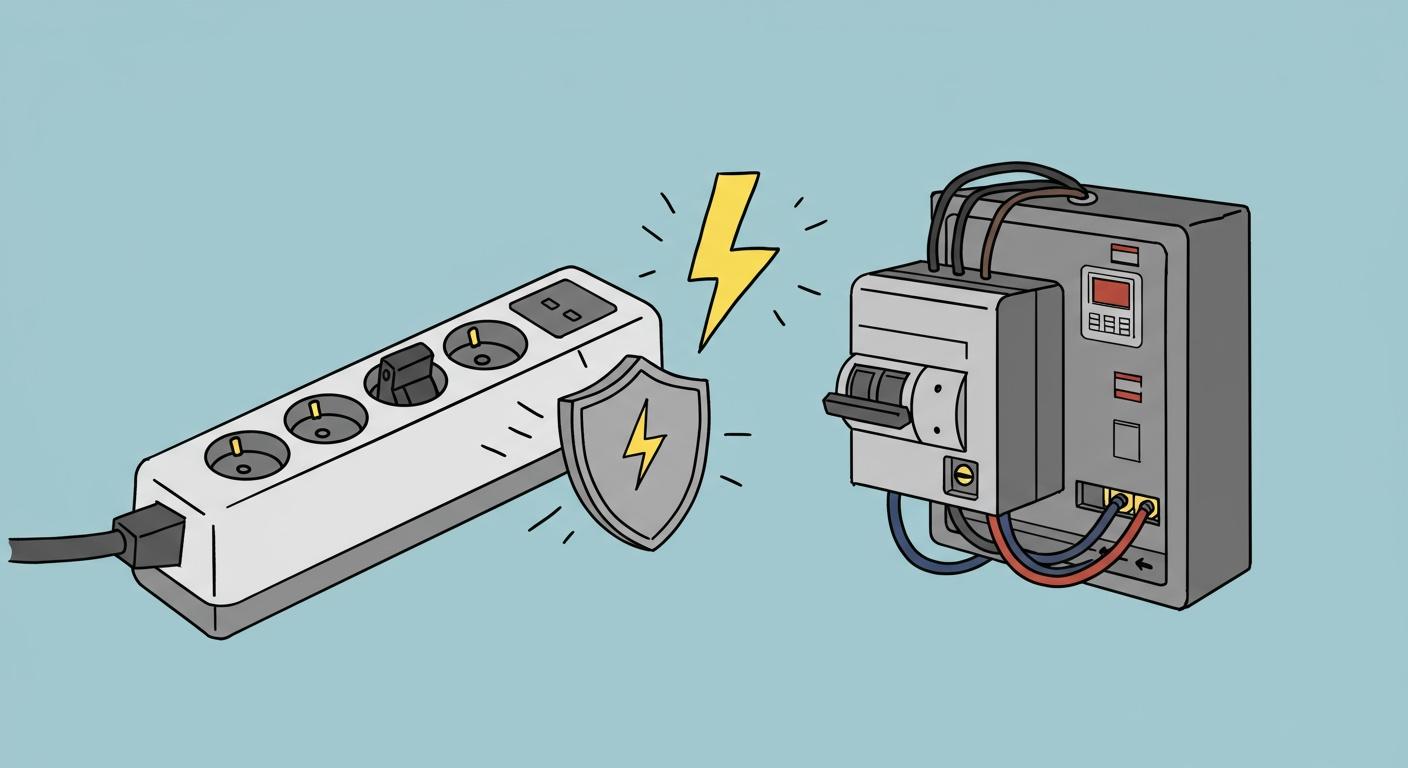
A surge protector breaker is a special circuit breaker you install in your main electrical panel. This single surge protection device offers powerful protection. It shields every outlet and electronic device in your home from a damaging power surge. Think about a lightning storm or your air conditioner turning on and off. These events can create a harmful surge. In fact, 60-80% of surges start inside your home. This breaker provides essential protection for your sensitive electronics.
Key Takeaways
- A surge protector breaker protects all electronics in your home from sudden power spikes.
- Most power surges happen inside your home from appliances turning on and off.
- Choose a Type 2 surge protector with a 40kA rating and a VPR of 400V or less for the best protection.
- Always pick a surge protector with UL 1449 certification to ensure it is safe and works well.
- Hire a licensed electrician to install your surge protector breaker; it is dangerous to do it yourself.
HOW SURGE PROTECTION WORKS
A surge protector breaker acts like a pressure relief valve for your home's electrical system. Its core job is simple. It constantly monitors the voltage coming into your house. When it detects a dangerous voltage spike, it instantly diverts that excess electrical energy away from your devices and safely to the ground. This action provides robust protection for your entire home.
UNDERSTANDING POWER SURGES
A power surge is a brief spike in your home's electrical voltage. While lightning is a famous cause, most surges actually start inside your home. In fact, more than half of all household surges are internal. They can happen dozens of times every day. Large appliances like refrigerators and air conditioners create a small surge every time they turn on. Faulty wiring or a tripped circuit breaker can also cause a powerful and damaging surge.
THE ROLE OF METAL OXIDE VARISTORS (MOVS)
The hero inside every surge protection device is a component called a Metal Oxide Varistor (MOV). MOVs are made from zinc oxide and other metal oxides. Think of them as extremely fast voltage-sensitive switches. At normal voltage, the MOV does nothing. When a high-voltage surge hits, its resistance drops instantly. This creates a safe path for the harmful excess voltage to travel to your ground wire, protecting your electronics.
Pro Tip 💡 MOVs wear out over time. Each surge they absorb, big or small, slightly degrades their ability to offer protection. A quality surge protective device typically has a lifespan of 3 to 5 years. After that, you should consider a replacement to ensure continued safety.
PROTECTING ALL ELECTRICAL PATHS
Your home's power runs on multiple pathways: a hot, a neutral, and a ground wire. A quality surge protection device must defend all of them. Protection is needed not just between the hot and ground wires, but also between the neutral and ground wires. Sensitive electronics are very vulnerable to voltage differences on these paths. Without complete protection, a surge can still sneak through and cause serious damage.
Inadequate protection can lead to:
- Fried circuit boards in appliances and computers.
- Permanent damage to expensive equipment.
- Data loss and corruption on your digital devices.
This comprehensive approach ensures every potential path for a surge is blocked, keeping your modern electronics safe.
CHOOSING YOUR SURGE PROTECTION DEVICE
You know you need protection from a power surge. Now you must choose the right device. Selecting the correct surge protection device involves understanding the different types and key performance numbers. This knowledge helps you find the perfect fit for your home's electrical system. A good surge protection device selector process starts with the basics.
TYPES OF SURGE PROTECTION DEVICES
Surge protection devices are not all the same. They are sorted into "Types" based on where you install them and what they do. Using both Type 1 and Type 2 devices gives you complete protection. This combination offers the best defense for your home's systems and gadgets.
Here is a simple breakdown of the three main types:
| Feature | Type 1 SPD | Type 2 SPD | Type 3 SPD |
|---|---|---|---|
| Installation Location | At the service entrance, before the main breaker. | In the main panel, after the main breaker. | At the point of use (e.g., power strips). |
| Protection Level | Guards against large external surges like lightning. | Protects the whole home from internal surges and leftover external surges. | Shields individual, sensitive electronics. |
| Primary Use | First line of defense against powerful outside threats. | Whole-home protection for all branch circuits. | Last line of defense for specific devices. |
THE TYPE 2 SURGE PROTECTOR
For whole-home protection, you will focus on a Type 2 surge protector. This is the category that a surge protector breaker falls into. The National Electrical Code (NEC) requires you to install a Type 2 surge protector on the "load side" of your main circuit breaker. This means it sits inside your main panel and protects all the circuits branching out into your home.
A Type 2 surge protector is your workhorse. It manages the frequent, small surges created inside your house. It also cleans up any leftover energy from a large external surge that gets past a Type 1 device. For most homes, a high-quality Type 2 surge protector provides robust and sufficient protection. This is the most common and effective surge protection device selector choice for residential buildings.
KEY SPECIFICATIONS TO CHECK
When you compare models, you will see several technical specifications. Do not get overwhelmed. You only need to focus on a few key numbers to make a smart choice. Your surge protection device selector process should prioritize these three ratings.
-
Surge Capacity (kA Rating): This number tells you how much electrical energy the device can absorb before it fails. It is measured in kiloamperes (kA). For residential use, you should look for a rating of 40kA or higher. A higher number means a longer lifespan and better protection against a major surge event.
-
Voltage Protection Rating (VPR): VPR is the most critical number for protecting your electronics. It tells you the maximum voltage that will pass through to your devices during a surge. A lower VPR is always better. Modern electronics are sensitive. You should choose a device with a VPR of 400 volts (V) or less. A 330V rating offers the best protection.
-
Panel Compatibility: The breaker must match your electrical panel. Check your panel's amperage rating (e.g., 100A, 200A) and brand. The surge protective device you choose must be compatible with your specific panel for a safe and proper fit.
WHY UL CERTIFICATION MATTERS
You will see a small "UL" logo on many products. This mark is extremely important for a surge protection device. UL stands for Underwriters Laboratories, an independent safety science company.
To earn the UL 1449 certification, a device must pass a series of tough tests. These tests verify:
- Safety: The device will not cause a fire or shock, even when it fails at the end of its life.
- Performance: The VPR and kA ratings listed on the box are accurate and have been tested. The device can handle the number of surges it claims to.
Always look for the UL 1449 Listed mark. This certification is your guarantee that the Type 2 surge protector will perform safely and effectively when you need it most. It is the final, non-negotiable step in your surge protection device selector journey.
INSTALLATION: A JOB FOR A PROFESSIONAL
You have selected the perfect surge protection device. Now comes the most critical step: the installation. Working inside your home's main electrical panel is extremely dangerous. It carries a high risk of severe injury or even death if you make a mistake. For this reason, you must hire a licensed electrician for the installation.
Safety Alert ⚠️ This overview is for your information only. It helps you understand the process. It is not a do-it-yourself guide. Always entrust this job to a qualified professional to ensure your safety and the system's effectiveness.
Hiring a professional is not just about safety. It also protects you from serious legal and financial problems. Unlicensed electrical work can lead to:
- Voided Insurance Claims: Your home insurance may refuse to cover damage from a fire if the work was not done by a licensed professional.
- Failed Inspections: Improper work will not pass a building inspection. This can stop you from selling your home or completing a renovation.
- Fines and Penalties: You could face large fines and be forced to pay a licensed electrician to redo the entire job correctly.
- Legal Liability: If someone is injured due to faulty wiring you installed, you could be held responsible for their medical bills and other damages.
SAFETY FIRST: MAIN POWER SHUTDOWN
The first thing an electrician will do is ensure complete safety. They will go to your main circuit breaker, which is the large breaker at the top of your panel. They will switch it to the "OFF" position. This action cuts off all power from the utility company to your home's circuits. This is the most important of all safety precautions. Even with the main breaker off, the lines coming into the panel from the utility are still live and dangerous. A professional knows how to work around them safely.
ACCESSING THE ELECTRICAL PANEL
With the main power off, the electrician will remove the front cover of your electrical panel. This is usually held in place by several screws. Removing the cover exposes all the circuit breakers and the complex wiring inside. The electrician will use a voltage tester to confirm that the branch circuits are de-energized before proceeding with the installation. This double-check is a key part of professional safety best practices.
INSTALLING THE SURGE PROTECTOR BREAKER
Your electrician will identify the best location for the new surge protector breaker. Placement is critical for performance. The breaker should be installed in the two spaces closest to the main circuit breaker or main lugs. This position ensures the shortest possible wire path. Even a few extra inches of wire can reduce the effectiveness of your surge protection. The electrician will then firmly snap the new breaker into the open slots on your panel's bus bars, just like a standard circuit breaker.
WIRING TO THE BUS BARS
This step is where an electrician's expertise truly matters. The surge protector breaker has several wires that need to be connected correctly.
- The black wires connect to the new two-pole circuit breaker itself.
- The white neutral wire connects to the panel's neutral bus bar.
- The green ground wire connects to the panel's ground bus bar.
The National Electrical Code (NEC) has strict rules for this process. It requires a minimum wire size of 14 AWG copper for these connections. Most importantly, the electrician will keep these wires as short and straight as possible. Every inch of wire adds resistance, which can let a higher voltage surge pass through to your devices. Research shows that an extra inch of wire can increase the let-through voltage by 20 volts. A long, looping wire can render your protection useless. Proper earthing is essential for the device to divert a powerful surge safely.
TESTING THE INDICATOR LIGHTS
After completing the wiring, the electrician will replace the panel cover and restore power to your home. The final step is testing the device. Your surge protector has small LED indicator lights that show its status. The electrician will check these lights to confirm the installation was successful.
While lights vary by brand, they generally follow this pattern:
| Light Status | Meaning |
|---|---|
| Green Light ON | The device is powered, and your home's wiring is properly grounded. |
| Protection Light ON | The surge protection components (MOVs) are active and ready to protect your home. |
| Any Light OFF or Flashing | There is a problem. The device may be faulty, or there could be an issue with your home's wiring. |
If the testing reveals a fault, the electrician will diagnose the problem. This could involve checking the connections, testing the outlet, or identifying a pre-existing grounding issue in your home. This final testing confirms your investment is working correctly and your home is protected from the next power surge.
A surge protector breaker is a small investment for powerful protection. For an average cost of around $300, a professional installation of a Type 2 surge protector defends your home from a damaging surge. This single circuit breaker provides peace of mind. Real-world cases show this surge protection device can save expensive equipment from a nearby lightning surge.
Your Key Takeaways 📝
- Select a UL-certified Type 2 surge protector. This surge protection device is the right choice for your home's electrical panel.
- Always use a licensed electrician for the installation of this breaker.
This one-time upgrade offers lasting protection and security for your entire home.
FAQ
What is the difference between this and a power strip?
A surge protector breaker guards your entire home's electrical system from the main panel. It protects every single outlet. A surge protector power strip only shields the specific devices you plug directly into it. It offers point-of-use protection for a few items.
How often should I replace my surge protector breaker?
You should plan to replace your surge protector breaker every 3 to 5 years. The internal components wear out over time as they absorb power surges. Regular replacement ensures your home remains protected from damaging voltage spikes.
Check the Lights! 💡 Your device's indicator lights will tell you if it needs replacement sooner. If a protection light goes out, it is time for a new one.
Will this protect my home from a direct lightning strike?
No device can guarantee protection from a direct lightning strike. A whole-home surge protector defends against surges from nearby strikes and other electrical events. A direct hit contains too much energy for any residential device to handle completely.
Can I install a surge protector breaker myself?
No, you must not install this device yourself. Working inside a main electrical panel is extremely dangerous and requires a professional. Always hire a licensed electrician for a safe and correct installation that meets all electrical codes.