How to Find Out If a Breaker Is Bad Without Danger
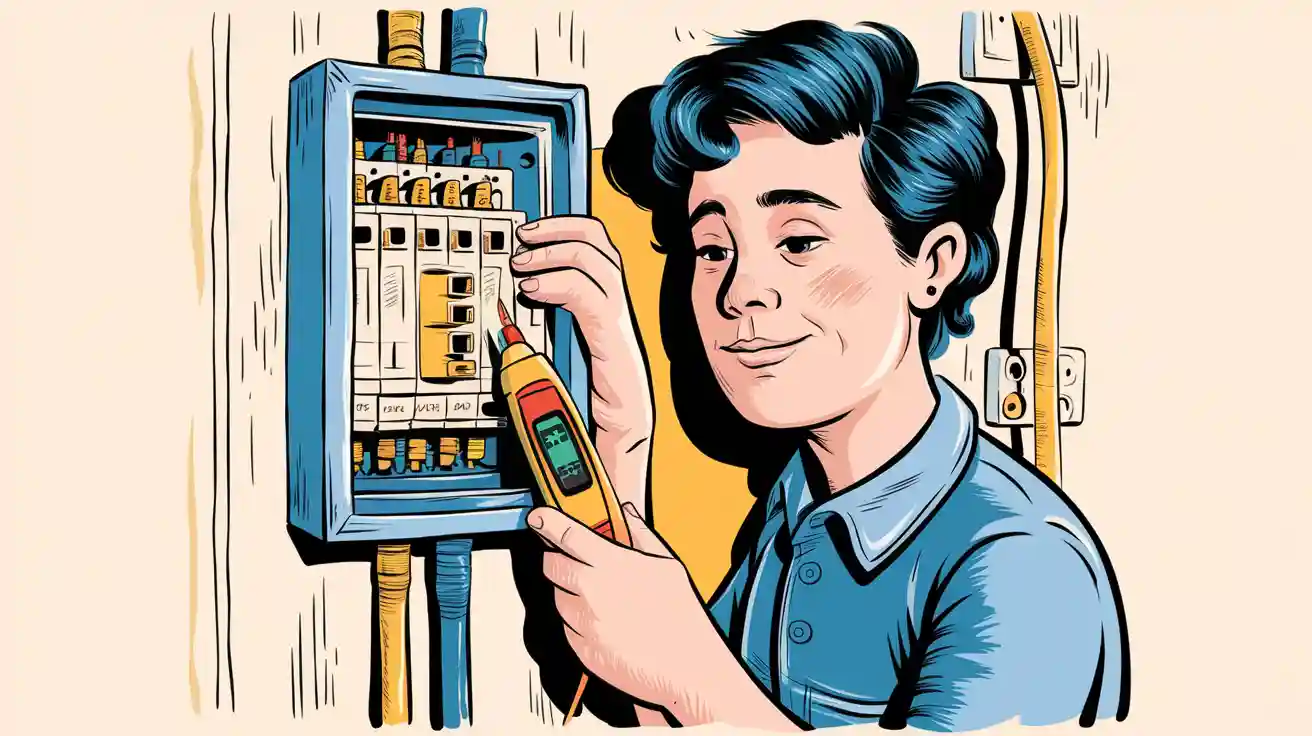
Safety should always come first when you work around electricity. Many people worry about how to check a breaker without putting themselves in danger. Electrical accidents can cause serious injuries, such as burns, muscle contractions, or even falls. The table below shows some of the most common injuries that happen when people skip safety steps:
| Injury Type | Description | Cause/Mechanism |
|---|---|---|
| Electrical Burns | Flash burns or contact burns from electrical arcs or current. | Direct electrical current causing heat damage. |
| Fractures and Falls | Broken bones or head injuries from losing balance. | Muscle contractions or shock-induced falls. |
| Muscle Contractions | Muscles lock up and cannot let go of electrical source. | Electrical current causing uncontrollable muscle movement. |
| Rhabdomyolysis | Muscle breakdown that can harm kidneys. | Severe injury from electrical shock. |
| Cardiac Arrest/Internal Injuries | Heart rhythm problems or organ damage. | Current passing through the heart or brain. |
You can avoid these dangers by using a step-by-step guide and following every safety rule. This step-by-step guide helps you stay safe and confident as you learn how to check a breaker the right way.
Key Takeaways
- Always turn off the main power and use insulated tools before checking a breaker to avoid electrical shock or injury.
- Look for signs of a bad breaker like frequent trips, burning smells, flickering lights, or physical damage before trying to reset it.
- Test breakers safely with a multimeter after confirming the power is off, and watch for unusual voltage readings that signal problems.
- Unplug devices on the circuit before resetting the breaker to find if an appliance or overload causes the issue.
- Call a licensed electrician if breakers trip repeatedly, show damage, or if you feel unsure about any step to keep your home safe.
Safety Precautions
Before you check a circuit breaker, you need to follow safety precautions every time. These steps protect you from serious harm and help you work with confidence. Always remember that electricity can be dangerous, so you must respect it.
Turn Off Main Power
Start by turning off all appliances and lights in the area you plan to inspect. Next, switch off the main power at your electrical panel. This step is one of the most important safety precautions. When you cut the power, you lower the risk of shock or burns. Never skip this step, even if you think the circuit breaker is already off. Double-check that the power is off before you move forward.
Tip: Use a flashlight if you need extra light after turning off the main power.
Use Insulated Tools
You should always use insulated tools when working near a circuit breaker. Insulated screwdrivers, pliers, and wrenches have special coatings that block electricity. These tools go through tests to make sure they protect you from accidental contact with live parts. Wearing protective gloves and safety glasses adds another layer of safety. These safety precautions help you avoid injuries if you touch something by mistake.
- Insulated screwdrivers
- Insulated pliers
- Insulated wrenches
Choose tools that meet safety standards. Check them for damage before each use.
Avoid Live Wires
Never touch live wires or exposed metal parts. This is one of the most important safety precautions you can follow. Touching or even standing too close to live wires can cause shock, burns, or even fires. Sometimes, electricity can jump or arc from a wire to your body or tools, even if you do not touch it directly. Wet conditions, damaged tools, or poor insulation make these risks even higher. Always keep a safe distance from live wires and make sure the circuit breaker is off before you begin.
Warning: OSHA recommends staying at least 20 feet away from live power lines. Always de-energize circuits and use proper protective equipment.
By following these safety precautions, you lower your risk and make sure your circuit breaker inspection stays safe.
How to Check a Breaker
Learning how to check a breaker safely helps you avoid electrical hazards and keeps your home running smoothly. This step-by-step guide will walk you through the process, starting with the most important safety steps.
Remove Panel Cover Safely
Before you open your electrical panel, always look for signs of trouble. Check for rust, water leaks, or wet floors near the panel. These can make the area unsafe. Use a voltage tester to make sure the panel is not carrying any electrical charge. Never tap the panel with your hand or a tool to check for power.
Ask everyone nearby to stand back. Only one person should work on the electrical panel at a time. Stand in a way that blocks others from getting too close. Make sure you have a clear path to move away quickly if you see sparks or hear strange noises. Always check that the system is properly grounded before you begin.
Note: Homeowners should not remove the electrical panel cover themselves. This job is best left to trained professionals because of the risk of shock or arc explosions.
If you notice any unsafe conditions, stop right away and call a licensed electrician.
Identify Tripped Breakers
Once you have safe access to the electrical panel, you can start looking for a tripped circuit breaker. Here are some signs to help you spot one:
- The breaker handle sits in the middle position, not fully on or off.
- Some breakers have a red or blinking LED light. For example, Eaton breakers blink twice for a high current arc fault or three times for a thermal overload.
- The handle may feel loose or wobbly.
- Lights in your home may flicker or dim, which can signal a tripped breaker.
- You may hear a buzzing sound or notice the breaker will not reset.
If you see any of these signs, you have likely found the tripped circuit breaker. Some breakers also have a test button that helps you find out why it tripped. Always read the label or manual for your specific breaker model.
Tip: If you have trouble finding the tripped breaker, check for rooms or outlets that have lost power. This can help you narrow down which breaker to inspect.
Visual Inspection
After you identify the tripped breaker, look closely for signs of damage or overheating. Use your eyes and nose to check for problems. Here is what you should look for:
- Flickering or blinking lights in your home.
- Frequent tripping of the same circuit breaker.
- A burning smell or melted plastic odor near the electrical panel.
- Heat coming from the breaker or the panel.
- Physical damage like melted wires, scorch marks, or cracks on the breaker.
- Rust or corrosion on the electrical panel or breakers.
- Buzzing, crackling, or sizzling sounds from the panel.
If you notice any of these warning signs, do not try to reset the breaker. These problems can lead to electrical fires or serious injury. Call a professional right away.
Warning: Never ignore a burning smell or hot breaker. These are signs of a dangerous problem inside your electrical panel.
Some common mistakes people make when checking a circuit breaker include connecting two wires to a single breaker (called double-tapping), leaving open spaces in the panel, or ignoring faulty GFCI outlets. These mistakes can cause loose connections, sparks, or even fires.
By following this step-by-step guide, you learn how to check a breaker safely and spot problems before they become serious. Always put safety first and call an expert if you feel unsure at any point.
Reset and Observe
After you finish your visual inspection, you need to reset the circuit breaker and watch what happens. This step helps you learn how to check a breaker and find out if the problem is simple or more serious.
Reset the Breaker
Follow these steps to reset a circuit breaker safely:
- Make sure your hands and the floor are dry.
- Locate your electrical panel. You often find it in a basement, garage, utility room, or on an outside wall.
- Open the panel door and find the breaker that is not fully ON. It may sit between ON and OFF.
- Push the breaker handle all the way to the OFF position. This resets the internal parts.
- Flip the handle back to the ON position with a firm motion.
- Test the area by turning on a light or plugging in a device.
Tip: If the breaker trips again right away, stop and call a professional. Do not keep trying to reset it.
Unplug Devices
Before you reset the breaker, unplug all devices and appliances on the affected circuit. This step lowers the electrical load and helps you see if the problem comes from too many devices or a faulty appliance. If the breaker stays ON after you reset it, plug in each device one at a time. Watch for any device that causes the breaker to trip. This method helps you learn how to check a breaker and find the source of the trouble.
Watch for Immediate Tripping
If the circuit breaker trips immediately after you reset it, you may have a bigger problem. Common causes include:
- Short circuits, which happen when wires touch and cause a surge.
- Overloaded circuits, which occur when you use too many devices at once.
- Ground faults, which send electricity down the wrong path.
- A faulty circuit breaker, which may need replacement.
⚠️ Alert: Do not keep resetting a breaker that trips right away. This can lead to fire or injury. Call an electrician for help.
By following these steps, you keep yourself safe and learn how to check a breaker without danger.
Test a Circuit Breaker
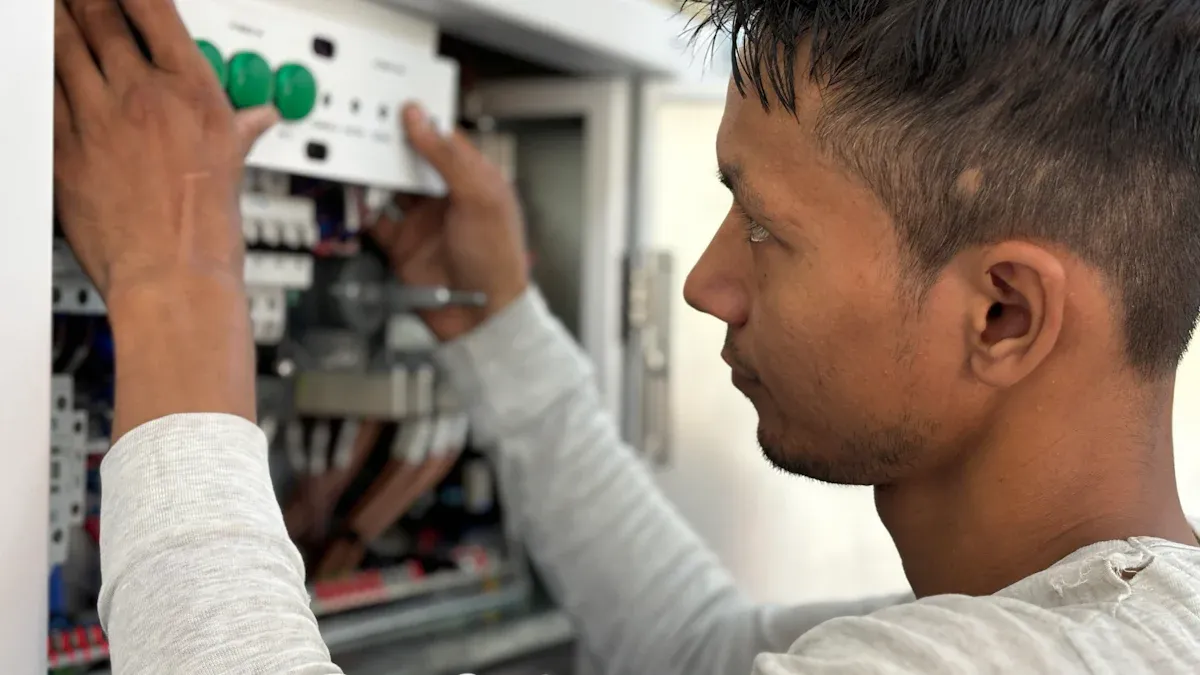
You can learn how to test a circuit breaker safely and accurately by following a few simple steps. This process helps you find out if your circuit breaker works as it should or if you need to replace it. Always remember that safety comes first when you work with electricity.
Use a Multimeter
A multimeter is a tool that measures voltage, resistance, and continuity. You use it to test a circuit breaker and check if it delivers power correctly. Follow these steps to get reliable results:
- Set your multimeter to measure AC voltage. Choose the range that matches your home's supply, usually up to 200 volts.
- Turn off the main breaker to make sure the panel is safe to open.
- Remove the panel cover carefully so you can access the breakers.
- Find the circuit breaker you want to test.
- Place one probe on the breaker's screw terminal and the other on the neutral bus bar. If the breaker is off, you should see near-zero voltage. If it is on, you should see the rated voltage.
- Switch your multimeter to resistance or continuity mode. Turn the breaker off, then measure between the screw terminal and the output terminal. You should see infinite resistance when the breaker is off and near-zero resistance when it is on.
- Replace the panel cover and turn the main breaker back on.
Tip: Always use insulated gloves and tools when you test a circuit breaker. This reduces the risk of shock.
Check Voltage Output
When you test a circuit breaker, you need to know what voltage readings to expect. A properly working residential circuit breaker usually shows between 118 and 126 volts to ground. You should see a small voltage drop across the breaker, about 0.25 volts, which means the connection is good.
- Voltage readings between 118 and 126 volts mean your circuit breaker works well.
- If you see readings below 90 volts or zero, your breaker may be tripped or faulty.
- Readings between 102 and 105 volts can point to loose connections or corrosion, not always a bad breaker.
- High readings above 130 volts may signal overload or faulty equipment.
- Inconsistent voltage can mean wiring problems or overloaded circuits.
| Voltage Reading | What It Means |
|---|---|
| 118-126 volts | Breaker is working properly |
| 102-105 volts | Possible loose connection/corrosion |
| Below 90 volts | Tripped breaker or wiring problem |
| Above 130 volts | Overload or faulty equipment |
| 0 volts | Breaker is off or malfunctioning |
⚡ Alert: If you see strange voltage readings, stop testing the breaker and call a licensed electrician.
Confirm Power Is Off Before Testing
Before you test a circuit breaker, you must make sure the power is off. This step keeps you safe and prevents accidents.
- Unplug and switch off all devices connected to the circuit.
- Flip the breaker switch up and down to check its position.
- Set your multimeter to voltage mode. Touch one probe to the breaker's power screw and the other to the grounded box.
- Confirm that the multimeter shows no voltage. If you see any voltage, do not continue testing the breaker.
Industry standards like NFPA 70B and NEMA AB require you to follow strict safety steps. You should wear protective gear, use voltage-rated tools, and inspect your work area for hazards. Only qualified people should test a circuit breaker, but you can do basic checks if you follow every safety rule.
Note: Never touch wires or terminals unless you are sure the power is off. Always double-check with your multimeter before you begin.
By following these steps, you can test a circuit breaker safely and find out if it needs repair or replacement. Careful testing helps you keep your home safe and your electrical system working well.
When to Call a Professional
Warning Signs
You should know when it is time to stop and call a licensed electrician. Some problems with your circuit breaker and electrical system need expert help. Watch for these warning signs:
- Flickering or dimming lights in several rooms
- Dead outlets that do not work, even after resetting the circuit breaker
- Frequent circuit breaker trips that happen again and again
- Burning smells or hot plastic odors near outlets or the electrical panel
- Sparking when you plug or unplug devices
- Warm or discolored outlets, burn marks, or buzzing sounds from the panel
- Outdated fuse panels or knob-and-tube wiring
If you notice any of these issues, you should turn off the power and call a professional right away. These signs can mean serious electrical hazards.
Risks of DIY
Trying to fix a circuit breaker without training can be dangerous. You face many risks if you try to repair electrical problems yourself:
- Electrical shock can happen even if you think the power is off
- Fire hazards increase with improper wiring or overloaded circuits
- Code violations can lead to fines and trouble selling your home
- Insurance may not cover damage from unlicensed repairs
- Misdiagnosing problems can cause more damage and higher costs
- Lack of proper tools and knowledge makes mistakes more likely
Professional electricians know how to handle these risks. They use special equipment and follow safety codes to keep your home safe.
Find an Electrician
When you need help with your circuit breaker, choose a licensed electrician with the right qualifications. Look for someone who has completed safety training, such as OSHA 10 or OSHA 30. Check for industry credentials like NCCER and make sure the electrician keeps up with new technologies and code changes. Ask about their experience with panel work, troubleshooting, and repairs. A good electrician will have a valid license and proof of continuing education. This helps you get safe and reliable service for your circuit breaker problems.
Circuit Breaker Issues
When you look at your electrical panel, you might wonder why a circuit breaker trips or fails. Understanding the main issues helps you keep your home safe and your power running smoothly.
Overloads
Overloads are the most common reason for a circuit breaker to trip in homes. This happens when you plug in too many devices or use high-wattage appliances on the same circuit. The breaker senses the extra demand and shuts off to prevent wires from overheating. You might notice burning smells, warm outlets, or flickering lights when an overload occurs. These are warning signs that you should not ignore.
- Overloads protect your home from fire by stopping the flow of electricity when the load is too high.
- Using many gadgets or appliances at once increases the chance of overloads.
- Frequent trips mean you need to reduce the number of devices or upgrade your electrical system.
Tip: If your breaker trips often, you should check if your breakers need to be replaced or if you need to move some devices to other circuits.
Short Circuits
Short circuits happen when a hot wire touches another wire or a metal part. This creates a sudden surge of electricity. Your circuit breaker trips right away to stop the flow and prevent damage. Short circuits can cause sparks, loud pops, or even smoke. You might see scorch marks or smell burning near outlets or the panel.
Common causes of short circuits include:
- Damaged or old wiring with cracked insulation
- Loose wire connections inside the panel
- Water leaks near electrical parts
If you suspect a short circuit, turn off the main power and call a professional. Never try to fix it yourself.
Old Breakers
As circuit breakers age, they become less reliable and more likely to fail. Breakers older than 25 years have a much higher risk of problems like mechanical wear, corrosion, and insulation breakdown. You might notice frequent tripping, visible cracks, burning smells, or buzzing sounds. These signs mean your breaker may not protect you during an overload or short circuit.
| Age Range (Years) | Annual Failure Rate | Reliability & Safety Impact | Recommended Action |
|---|---|---|---|
| 1-15 | ~2% | Low failure risk; breakers generally reliable | Continue regular monitoring and maintenance |
| 16-25 | ~5% | Increased failure risk; early signs of wear may appear | Plan replacement within 12 months if warning signs present |
| 25+ | ~12% | High failure risk; breakers prone to mechanical fatigue, corrosion, and insulation breakdown | Immediate replacement if critical warning signs appear |
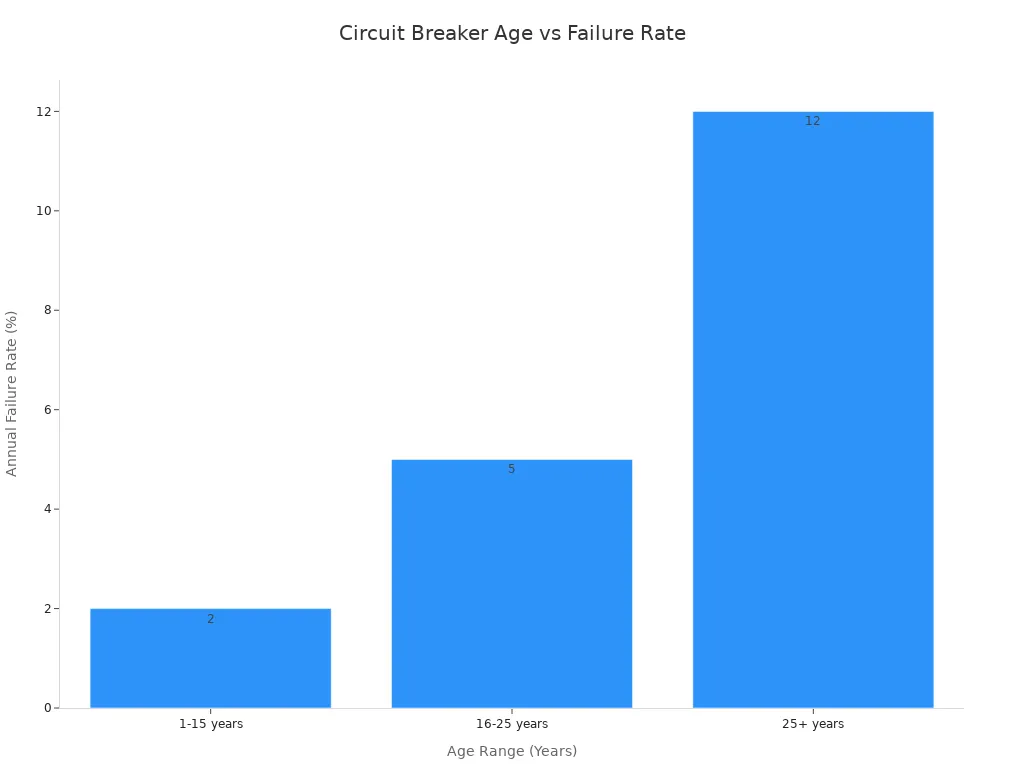
You should check your panel for these warning signs and schedule regular maintenance. If you see any of these problems, it is time to check if your breakers need to be replaced. Keeping your circuit breaker system up to date protects your home from electrical hazards.
Prevent Future Problems
Regular Checks
You can prevent many electrical problems by checking your electrical panel and circuit breaker regularly. Experts recommend that you look at your electrical panel at least once a year. If you live in an older home, you should ask a professional to inspect your electrical panel every 3 to 5 years. Newer homes need a professional inspection every 10 years. Rental properties also need regular checks.
| Inspection Type | Recommended Frequency |
|---|---|
| Visual check by homeowner | At least once a year |
| Professional inspection | Every 10 years (newer homes) |
| Professional inspection | Every 3 to 5 years (older/rental homes) |
If you skip these checks, you risk slower response times from your circuit breaker. This can lead to electrical fires, equipment damage, or even higher energy bills. Regular checks help you spot problems early and keep your electrical panel safe.
Safe Practices
You can avoid most circuit breaker problems by following safe practices. Always inspect your electrical panel for damage, corrosion, or overheating before you do any work. Use a voltage tester to make sure the power is off. Choose the right circuit breaker for your needs and follow the manufacturer's instructions. Make sure all wiring connections are tight and secure.
- Inspect the electrical panel for signs of trouble before starting work.
- Turn off the power and use a voltage tester to confirm circuits are de-energized.
- Select the correct circuit breaker size and type for your system.
- Tighten all connections to the recommended settings.
- Avoid overloading circuits by spreading out your devices.
- Test the circuit breaker after installation to make sure it works properly.
Tip: Always hire a licensed electrician for any work inside your electrical panel. This keeps your home safe and up to code.
Panel Upgrades
Upgrading your electrical panel gives you many benefits. Modern panels protect your home from electrical fires and handle today’s higher power needs. New circuit breakers respond faster to faults and help prevent overloads and short circuits. You also get better energy efficiency and may even lower your insurance costs.
- Enhanced protection against electrical fires and shocks
- Support for more outlets and new appliances
- Compliance with the latest electrical codes
- Fewer repairs and less risk of equipment damage
- Peace of mind from a safe, reliable electrical system
A professional upgrade ensures your electrical panel meets all safety standards. You can enjoy a safer home and prepare for future technology.
You can check a breaker safely by turning off the main power, using insulated tools, and avoiding live wires. Never take risks with electricity. If you notice burning smells, frequent trips, or damaged breakers, call a professional.
- In 2020, electrical injuries caused 1,900 injuries and 166 deaths.
- Electrical fires led to $1.3 billion in property damage.
- Faulty outlets cause over 5,300 fires and 40 deaths each year.
Always put safety first. When in doubt, let a licensed electrician handle serious electrical problems.
FAQ
How do you know if a breaker is bad or just overloaded?
You can tell by unplugging all devices and resetting the breaker. If it trips again with nothing plugged in, the breaker may be bad. If it stays on, you likely had an overload.
Is it safe to touch a circuit breaker?
You should never touch a breaker with wet hands or while standing on a wet floor. Always use insulated tools and wear safety gear. If you feel unsure, call a professional.
Can a breaker go bad without tripping?
Yes, a breaker can fail without tripping. Signs include flickering lights, warm outlets, or a burning smell. You may also notice devices losing power even when the breaker looks on.
What should you do if a breaker keeps tripping?
Unplug all devices on that circuit. Try resetting the breaker. If it trips again, you may have a wiring problem or a faulty breaker. Call a licensed electrician for help.