How IDC Connectors Improve Electrical Connection Quality
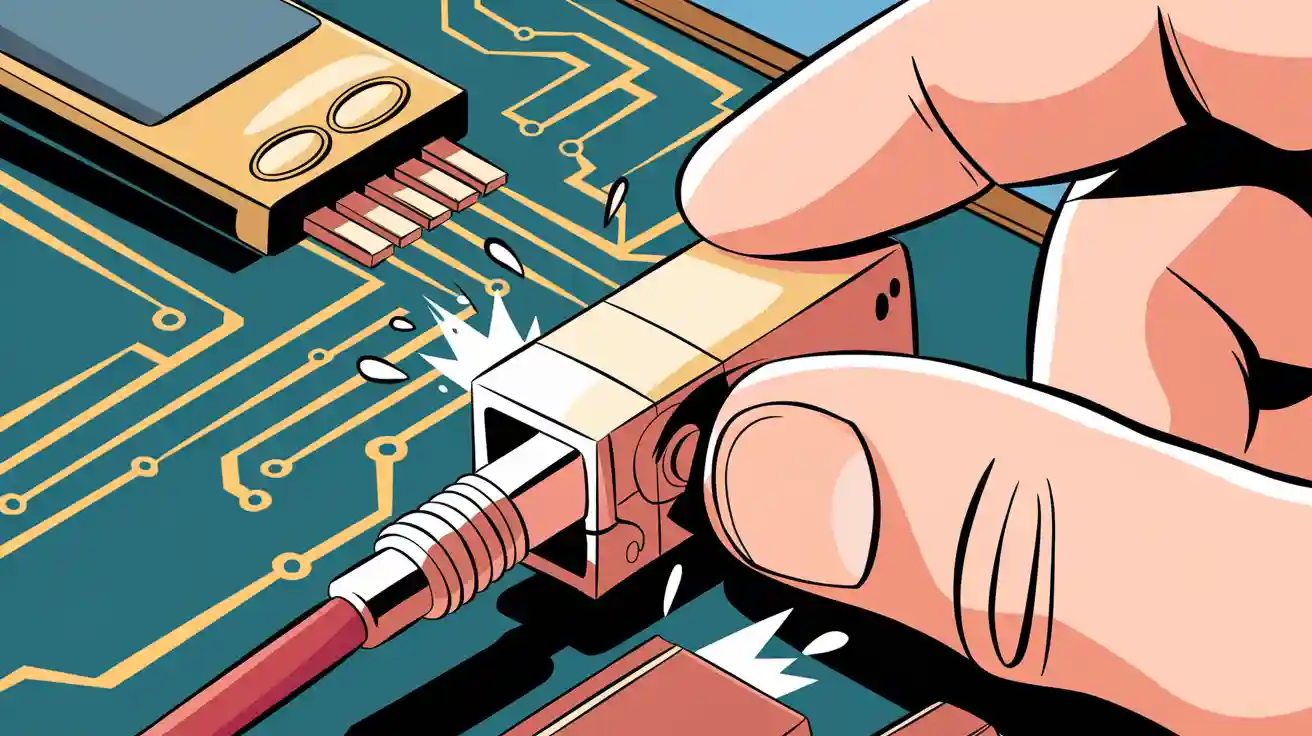
When you choose an IDC connector, you gain a secure and reliable electrical connection in seconds. You do not need to strip wires or handle soldering tools. IDC technology lets you finish multi-conductor cable assemblies fast. You can save time because the connector does not require crimping, stripping, or soldering steps. This means lower labor costs and fewer wasted materials. Many wiring and PCB systems rely on IDC for quick, efficient terminations, especially when you work with large quantities.
Key Takeaways
- IDC connectors allow for quick and easy electrical connections without stripping wires, saving time and reducing labor costs.
- The insulation displacement technology creates gas-tight connections that resist corrosion and vibration, ensuring reliable performance in tough environments.
- Using IDC connectors minimizes errors during assembly, leading to fewer mistakes and improved efficiency in mass production.
- These connectors are versatile and suitable for various applications, including ribbon cables and PCB systems, making them ideal for modern electronics.
- IDC connectors provide low contact resistance, enhancing signal quality and energy efficiency in electrical systems.
IDC Connector Basics
What Is an IDC Connector
You often see an IDC connector in modern electronics. This type of connector uses solderless wiring technology. You do not need to strip the insulation from conductors before making a connection. The insulation displacement connector works by pushing sharp contacts through the wire’s insulation. This action creates a secure electrical path without extra steps.
| Component/Material | Contribution to Performance |
|---|---|
| Insulation Displacement Technology | Enables quick and effortless termination, reducing installation time and labor costs. |
| Sharp Contacts | Creates a gas-tight connection, ensuring reliable signal transmission and minimizing degradation. |
| Compact Design | Allows for efficient use of space in electronic devices, crucial for applications with size constraints. |
| Cost-effective Materials | Reduces initial investment and long-term maintenance costs, enhancing overall economic efficiency. |
| Versatile Configurations | Supports a wide range of applications, making them suitable for various industries including telecommunications. |
| Durable Construction | Withstands harsh environmental conditions, ensuring reliable performance in demanding applications. |
You find IDC connectors in ribbon cables and PCB systems. Their compact design fits tight spaces, and their cost-effective materials keep your project budget-friendly.
How IDC Works
When you use an IDC, you press the wire into the connector slot. The insulation displacement contact method pushes sharp metal blades through the insulation. This process forms a gas-tight connection. You do not need to strip the wire or use solder. You save time and reduce errors.
Here is a table that compares IDC connectors with crimping and soldering:
| Feature | IDC Connectors | Crimping/Soldering |
|---|---|---|
| Insulation Stripping | Not required | Required |
| Assembly Speed | Very fast | Slower |
| Labor Costs | Lower due to fewer steps | Higher due to multiple steps |
| Error Rate | Reduced due to single placement | Higher due to multiple handling steps |
| Reliability | Gas-tight, vibration-proof | Risk of solder fatigue and overheating |
Tip: The insulation displacement contact method eliminates the need for stripping insulation. This reduces the risk of damage during installation. You get quick and efficient connections, even in tough environments. IDC connectors maintain secure connections under many conditions, which improves durability.
You can rely on IDC connectors for fast, reliable, and long-lasting connections in your electronic projects.
IDC Benefits
Secure Connections
You want your electrical systems to work without interruption. An idc connector helps you achieve this goal. The insulation displacement contact method creates a strong bond between the connector and the conductors. When you use an idc connector, you do not need to strip the wire. The sharp contacts pierce the insulation and grip the conductors tightly. This process forms a gas-tight connection that resists corrosion and keeps moisture out.
IDC connectors are designed to withstand vibration and mechanical stress. You can rely on them in environments where movement or shaking might loosen other types of connectors. The retention force keeps the connection secure, even when you use a punch down keystone jack in a busy office or industrial setting. You get consistent performance and fewer failures.
Here is a table that shows how idc connectors maintain reliability over time:
| Aspect | Description |
|---|---|
| Gas-Tight Connection | Prevents corrosion, ensuring long-term reliability in moist environments. |
| Reliable Connections | Provides stable connections for critical components in complex devices. |
| Durability | Designed to withstand everyday wear and tear. |
| Resistance to Vibration | Connections remain secure and do not loosen over time. |
| Temperature Tolerance | Operates efficiently across a wide temperature range. |
| Continuous Operation | Ensures reliability in critical automotive systems. |
| Precision | Guarantees accurate data transmission and readings. |
| Patient Safety | Critical for effective treatment in medical applications. |
Note: Humidity testing shows that idc connectors perform well in high humidity and temperature ranges. You can trust them to keep working, even when exposed to tough conditions.
Low Resistance
You need low resistance for efficient electrical performance. IDC connectors typically have a contact resistance rating of 20 mΩ for production runs. This low resistance means less energy loss and better signal quality. When you use idc connectors to terminate the cable, you get stable readings and reliable data transmission.
- IDC connectors provide a contact resistance of 20 mΩ in production.
- Prototyping allows for up to 25 cycles with slightly higher resistance.
- Other connector types may have higher resistance, which can affect performance.
The insulation displacement contact method ensures that the conductors make direct contact with the connector blades. This design reduces the chance of poor connections and keeps your system running smoothly. You can use a punch down keystone jack for network cables and expect consistent results.
Fast Assembly
You save time when you use a toolless idc connector. You do not need special tools or extra steps. The connector lets you terminate the cable quickly, which is important in mass production and field installations. You can assemble multi-conductor cables in seconds.
Here is a table that compares assembly times for different connector types:
| Connector Type | Assembly Time | Notes |
|---|---|---|
| IDC | Fast | Eliminates wire stripping, especially beneficial for multi-conductor cables. |
| Crimp | Fastest | Automated machines can process up to 1,200 per hour; manual crimping averages 55 seconds per connection. |
| Solder | Slow | Each joint takes ~100 seconds plus additional time for cleaning. |
- IDC connectors save time by eliminating the stripping step.
- Manual crimping takes about 55 seconds per connection.
- Soldering requires approximately 100 seconds per joint, plus cleaning time.
You also benefit from lower labor costs and fewer wiring errors. The toolless idc connector simplifies installation and reduces downtime. You can deploy systems faster and minimize maintenance needs.
Tip: When you use idc connectors, you reduce wasted resources and improve cost-effectiveness in mass production environments.
You can trust idc connectors to deliver secure, low-resistance, and fast connections. They help you build reliable electronic systems with less effort and lower costs.
IDC vs. Traditional Methods
Crimping Comparison
When you compare an idc connector to a crimped connection, you notice several differences in strength and reliability. Crimped connectors require you to strip the insulation from the conductors and use a special tool to press the metal parts together. This process can be precise, but it also introduces more steps and chances for mistakes.
Here is a table that highlights the differences in mechanical strength and durability:
| Connector Type | Mechanical Strength | Durability |
|---|---|---|
| IDC Connectors | Gas-tight, vibration-resistant | Versatile, suitable for various applications |
| Crimped Connectors | Highly precise, secure connection | Requires secure crimping to avoid oxidation |
You get a gas-tight connection with an idc connector, which resists vibration and keeps your system stable. Crimped connectors can minimize signal loss, but only if you crimp them correctly. If you use a punch down keystone jack with idc technology, you can finish the job faster and with fewer errors.
- IDC connectors are gas-tight and resist vibrations.
- Crimped connectors need careful handling to prevent oxidation.
- You can terminate wires quickly with a toolless idc connector, saving time and effort.
Soldering Comparison
Soldering creates a strong bond between the connector and the conductors, but it takes more time and skill. You must heat the joint and apply solder, which can introduce errors if not done properly. Soldered joints may also suffer from oxidation over time, which affects performance.
The table below compares idc connectors and soldered joints:
| Metric | IDC Connectors | Soldered Joints |
|---|---|---|
| Mechanical Strength | Stronger and longer lasting due to micro cold welds | Mechanically strong but not as strong as the metals |
| Electrical Resistance | Equivalent to the length of wire | Varies based on solder material used |
| Environmental Resistance | Gas-tight, preventing oxidation | Susceptible to oxidation over time |
When you use a punch down keystone jack with idc technology, you avoid the need for heat or solder. This makes repairs and rework much easier. You can disconnect and reconnect wires quickly, which is not possible with soldered joints.
- IDC connectors allow for quick wire termination without stripping insulation.
- The speed of assembly reduces labor costs and wasted resources.
You can rely on idc connectors for fast, reliable, and easy-to-repair connections in modern electrical systems.
IDC Applications
Ribbon Cables
You often see IDC connectors used with flat or ribbon cables. These cables have many conductors lined up side by side. You can quickly terminate the cable using one connector, which saves time and reduces mistakes. You do not need to strip each wire. The connector pushes sharp contacts through the insulation, making mass termination connections easy.
- You speed up assembly because you do not strip wires.
- You lower labor costs and reduce errors.
- The cold-weld contact design keeps your electrical connection strong and reliable.
IDC connectors support high-density wiring in ribbon cable assemblies. Here is a table that shows some features:
| Feature | Description |
|---|---|
| Pitch | .050" pitch for compact connections |
| Contact Type | High-reliability Tiger Eye™ contacts for improved performance |
| Rugged Options | Many rugged options for different uses |
You find these connectors in consumer electronics, automotive, and industrial automation. The IDC connector market is growing fast, reaching $3.2 billion in 2024.
PCB Systems
You use IDC connectors in PCB systems to connect many conductors at once. This method allows you to make mass termination connections quickly. You do not need to strip insulation or use solder. You save time and avoid mistakes during assembly.
- You can install connectors fast and easily.
- You reduce assembly time and avoid manufacturing errors.
- The gas-tight cold welds resist vibration and corrosion.
These connectors last a long time in tough environments, such as automotive and industrial settings. You get reliable electrical performance because the cold-welded contacts avoid solder fatigue and wire damage.
Low-Speed and Low-Current Uses
IDC connectors work well for low-speed and low-current applications. You often use them in telecommunications, sensors, and control panels. The connector provides a secure path for signals without needing high power. You can trust the connection to stay stable over time.
- You get simple installation for low-power circuits.
- The connector keeps your system safe from loose wires.
- You can use IDC connectors in aerospace and defense for reliable signal paths.
Tip: When you need to connect many conductors quickly and safely, IDC connectors give you a strong and lasting solution.
You can improve your electrical and mechanical connection by choosing IDC connectors. These connectors let you terminate the cable quickly, which saves time and lowers costs. You also reduce mistakes because you do not need to strip wires. If you ever need to re-terminate an idc connector, the process stays simple.
IDC connectors help you build reliable systems in tight spaces and make your projects more efficient.
FAQ
How do you install an IDC connector?
You press the wire into the connector slot. The sharp contacts cut through the insulation and touch the conductor. You do not need to strip the wire or use special tools. The process takes only a few seconds.
Can you reuse IDC connectors?
You can reuse some IDC connectors, but most are designed for single use. If you try to reconnect wires, you may damage the contacts. Always check the manufacturer’s instructions before reusing a connector.
Are IDC connectors reliable in harsh environments?
IDC connectors resist vibration, moisture, and temperature changes. The gas-tight connection keeps out corrosion. You can trust them in automotive, industrial, and outdoor settings. They work well even when conditions get tough.
What types of cables work with IDC connectors?
You use IDC connectors with ribbon cables, solid-core wires, and some stranded wires. Always match the connector to the wire size and type. You find them in computers, control panels, and communication devices.
Tip: Always read the product datasheet before choosing an IDC connector for your project.