Electronic Fuses Leading the Way in Modern Circuit Safety
You see electronic fuses changing circuit safety every day. They give you precise control, respond in milliseconds, and reset automatically. These features protect sensitive devices in modern cars, factories, and homes.
- The electronic fuse market reached USD 6.75 billion in 2023 and will likely hit USD 12.63 billion by 2033, growing at 6.5% each year.
- Adoption rises as you rely on renewable energy, consumer electronics, and electric vehicles.
Electronic fuses clear faults 300 times faster than traditional fuses and let through much less current and energy. This keeps your devices safer and more reliable.
Key Takeaways
- Electronic fuses react 300 times faster than traditional fuses, providing superior protection for sensitive devices.
- These fuses reset automatically after a fault, saving time and reducing maintenance costs.
- Real-time monitoring features help prevent overloads and allow for proactive maintenance, enhancing system reliability.
- The electronic fuse market is rapidly growing, driven by demand in renewable energy, consumer electronics, and electric vehicles.
What Is an Electronic Fuse?
Definition and Function
You use an electronic fuse to protect your circuit from damage. This device acts as a smart guardian, watching the flow of electricity and stopping it when trouble appears. Unlike a regular fuse, an electronic fuse uses advanced technology to sense problems and react quickly. You find these fuses designed to meet strict standards, such as IEC and UL, which means they work safely in many environments.
An electronic fuse works by letting current flow through a special part called a FET and a sense resistor. The fuse monitors this flow. If the current goes above a safe level, the fuse cuts off the power instantly. You get fast and reliable protection for your devices.
You see electronic fuses in many places:
- Consumer electronics like smartphones and laptops
- Cars, where they protect battery systems and entertainment units
- Industrial machines that need strong protection in tough conditions
- Power grids, where they help keep electricity stable and safe
Key Differences from Traditional Fuses
You notice big differences between electronic fuses and traditional fuses. The table below shows how they compare:
| Feature | Traditional Fuses | Electronic Fuses |
|---|---|---|
| Reset Capability | No, must be replaced after blowing | Yes, can reset automatically |
| Operational Mechanism | Melts to interrupt current flow | Uses electronic control to manage current |
| Replacement Requirement | Requires exact replacement after use | No replacement needed, resets itself |
| Application | Basic circuit protection | Advanced applications in modern electronics |
You do not need to replace an electronic fuse after it trips. It resets itself and keeps your circuit running. You get smarter, faster, and more reliable protection. This makes electronic fuses perfect for modern electronics, where safety and speed matter most.
How Electronic Fuses Work
Core Components
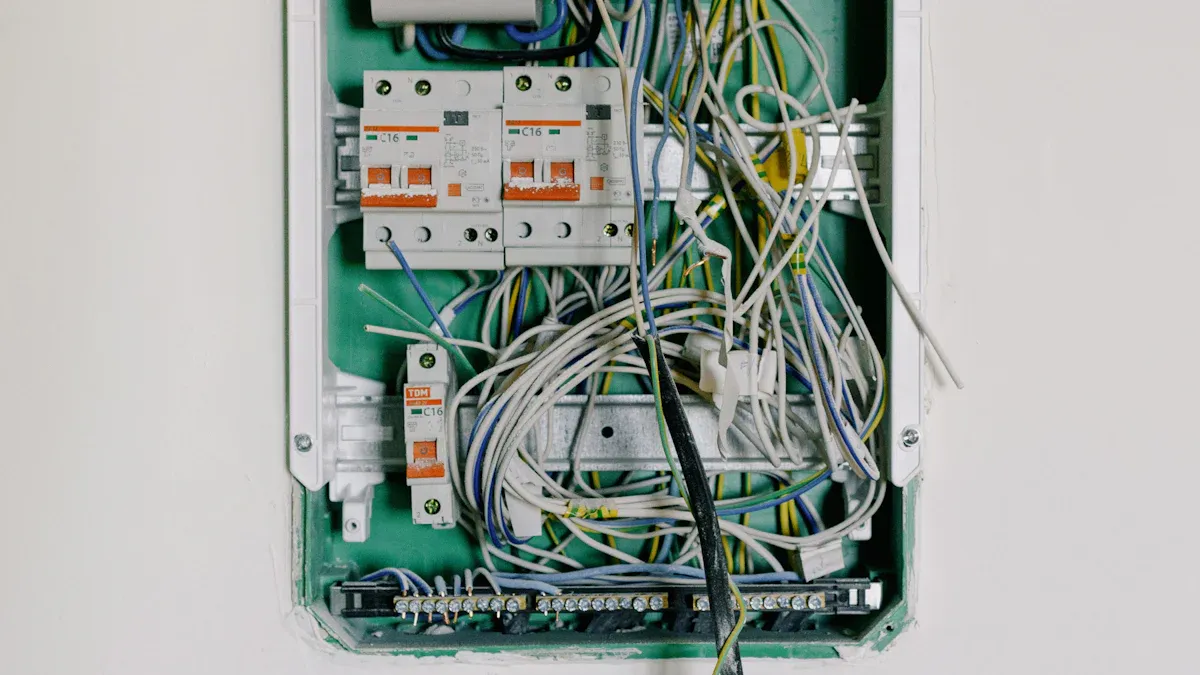
You find that every electronic fuse uses several important parts to keep your circuit safe. The main components include a field-effect transistor (FET), a sense resistor, and a control chip. The FET acts like a gate, letting current flow or stopping it when needed. The sense resistor measures the amount of current passing through the circuit. The control chip watches the current and decides when to trigger an automated system response.
In industrial settings, electronic fuses protect equipment from overloads and short circuits. You rely on this technology to keep machines running safely and efficiently.
You see different types of fuses, such as cartridge fuses and blade fuses. Each type fits specific electrical needs. Manufacturers design fuses to match fuse holders based on current ratings. This ensures you get the right level of circuit protection for your application.
Operation in Circuits
When you use electronic fuses in a circuit, you benefit from their fast automated system response. These fuses react to severe overcurrents in just 1 to 10 microseconds. You get rapid protection for sensitive devices, which helps maintain reliability. If the current rises slowly, the fuse responds like a traditional fuse, balancing speed and safety.
- Electronic fuses detect overcurrent conditions much faster than older fuses.
- You see less time where excessive current can damage your circuit.
- The quick automated system response reduces the risk to important components.
You notice that electronic fuses can handle complex current versus time behaviors. This feature is not possible with older fuse designs. You get smarter circuit protection and improved reliability for your devices. The technology behind electronic fuses gives you confidence that your automated system response will protect your circuit every time.
Circuit Protection Innovations
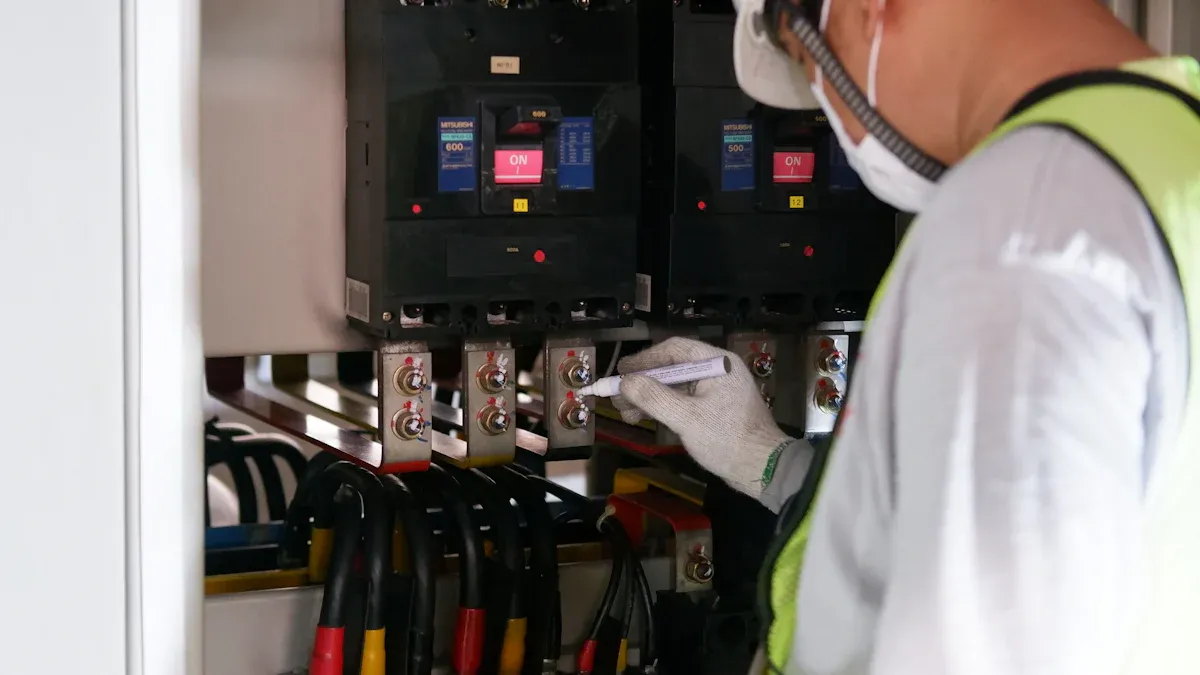
You see electronic fuses changing how you protect circuits. These devices give you smarter, faster, and more reliable circuit protection. You find them in many applications, from vehicles to industrial machines and consumer electronics. You get advanced features like real-time monitoring, predictive maintenance, and auto-reset functions. These innovations help you keep your systems safe and running smoothly.
Real-Time Monitoring
You use real-time monitoring to watch your circuit every second. This technology lets you see problems before they cause damage. Electronic fuses use sensors and smart chips to track voltage, current, and temperature. You get instant alerts if something goes wrong.
Real-time monitoring helps you prevent overloads and keeps your devices safe. You can adjust power usage and avoid wear on your circuit protection devices.
Here are some innovations that make real-time monitoring possible:
| Innovation | Description |
|---|---|
| VirtualMonitor technology | Monitors all phases supplying server bays and detects voltage loss, integrated into sensors without extra wiring. |
| ITS2 energy monitor | Embedded in fuse switch disconnectors, supports energy management and electronic fuse monitoring. |
| AmpoSense | Measures energy usage of individual branches with sensors, no major changes to electrical panels needed. |
You see these technologies in automotive systems, factories, and homes. They help you log incidents and troubleshoot problems quickly. You get better reliability and safer circuits.
Predictive Maintenance
You use predictive maintenance to fix problems before they stop your machines. Electronic fuses help you spot faults early. You get data from sensors that track current flow, temperature, and fuse condition. This information lets you plan repairs and avoid downtime.
- Smart fuses detect faults instantly, making vehicles safer.
- You optimize maintenance by finding electrical failures before they grow.
- Connectivity and telematics in vehicles let smart fuses support predictive maintenance.
- Next-generation fuses reduce downtime in critical systems.
- In factories, smart fuses cut unplanned outages by over 30%.
- The market for electric fuses grows as more smart sensors get added.
You see predictive maintenance in automotive and industrial applications. You keep your vehicles and machines running longer and safer.
Auto-Reset Features
You benefit from auto-reset features in electronic fuses. When a fault happens, the fuse disconnects the circuit. After the problem clears, the fuse resets itself. You do not need to replace it. This feature saves you time and money.
| Device Type | Application Description |
|---|---|
| Chargers | Protects against short-circuit and malfunctioning peripherals. |
| Handheld Devices | Prevents damage from overcurrent, keeps devices safe and working. |
| Game Consoles | Maintains device integrity with overcurrent protection. |
| Laptops | Safeguards charging ports and battery trails from faults. |
You find auto-reset fuses in smartphones, laptops, and chargers. PTC fuses protect battery packs and prevent short circuits. You get reliable circuit protection in your everyday devices.
You also see auto-reset features in automotive electronics. eFuses reset by software after a blowout. They react quickly to over-current events, protecting wiring and subsystems. You find them in heads-up displays, infotainment systems, and telematics. Rivian and Tesla use over 200 eFuses in their vehicles. These fuses protect ADAS domain controllers and sensors.
You get smarter and faster circuit protection with electronic fuses. They monitor and adjust power in real-time, use predictive analytics, and reset automatically. You keep your circuits safe and your devices reliable.
Benefits for Modern Circuits
Enhanced Reliability
You rely on electronic fuses to keep your circuits running smoothly. These devices give you enhanced system reliability by reacting quickly to faults and isolating problems before they spread. You see fewer interruptions and less downtime in your applications. Electronic fuses minimize nuisance tripping, so your circuit protection devices work only when needed. You protect sensitive circuits from overcurrent and electrical hazards, which means you spend less time and money on repairs.
- You experience enhanced overcurrent performance in your circuits.
- You get quick isolation of faults, which prevents damage to nearby circuits.
- You avoid nuisance tripping caused by temperature changes or inrush current.
- You reduce maintenance costs and improve overall reliability.
In industrial environments, you measure reliability using several important metrics. The table below shows how you track interruptions and outages:
| Metric | Description |
|---|---|
| SAIFI | System Average Interruption Frequency Index, measures the average number of interruptions per customer. |
| SAIDI | System Average Interruption Duration Index, measures the average duration of interruptions for each customer. |
| MAIFI | Momentary Average Interruption Frequency Index, measures the average number of momentary interruptions per customer. |
| CEMI | Customers Experiencing Multiple Interruptions, tracks customers facing multiple outages. |
| CEMM | Customers Experiencing Multiple Momentaries, counts customers with several momentary outages. |
| CELID | Customers Experiencing Long Interruption Duration, focuses on customers with prolonged outages. |
| CEMSMI | Customers Experiencing Multiple Sustained and Momentary Interruptions, includes customers with numerous interruptions in a year. |
You see these metrics improve when you use electronic fuses in vehicles, factories, and other critical applications.
Improved Safety
You get improved safety for your devices with electronic fuses. These fuses provide quicker and more reliable circuit protection against overcurrent and short-circuit conditions. You lower the risk of fire, electrical damage, or component failure. You extend the lifespan of your devices by preventing excessive heat buildup.
Electronic fuses help you meet the latest safety standards in automotive and consumer electronics. You protect sensitive devices and keep your systems running safely.
- You receive fast and reliable protection for your circuit.
- You reduce the chance of fire or electrical damage.
- You prevent overheating, which keeps your devices working longer.
You trust electronic fuses to deliver reliable circuit protection in your vehicles and other modern applications.
Smarter Maintenance
You benefit from smarter maintenance when you use electronic fuses. These devices let you monitor your circuit in real time and predict problems before they happen. You plan repairs and avoid unexpected downtime. You keep your systems running efficiently and reduce costs.
- You use real-time monitoring to track the health of your circuit protection devices.
- You spot faults early and schedule maintenance before failures occur.
- You save time and money by reducing unplanned outages.
You see smarter maintenance in automotive systems, factories, and consumer electronics. Electronic fuses help you keep your applications safe, reliable, and easy to manage.
Challenges and Solutions
Technical Complexity
You face several technical challenges when you add electronic fuses to a circuit. You must select the right fuse for voltage and current ratings. High temperatures can change how a fuse works and may cause it to fail. You need to make sure your fuse works well with other circuit protection devices, such as circuit breakers. Regular inspections help you find and replace faulty fuses before they cause problems.
| Challenge | Description |
|---|---|
| Voltage and Current Ratings | Selecting a fuse that matches the circuit's voltage and current levels to prevent overheating. |
| Temperature Impacts | High temperatures can affect fuse performance, leading to potential failure. |
| Coordination with Protective Devices | Ensuring fuses work in conjunction with circuit breakers for effective fault clearance. |
| Maintenance Issues | Regular inspections and testing are necessary to identify and replace degraded or faulty fuses. |
You see new solutions that make fuse design easier. Advances in semiconductor technology help you build more reliable and efficient fuses. You can also integrate eFuses with System-on-a-Chip products. This saves space and lowers costs, making your system design simpler.
- Advances in semiconductor technology improve fuse reliability and performance.
- Integrating eFuses with System-on-a-Chip products saves space and cost.
Cybersecurity Risks
You must think about cybersecurity when you use smart fuses. These devices connect to networks and share data. Hackers may try to access your system and change how your fuse works. You protect your devices by using strong passwords and secure software. You update your systems often to block new threats.
You keep your circuit safe by using secure connections and monitoring for unusual activity. You help prevent cyber attacks and keep your protection devices working as they should.
Industry Approaches
You see many industries using new approaches to improve fuse reliability and protection. Renewable energy systems use electronic fuses to guard solar and wind equipment. IoT devices rely on fuses for remote monitoring and control. Electric vehicles need reliable fuses to protect high-voltage systems. Consumer electronics demand small, efficient fuses for compact devices. The automotive industry adds more electronic components, so advanced protection is needed. Factories use fuses to protect critical equipment.
| Industry Approach | Description |
|---|---|
| Integration in Renewable Energy | Increased use of electronic fuses in solar and wind power systems to protect equipment from overcurrent conditions. |
| Compatibility with IoT | Development of fuses that enable remote monitoring and control, driving growth in industrial automation and electric mobility. |
| Adoption in Electric Vehicles | Surge in demand for reliable electronic fuses to protect high-voltage systems in EVs. |
| Demand from Consumer Electronics | Growing need for smaller, efficient fuses in compact devices like smartphones and wearables. |
| Automotive Industry Shift | Increased electronic components in vehicles necessitating advanced protection mechanisms. |
| Industrial Automation | Essential for protecting critical equipment in factories and power plants. |
| Challenges in Design | Complexity in designing fuses for diverse high-power applications. |
| Regulatory Compliance | Pressure to meet stringent safety standards increasing production costs. |
| Counterfeit Products | Rising concern over counterfeit fuses affecting safety and reliability. |
| Emerging Trends | Development of smart fuses for real-time monitoring and higher current ratings for high-power applications. |
You see industries working to meet safety standards and fight counterfeit products. Smart fuses offer real-time monitoring and higher current ratings. These trends help you keep your circuit safe and improve reliability.
The Future of Circuit Protection
Trends in Smart Circuits
You see the future of circuit protection moving toward smarter and more connected systems. Smart fuses now do more than just stop dangerous currents. They collect real-time data about your circuit, such as voltage, current, and temperature. This information helps you spot problems before they cause damage. You can use predictive maintenance to fix issues early, which keeps your equipment running longer and reduces downtime.
| Trend | Description |
|---|---|
| AI Integration | Fuses use micro-controllers and AI to study temperature and surge data. |
| Predictive Maintenance | You get alerts to fix problems before failures happen. |
| Real-time Monitoring | You track electrical data and see how your system performs at any moment. |
Smart circuits help you avoid costly repairs and keep your devices safe. You get a system that learns and adapts to your needs.
Integration with IoT
You now find fuses working together with IoT devices in many applications. These smart systems let you monitor and control your circuit protection devices from anywhere. Real-time alerts warn you about problems, so you can act fast and prevent fires or equipment damage. You save money because you can plan repairs and avoid emergency fixes.
- You get early warnings when a fuse starts to wear out.
- You can check the health of your system from your phone or computer.
- Data from your devices helps you make better choices for future designs.
IoT integration also means you can manage many vehicles or machines at once. You keep everything running smoothly and safely, even in large factories or fleets.
Broader Adoption
You see more industries using advanced fuse technology every year. The market for electronic fuses grows as companies want smarter, safer, and more reliable solutions. In the Americas, demand rises because of growth in automotive manufacturing and consumer electronics. Asia-Pacific leads in making devices and electric vehicles, so they need special fuse solutions for these products.
As stricter safety rules appear, you notice more innovation in fuse design. Companies use new materials and smarter features to meet these standards. The future of circuit protection will bring even more miniaturized and high-speed fuses for modern vehicles and other advanced applications.
You see electronic fuses changing how you protect circuits in many industries. The table below shows how smart fuses improve maintenance, system visibility, and downtime:
| Aspect | Traditional Approach | Modern Approach (Smart Fuses) |
|---|---|---|
| Maintenance | Reactive | Proactive, data-driven |
| System Visibility | Limited | Real-time data |
| Downtime | Unexpected | Reduced with predictive alerts |
| Data Utilization | Minimal | Comprehensive analysis |
| Fault Management | Manual reset | Remote diagnostics and control |
You benefit from electronic fuses because they are:
- Cost-effective
- Safe and reliable
- Easy to maintain
- Long lasting
Electronic fuses use silicon-based technology to measure current directly and respond quickly to overloads. You get safer, smarter, and more reliable circuits. You will see even more innovation as e-fuses become faster and more robust for future applications.
FAQ
What makes electronic fuses better than traditional fuses?
You get faster response, automatic reset, and real-time monitoring with electronic fuses. These features help you protect sensitive devices and reduce downtime. You do not need to replace them after every fault.
Can you use electronic fuses in old circuits?
You can use electronic fuses in many older circuits. Check the voltage and current ratings first. Some older systems may need small changes for the fuse to work well.
How do you reset an electronic fuse?
Most electronic fuses reset automatically after a fault clears. Some models let you reset them with a button or software command. You do not need to replace the fuse.
How long does an electronic fuse last?
Electronic fuses last much longer than traditional fuses. You can use them for many years if you follow the manufacturer’s guidelines and avoid extreme conditions.
Are electronic fuses safe for home use?
Yes, you can use electronic fuses safely at home. They protect your devices from overcurrent and short circuits. Always follow the instructions and choose the right fuse for your application.