What Makes Dual Inline Package Switches a Go-To Choice for Engineers
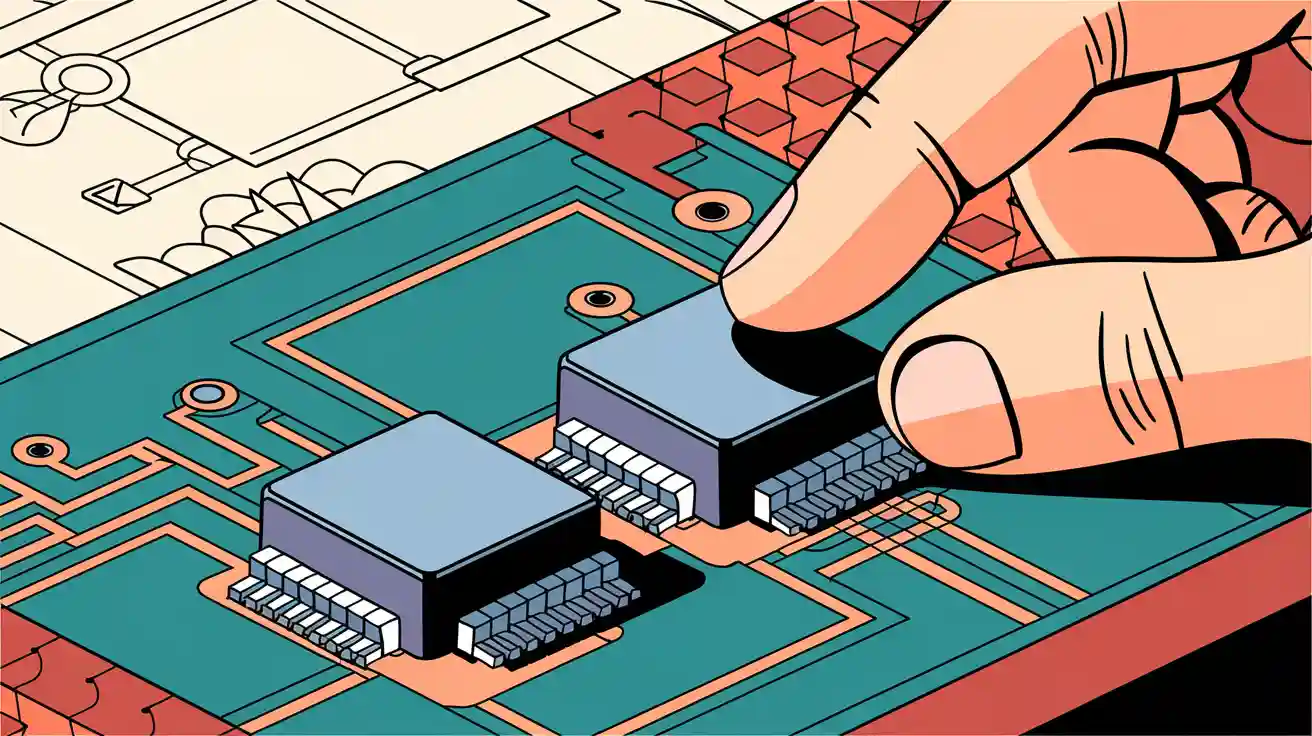
You often rely on a dual inline package switch because it makes building and testing circuits simple. Many students and hobbyists use PDIP switches, since they fit easily on breadboards and do not require advanced soldering skills. You see these switches in Arduino, Raspberry Pi accessories, and STEM learning kits.
| Factor | Description |
|---|---|
| Miniaturization | The need for smaller parts grows, so dual inline package switches stay popular for reliability. |
| Consumer Electronics Growth | Smart devices and wearables need reliable switches, making them vital in modern electronics. |
| Automotive Industry Shift | Electric and smart vehicles use these switches to ensure dependable operation. |
Key Takeaways
- Dual inline package switches are reliable, lasting through thousands of uses, making them ideal for consistent circuit performance.
- These switches are easy to use on breadboards and PCBs, allowing for quick prototyping and testing without advanced skills.
- DIP switches are affordable, costing only a few cents each, making them accessible for students and hobbyists.
- They offer flexibility in configuration, allowing users to change settings quickly without needing software adjustments.
- DIP switches are versatile, used in both consumer electronics and industrial systems, ensuring they meet various project needs.
Key Advantages of Dual Inline Package Switches
Reliability
You want your circuits to work every time you flip a switch. That is why you choose dip components for their strong reliability. These switches keep working even after thousands of uses. You can see this in their electrical life, which often reaches 2000 on-off cycles at 24V DC and 25mA. The contact resistance stays low, starting at 50 milliohms when new and only rising to 100 milliohms after testing. This means your signals stay clear and strong.
When you use dip components, you trust that your settings will not change by accident. The insulation resistance stays above 100 megohms at 500V DC, so you do not have to worry about unwanted current paths. You can count on these high-performance electronic components to keep your electronics safe and stable.
| Metric | Value |
|---|---|
| Electrical Life | 2000 on-off cycles at 24V DC, 25mA |
| Rated Current | 100mA at 50V DC (infrequent use) |
| 25mA at 24V DC (frequent use) | |
| Contact Resistance | ≤ 50 milliohms (new), ≤ 100 milliohms (after testing) |
| Insulation Resistance | ≥ 100 megohms at 500V DC |
| Withstand Voltage | Up to 500V AC for 1 minute |
| Inter-Electrode Capacitance | ≤ 5 picofarads |
Mechanical Durability
Dip components stand out because they last a long time. You can press or slide them many times without breaking them. The dual-row pin design gives each switch a solid grip on your circuit board. This makes soldering easy and keeps the switches in place, even if you move your project around.
- You can use dip components in both breadboards and through-hole PCBs.
- The strong plastic body protects the inner parts from dust and bumps.
- You do not need to worry about loose connections or broken pins.
When you build a project, you want every part to last. Dip components help you reach that goal. They are high-performance electronic components that keep working, even in tough conditions.
Electrical Stability
You need your circuits to work the same way every time. Dip components give you that steady electrical performance. The insulation resistance stays high, so you do not get unwanted shorts. The withstand voltage can reach up to 500V AC for one minute, which means the switches can handle power surges.
| Parameter | Rating |
|---|---|
| Electrical Life | 2000 cycles at 24V DC, 25mA |
| Rated Current | Up to 100mA at 50V DC (infrequent use) |
| 25mA at 24V DC (frequent use) | |
| Contact Resistance | ≤ 50 milliohms (new), ≤ 100 milliohms (after testing) |
| Insulation Resistance | ≥ 100 megohms at 500V DC |
| Withstand Voltage | Up to 500V AC for 1 minute |
Dip components come in many types, such as SPST and DPDT. You can pick the right one for your needs. These switches keep your settings safe and your circuits running smoothly. You get reliable electrical performance every time you use them.
Tip: When you use dip components, you make your circuits safer and more stable. You do not have to worry about sudden changes or failures.
DIP Switch Integration in Prototyping
Breadboard and PCB Use
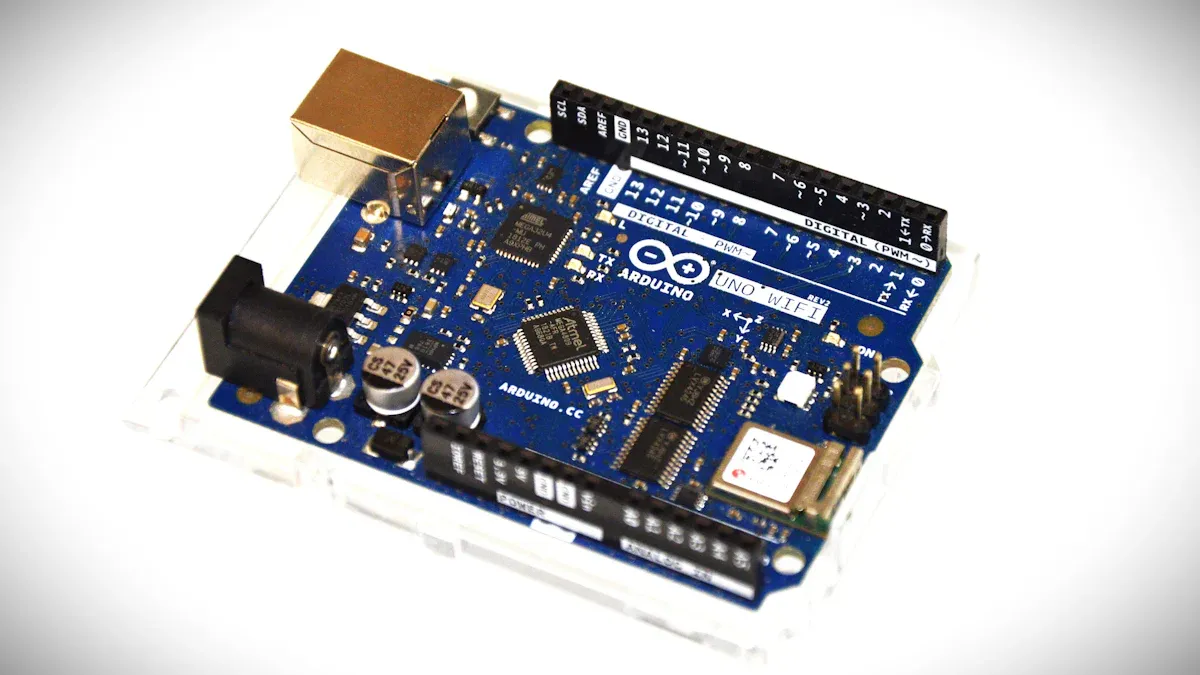
When you start a new project, you want to use parts that make building easy. Dip components help you do this. The larger size and pin spacing of dip switches make them simple to handle. You can insert dip components into breadboards without trouble. The pins fit the standard grid, so you do not need to force them. This makes dip components perfect for quick changes and testing.
- You can easily insert and remove dip components from breadboards.
- The robust design of dip components lets you handle them many times without damage.
- Dip components match the grid on most breadboards, so you can build circuits fast.
- You can solder dip components directly onto a printed circuit board or use a DIP socket.
- Dual inline package switch designs have two rows of pins, making them stable on your board.
- Dip components work well with other parts like ICs and relays.
- You can use dip components for both temporary and permanent projects.
- Dip components help you avoid wiring mistakes because the layout is clear.
- You can test different settings by flipping dip switches without rewiring.
- Dip components save you time during prototyping.
Dip components give you flexibility. You can try new ideas and fix problems quickly. Many engineers use dip components because they make prototyping simple and reliable. You can trust dip components to last through many tests.
Educational Applications
You learn best when you can see and touch the parts in your circuit. Dip components help you understand how electronics work. Teachers use dip components in class because they are easy to use and hard to break. You can practice connecting dip components, powering them, and making logic gates.
| Learning Objectives |
|---|
| How to connect logic gates |
| How to power logic gates |
| Purpose of a pulldown resistor |
| How to experimentally determine the truth table of a gate |
| How to create different logical functions by using NAND gates |
Dip components let you try different setups. You can flip dip switches to change the circuit. You see how each setting changes the output. This hands-on learning helps you remember what you learn. Dip components make electronics fun and easy to understand. You build skills that help you in future projects. You also learn how to use other components with dip components, which prepares you for more advanced work.
Cost and Accessibility
Affordability
You want to build projects without spending too much money. Dip components help you save costs. These switches come at a low price because manufacturers produce them in large quantities. You can buy dip components for just a few cents each. This makes them perfect for students, hobbyists, and engineers who need to test ideas often.
Dip components offer great value. You get reliable performance without paying extra. Many suppliers sell dip components in bulk, so you can stock up for future projects. You do not need to worry about breaking the bank when you choose dip components for your circuits.
Here is a quick look at how dip components compare to other switches:
| Type of Switch | Average Cost per Unit | Reliability | Ease of Use |
|---|---|---|---|
| Dip components | $0.10 - $0.50 | High | Easy |
| Rotary switches | $0.50 - $2.00 | Medium | Moderate |
| Toggle switches | $0.30 - $1.50 | Medium | Moderate |
Tip: You can stretch your budget by choosing dip components for both prototypes and finished products.
Easy Sourcing
You need parts that are easy to find. Dip components are available from many suppliers worldwide. You can order dip components online or buy them at local electronics stores. Most distributors keep dip components in stock because engineers use them in many applications.
Supply chain factors also help you get dip components quickly. Government support plays a big role in making dip components accessible. In regions like Asia-Pacific, smart city programs increase the demand for dual inline package switch technology. This leads to better supply and lower prices. In Europe, sustainability rules encourage companies to use dip components in electronics. North America benefits from partnerships that boost infrastructure and make dip components easier to source.
Dip components stay popular because you can find them almost anywhere. You do not have to wait long for delivery. You can start building your electronics projects right away.
- You can buy dip components in small or large quantities.
- Most suppliers offer fast shipping.
- Dip components fit many types of circuits and boards.
Note: When you choose dip components, you make your design process smoother and faster.
Applications in Modern Electronics
Consumer Devices
You see dip components in many smart home devices. These switches help you control lights, thermostats, and security systems. When you use a dual inline package switch, you can change device settings without special tools. You do not need to reprogram anything. You just flip the dip switches to set your preferences.
- Dip components make remote control possible in smart homes.
- You save energy because you can adjust settings quickly.
- Dip switches let you update device functions with a simple flip.
- You find dip components in smart plugs, alarms, and even some wearables.
Dip components give you flexibility. You can set up your electronics the way you want. You do not need to open the device or use software. This makes dip components user-friendly for everyone. You get reliable performance in your daily applications.
Industrial Systems
You rely on dip components in many industrial systems. These switches mount directly on printed circuit boards. Their design looks like integrated circuits, so you can fit them into many types of electronics. You use dip components to set machine addresses, select modes, or adjust timing.
Dip switches often have several positions. You might see a dip component with eight switches, which gives you 256 possible settings. This helps you fine-tune your equipment for high-power applications or special tasks.
Industrial environments demand strong components. Dip components meet these needs. You get switches that last through thousands of toggles. The plastic body protects against dust, moisture, and impact. You can trust dip components to keep working, even in tough conditions.
| Reliability Metric | Specification |
|---|---|
| Toggle Endurance | Up to 2000 toggles |
| Maximum Contact Resistance | 50mΩ (up to 100mΩ with use) |
| Minimum Insulation Resistance | 100MΩ (withstands up to 500) |
| Voltage Tolerance | 500VAC for 1 minute |
| Maximum Capacitance | 5pF |
| Environmental Protection | Durable plastic against dust, moisture, impact |
Dip components play a key role in many applications in modern electronics. You find them in both consumer and industrial products. You get easy configuration, strong reliability, and long-lasting performance from these components.
Versatility in System Design
Custom Configurations
You can use dual inline package switches to create custom setups for your projects. These switches let you change hardware settings without touching any software. You only need to flip the switches to adjust how your device works. This makes your work faster and easier, especially when you want to test different ideas.
Here is how DIP switches help you with custom configurations:
| Functionality | Description |
|---|---|
| Hardware-level configuration | You can make changes without software updates, allowing quick adjustments. |
| Customization | Set switches to choose device modes, addresses, or turn features on and off. |
| Binary configuration | Each switch has two positions, so you get many possible setups. For example, eight switches give you 256 options. |
| Manual adjustment | You can flip switches by hand to change settings for each application. |
You get full control over your device. You can set modes, addresses, or turn features on and off. This flexibility helps you design systems that fit your needs. You do not need special tools or programming skills. You only need to use your hands and your knowledge of the components.
Legacy and New Technologies
You see dual inline package switches in both old and new systems. These components have played a big part in electronics since 1964. Their rectangular shape made them smaller and more useful than older round parts. You can find them in many types of equipment, from early computers to today’s smart devices.
DIP components help you connect old systems with new technology. You can use them as drop-in replacements from different vendors. This makes it easy to upgrade or repair your projects. You do not have to redesign your whole system. You only need to swap out the components.
- You find DIP components in:
- Op-amps
- Small microcontrollers
- EEPROMs and Flash memories
- Discrete semiconductors
- Relays and switches
- DC/DC converter controllers
This wide range of uses shows how adaptable these components are. You can use them in many projects, whether you work on legacy systems or the latest electronics. DIP components help you bridge the gap between old and new, making your designs more flexible and future-ready.
Ceramic Dual Inline Package and Other Types
Material Benefits
You often choose a ceramic dual inline package when you need your components to last in tough conditions. Ceramic materials give these components high mechanical strength. This strength helps prevent micro-cracking, which keeps your circuits reliable. Ceramic also provides excellent insulation resistance. You do not have to worry about short circuits or electrical failures.
Ceramic dual inline package switches handle heat much better than plastic types. You can use these components in devices that face big temperature changes. Ceramic does not break down when exposed to heat, moisture, or shock. This makes ceramic dual inline package components perfect for high-frequency and high-speed applications.
Here is a quick look at the key properties of ceramic dual inline package components:
| Property | Description |
|---|---|
| Enhanced Thermal Performance | Ceramic dual inline package components resist damage from temperature changes. |
| Mechanical Strength | High strength and resistance to micro-cracking keep your components working longer. |
| Environmental Resistance | Ceramic stands up to moisture, chemicals, and corrosion, so your components last in harsh places. |
| Electrical Performance | Excellent insulation in ceramic dual inline package switches prevents short circuits. |
Tip: When you use ceramic dual inline package components, you get better performance in harsh environments.
Use Cases
You find ceramic dual inline package components in many high-reliability applications. These components work well in aerospace, military, and medical devices. You can trust ceramic dual inline package switches to keep working when failure is not an option.
Ceramic dual inline package components also appear in RF circuits and high-speed digital systems. The ceramic body blocks moisture and chemicals, so your components stay safe even in wet or dirty places. You see these components in industrial control systems, where machines run in hot or cold conditions.
- Enhanced thermal performance lets you use ceramic dual inline package components in devices that heat up or cool down quickly.
- High mechanical strength means your components survive bumps and shocks.
- Resistance to moisture and chemicals keeps your circuits safe in factories or outdoors.
- Excellent electrical insulation supports high-frequency signals without problems.
Ceramic dual inline package components give you peace of mind. You know your circuits will work, even when the environment gets tough. You can rely on these ceramic components for the most demanding jobs.
Performance in Challenging Environments
Vibration Resistance
You often need your components to work in places where machines shake or move. Dual inline package switches help you keep your electronics running, even when the environment is rough. The strong plastic or ceramic body of these components protects the inside parts from damage. The dual-row pin design gives each switch a firm grip on the circuit board. This design stops the components from coming loose during vibration.
Many engineers use these components in factories, cars, and trains. In these places, machines create a lot of movement. DIP switches stay in place and keep working. You can trust these components to hold their settings, so your electronics do not fail when you need them most.
Note: You can use DIP switches in field equipment, such as outdoor control panels or portable testing devices. These components keep your circuits safe, even when you move them from place to place.
Temperature Tolerance
You may need your components to survive both hot and cold conditions. DIP switches show strong thermal performance. The materials used in these components, like ceramic, help them handle big temperature changes. Good thermal properties mean the components do not crack or lose function when exposed to heat or cold.
| Feature | Benefit for Your Project |
|---|---|
| High thermal resistance | Components work in hot environments |
| Efficient heat dissipation | Prevents overheating and damage |
| Strong heat management capabilities | Keeps circuits stable in changing temperatures |
You find these components in industrial ovens, outdoor electronics, and even aerospace systems. The thermal design helps with efficient heat dissipation. This means your components stay cool and last longer. You do not have to worry about sudden temperature spikes or drops. The heat management capabilities of these components protect your electronics and keep your projects running smoothly.
You see the enduring value of the dual inline package switch every time you build or repair a circuit. This component helps you work with both legacy and modern electronics. You can rely on its simple design and strong performance.
You shape the future of technology by choosing reliable switches for your projects. New innovations will continue to use these trusted components.
FAQ
What is a dual inline package switch?
You use a dual inline package switch to set hardware options on a circuit board. It has two rows of pins. You flip small switches to change settings. You find these switches in many electronics projects.
How do you install a DIP switch on a breadboard?
You place the DIP switch so the pins fit into the breadboard holes. You press gently to avoid bending the pins. You can connect wires to the pins for testing. You remove the switch easily when you finish.
Why do engineers choose DIP switches for prototypes?
You pick DIP switches because they let you change settings fast. You do not need special tools. You test ideas by flipping switches. You save time during design and troubleshooting.
Can DIP switches handle high temperatures?
You use ceramic DIP switches for high-temperature environments. Ceramic resists heat and keeps the switch working. You find these switches in industrial and aerospace projects.
What is the difference between SPST and DPDT DIP switches?
You use SPST switches for simple on-off control. You use DPDT switches for more complex circuits. SPST has one input and one output. DPDT has two inputs and two outputs.