Why Dryer Thermal Fuses Are the Unsung Heroes of Appliance Safety
You may not notice the dryer thermal fuse in your laundry room, but this safety device silently protects your home every day. This small safety component works as a single-use guardian, cutting power if your dryer overheats. Simple maintenance can keep your appliance running safely and smoothly. Each year, malfunctioning dryers cause thousands of home fires in the United States, as shown below:
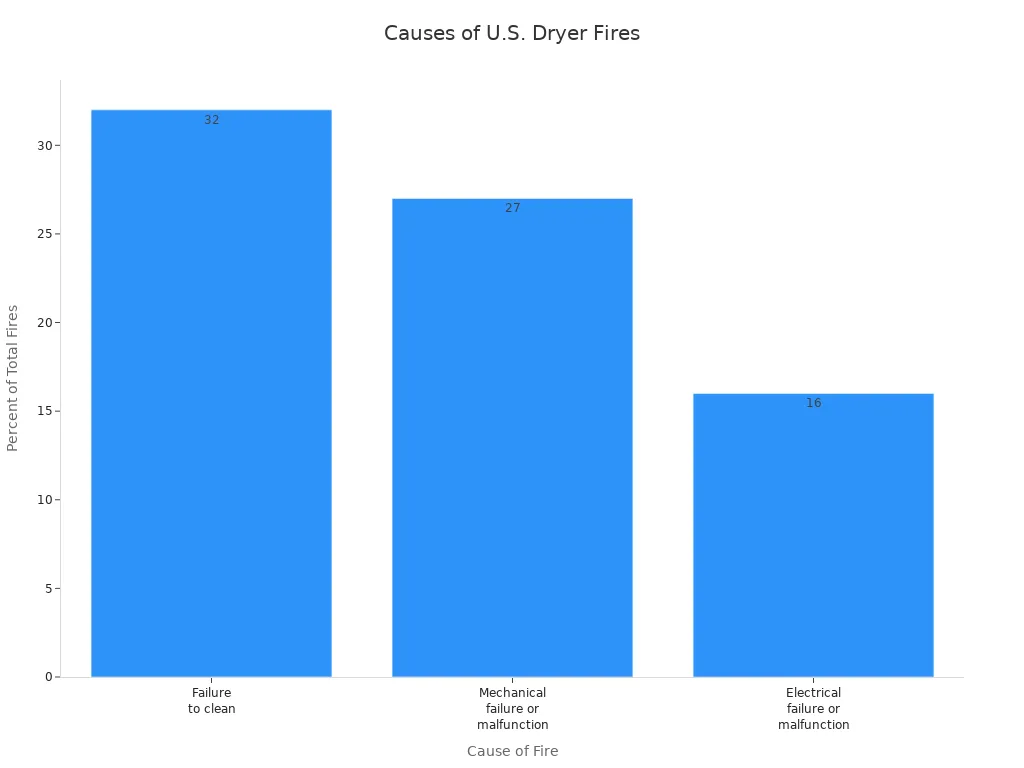
By understanding how this unsung hero works, you take an important step toward keeping your family safe.
Key Takeaways
The dryer thermal fuse is a small, one-time-use safety device that stops your dryer if it overheats, preventing fires and damage.
Regularly clean the lint trap and dryer vents to keep air flowing and avoid overheating that can blow the thermal fuse.
If your dryer won’t start or runs without heat, the thermal fuse might be blown and needs testing and replacement.
Never bypass the thermal fuse; it is a critical safety feature that protects your home from fire hazards.
Routine maintenance and timely fuse replacement keep your dryer safe, efficient, and help protect your family.
Dryer Thermal Fuse Basics
What Is a Thermal Fuse
A thermal fuse is a small but powerful part inside your dryer. You find this safety device in both gas and electric dryers. When you use your dryer, the thermal fuse stands guard against dangerous heat. It acts as a single-use, non-resettable protector. If the temperature inside your dryer gets too high, the thermal fuse breaks the electrical circuit. This stops the dryer from running and keeps your home safe.
You might wonder how a thermal fuse compares to other dryer parts. Unlike a thermal switch, which can reset itself after cooling down, a thermal fuse works only once. After it trips, you must replace it before your dryer will work again. The dryer thermal fuse contains a special link that melts or breaks when the temperature reaches a set limit. This action cuts off the power and prevents further overheating or fire hazards.
The thermal fuse usually sits near the hottest parts of your dryer. You may find it close to the blower motor, exhaust duct, or heating element. These locations help the fuse sense any dangerous rise in temperature right away.
Note: The dryer thermal fuse is a one-time use part. If it blows, you need to replace it. Never try to bypass it, as this removes a critical layer of protection.
Here is a table showing the main types of thermal fuses and their materials:
Type of Thermal Fuse | Main Material Used | Description |
|---|---|---|
Metal Thermal Fuse | Metal alloys (e.g., bimetal, low melting point metals like solder) | Contains a metal alloy that melts at a specific temperature to break the circuit. |
Ceramic Thermal Fuse | Ceramic materials with specific crystalline structures | Uses ceramic that changes at a certain temperature to interrupt the circuit. |
How It Works
The thermal fuse protects your dryer by watching for overheating. It contains a heat-sensitive element, often made from metal or ceramic. As your dryer runs, this element absorbs heat. If the temperature climbs too high, the element melts or breaks. This action interrupts the electrical circuit and stops the dryer.
The thermal fuse contains a fusible link that responds to heat.
When the temperature passes a preset point, the link melts or snaps.
This break in the circuit cuts off all power to the dryer’s motor or heating element.
By stopping the flow of electricity, the thermal fuse prevents further overheating and reduces the risk of fire.
The fuse sits near parts of the dryer that get hot, so it can react quickly to any problem.
Once the thermal fuse activates, it cannot reset. You must replace it before using the dryer again.
You may wonder why dryers need this extra protection. Safety standards require manufacturers to include a thermal fuse in every residential dryer. These standards include IEC 60730, UL 248, ANSI/UL 1434, CSA C22.2, and BS EN 60730. They make sure that the thermal fuse works reliably and keeps your home safe.
⚠️ Warning: Never bypass the thermal fuse. Doing so removes a key safety feature. If you bypass it, your dryer can keep running even when it overheats. This can lead to fires or serious damage. Appliance safety guidelines strictly forbid bypassing the thermal fuse.
The dryer thermal fuse is a simple part, but it plays a huge role in keeping your home safe. It acts fast to stop overheating and gives you peace of mind every time you use your dryer.
Why the Thermal Fuse Matters
Preventing Overheating
You rely on your dryer to work safely every time you use it. The thermal fuse stands as your first line of defense against overheating. When your dryer runs, it produces heat to dry clothes. Sometimes, problems can cause the temperature to rise too high. The thermal fuse senses this danger and acts quickly.
Many things can cause your dryer to overheat. Some of the most common reasons include:
Blocked or restricted venting that traps hot air inside the dryer.
Lint buildup around the heating element or exhaust duct.
A faulty thermostat that does not control the temperature correctly.
Overloading the dryer, which makes it work harder and get hotter.
Malfunctioning heating elements or electrical parts.
Wiring issues that create extra heat.
Using the dryer on very high heat or for too long.
Tip: Always clean the lint trap and check the vent regularly. Good airflow helps prevent overheating and keeps your dryer running safely.
The thermal fuse reacts when the temperature inside the dryer gets too high. It contains a special link that melts or breaks at a set temperature. When this happens, the fuse cuts off power to the heating element or motor. This action stops the dryer and helps prevent overheating from causing damage or danger.
The dryer thermal fuse works alongside the thermostat. The thermostat controls the heat during normal use. If the thermostat fails, the thermal fuse steps in as a backup. It blows only at a higher temperature, making sure your dryer shuts down before overheating leads to bigger problems. This backup system is required in all U.S. dryers and adds an extra layer of safety.
Fire Safety
Fire safety is one of the most important reasons to have a working thermal fuse in your dryer. Dryers can become fire hazards if they get too hot. Lint, dust, and fabric fibers can catch fire when exposed to high temperatures. The thermal fuse helps stop this from happening.
When the thermal fuse blows, it cuts power to the heating element right away. This quick action prevents the dryer from reaching dangerous temperatures. If the fuse did not exist, a failed thermostat or blocked vent could let the dryer keep heating up, raising the risk of a fire.
Note: The presence of a thermal fuse in your dryer greatly improves its fire safety rating. By stopping the flow of electricity during unsafe temperature conditions, the fuse protects your home and family from fire hazards.
You should always replace a blown thermal fuse before using the dryer again. This simple step keeps your appliance safe and reliable. Regular maintenance, like cleaning vents and checking for lint, also helps prevent overheating and supports the work of the thermal fuse.
The thermal fuse may seem small, but it plays a huge role in keeping your dryer safe. It acts fast to prevent overheating and fire, even if other parts fail. By understanding and caring for this part, you help protect your home every time you do laundry.
Blown Thermal Fuse Signs
When your dryer stops working as expected, you might wonder if the thermal fuse is to blame. This small part can cause big problems when it fails. Knowing the signs helps you spot trouble early and keep your home safe.
Dryer Won’t Start
One of the most common signs of a blown thermal fuse is a dryer that will not start at all. You press the start button, but nothing happens. The drum does not spin, and you hear no sounds from the machine. Many dryers shut down completely when the thermal fuse blows. This safety feature keeps the dryer from running when there is a risk of overheating.
Dryer fails to start when you press the button.
No lights or sounds come from the dryer.
The control panel stays dark.
Tip: If your dryer will not turn on, check the power supply first. If the power is fine, the thermal fuse could be the problem.
No Heat
Some dryers act differently when the thermal fuse blows. The drum may still spin, but the dryer produces no heat. Your clothes stay wet, even after a full cycle. This happens because the thermal fuse often cuts power only to the heating element, not the motor.
Dryer drum turns, but clothes remain damp.
Dryer runs for a normal cycle, but there is no warmth inside.
You notice longer drying times or cold air blowing.
A blown thermal fuse always points to a bigger issue. Overheating often causes the fuse to fail. Lint buildup, a clogged dryer vent, or faulty parts like a thermostat or heating element can all lead to this problem. When airflow gets blocked, heat builds up inside the dryer. The thermal fuse reacts by shutting things down to prevent danger.
Note: Regularly cleaning the lint trap and checking the vent hose can help prevent these issues. If you replace the thermal fuse but do not fix the cause, the new fuse may blow again.
Check and Replace Dryer Thermal Fuse
Safety First
Before you check or replace the thermal fuse, always put safety first. Dryers use high voltage, so you must protect yourself from electrical shock and injury. Follow these important steps:
Unplug the dryer or switch off the circuit breaker to cut all power.
Let the dryer cool down if it was recently used. Hot parts can burn your hands.
Wear work gloves to protect your hands from sharp edges inside the dryer.
Pull the dryer away from the wall to create enough space for safe access.
Work in a well-lit, dry area. Good lighting helps you see small parts and wires.
Keep your workspace clear of clutter. Make sure children and pets stay away.
Avoid touching exposed wires. Use insulated tools when possible.
Take photos or notes of wiring before disconnecting anything. This helps you reconnect wires correctly.
Read your user manual for model-specific instructions and diagrams.
⚠️ Warning: Never work on a dryer while it is plugged in. Always disconnect power first to prevent electric shock.
Step-by-Step Guide
You can check and replace the thermal fuse with a few simple tools. Here is a step-by-step guide:
Unplug the dryer to ensure your safety.
Remove the back panel or bottom front panel using a screwdriver. The location depends on your dryer model.
Find the thermal fuse. It usually sits near the blower housing or exhaust duct. Check your user manual if you need help.
Use a multimeter set to the lowest ohms setting to test the thermal fuse for continuity. Place the probes on each terminal. If the reading is near zero, the fuse works. No reading means the fuse is blown.
Look for visual signs of a blown fuse, such as a broken wire or blackened appearance.
Unscrew or unclip the faulty fuse. Carefully disconnect the wires, noting their positions.
Attach the wires to the new fuse exactly as before. Secure the new fuse in place.
Reattach the panel you removed earlier.
Plug the dryer back in and run a short cycle to check if it heats properly.
🚫 Important: Never bypass the thermal fuse. This safety device prevents fires by shutting off the dryer if it overheats. If you feel unsure about any step, call a professional for help.
Prevent Blown Thermal Fuses
Maintenance Tips
You can prevent blown thermal fuses by following a few simple maintenance steps. Regular care keeps your dryer safe and efficient. Here are the best practices:
Clean the lint trap after every drying cycle. Lint buildup blocks airflow and can lead to overheating.
Inspect and clean the dryer vent and ducts at least once a year. A clogged dryer vent restricts airflow and increases fire risk.
Wash the lint screen with water every few months to remove residue and keep air moving freely.
Clean the moisture sensor regularly. This helps your dryer run accurate cycles and prevents extra heat.
Check the drum seal for wear or damage. Replace it if needed to avoid air leaks.
Make sure your dryer sits level. This reduces vibration and wear on parts.
Clean the exterior vent hood to remove lint, debris, or pests.
Wipe down the inside and outside of the dryer to remove dust and lint.
Schedule annual professional maintenance. A technician can inspect and clean inside the dryer, reducing fire hazards and mechanical stress.
Tip: Regular cleaning of lint traps and vents prevents blockages. This keeps air moving and protects the thermal fuse from heat damage. Proper ventilation also helps your dryer last longer and work safely.
Routine maintenance does more than just prevent blown thermal fuses. It lowers your energy bills, reduces repair costs, and extends your dryer's lifespan. Keeping vents clear and checking parts often helps you avoid problems before they start.
When to Get Help
Sometimes, you need a professional to solve dryer problems. If you notice any of these issues, call an expert:
The dryer keeps shutting off or will not heat, even after you replace the thermal fuse.
You smell burning or see smoke during operation.
The circuit breaker trips, or you see error codes on the control panel.
You hear strange noises or notice the drum does not spin smoothly.
You find signs of electrical problems, like a damaged power cord.
Trying to fix electrical or mechanical issues without the right skills can make things worse. A technician can diagnose hidden problems, such as a faulty thermostat or heating element, and ensure your dryer runs safely. If you face persistent heating problems or safety concerns, do not wait—get professional help to prevent blown thermal fuses and protect your home.
You play a key role in keeping your home safe by caring for your dryer thermal fuse. This small part acts fast to stop overheating and prevent fires, unlike other safety features that only help indirectly.
Schedule yearly vent inspections.
Replace the fuse if your dryer stops heating.
Remember: Routine checks and quick action protect your family and extend your dryer's life.
FAQ
What causes a dryer thermal fuse to blow?
A thermal fuse blows when your dryer gets too hot. Lint buildup, blocked vents, or a broken thermostat can cause overheating. You should check and clean your dryer often to prevent this problem.
Can you reset a dryer thermal fuse?
You cannot reset a dryer thermal fuse. This part works only once. If it blows, you must replace it with a new one before your dryer will work again.
Is it safe to bypass the thermal fuse?
🚫 Never bypass the thermal fuse.
This safety device protects your home from fire. If you bypass it, your dryer can overheat and cause serious danger.
How do you know if your thermal fuse is bad?
Your dryer may not start or may run without heat. You can test the fuse with a multimeter. No reading means the fuse is bad and needs replacement.
How often should you check your dryer’s thermal fuse?
You should check the thermal fuse if your dryer stops working or does not heat. Regular cleaning and yearly vent checks help prevent fuse problems.