How Diode Transil Shields Sensitive Electronics from Harm
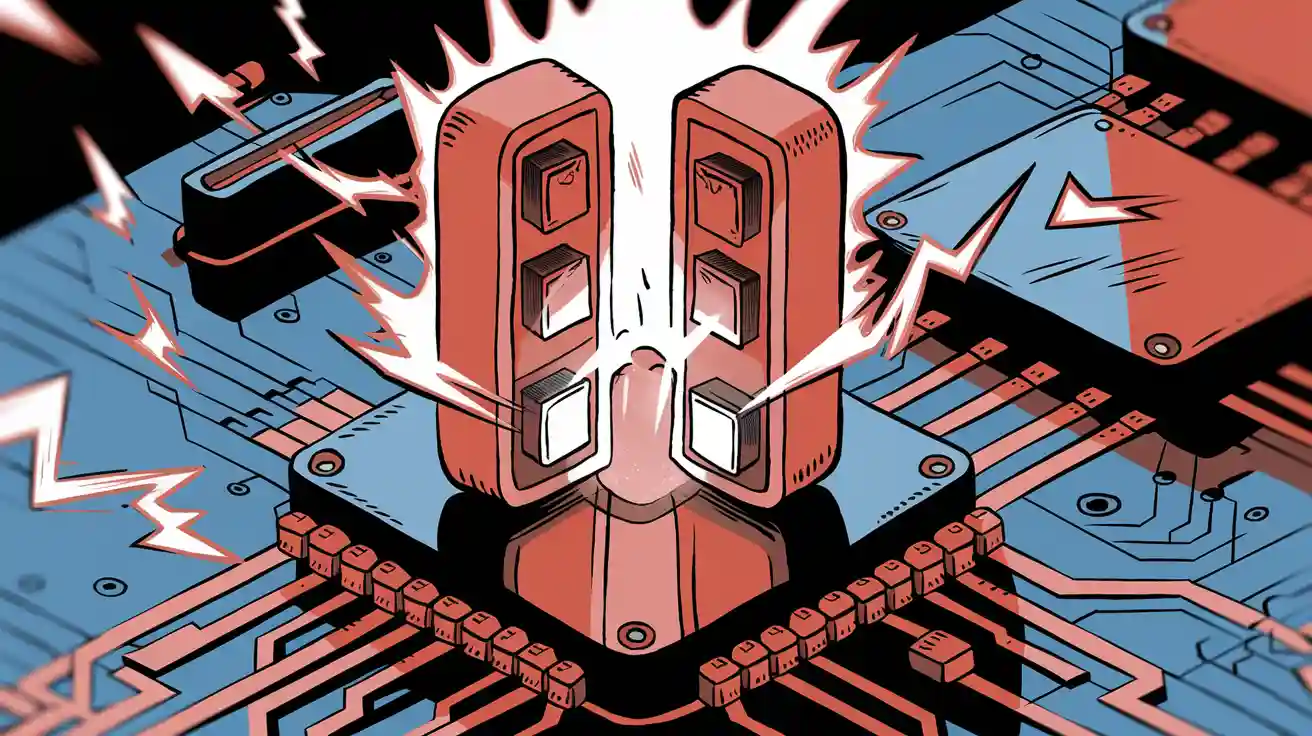
Diode transil shields sensitive electronics by acting quickly against voltage spikes. These spikes can cause damage or failure, especially in devices with delicate components. Recent research shows that power surges or voltage spikes account for up to 25% of electronic device failures, highlighting the need for strong protection. The global push for circuit protection grows as industries and homes rely more on sensitive electronics. Diode transil offers effective protection, making it a key solution for anyone wanting to keep devices safe.
The economic impact of voltage surges is significant, as seen in the growing surge protection market:
| Aspect | Details |
|---|---|
| Market Size (2025) | USD 4.12 billion |
| Projected Market Size (2032) | USD 7.48 billion |
| CAGR (2025-2032) | 8.9% |
Key Takeaways
- Diode transil (TVS diodes) protect electronics by quickly clamping voltage spikes and diverting harmful current away from sensitive parts.
- These diodes respond faster and last longer than other surge protectors, making them ideal for delicate devices like USB ports and data lines.
- Proper placement of TVS diodes near connectors or surge entry points ensures the best protection and extends device lifespan.
- TVS diodes guard against common electrical threats such as electrostatic discharge, lightning surges, and switching spikes in homes, factories, and vehicles.
- Choosing the right TVS diode with suitable voltage, current ratings, and low capacitance helps maintain signal quality and reliable circuit protection.
Diode Transil Protection
Fast Voltage Clamping
Diode transil, also known as a TVS diode, acts as a rapid voltage clamping device. When a voltage spike or overvoltage event occurs, the TVS diode responds almost instantly. This fast action protects sensitive circuits from damage. TVS diodes clamp the voltage to a safe level, preventing the spike from reaching critical components.
- TVS diodes have clamping response times in the nanosecond or even sub-nanosecond range.
- Traditional surge protection devices like metal oxide varistors (MOVs) respond more slowly, often in tens of nanoseconds to microseconds.
- Modern transient voltage suppressors, such as diode transils, match or exceed the speed of advanced surge protective devices.
TVS diodes clamp at lower voltages and do not degrade over time. This makes them ideal for protecting sensitive circuits, especially where low capacitance and signal integrity matter, such as USB ports. MOVs clamp at higher voltages and degrade with use, which can increase leakage current and reduce protection effectiveness. MOVs work better in high energy and high temperature environments, but their higher clamping voltage and degradation make them less suitable for sensitive electronics.
| Feature | TVS Diode (Diode Transil) | Metal Oxide Varistor (MOV) |
|---|---|---|
| Clamping Voltage | Significantly lower clamping voltage | Higher clamping voltage |
| Dynamic Resistance (Rdyn) | About 10 times lower than some MOVs | Higher, causing larger voltage drop |
| Degradation After Events | Does not degrade; maintains breakdown voltage | Degrades over time; breakdown voltage shifts |
| Leakage Current | Very low, stable over time | Increases with use |
| Response Time | Faster, more repeatable | Slower, less repeatable |
| Energy Delivered to Load | Lower energy (e.g., 4.5µJ in low-voltage test) | Higher energy (e.g., 18.0µJ in same test) |
| Failure Mode | Fails safely as short circuit | Can fail as short or open circuit |
| Suitability | Sensitive, low-voltage, signal-sensitive circuits | High energy, high voltage, cost-sensitive circuits |
TVS diodes come in two main types: unidirectional and bidirectional. Unidirectional TVS diodes protect circuits where voltage transients occur in only one direction, such as power lines or logic signals. They must be oriented correctly in the circuit. Bidirectional TVS diodes protect against both positive and negative voltage spikes. They work well for bipolar signals, such as analog or data lines, and can be installed without concern for orientation. The choice between unidirectional and bidirectional types depends on the expected polarity of voltage transients in the application.
Parallel Circuit Placement
Engineers place TVS diodes in parallel with the device or circuit that needs protection. This placement allows the TVS diode to react immediately when an overvoltage event occurs. The diode clamps the voltage and diverts excess current away from sensitive components.
- TVS diodes should be placed close to the entry point of the transient source. This reduces lead inductance and improves protection efficiency.
- For data lines, the best practice is to position the TVS diode near connectors or interfaces. This ensures that the transient voltage suppressor clamps surges before they reach critical parts.
- A low-impedance ground path, such as a solid ground plane, helps the TVS diode work effectively.
Proper placement of TVS diodes is essential for circuit protection. When installed correctly, TVS diodes provide reliable overvoltage protection and help extend the life of sensitive electronics.
TVS diodes, including diode transil, play a vital role in circuit protection. Their fast response, low clamping voltage, and reliable performance make them the preferred choice for protecting modern electronic systems from overvoltage threats.
TVS and Electrical Threats
ESD and Surges
TVS diodes protect sensitive electronics from several common electrical threats. These threats can cause sudden overvoltage conditions that damage circuits. Some of the main threats include:
- Electrostatic discharge (ESD) from human touch or nearby objects.
- Voltage spikes caused by lightning strikes.
- Electrical fast transients (EFT) from switching motors or relays.
- Power anomalies and load dumps in automotive systems.
- Switching noises and other transient surges in industrial equipment.
ESD is a frequent problem, especially in dry environments or during colder months. In factories and industrial settings, ESD events happen often and can damage electronic parts instantly. TVS diodes play a key role in protecting devices like microprocessors, memory chips, and communication systems from these fast, high-voltage pulses. TVS diodes are also essential in USB ports and data lines, where even a small surge can disrupt signals or cause permanent harm.
Switching surges occur during normal operations, such as turning machines on or off, or when circuit breakers and relays activate. These surges happen many times each day in industrial environments. TVS diodes clamp these overvoltage spikes quickly, keeping sensitive equipment safe and reliable.
Lightning and Switching
Lightning strikes can send powerful surges through power and communication lines. While lightning events are less frequent than ESD or switching surges, their energy can be much higher. TVS diodes are designed to handle both the short, sharp pulses from ESD and the longer, high-energy surges from lightning. Their fast response time, usually in the nanosecond range, allows TVS diodes to react before the overvoltage can reach and damage critical components.
Switching surges are another common threat. These occur when electrical loads like motors, relays, or capacitor banks switch on or off. TVS diodes respond quickly to these events, clamping the voltage and diverting excess energy away from sensitive circuits. This rapid action helps maintain system stability and extends the life of electronic devices.
TVS diodes provide reliable protection against a wide range of electrical threats. Their ability to respond quickly to both ESD and overvoltage surges makes them essential for modern electronics in homes, factories, and vehicles.
How TVS Diodes Work
Clamping Action
TVS diodes protect sensitive circuits by clamping voltage spikes. When a sudden surge or spike occurs, the TVS diode quickly becomes conductive. It limits the voltage to a safe level, called the clamping voltage. This action prevents the spike from reaching and damaging the protected device.
- TVS diodes remain inactive during normal operation. They only activate when the voltage rises above a certain threshold.
- For consumer electronics, TVS diodes like the SMBJ5.0 are common in 5V systems. These diodes have a breakdown voltage between 6.4V and 7.0V, which is just above the normal operating voltage.
- Specialized ESD TVS diodes, such as PESD5V0S1, offer fast response and low capacitance for data lines. These are designed for ESD protection rather than general power clamping.
The clamping voltage of a TVS diode sits above the normal voltage of the circuit. This design keeps the diode non-conductive during regular use. The TVS diode only activates when a spike threatens the circuit, clamping the voltage to a safe level. This approach ensures the TVS does not interfere with normal operation but provides instant protection when needed.
Tip: Choosing a TVS diode with a clamping voltage just above the normal operating voltage gives the best balance between protection and circuit performance.
Current Diversion
TVS diodes also protect circuits by diverting excess current away from sensitive components. When a voltage spike hits, the TVS diode provides a low-resistance path to ground. This action safely channels the surge energy away from the protected device.
- Peak Pulse Current (IPP) shows the maximum surge current a TVS diode can handle without damage.
- TVS diodes list their IPP ratings using standard surge waveforms, such as 8/20 µs, to match real-world conditions.
- Engineers select a TVS diode with an IPP rating higher than the largest expected surge. This ensures the diode can handle the worst-case event.
- Regular testing with simulated surges helps confirm the TVS diode's durability.
TVS diodes respond in nanoseconds, making them much faster than many other protection devices. This quick action is vital for stopping damage from fast transients like ESD or switching surges. TVS diodes keep sensitive electronics safe by clamping voltage and diverting dangerous currents before harm can occur.
Note: TVS diodes work best when placed close to the entry point of the surge. This placement reduces the chance of damage to the circuit.
TVS Diode Features
Response Time
TVS diodes protect electronics by reacting extremely fast to voltage spikes. Their response time is less than 1 picosecond. This speed makes them ideal for stopping sudden surges, such as electrostatic discharge (ESD). Other protection devices, like varistors and gas discharge tubes, respond more slowly. Varistors usually react in tens to hundreds of nanoseconds. Gas discharge tubes can take up to 100 nanoseconds or more. The table below shows how different devices compare:
| Protection Device | Response Time | Suitable For |
|---|---|---|
| TVS Diode | Less than 1 nanosecond (picosecond level) | Ultrafast transient suppression (ESD, EFT pulses) |
| Varistor | Tens to hundreds of nanoseconds | Medium-speed disturbances |
| Gas Discharge Tube (GDT) | 25 to 100 nanoseconds or more | High-energy surges, slower transients |
TVS diodes give the fastest protection. This feature helps keep sensitive circuits safe from damage.
Power Handling
TVS diodes can handle large amounts of surge energy. Their power handling depends on the application and the type of surge. In automotive systems, some tvs diodes can absorb up to 1000 watts of peak pulse power during a 10/1000 microsecond surge. For data line protection, the power rating is lower, around 30 watts. The table below shows typical values:
| Application | Pulse Duration | Peak Pulse Power (PPK) |
|---|---|---|
| General Automotive | 10/1000 µs | 600 W |
| Data Line Protection | 8/20 µs | 30 W |
| MOSFET Protection | 10/1000 µs | 1000 W |
TVS diodes help protect devices in cars, computers, and industrial equipment by absorbing dangerous surges.
Low Capacitance
Low capacitance is important for tvs diodes used on high-speed data and signal lines. Some tvs diodes have capacitance as low as 0.4 picofarads. This low value keeps data signals clear and fast. It prevents the diode from slowing down or distorting the signal. TVS diodes with low capacitance work well in USB ports, Thunderbolt, and PCI Express lines. They protect against ESD and surges without harming data speed or quality. Small package sizes and low leakage current also help engineers fit these diodes into compact devices.
Tip: Choose tvs diodes with low capacitance for the best protection of high-speed data lines.
Applications of TVS Diodes
Consumer Devices
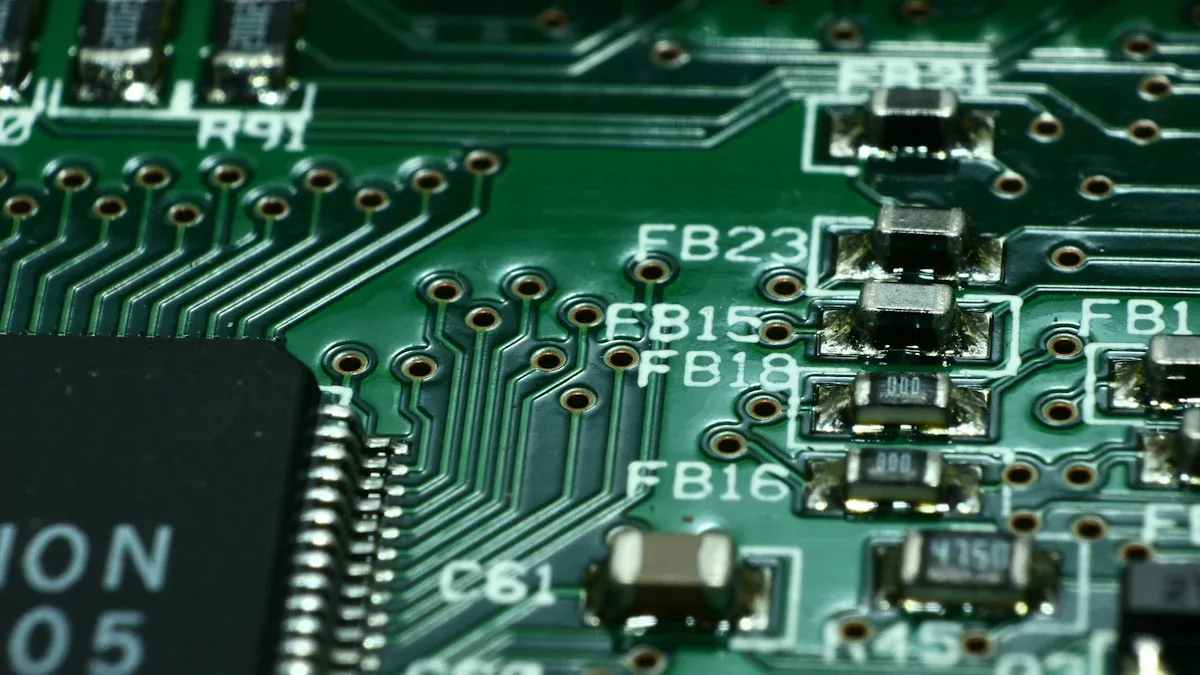
TVS diodes protect many everyday electronics from voltage surges. These devices often contain sensitive microprocessors that can fail if exposed to sudden spikes. Engineers use TVS diodes in surge protective devices near the end equipment to guard against low-level surges. Common consumer electronics that benefit from TVS diode protection include:
- Televisions (TVs)
- Personal computers (PCs)
- Household appliances
- Power strips in homes and offices
TVS diodes respond quickly to voltage spikes, keeping microcontroller-based boards safe. This protection helps devices last longer and work more reliably. Many power strips now include TVS diodes to shield connected electronics from unexpected surges.
Industrial and Medical
Factories and hospitals rely on electronics that must work without fail. TVS diodes play a key role in these settings. In medical equipment, TVS diodes protect against overvoltage and electrostatic discharge. Devices such as patient monitors, diagnostic machines, and therapy tools use TVS diodes to stay safe from sudden voltage events. This protection keeps critical equipment running smoothly and extends its lifespan. TVS diodes clamp and divert dangerous voltage spikes, which prevents damage to sensitive parts. Their robust design allows them to reset after a surge, so the equipment remains accurate and safe. In industrial systems, TVS diodes help machines avoid costly downtime by shielding control circuits and sensors from electrical noise and surges.
Data and Signal Lines
Modern communication depends on fast, reliable data transfer. TVS diodes protect high-speed data lines from transient voltage spikes. Engineers select TVS diodes with low capacitance for these applications to avoid slowing down signals. Key practices for protecting data and signal lines include:
- Using bidirectional TVS diodes for lines like Ethernet and USB
- Choosing breakdown voltages just above normal signal levels
- Placing TVS diodes close to connectors to ensure fast response
- Optimizing PCB layout to reduce inductance and improve protection
TVS diodes protect RS485, CAN-bus, and Ethernet lines from electrostatic discharge and surges. This protection keeps data flowing smoothly and prevents damage to communication chips. By clamping spikes quickly, TVS diodes help maintain data integrity and system reliability.
Diode transil and TVS diodes shield sensitive electronics by clamping voltage spikes and diverting excess current, which prevents damage and supports system safety. These devices help meet strict industry standards and extend the lifespan of critical components. TVS diodes offer fast response, low capacitance, and reliable protection in consumer, industrial, and medical applications.
Engineers should evaluate circuit needs before choosing a TVS diode. Key factors include standoff voltage, clamping voltage, peak pulse current, and compliance with safety standards.
- Select the correct diode type for the direction of surges.
- Place TVS diodes close to connectors for best protection.
- Check capacitance for high-speed data lines.
TVS diodes provide robust circuit protection and help electronics last longer.
FAQ
What is a diode transil and how does it protect electronics?
A diode transil is a special type of transient voltage suppressor. It reacts quickly to voltage spikes. The device clamps high voltage and diverts extra current away from sensitive parts. This action helps prevent damage to electronic circuits.
Where should engineers place transient voltage suppressors in a circuit?
Engineers usually place transient voltage suppressors close to connectors or entry points. This location allows the device to respond fast to surges. Proper placement improves protection and keeps sensitive electronics safe from harm.
Can a transient voltage suppressor protect data lines without slowing signals?
Yes. Many transient voltage suppressors have low capacitance. This feature keeps data signals fast and clear. Devices like USB ports and Ethernet lines use these suppressors to guard against surges while maintaining high-speed performance.
How do transient voltage suppressors differ from other surge protection devices?
Transient voltage suppressors respond faster than most other surge protection devices. They clamp voltage at lower levels and do not degrade after multiple surges. Other devices, like varistors, may react slower and lose effectiveness over time.
Are diode transil devices used in medical equipment?
Medical equipment often uses diode transil devices. These protect sensitive circuits from electrostatic discharge and voltage spikes. Reliable protection helps keep medical devices safe and working properly in hospitals and clinics.