Understanding Short Circuits and Their Common Causes
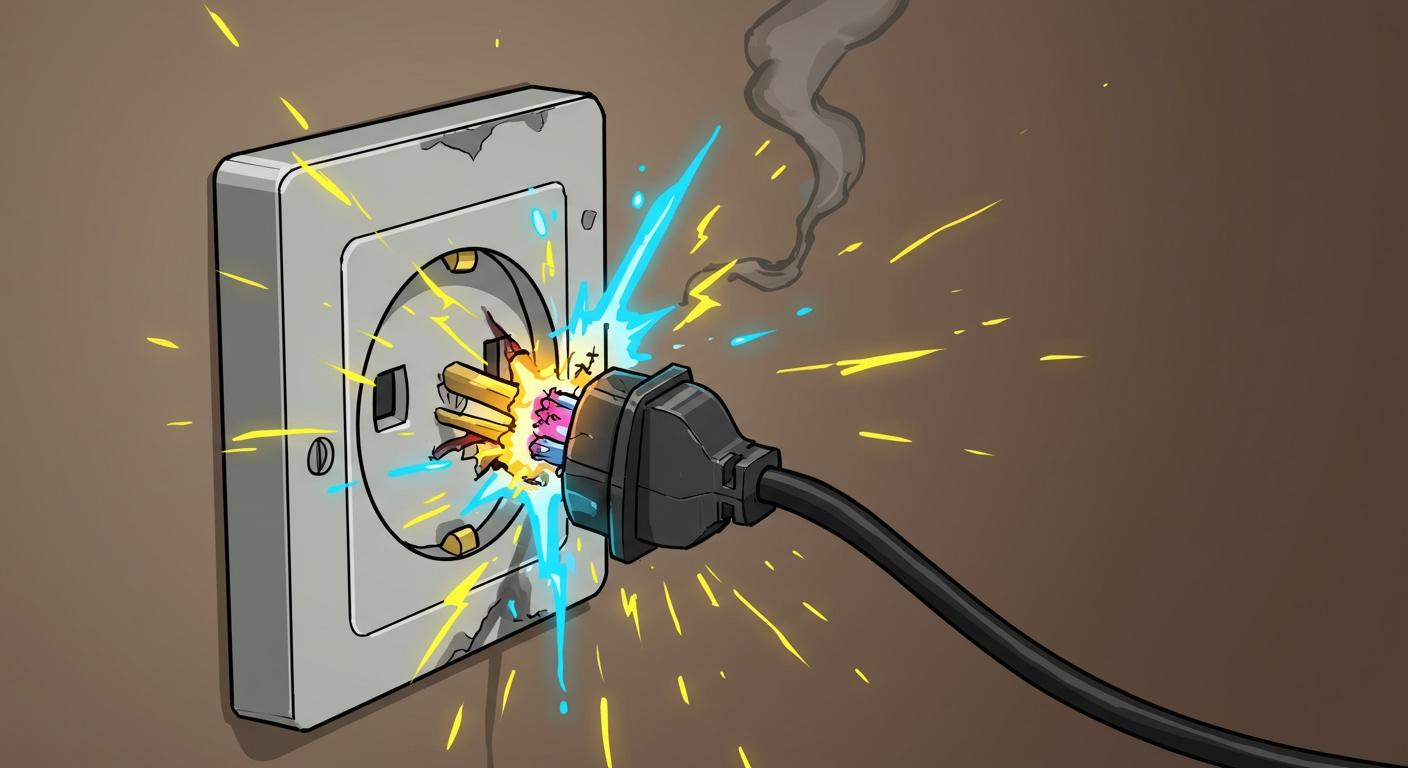
A simple definition for short circuit is an abnormal, low-resistance path in an electrical circuit. This path creates a dangerous surge of current. A short circuit is a serious electrical problem. The common causes of short circuits often relate to everyday household issues.
These causes include aging wiring, damaged appliance cords, and loose electrical connections. Understanding the main causes of short circuits helps homeowners recognize potential hazards. 💡
Key Takeaways
- A short circuit is a dangerous electrical problem. It happens when electricity takes a wrong path. This causes a big rush of power.
- Common causes of short circuits include old wires, broken appliance cords, and loose connections. These problems can lead to fires.
- You can prevent short circuits. Check cords and outlets often. Do not plug too many things into one outlet. Install special safety devices like GFCIs and AFCIs.
- If you smell burning, hear buzzing, or see sparks, you might have a short circuit. Call an electrician right away. Do not try to fix it yourself.
DEFINITION FOR SHORT CIRCUIT
Electricity powers our world by flowing in a controlled, closed loop called a circuit. Think of this system like water moving through pipes. A proper understanding of this flow is key to a clear definition for short circuit. In this analogy, different electrical concepts correspond to parts of a water system.
- Voltage (V) is like the water pressure that pushes the water forward.
- Current (I) is like the volume of water flowing through the pipes.
- Resistance (R) is like a narrow section of pipe that slows the water flow.
This resistance is essential. It controls the amount of current flowing to an appliance, allowing it to operate safely.
A short circuit occurs when electricity takes an unintended "shortcut." It bypasses the normal path and avoids the components that provide resistance. This creates a direct, low-resistance connection between two points in the circuit. This simple definition for short circuit highlights a very dangerous event. Without resistance to limit the current, an enormous amount of electrical energy surges through the wire almost instantly.
This massive surge of current generates extreme heat. An electrical arc from a
short circuitcan reach temperatures of 35,000°F (19,427°C). This is hotter than the surface of the sun. Such intense heat can melt wire insulation, damage appliances, and create a seriousrisk of fire. The coredefinition for short circuitis this dangerous, low-resistance path that can quickly lead to afire.
TOP CAUSES OF SHORT CIRCUITS
Understanding the top causes of short circuits is the first step toward preventing them. Many electrical faults develop slowly over time from everyday wear and tear. Recognizing these common causes helps homeowners spot potential dangers before they escalate.
AGING OR DAMAGED WIRING INSULATION
The plastic or rubber coating around a wire is called insulation. It keeps electricity safely contained. Over time, this insulation can break down, creating one of the most frequent causes of short circuits. The copper conductor inside a wire rarely fails, but its protective coating does.
- Modern PVC insulation can last for decades, often 25 to 40 years, if it is not exposed to harsh conditions.
- Older rubber insulation, found in homes built before the 1960s, dries out, becomes brittle, and cracks. Wiring that is 70 years old is well past its safe lifespan.
Environmental factors can speed up this decay. Pests are a major problem. Rodents like mice and rats gnaw on wires to wear down their teeth. This chewing strips the insulation, leaving exposed wires. Extreme heat and humidity also cause insulation to degrade faster, increasing the risk of a short circuit. This damaged wiring becomes a hidden fire hazard inside walls.
FAULTY APPLIANCES AND CORDS
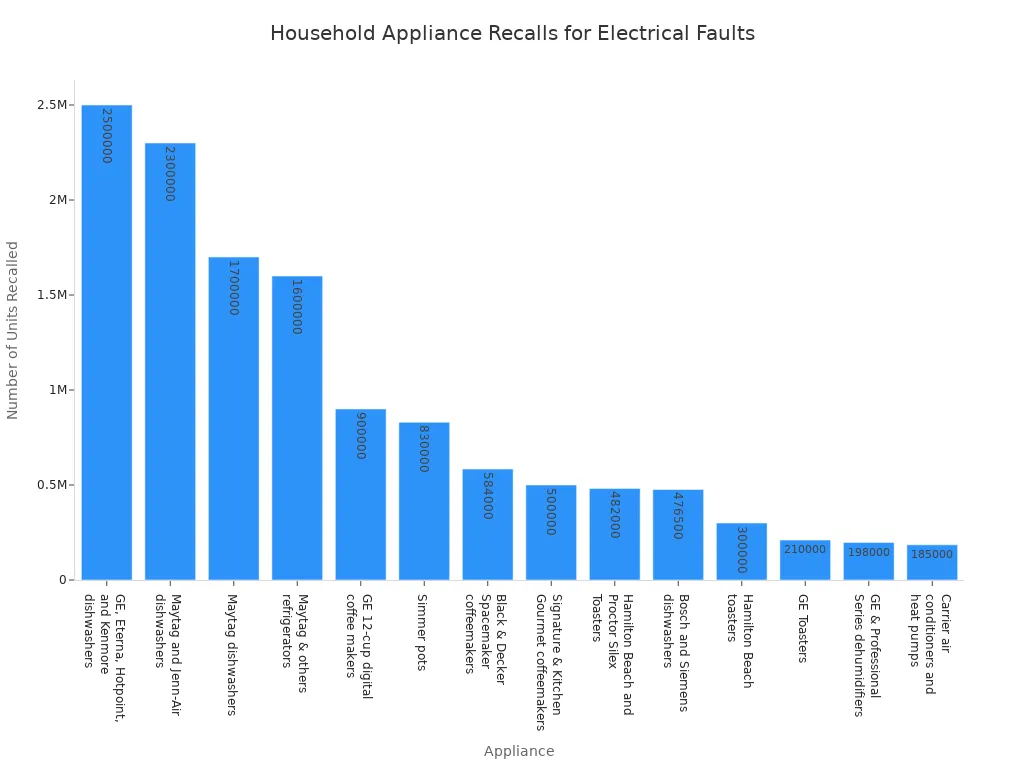
Many electrical faults originate not in the walls but in the devices we plug into them. Appliances contain complex wiring that can fail. A manufacturing defect or internal damage can create a fault, leading to overheating and a risk of fire. Major appliance recalls happen more often than people think. Refrigerators, dishwashers, and coffee makers are frequently recalled for electrical faults that pose a fire hazard.
The power cord is another common point of failure. Frequent bending, crushing under furniture, or simple aging can cause damage. Homeowners should inspect cords for these warning signs:
- Visible Damage: Look for nicks, cracks, or frayed spots in the outer insulation.
- Heat Damage: Check for melted plastic, discoloration, or burn marks on the plug or cord.
- Damaged Prongs: Ensure the metal prongs are not bent, broken, or missing.
- Loose Plug: The plug should fit snugly into the outlet. A loose fit can cause overheating.
Pro Tip 💡: Always look for a safety certification mark on electrical products. Marks like UL (Underwriters Laboratories) or ETL (Intertek Testing Services) mean the product has been tested by a third-party lab to meet safety standards. This simple check reduces the risk of bringing faulty appliances into your home.
LOOSE WIRE CONNECTIONS
Electrical connections inside outlets, switches, and junction boxes can become loose over time. Vibrations, temperature changes, and improper installation can all contribute to loose wires. These loose connections are extremely dangerous. When a wire is not secure, electricity can jump or "arc" across the tiny gap.
This arcing generates intense heat and sparks, which can easily ignite nearby materials like wood, insulation, or dust. A loose connection can also create high resistance, causing the connection point to overheat and melt, even if nothing is plugged into the outlet. These wiring faults are a hidden but serious fire threat.
DAMAGED OUTLETS AND SWITCHES
Outlets and switches are the parts of your electrical system you interact with daily. Physical damage and internal wear can turn them into hazards. Damaged outlets are a clear warning sign of underlying wiring faults. Homeowners should watch for these signs:
- Scorch Marks: Black or brown discoloration around the slots indicates overheating.
- Cracks or Chips: A cracked faceplate can expose live components, creating a risk of shock.
- Sparks or Popping: Any sparks or noises when you plug or unplug a device signal dangerous loose connections inside.
- Frequent Breaker Trips: If using a specific outlet always trips the circuit breaker, the outlet likely has an internal fault.
Ignoring these signs increases the chance of property damage or a dangerous fire.
LIQUID CONTACT WITH WIRING
Water and electricity are a deadly combination. While pure water is not a great conductor, the tap water in our homes contains minerals and impurities that allow it to conduct electricity easily. When water touches electrical wiring, it creates an unintended path for the current to flow. This is one of the top causes of short circuits.
This situation can happen in many ways around a home.
- Plumbing leaks from pipes, sinks, or toilets.
- Water seeping in through a leaky roof or window.
- Flooding in a basement or crawlspace.
- Even high humidity can cause condensation to form inside outlets or fixtures.
The moisture can cause corrosion, damage insulation, and create a direct short. This not only presents a severe risk of electric shock but can also cause significant damage to the electrical system.
RECOGNIZING A SHORT CIRCUIT
Recognizing the signs of a short circuit is crucial for home safety. Electrical faults often provide clear warnings before they cause serious damage. Homeowners who learn these signals can act quickly to prevent a fire or other hazards. These are the most common signs of a short circuit.
BURNING ODORS OR SCORCH MARKS
A distinct burning odor is one of the most alarming signs of a short circuit. This smell occurs when intense heat from an electrical fault begins to melt surrounding materials. The specific scent can help identify the problem.
- Burnt Plastic: A sharp, chemical smell often comes from melting wire insulation or the plastic components of an outlet.
- Burnt Rubber: This odor may indicate that the protective coating on wires or appliance cords is charring.
Visually, homeowners should look for scorch marks around outlets and switches. These marks can appear as small brown spots or large, dark black stains on the cover plate. Arcing inside the wall can also cause heat to blacken the plastic outlet insert itself, even if it is not yet visible on the surface.
BUZZING OR POPPING NOISES
Electrical systems should operate silently. Unusual sounds from walls, outlets, or fixtures signal danger. A buzzing or humming noise often points to loose wiring. Irregularities in the electrical current cause vibrations in the components, producing the audible buzz. A crackling or popping sound is even more serious. This noise indicates that electricity is arcing, or jumping between loose connections. Arcing generates extreme heat and is a major fire risk.
FREQUENTLY TRIPPED BREAKERS
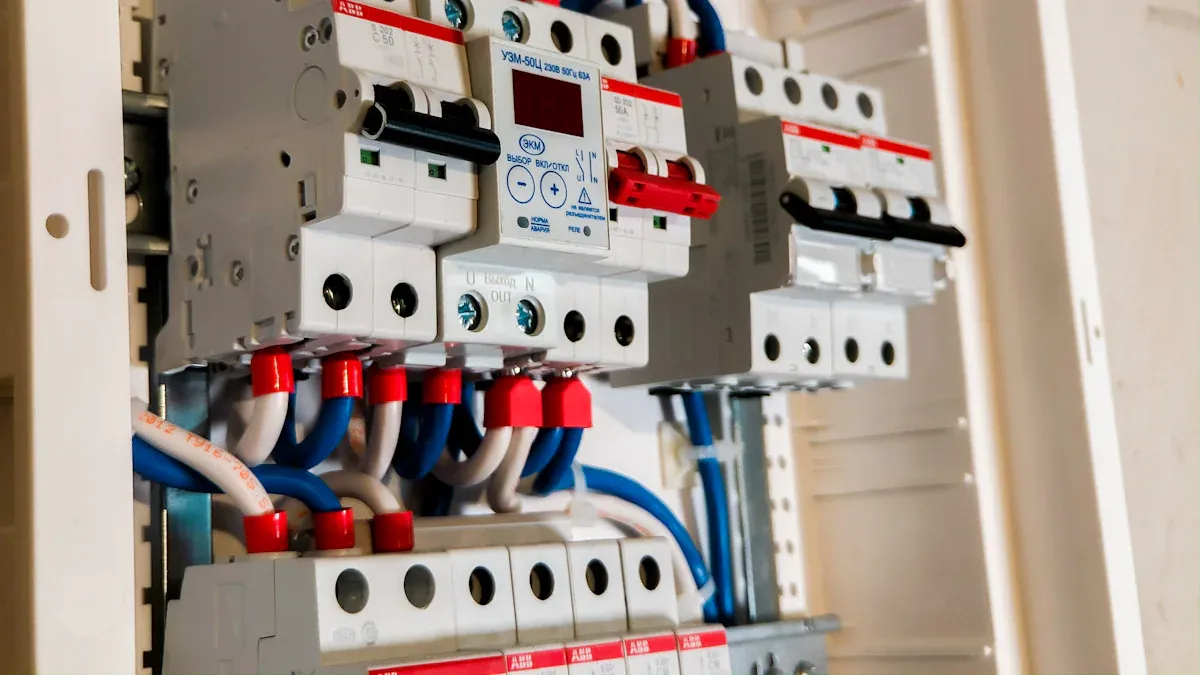
A circuit breaker is a safety device designed to protect against electrical faults. It detects surges in current and shuts off the power. While an overload from running too many appliances may trip a breaker slowly, a short circuit causes a different reaction. The massive, instant surge of current generates a powerful magnetic field inside the breaker. This field trips the mechanism almost instantly to stop the flow of electricity.
Overload vs. Short Circuit ⚠️ An overload is a moderate overcurrent that trips the breaker slowly. A short circuit is an extreme current surge that trips the circuit breaker immediately. If a breaker trips right after being reset, a short circuit is the likely cause.
SPARKS FROM OUTLETS OR APPLIANCES
A tiny, brief blue spark when plugging in an appliance can be normal. However, dangerous sparks are a clear warning. These are key signs of a problem:
- The sparks are large, yellow, or white.
- They last for more than a split second.
- The sparking is accompanied by a burning smell or visible scorch marks.
These dangerous sparks indicate a fault within the appliance or the outlet's wiring. Ignoring them can lead to significant electrical damage and a potential fire.
HOW TO PREVENT A SHORT CIRCUIT
Homeowners can take proactive steps to prevent a short circuit. Prevention is the best safety measure. The following tips are for routine maintenance and do not replace the need for a professional electrician to fix existing problems. Following these safety protocols can significantly reduce electrical risks.
REGULARLY INSPECT CORDS AND OUTLETS
Regular visual checks of electrical components are essential. Homeowners should inspect cords and outlets for any signs of wear or damage.
- Electrical Cords: Keep cords away from heat sources and sharp edges. Do not run them under carpets. Always pull the plug, not the cord, to unplug a device.
- Outlets: Look for any scorch marks or cracks on the faceplate. Plugs should fit snugly. A loose plug can overheat and create a hazard.
- Extension Cords: Use cords rated for the appliance's power needs. Never overload an extension cord.
AVOID OVERLOADING CIRCUITS
An overloaded circuit is a common cause of electrical issues. Homeowners can avoid this by understanding a circuit's limits. A standard 15-amp circuit breaker can safely handle a continuous load of 12 amps. This follows the 80% rule for electrical safety. To prevent an overload, add up the amperage of all devices on one circuit. This total should not exceed the safe limit.
INSTALL PROTECTIVE DEVICES
Modern safety devices offer advanced protection. Homeowners can install circuit breakers with special functions to guard against specific dangers.
GFCI (Ground Fault Circuit Interrupter): This device prevents electric shock, especially in wet areas. It detects when electricity takes an unintended path, like through a person, and shuts off the power instantly. The National Electrical Code requires GFCIs in kitchens, bathrooms, and outdoor areas. AFCI (Arc-Fault Circuit Interrupter): This device prevents fires. It detects dangerous electrical arcs, which can happen with damaged wiring or loose connections. AFCIs are crucial for preventing a short circuit inside walls. It is wise to install circuit breakers with these features for enhanced home safety.
SCHEDULE PROFESSIONAL INSPECTIONS
The best way to ensure electrical safety is through professional electrical inspections. An electrician can identify hidden faults a homeowner might miss. A professional inspection typically includes checking the main service panel, testing safety devices like GFCIs and AFCIs, and examining all wiring. Experts recommend inspections every 3 to 5 years for average homes. Homes older than 40 years should be inspected annually. Regular checks help prevent a short circuit and keep the system up to code.
Electrical faults are a serious hazard, but homeowners can prevent most issues with awareness and routine maintenance. Prioritizing electrical safety is the most important step. A homeowner who suspects a problem should never attempt a DIY repair, as this is extremely dangerous.
The correct response is to immediately turn off power to the affected area. After that, contact a qualified electrician to diagnose and fix the issue. Professional help ensures the safety of the home and its occupants.
FAQ
Can a short circuit fix itself?
A short circuit cannot fix itself. It indicates a physical problem like damaged wiring or a faulty appliance. A qualified electrician must find and repair the root cause. Ignoring the issue creates a serious fire risk and is extremely unsafe.
What is the difference between a short circuit and an open circuit?
A short circuit creates an unintended, low-resistance path for electricity. This causes a dangerous current surge. An open circuit is a break in the electrical path. This break stops the flow of electricity completely, so the device will not turn on.
Why does my breaker trip instantly?
A breaker that trips instantly likely signals a short circuit. The device detects a massive, sudden surge of current and shuts off power for safety. A circuit overload causes a slower, more delayed trip as the breaker heats up.
Is it safe to reset a breaker after a short circuit?
A person should not reset a breaker after a short circuit. The underlying electrical fault still exists. Repeatedly resetting it can cause severe damage or a fire. An electrician should diagnose the problem before anyone restores power to that circuit. ⚡️