Simple Methods to Restore Your Air Mass Sensor’s Performance
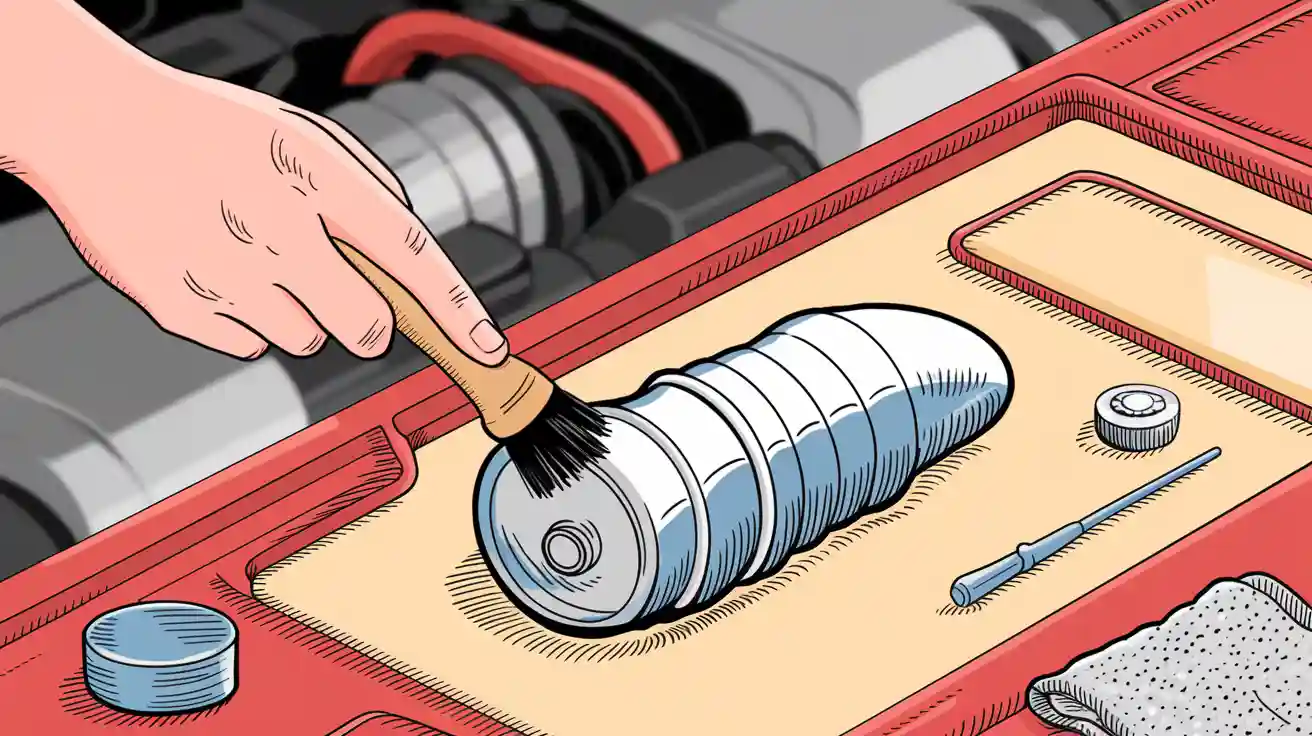
If you want to restore your air mass sensor’s performance, start by giving it a good clean. Most common problems come from things like oil, dirt, or carbon building up on the sensor. Sometimes, you might face issues from physical damage, old wiring, or just normal wear. Here are some typical causes:
- Dirt and debris clog the sensor.
- Physical bumps or drops damage it.
- Worn wires or connectors stop it from working right.
- Age and tough conditions break down parts.
You usually need only basic tools and some patience to get your sensor working again.
Key Takeaways
- Regularly clean your air mass sensor every 30,000 to 50,000 miles to maintain engine performance and fuel efficiency.
- Use the right cleaning products specifically designed for mass air flow sensors to avoid damage and ensure effective cleaning.
- Test your car after cleaning the sensor to confirm improvements in engine performance and fuel consumption.
- Address any signs of sensor failure, such as rough idling or poor fuel economy, promptly to prevent further engine issues.
- Perform routine inspections of the air intake system to catch potential problems early and extend the life of your sensor.
Air Mass Sensor Basics
What It Does
You might wonder what the air mass sensor actually does under your hood. This small part, also called the mass air flow sensor, measures how much air goes into your engine. The sensor sends this information straight to your car’s engine control unit (ECU). The ECU uses the data to figure out how much fuel to inject. When the mass air flow sensor works well, your engine gets the right mix of air and fuel. That means your car runs smoothly and doesn’t waste gas.
Tip: If you keep your mass air flow sensor clean, you help your engine get the best performance possible.
Why It Matters
The air mass sensor isn’t just another part. It plays a big role in how your car drives and how much fuel you use. Here’s why you should care:
- A clean and working mass air flow sensor helps your car use fuel efficiently.
- Accurate air measurement lets the ECU deliver the right amount of fuel, so your engine burns it better.
- If the sensor fails, you might notice rough idling or your car using more gas than usual.
- Problems with the sensor can make your car pollute more, since the air-fuel mix gets out of balance.
You don’t want to ignore a faulty sensor. If it misreads the air intake, your engine might get too much or too little fuel. That can lead to more emissions and more trips to the gas station. Keeping your air mass sensor in good shape means you save money and help the environment.
Clean Air Mass Sensor
Tools Needed
Before you start, gather everything you need. You don’t want to stop halfway because you forgot a tool. Here’s a quick list:
- Screwdriver (usually Phillips or flathead, depending on your car)
- CRC Mass Air Flow Sensor Cleaner or Berryman® Mass Air Flow Sensor Cleaner
- Towel or rag for catching drips
- Gloves for safety
If you can’t find a dedicated maf cleaner, you can use throttle body cleaner. Brake cleaner works as a last resort, but it’s not ideal. Always choose a product that’s safe for plastic and leaves no residue.
Tip: Using the right cleaner helps protect the sensitive parts inside your air mass sensor.
Here’s a table showing two top choices for cleaning agents:
| Product Name | Description | Key Features |
|---|---|---|
| Berryman® Mass Air Flow Sensor Cleaner | Specially formulated cleaner for maf sensors | Fast-drying, residue-free, VOC compliant |
| CRC Mass Air Flow Sensor Cleaner | Effective cleaner for maf sensors | Plastic safe, clear colorless liquid |
Safety Steps
Safety comes first. You want to avoid damaging your mass air flow sensor or hurting yourself. Follow these steps:
- Turn off your engine and let it cool down.
- Disconnect the battery to prevent electrical shocks.
- Put on gloves to keep your hands clean and safe.
- Work in a well-ventilated area. The cleaner can smell strong.
Note: Never use compressed air or touch the wires inside the maf sensor. They break easily.
Removal Process
You need to remove the air mass sensor carefully. Rushing can break it. Here’s how you do it:
- Locate the maf sensor. It sits between the air filter box and the throttle body.
- Unplug the wiring harness gently.
- Use your screwdriver to loosen the screws or clamps holding the sensor.
- Lift the sensor out slowly. Don’t twist or force it. If it feels stuck, wiggle it gently.
If your sensor isn’t causing problems, you might want to leave it alone. Removing it always carries a small risk of damage.
Tip: Avoid forcing any part. If you feel resistance, double-check for hidden screws or clips.
Cleaning Steps
Now you’re ready to clean the mass air flow sensor. Follow these steps for the best results:
- Hold the maf sensor over a towel or rag.
- Shake your maf cleaner well.
- Spray 10 to 15 short bursts onto the hot wire or hot plate inside the sensor. Keep the spray straw about 4 to 5 inches away.
- Make sure you cover all sides, but don’t soak the sensor.
- Avoid touching the wires or using a brush.
If you don’t have maf cleaner, use throttle body cleaner. Only use brake cleaner if you have no other choice.
Callout: The goal is to clean away dust, oil, and carbon without leaving any residue or damaging the sensor.
Drying and Reinstalling
Let the mass air flow sensor dry completely before you put it back. This step is important. If you rush, you might cause problems.
- Set the sensor aside in a clean spot.
- Wait a few minutes until it feels dry to the touch.
- Don’t use compressed air or heat to speed up drying.
Once dry, reinstall the sensor by reversing the removal steps. Plug in the wiring harness and tighten the screws. Reconnect your battery.
Tip: Always double-check your work before starting the engine. A clean and dry maf sensor helps your car run better.
Check Mass Air Flow Sensor Results
Test After Cleaning
You finished cleaning your maf sensor. Now, you want to see if your hard work paid off. Start your engine and let it idle for a minute. Listen for any strange sounds. If your car used to stall or hesitate, pay attention to those spots. Take a short drive around your block. Notice how your car responds when you press the gas pedal. You can also check your dashboard for warning lights. If you have a scan tool, plug it in and look for error codes related to the maf sensor. Most drivers see results right away after a good clean.
Tip: Always test your car in a safe area after working on the mass air flow sensor.
Signs Cleaning Worked
You might wonder what success looks like after cleaning your maf sensor. Here are some signs that show your mass air flow sensor is back in action:
- Engine runs evenly
- Restoration of power
- Normal fuel consumption
If you notice these changes, you did a great job. Your car should feel smoother and more responsive. You might even see better gas mileage. If your engine still acts up, you may need to look deeper.
When to Repair or Replace
Sometimes, cleaning your maf sensor does not fix the problem. You should think about repair or replacement in these cases:
- If cleaning does not resolve the issue.
- If the sensor is physically damaged, such as having cracked housings or broken internal components.
- If there are recurring issues despite multiple cleanings.
If you spot cracks or broken parts on your air mass sensor, cleaning will not help. You need a new sensor. If your car keeps having the same problems after you clean the maf sensor several times, it is time to replace it. You can try simple repairs, but most drivers find replacement easier and more reliable.
Note: Always choose a quality replacement part for your mass air flow sensor. Cheap sensors can cause more trouble down the road.
Replace or Repair MAF Sensor
Simple Repairs
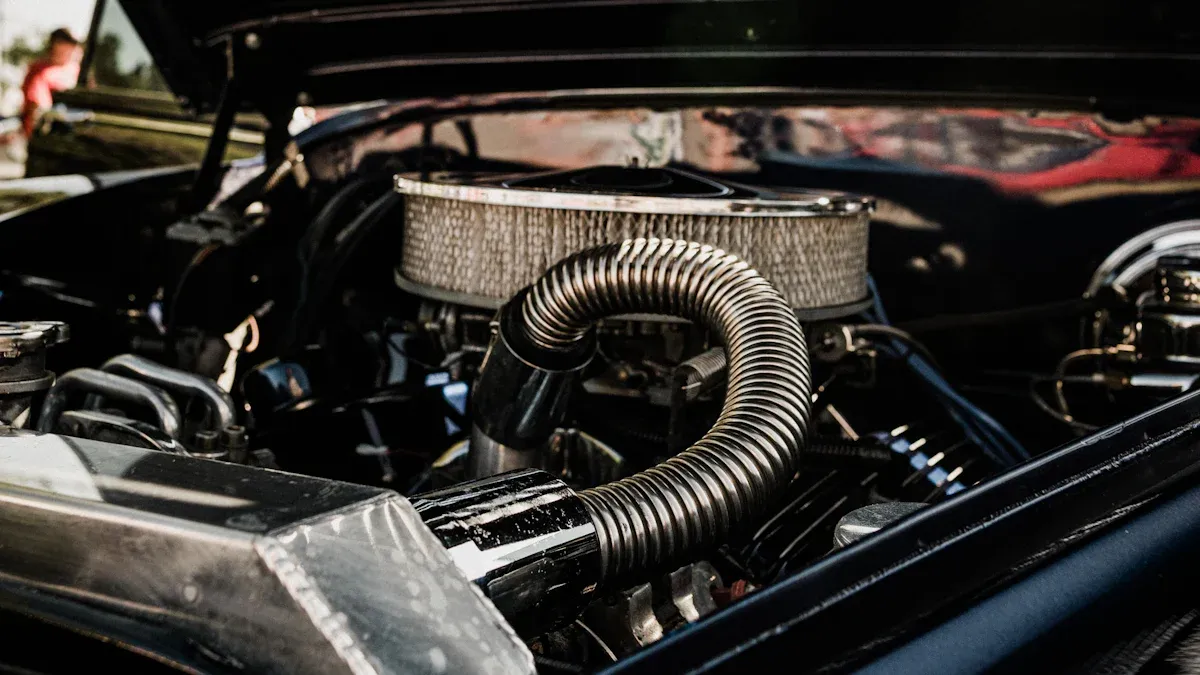
Sometimes, you can fix a maf sensor with a simple repair. Most of the time, cleaning gives you a quick improvement. If you notice your car running rough or using more gas, try cleaning the maf first. This works best when you see dirt or oil on the sensor. If cleaning does not help, you might need to replace the sensor.
Here’s a quick look at how common repairs stack up:
| Repair Type | Success Rate |
|---|---|
| Cleaning | Temporary improvement, generally less reliable |
| Replacement | Recommended for confirmed faults, more reliable |
You can see that cleaning helps for a while, but it does not always last. When you have a confirmed problem, you should replace the maf sensor for a more reliable fix.
Tip: If you spot broken wires or cracks, skip repairs and go straight to replacement.
Choosing a Replacement
Picking the right maf sensor for your car matters a lot. You want your engine to run smoothly and avoid future problems. Here’s what you should do before you replace your maf:
- Diagnose the actual fault. Make sure the maf is the real problem.
- Check the whole air intake system. Look for leaks or cracks that let in unmetered air.
- Replace the air filter at the same time. This helps your new maf work better.
- Make sure the sensor fits your car’s make and model.
- Use an OEM or high-quality aftermarket part. Cheap sensors can cause more trouble and may void your warranty.
- Confirm that your intake system has not been changed in a way that affects airflow.
- Keep the airflow smooth and steady for the most accurate readings.
- After you install the new maf, do a road test to help your car’s computer adjust.
- Use a scan tool to reset base idle or other settings if needed.
Note: Using the right part protects your warranty and keeps your car running its best.
Replacement Steps
Ready to replace your maf sensor? You can do this job at home with some basic tools. Here’s a step-by-step guide:
- Gather your tools. You’ll need a socket set, torque wrench, screwdrivers, and an OBD-II code scanner. Wear gloves and safety glasses.
- Disconnect the battery. Find the maf sensor between the airbox and the throttle body.
- Unplug the electrical connector. Take a picture so you remember how it goes back.
- Remove the old maf sensor. Loosen the screws or clamps and lift it out.
- Install the new maf sensor. Make sure it faces the right way. Tighten the fasteners to the specs in your manual.
- Reconnect the electrical connector and battery.
- Use your OBD-II scanner to clear any error codes.
- Take your car for a test drive. Listen for smooth running and check for warning lights.
Callout: Always double-check your work before you start the engine. A secure and well-fitted maf sensor makes a big difference.
Testing After Replacement
After you replace your maf sensor, you want to make sure everything works right. Here’s how you can test your work:
- Start your engine and let it idle. Listen for smooth sounds.
- Take your car for a drive. Notice if it feels more powerful or uses less gas.
- If you have a scan tool, check for any new error codes.
- Try unplugging the maf sensor while the engine runs. If the engine stumbles or stalls, your new sensor works.
- Never tap or hit the sensor. This can break it, especially on newer cars.
Note: If you use a high-quality mass air flow sensor and follow these steps, you help your car run better and protect your warranty. Ignoring maf problems can lead to bigger engine trouble that your warranty might not cover.
MAF Sensor Maintenance Tips
Cleaning Frequency
You might wonder how often you should clean your maf sensor. Automotive experts recommend cleaning the sensor every 30,000 to 50,000 miles. This schedule fits most drivers and helps keep your engine running smoothly. If you drive in dusty or humid areas, you may need to clean the maf more often. Humidity can cause water vapor to build up on the sensor, which makes it less sensitive and slows its response. Dust and moisture also change the sensor’s electrical properties, so regular maintenance becomes even more important. Keeping up with this routine helps you avoid bigger problems down the road.
Regular cleaning means you get better fuel efficiency, smoother engine performance, and fewer costly repairs.
Preventive Care
Taking care of your maf sensor doesn’t stop at cleaning. You can do a few simple things to make sure your sensor lasts longer and works better:
- Inspect the sensor and air intake system often. Catching problems early saves you trouble.
- Clean the sensor probe the right way. Use a proper cleaner and avoid touching the delicate parts.
- Replace or clean the air filter regularly. A clean filter keeps dirt and oil away from the maf.
- Check for leaks in the intake system. Leaks let in unmetered air, which confuses the sensor.
- Prevent oil contamination. Keep PCV valves in good shape and think about using an oil catch can.
- Protect the sensor during long-term storage. Seal the intake to block moisture and dirt.
If you follow these steps, you help your maf sensor stay accurate and reliable.
Recommended Products
Choosing the right products makes a big difference when you clean your maf sensor. Automotive professionals suggest using cleaners that are safe for all parts of the sensor and the engine. Here’s a quick look at two top picks:
| Product Name | Description |
|---|---|
| BG Mass Air Flow Sensor Cleaner | Cleans hot wires, plastics, rubbers, and all associated materials. Safe for oxygen sensors and catalytic converters. Recommended use every 15,000 miles (24,000 km). |
| Gumout Professional Formula MAF Cleaner | Safely cleans gas and diesel MAF Sensors, restoring functionality and ensuring optimal air-to-fuel ratio. Recommended during air filter service. |
You can find these products at most auto parts stores. Using the right cleaner helps your maf sensor work its best and keeps your engine happy. 😊
You can restore your air mass sensor’s performance by following a few simple steps. Start with cleaning, then test your results, and replace the sensor if needed. Regular maintenance keeps your engine running smoothly and helps prevent costly repairs. Here are some key points to remember:
- Consistent testing and calibration make your sensor more reliable.
- Regular cleaning stops contamination and protects your engine.
- Ignoring sensor problems can lead to fuel waste and damage other parts.
- Most tasks only need basic tools and a little patience. 😊
FAQ
How often should you clean your air mass sensor?
You should clean your air mass sensor every 30,000 to 50,000 miles. If you drive in dusty or humid areas, clean it more often. Regular cleaning helps your engine run smoother and saves you money on gas.
Can you use any cleaner for the mass air flow sensor?
You should use a cleaner made for mass air flow sensors. Throttle body cleaner works if you cannot find the right product. Brake cleaner is a last resort. Using the wrong cleaner can damage the sensor.
What are signs your air mass sensor needs attention?
Your car may run rough or lose power. You might notice poor fuel economy. Sometimes, the check engine light turns on. These signs mean you should inspect and clean your air mass sensor.
Is it safe to drive with a faulty air mass sensor?
You can drive for a short time, but you risk engine damage and higher fuel costs. Your car may stall or run poorly. Fix the problem soon to avoid bigger issues.
Do you need special tools to replace the sensor?
You only need basic tools like screwdrivers and a socket set. Gloves help keep your hands clean. Most people can replace the sensor at home with patience and care.