What to Watch for When Your Vehicle Shows Cam Sensor Fault Symptoms
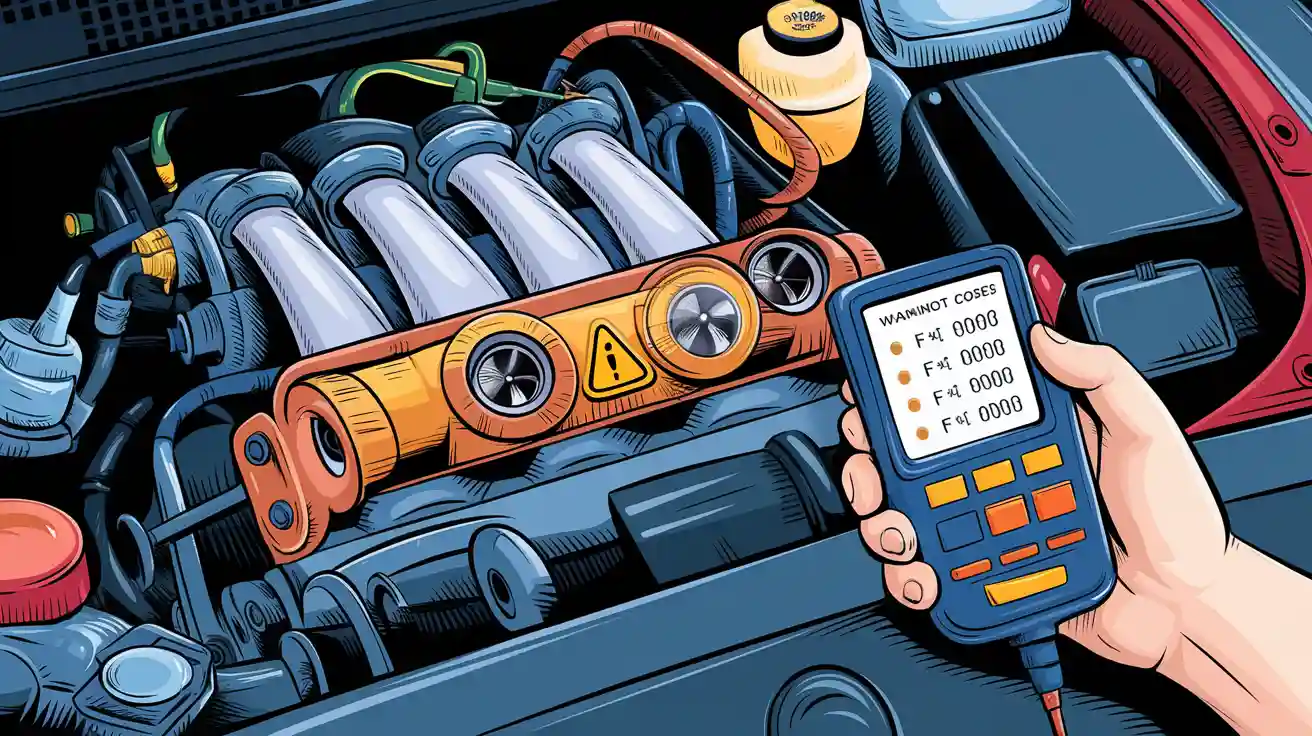
You may notice cam sensor fault symptoms such as:
- check engine light coming on
- rough idle or engine shaking
- poor acceleration
- engine stalling
Spotting these symptoms early keeps you safe and helps you avoid expensive repairs. Replacing a camshaft position sensor usually costs between $205 and $312, but ignoring cam sensor fault symptoms can lead to repairs on other engine parts, which may cost much more. Recognizing common symptoms gives you a chance to act before the problem gets worse.
Key Takeaways
- Watch for warning signs like the check engine light, rough idle, poor acceleration, and engine stalling to catch cam sensor problems early.
- The camshaft position sensor helps your engine run smoothly by controlling timing for fuel injection and ignition.
- Ignoring cam sensor faults can cause engine misfires, lower fuel efficiency, and costly repairs.
- Use an OBD-II scanner and inspect the sensor wiring to diagnose cam sensor issues before replacing parts.
- Fix cam sensor problems quickly to avoid engine damage, improve safety, and save money on repairs.
Camshaft Position Sensor
Role in Engine Timing
You rely on the camshaft position sensor every time you start your vehicle. This sensor monitors the position and speed of the camshaft as it rotates. It sends signals to the engine control unit (ECU), which uses this information to control when each valve opens and closes. The camshaft position sensor works with the crankshaft position sensor to help the ECU decide the exact timing for fuel injection, spark ignition, and valve movement. When the camshaft position sensor works correctly, your engine runs smoothly and efficiently.
- The camshaft position sensor tracks the camshaft’s rotation and speed.
- It helps the ECU synchronize fuel injection and ignition timing.
- The sensor allows the ECU to adjust valve timing for better combustion and power.
- It helps prevent engine misfires and timing errors.
Tip: If the camshaft position sensor fails, your engine may struggle to start or run roughly. You might notice poor acceleration or stalling.
Why It Matters
The camshaft position sensor plays a key role in keeping your engine healthy. Accurate data from the camshaft position sensor lets the ECU control fuel injection and ignition at the right moments. This means your engine burns fuel efficiently and produces fewer harmful emissions. In engines with variable valve timing, the camshaft position sensor helps adjust valve movement to match driving conditions. This improves fuel economy and reduces pollution.
If the camshaft position sensor sends incorrect signals, you may experience rough idling, engine misfires, or poor engine performance. Problems like oil leaks, metal shavings, or worn wiring can damage the camshaft position sensor and cause timing errors. These issues can lead to higher fuel consumption, increased emissions, and costly repairs. You keep your engine running smoothly and avoid trouble when you pay attention to the camshaft position sensor.
| Function of Camshaft Position Sensor | Impact on Engine |
|---|---|
| Monitors camshaft position & speed | Smooth operation |
| Sends data to ECU | Accurate timing |
| Controls valve timing | Better efficiency |
| Prevents misfires | Reliable starts |
Common Cam Sensor Fault Symptoms
When your vehicle develops cam sensor fault symptoms, you may notice several warning signs. These symptoms often appear together and can signal serious engine issues. Recognizing them early helps you avoid poor engine performance and costly repairs.
Check Engine Light
The check engine light is usually the first sign of trouble. Your vehicle’s Powertrain Control Module (PCM) constantly monitors the camshaft position sensor and its wiring. When the PCM detects a problem, it turns on the check engine light and stores a diagnostic trouble code. The most common code for camshaft position sensor issues is the p0340 code. This code means the PCM has found a malfunction in the camshaft position sensor circuit. You might also see codes from p0341 to p0349, which relate to other sensor circuit problems. When the check engine light comes on, you should not ignore it. The light warns you about possible engine timing and performance issues. If you keep driving with this warning, you risk poor engine performance and more expensive repairs.
Note: The check engine light often comes on right away when the camshaft position sensor fails. Always check for stored codes like p0340 code to help diagnose the problem.
Rough Idle and Engine Shaking
A faulty camshaft position sensor can cause rough running and engine shaking. You may feel the engine vibrate or notice the idle speed jumping up and down. This happens because the sensor sends incorrect data to the engine control unit, which then struggles to control fuel injection and ignition timing. The result is unsynchronized combustion, which makes the engine run unevenly. You might hear choppy sounds or feel the car shake, especially when stopped at a light. Rough idle and engine shaking are common symptoms that point to timing problems and poor engine performance.
| Symptom | Cause | Effect on Engine |
|---|---|---|
| Rough idle | Sensor sends wrong timing data | Unstable idle, choppy sound |
| Engine shaking | Poor fuel injection and ignition timing | Vibrations, rough running |
Poor Acceleration and Power Loss
You may notice your car feels sluggish or slow to respond when you press the gas pedal. Poor acceleration and power loss happen because the camshaft position sensor cannot send accurate data to the engine computer. The engine control unit cannot properly time fuel injection or spark, so the engine loses power. You might also feel the car hesitate or jerk during acceleration. Sometimes, the engine enters limp mode to protect itself, which limits speed and power. Poor engine performance in these situations makes driving less safe and enjoyable.
- The camshaft position sensor helps the engine control unit regulate fuel injection, ignition timing, and valve timing.
- When the sensor fails, the engine cannot synchronize these functions, leading to slow acceleration and reduced power.
- You may also notice rough running, stalling, or the engine unable to reach normal RPMs.
Engine Stalling or No Start
Engine stalling is a serious symptom of cam sensor fault symptoms. Your engine may suddenly stop running while you drive or idle. In some cases, the engine dies and refuses to restart. This happens because the camshaft position sensor cannot provide the correct timing information for fuel injection and ignition. The engine control unit cannot keep the engine running, so it stalls. If the sensor fails completely, you may find yourself unable to start the engine at all. Hard starts or cranking for a long time before the engine fires up can also point to this problem. If your vehicle stalls or is hard to start, you should check for the p0340 code and related trouble codes.
🚨 If your engine stalls or you are unable to start your car, you may have a failed camshaft position sensor. Do not ignore these signs, as they can leave you stranded.
Misfiring and Jerking
Misfiring and jerking are common symptoms of a bad camshaft position sensor. You may feel the engine hesitate, jerk, or shake when you accelerate. This happens because the engine control unit receives incorrect or missing data about the camshaft’s position. The result is poor ignition timing and fuel injection, which causes the engine to misfire. Misfiring can also lead to rough running, vibrations, and even stalling. Sometimes, you may notice the car sputters or loses power during driving. These symptoms often appear with the p0340 code and other related trouble codes.
- Misfiring and jerking can make your car hard to control and reduce safety.
- These symptoms can also come from other engine problems, so always check for trouble codes and inspect the camshaft position sensor and its wiring.
Poor Fuel Efficiency
A faulty camshaft position sensor can make your fuel economy plummet. The engine control module relies on the sensor to time fuel injection for efficient combustion. When the sensor fails, the engine may inject too much or too little fuel. This leads to incomplete combustion, wasted fuel, and higher emissions. You may notice you need to fill up more often, or your car fails an emissions test. Poor fuel efficiency often appears with other symptoms like rough running, hesitation, and poor engine performance. If you see the check engine light and notice your fuel economy dropping, check for the p0340 code and inspect the camshaft position sensor.
Tip: If your car’s fuel economy plummets and you notice other cam sensor fault symptoms, act quickly to avoid further damage and higher repair costs.
Diagnosing Bad Camshaft Position Sensor
Trouble Codes
When your check engine light comes on, you should use a scan tool to check for trouble codes. The p0340 code is the most common code for a camshaft position sensor circuit malfunction. This code tells you that the powertrain control module has found a problem in the sensor’s circuit. The p0340 code often points to a wiring issue, a sensor failure, or a problem with the powertrain control module itself. You may also see other codes, but the p0340 code is a reliable sign of a camshaft position sensor circuit malfunction. To diagnose the p0340 code, you need to look beyond the code itself. Always inspect the wiring, connectors, and sensor placement. Sometimes, the powertrain control module may set the p0340 code if there is a timing chain issue or a problem with the crankshaft sensor. You should confirm the code with a physical inspection and testing before you replace any parts.
Note: The p0340 code can appear if you have a bad camshaft position sensor, but it can also show up with wiring faults or a circuit malfunction in the powertrain control module.
Sensor Testing Steps
You can diagnose a faulty camshaft position sensor by following these steps:
- Use an OBD-II scanner to retrieve the p0340 code and any related codes from the powertrain control module.
- Perform a visual inspection of the sensor wiring and connectors. Look for damage, corrosion, or loose connections that could cause a circuit malfunction.
- Repair any wiring or connector issues, then clear the p0340 code and see if it returns.
- Identify the sensor type (magnetic or Hall effect) using your vehicle’s manual.
- Use a digital multimeter to check voltage and resistance at the sensor terminals. For a magnetic sensor, measure resistance (should be 1-4 kOhms). For a Hall effect sensor, check for a 5 or 12-volt supply and a fluctuating signal when the engine runs.
- Compare your readings to the manufacturer’s specifications. If the readings are outside the normal range or the signal is missing, the camshaft position sensor is likely faulty.
- Remove the sensor and inspect it for physical damage or contamination.
You may also use an oscilloscope for a more detailed diagnostic, but a multimeter works for most cases. Always refer to your service manual for exact testing procedures.
| Tool | Purpose |
|---|---|
| OBD-II Scanner | Reads the p0340 code and other trouble codes |
| Digital Multimeter | Measures voltage and resistance |
| Service Manual | Provides wiring diagrams and specifications |
When to Get Help
If you continue to see the p0340 code after basic repairs, or if your vehicle stalls, jerks, or will not start, you should seek professional help. Severe symptoms like engine stalling or rough idling can put you at risk on the road. A mechanic can use advanced diagnostic tools to diagnose the p0340 code, check for circuit malfunction, and test the powertrain control module. If you need a replacement for the camshaft position sensor or repairs to the timing chain, a professional will ensure the job is done right. Ignoring these problems can lead to more expensive repairs and safety hazards.
🚨 Driving with a faulty camshaft position sensor or ignoring the p0340 code can cause sudden engine shutdowns, which may lead to accidents or leave you stranded. Always act quickly to diagnose and fix the issue.
| Symptom / Issue | Safety Risk / Impact | Repair Cost / Mechanical Impact |
|---|---|---|
| Rough Idling | Engine may stall at red lights or in traffic, causing unsafe situations | Prolonged rough idling can damage ignition and fuel system components, increasing repair costs |
| Difficulty Starting | Extended cranking or failure to start can leave you stranded | Strain on battery and starter motor may cause premature failure, leading to additional repair expenses |
| Jerking or Stalling While Driving | Sudden power loss or stalling at highway speeds or intersections poses serious safety hazards | Faulty sensor signals can cause poor drivability and transmission issues, leading to costly engine and transmission repairs |
You protect your vehicle and your wallet when you act quickly on cam sensor fault symptoms. Ignoring these signs can lead to engine misfires, poor fuel efficiency, and even severe engine damage that costs thousands in repairs.
Delaying replacement may cause timing chain failure or internal engine damage, while prompt replacement keeps your engine running smoothly and reduces long-term expenses.
If you notice rough idling, stalling, or the check engine light, use an OBD-II scanner and inspect the sensor. Always replace the camshaft position sensor if diagnostics confirm failure. Timely replacement prevents breakdowns and keeps your car safe.
FAQ
What happens if you ignore cam sensor fault symptoms?
If you ignore these symptoms, your engine may stall or fail to start. You risk damaging other engine parts. Repair costs can increase quickly. Always address warning signs early.
Can you drive with a bad camshaft position sensor?
You can drive for a short time, but it is not safe. Your engine may stall or lose power. You could get stranded. Fix the sensor as soon as possible.
How much does it cost to replace a camshaft position sensor?
| Service Type | Typical Cost (USD) |
|---|---|
| Sensor Replacement | $205 – $312 |
| Additional Repairs | Higher |
Prices may vary by vehicle and location.
Will a bad cam sensor always trigger a check engine light?
A faulty cam sensor usually triggers the check engine light. Sometimes, you may notice rough running or stalling before the light appears. Always scan for trouble codes if you suspect a problem.
Can you test a camshaft position sensor at home?
- Yes, you can test it at home.
- Use an OBD-II scanner and a digital multimeter.
- Check for trouble codes and measure voltage or resistance.
- Always follow your vehicle’s manual for exact steps.