Making the Best Choice Brushless vs Brushed Motor Comparison
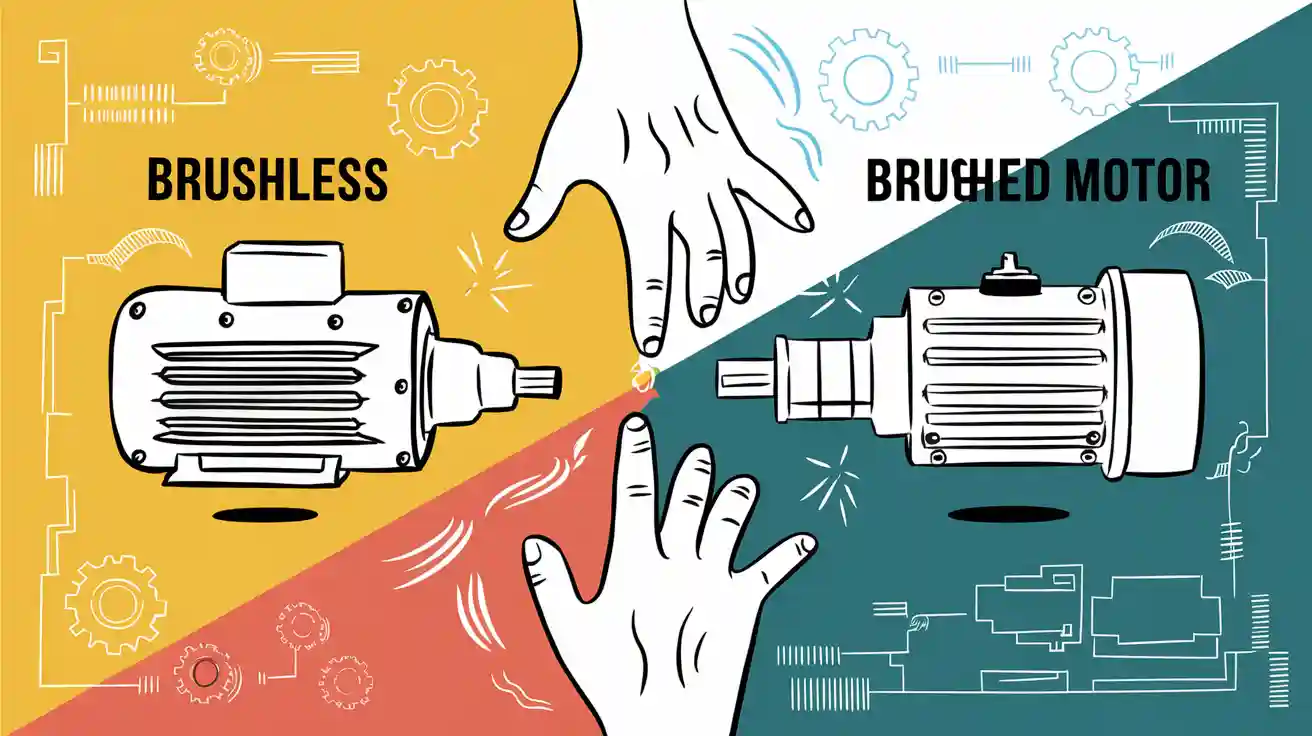
If you want the highest efficiency and the longest lifespan, you should choose a brushless motor. A brushless motor runs quietly, uses less energy, and needs less maintenance. If you need a lower upfront cost or want a simple setup, a brushed motor may fit your needs. The main differences between the two come down to efficiency, maintenance, and control. The table below shows how brushless vs brushed motor options compare:
Feature | Brushless Motor | Brushed Motor |
|---|---|---|
Efficiency | Lower efficiency | |
Lifespan | About 1,500 hours | |
Maintenance | Low; fewer wearing parts | High; brushes wear out |
Noise | Quiet | Noisier |
Cost | Higher upfront, lower over time | Lower upfront, higher over time |
You can use these facts to quickly decide which motor type matches your needs.
Key Takeaways
Brushless motors offer higher efficiency, longer lifespan, and quieter operation than brushed motors.
Brushed motors cost less upfront and have a simpler design but need more maintenance and wear out faster.
Choose brushless motors for projects needing long life, low noise, and energy savings.
Pick brushed motors for budget-friendly, simple tasks where advanced features are not required.
Use the decision checklist to match your power, maintenance, noise, and cost needs with the right motor.
Brushless vs Brushed Motor Overview
Quick Comparison Table
You can quickly see the main differences between brushless and brushed motors in the table below. This table compares key features like efficiency, cost, maintenance, noise, weight, lifespan, and where you might use each type.
Feature | Brushless Motor | Brushed Motor |
|---|---|---|
Efficiency | High (less energy lost as heat) | Lower (more energy lost as heat) |
Cost | Higher upfront cost due to advanced materials and electronics | Lower upfront cost thanks to simple design and cheaper materials |
Maintenance | Very low; almost maintenance-free | |
Noise | Very quiet (20–26 dB); no brush friction | Noisier (at least 10 dB louder); brush friction and electrical noise |
Weight | Lighter rotor (uses permanent magnets) | Heavier rotor (uses windings and commutator) |
Lifespan | 10,000–25,000 hours (limited by bearings) | 1,000–5,000 hours (limited by brush wear) |
Typical Applications | Drones, computer fans, RC vehicles, high-end tools, automotive pumps and fans | Power tools, automotive windows/seats, robotics, medical devices, appliances |
Tip: Brushless motors last much longer and need less care, but brushed motors can save you money if you do not need high performance.
Main Differences
When you compare brushless vs brushed motor designs, you notice some important differences in how they work and what they need to run.
Design and Operation:
Brushed motors use mechanical brushes and a commutator to switch the current in the rotor. These brushes touch the spinning part, which causes friction, heat, and wear. This design makes brushed motors simple and easy to use, but it also means you must replace the brushes often.
Brushless motors do not have brushes. Instead, they use an electronic controller to switch the current. This controller uses sensors or special software to keep the motor spinning smoothly. Because there are no brushes, brushless motors run with less friction, make less noise, and last much longer.Efficiency and Performance:
Brushless motors waste less energy as heat. You get more power for the same amount of electricity. The electronic controller also lets you control speed and torque more precisely. Brushed motors lose more energy to friction and heat, so they are less efficient.Cost and Complexity:
Brushless motors cost more to make. Manufacturers use CNC machining for parts like aluminum housings and steel shafts. They also use high-quality materials, which adds to the price. The electronic controller adds even more cost and complexity. Brushed motors use pressed and stamped parts, which are cheaper to produce. You pay less at first, but you may spend more on maintenance over time.Maintenance Needs:
You almost never need to service a brushless motor. There are no brushes to wear out, so you avoid regular downtime. Brushed motors need frequent maintenance. You must check and replace the brushes to keep the motor running well. This can be a problem if you use the motor for long hours or in a busy factory.Noise and Smoothness:
Brushless motors are much quieter. They usually run at about 20 to 26 decibels, which is softer than a whisper. Brushed motors are at least 10 decibels louder because the brushes make noise as they rub against the commutator. This difference matters if you want a quiet machine.Lifespan:
Brushless motors can last over 10,000 hours, and some reach up to 25,000 hours. The main thing that wears out is the bearing. Brushed motors usually last between 1,000 and 5,000 hours because the brushes wear down and need replacing.Applications:
You find brushless motors in drones, computer fans, and high-end tools where you need quiet, long life, and high efficiency. Brushed motors are common in power tools, car windows, and simple robots where cost matters more than performance.
Note: The brushless vs brushed motor choice depends on what you need most—low cost and simple setup, or high performance and long life.
The brushless vs brushed motor debate centers on these core differences. Brushless motors give you better efficiency, less noise, and longer life, but you pay more and need an electronic controller. Brushed motors are simple and cheap, but they need more care and do not last as long. When you know these facts, you can pick the right motor for your project.
How Motors Work
Brushed Motor
A brushed motor uses a simple design that helps you understand how electric motors create motion. Here is how it works:
1. The commutator and brushes act as a sliding electrical switch. They deliver current to the rotor windings. 2. When you apply DC voltage across the brushes, current flows through the rotor coils. This energizes the coils and creates magnetic poles. 3. These magnetic poles interact with the permanent magnets in the stator. This interaction produces torque, which makes the rotor shaft spin. 4. The commutator reverses the current direction in the rotor coils at the right time. This keeps the rotor turning in the same direction. 5. If the commutator and brushes lose contact, the current stops for a moment. The rotor keeps spinning because of momentum until contact returns, so the rotation continues.
You can use the right-hand rule to figure out the direction of rotation and torque. The commutator and brushes must switch the current direction in sync with the rotor’s position. This process, called commutation, is what makes a brushed motor unique and keeps it running smoothly.
Brushless Motor
A brushless motor works differently. You do not find brushes or a commutator inside. Instead, an electronic controller manages the flow of electricity. The controller sends current to coils in the stator, creating a rotating magnetic field. Permanent magnets on the rotor follow this field, causing the rotor to spin. Sensors or special software help the controller know the rotor’s position. This setup gives you smooth, quiet operation and precise control. You get less friction and wear, which means a brushless motor lasts longer and needs less care. Many modern devices use a brushless motor because it offers high efficiency and reliable performance.
Performance and Energy Efficiency
Power and Speed
When you compare brushless and brushed motors, you notice big differences in power and speed. Brushless motors give you more power for the same size. You get higher efficiency, sometimes up to 90%, which means more of the electricity turns into useful work. Brushed motors usually stay below 75% efficiency, so they waste more energy as heat.
Brushless motors run cooler because they have less friction and no brush arcing. This lets you use them at higher speeds for longer periods.
You can find brushless motors in many shapes, like inrunner and outrunner types. This gives you more choices for speed and acceleration, depending on your needs.
Brushed motors have brushes that touch the spinning part. This contact causes friction and limits how fast the motor can go. Over time, the brushes wear out, which lowers performance.
You get better control with brushless motors because they use electronic controllers. This helps you adjust speed and power more precisely. In a performance comparison, brushless motors win in both power output and speed ratings.
Energy Efficiency
Energy efficiency matters when you want to save power and reduce waste. Brushless motors lead in this area. They usually reach energy efficiency rates between 85% and 90%. This means almost all the electricity you use turns into motion. Brushed motors only reach about 75% to 80% efficiency. The design of brushless motors, with no brushes or commutators, helps them avoid energy loss. You get more work done with less electricity, which saves you money and helps the environment.
Heat and Noise
Heat and noise can affect how well your motor works and how long it lasts. Brushed motors create a lot of heat because the brushes rub against the commutator. This friction not only wastes energy but also makes the motor louder. You might notice more noise and even a burning smell if the motor gets too hot.
Brushless motors stay cooler since they do not have brushes. The only friction comes from the bearings, which is much less.
Less heat means less wear and tear, so your motor lasts longer.
Brushless motors also run much quieter. You can use them in places where noise matters, like in drones or computer fans.
If you want a motor that stays cool and quiet, brushless motors are the better choice. They handle heat better and keep working well for a long time.
Durability and Maintenance
Lifespan
When you choose a motor, you want it to last as long as possible. The lifespan of a brushed motor depends on the brushes inside. These brushes wear down every time you use the motor. Most brushed motors need new brushes every 2 to 7 years, depending on how hard you use them. If you forget to replace the brushes, the motor can stop working.
A brushless motor does not have brushes that wear out. This design helps it last much longer. In many cases, you can use a brushless motor for years with almost no problems. The only part that usually wears out is the bearing. Because of this, you often see longer warranty periods for brushless motors.
Here is a quick look at how the two types compare:
Aspect | Brushless Motors | Brushed Motors |
|---|---|---|
Lifespan | Longer operational life, no brush erosion | Limited by brush wear; brushes need replacement every 2 to 7 years |
Warranty Period | Typically longer due to reliability | 2 to 5 years; longer claims need brush replacement |
If you want a motor that keeps running for many years with little worry, a brushless motor is the better choice.
Maintenance Needs
You need to think about how much time and effort you want to spend on maintenance. A brushed motor needs regular care. You must check the brushes and replace them when they wear out. This job can take time, and if you skip it, the motor may fail sooner.
Brushless motors make your life easier. You do not need to replace brushes, so you spend less time on upkeep. Most of the time, you only need to check the bearings and keep the motor clean. This low-maintenance design saves you both time and money.
Brushed motors:
Require brush replacement every few years
Need regular inspection for wear
Can stop working if you ignore maintenance
Brushless motors:
Need almost no maintenance
Only require occasional bearing checks
Offer higher reliability for long-term use
Tip: If you want less downtime and fewer repairs, pick a brushless motor for your project.
Cost and Value
Upfront Cost
When you shop for motors, you will notice a clear price difference. Brushless motors usually cost more at the start. This higher price comes from the advanced parts inside, like sensors and electronic controls. For example, brushless power tools often cost about 30% more than similar brushed tools. The extra cost pays for better performance and longer life.
Brushed motors have a lower initial price. The cost of brushed motors stays low because the design is simple and easy to make. You can buy these motors for less money, which helps if you have a tight budget or need many motors for a project.
Feature | Brushed DC Motors | Brushless DC Motors |
|---|---|---|
Cost | Lower initial cost | Higher upfront cost but saves money over time |
If you want to save money right away, brushed motors give you a budget-friendly option.
Long-Term Value
You should also think about how much you will spend over time. Brushless motors last much longer and need less care. You do not have to replace brushes or fix them as often. This means you save money on repairs and downtime. The higher upfront price often pays off because you do not need to buy new motors or parts as often.
Brushed motors may seem cheaper at first, but they need more repairs. You will spend money on new brushes and sometimes on fixing other parts. Over the years, these costs add up. Brushless motors use less energy, so you also save on electricity bills. Many people find that brushless motors give better value in the long run, even though they cost more at the start.
Tip: If you want a motor that saves you money over time, brushless motors are a smart choice.
Pros and Cons
Brushed Motor Pros and Cons
When you look at a brushed motor, you notice several strengths and weaknesses. Here are the main points to consider:
Pros:
You pay less upfront because the design is simple and does not need a control circuit.
You find these motors easily, which makes them cost-effective for many projects.
You can understand and operate them without much technical knowledge.
You can maintain them with basic tools, so repairs are straightforward.
Cons:
You must replace brushes regularly because they wear down from friction.
The friction between brushes and the commutator creates heat, which lowers efficiency and shortens the motor’s lifespan.
You need to lubricate bearings to prevent overheating and reduce friction.
Over time, you see performance drop and operational costs rise due to mechanical wear.
These motors make more electrical noise and cannot reach high speeds as easily because of brush arcing.
Even with good care, you cannot avoid the wear that limits how long the motor lasts.
If you want a simple and affordable solution for light-duty tasks, a brushed motor can work well, but you should expect more maintenance.
Brushless Motor Pros and Cons
A brushless motor offers a different set of advantages and challenges. Here is what you need to know:
Pros:
You get higher efficiency because there are no brushes to cause friction or energy loss.
The motor lasts longer since you do not have to worry about brush or commutator wear.
You spend less time and money on maintenance, which means fewer interruptions.
The design manages heat better, so the motor stays cool and reliable.
You experience less electrical noise, making these motors great for sensitive environments.
You can use them in sealed housings, which protects them from dust and dirt.
Cons:
You pay more upfront because the design is complex and needs extra control electronics.
You need a special drive circuit and sensors, which adds to the cost and makes repairs harder.
The manufacturing process uses high-performance magnets and precise assembly, which increases the price.
If you need a motor for high-performance, long-lasting, or low-maintenance applications, a brushless motor gives you the best results, but you should plan for a higher initial investment.
Brushed vs Brushless: Best Uses
Best for Brushless Motor
You should choose a brushless motor when you need high efficiency, long life, and quiet operation. These motors work best in situations where you want reliable performance with little maintenance. Many industries rely on brushless motors for their advanced features.
Medical equipment uses brushless motors because they deliver high torque, precise control, and quiet operation. This helps doctors and patients in sensitive environments.
Logistics and automated guided vehicles (AGVs) depend on brushless motors for smooth movement and long service life. These motors help keep warehouses and factories running efficiently.
Underwater vehicles and drones use brushless motors for stable, efficient, and quiet operation. This is important for research, exploration, and mapping tasks.
The space industry trusts brushless motors for cost-effective and reliable performance in satellites and other space equipment.
Home appliances like air conditioners, refrigerators, and electric fans benefit from brushless motors. You get quiet operation and better energy savings.
Commercial products such as laser printers, power tools, and drones rely on brushless motors for durability and precise control.
Precision devices, including hard drives and DVD players, use brushless motors for long life and low maintenance.
The automotive industry uses brushless motors in electric power steering, seat cooling fans, and automatic doors. These motors help make cars safer and more comfortable.
If you need a motor that runs quietly, lasts a long time, and saves energy, brushless motors are the best choice.
Best for Brushed Motor
You should pick a brushed motor when you want a simple, cost-effective solution. Brushed motors work well in many everyday applications. They are easy to use and maintain, which makes them a good fit for projects where you do not need advanced features.
Brushed DC motors are common in automotive auxiliary systems, industrial machines, and consumer electronics. You will find them in medical devices and renewable energy systems, too. These motors offer reliable performance where exact speed and torque control matter, but where you do not need the extra cost or complexity of a brushless motor.
Brushed motors are also ideal for rugged, low-cost portable devices. Field sampling pumps, basic dosing units, and disposable devices often use brushed motors. These motors perform well in tough environments where uptime is important and maintenance is manageable. Their simple design and lower price make them a smart choice for applications without complex control needs.
Choose a brushed motor if you want a durable, affordable motor for basic tasks and do not need high precision or minimal maintenance.
Decision Checklist
You can use this checklist to decide between a brushed vs brushless motor. Match your needs to the right type by considering these key points:
Check your power, torque, and speed needs. Make sure the motor can handle your application.
Look at the environment. Think about temperature, humidity, dust, and moisture. Pick a motor with the right protection.
Plan for cooling. Some motors need extra help to stay cool.
Make sure the motor works with your electronic components, like controllers and power supplies.
See if the manufacturer offers good support and clear instructions.
Think about maintenance. Decide if you want to spend time on repairs or prefer a low-maintenance option.
Review the motor’s technical details, such as Kv rating and torque constant, to match your project.
Consider noise and vibration. Choose a quiet motor for sensitive spaces.
Balance the cost. Weigh the upfront price against long-term savings from efficiency and low maintenance.
Look for customization or gearboxes if your project has special needs.
Use this checklist to make a smart choice. The right motor will help your project run smoothly and save you time and money.
You now know the key differences between brushed and brushless motors. Brushless motors give you higher efficiency, longer life, and quieter operation, but cost more. Brushed motors save you money upfront and work well for simple tasks. Use the checklist to match your needs.
Think about your budget, how much power you need, and how long you want the motor to last.
Consider if you want easy maintenance or advanced features.
Factor | Brushed Motor | Brushless Motor |
|---|---|---|
Lower | Higher | |
Maintenance | Needs more | Needs less |
Lifespan | Shorter | Longer |
Noise | Louder | Quieter |
Cost | Lower upfront | Higher upfront |
Share your experience or ask an expert if you need help choosing the right motor for your project!
FAQ
What is the main reason to choose a brushless motor?
You should pick a brushless motor if you want high efficiency, long life, and quiet operation. Brushless motors need less maintenance and save energy. They work best for projects where you want reliable and smooth performance.
Can you replace a brushed motor with a brushless motor?
Yes, you can swap a brushed motor for a brushless one. You must also add an electronic controller for the brushless motor. Check the size, voltage, and power to make sure the new motor fits your project.
Why do brushed motors wear out faster?
Brushed motors use brushes that touch moving parts. This contact causes friction and heat. Over time, the brushes wear down and need replacement. This limits how long the motor lasts.
Are brushless motors always better than brushed motors?
Brushless motors offer better efficiency and longer life. Brushed motors cost less and work well for simple tasks. You should choose based on your needs, budget, and how much maintenance you want to do.
Do brushless motors make less noise?
Yes, brushless motors run much quieter than brushed motors. You will notice less noise because there are no brushes rubbing inside. This makes brushless motors a good choice for quiet spaces.