AFCI vs GFCI How to Protect Your Home from Fire and Shock
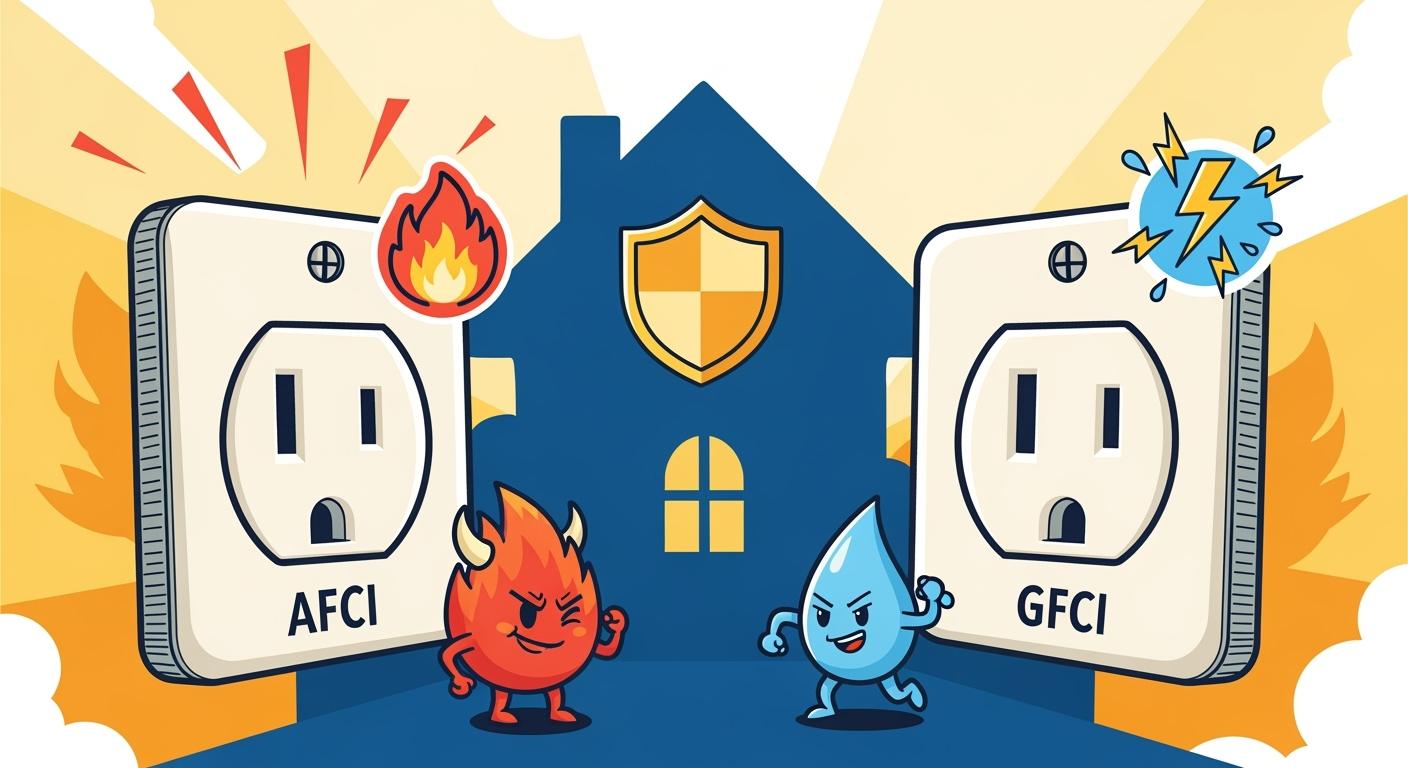
Safeguarding your home begins with understanding electrical safety. The key differences between an AFCI and a GFCI are straightforward. An AFCI gives you afci protection from electrical fires. A GFCI provides gfci protection from dangerous electric shock. A circuit breaker and ground-fault circuit interrupter, or GFCI, acts as your personal safety shield. An AFCI, on the other hand, protects the wiring inside your walls.
💡 Simple Analogy Think of an AFCI as a "fire prevention" system for your wiring. Think of a GFCI as a "personal safety" device for you and your family, especially around water.
Knowing how each device works is the first step toward ensuring your home has complete protection.
Key Takeaways
An AFCI protects your home from electrical fires. It stops dangerous sparks inside walls.
A GFCI protects you from electric shock. It is important in areas with water.
AFCI and GFCI devices work together. They give your home full electrical safety.
Dual-function breakers combine AFCI and GFCI protection. They offer both fire and shock safety in one unit.
Test your AFCI and GFCI devices every month. This makes sure they are working correctly.
The Key Differences: Fire vs. Shock
Understanding the key differences between these devices starts with knowing the specific dangers they prevent. An afci and a gfci each target a unique electrical hazard, making both essential for complete electrical safety in your home.
An afci is your first line of defense against electrical fires. These fires often start silently inside your walls from conditions you cannot see. Common causes include:
Damaged Wiring: Age, pests, or a misplaced nail can damage wire insulation, creating dangerous sparks (arc faults).
Faulty Outlets and Switches: Loose internal connections can overheat and ignite surrounding materials like wood or drywall.
Overloaded Circuits: Plugging too many high-power devices into one circuit generates intense heat, posing a serious fire risk.
An afci constantly monitors the circuit for these hazardous arcs and shuts the power off before a fire can start.
Remember: An AFCI protects your home's structure from fire.
A gfci, on the other hand, is your personal protector against electric shock. It is designed to save you from electrocution, especially in areas where electricity and water might meet. A gfci works by sensing imbalances in the electrical current. If electricity takes an unintended path—like through your body—the gfci cuts the power in a fraction of a second.
Common situations leading to electric shock include:
Wet Conditions: Using an appliance with wet hands or near a sink dramatically increases your risk of shock because water conducts electricity.
Faulty Appliances: An appliance with a frayed cord or damaged internal parts can leak electrical current.
Damaged Wiring: Exposed wires on an extension cord or appliance can deliver a dangerous shock if touched.
A gfci provides a critical safety net in these scenarios, making it a lifesaver.
What is AFCI Protection?
An arc fault circuit interrupter, or AFCI, is a smart device that provides advanced afci protection against electrical fires. The National Fire Protection Association reports that electrical arcing is the source of over 30,000 home fires each year. An afci can prevent 50% to 75% of these fires, saving lives and preventing billions in property damage. It acts as a vigilant guard inside your electrical panel or at your wall outlets.
How an AFCI Works
An afci constantly monitors the electrical circuit for dangerous arc faults. These are unintentional electrical sparks that can happen inside your walls. An arc fault circuit interrupter is designed to recognize the unique electrical signature of a hazardous arc and shut off the power before a fire can start.
Many things can cause these dangerous arcs:
Physical Damage: You might accidentally drive a nail into a wire while hanging a picture. Animals can also chew on wiring insulation.
Aged Wiring: Over time, the insulation on wires can become brittle, crack, and expose the conductor.
Loose Connections: Poorly secured connections at outlets, switches, or light fixtures can create tiny sparks that generate intense heat.
Cord Damage: Placing heavy furniture on an electrical cord or repeatedly bending it can damage the wires inside.
Modern arc fault circuit interrupters, known as Combination Arc Fault Circuit Interrupters (cafci), are highly sophisticated. A cafci uses special electronics to analyze the electrical current's sine wave. Normal appliances create predictable electrical patterns. A dangerous arc creates a unique, erratic pattern. The cafci is programmed to detect this hazardous signature. When a cafci identifies a dangerous arc, it instantly trips the circuit. This advanced cafci technology allows it to distinguish between harmless arcs, like those from a light switch, and dangerous ones that can ignite wood or insulation. A cafci is a key component for fire prevention. The cafci provides superior protection over older afci models. You can install a cafci breaker in your panel or use cafci-protected afci outlets.
Required Locations
The National Electrical Code (NEC) sets the standard for electrical safety in new homes. The code requires afci protection on all 15- and 20-amp, 120-volt circuits that supply power to outlets in most living areas. This includes receptacles, switches, and lighting fixtures. The goal is to protect the areas where you and your family spend the most time.
The NEC mandates that you install an afci in the following locations for new construction:
Bedrooms
Living Rooms and Family Rooms
Dining Rooms
Kitchens
Laundry Areas
Hallways and Closets
Dens, Libraries, and Sunrooms
While the NEC requires an arc fault circuit interrupter in these areas, some locations are exempt. You generally do not need an afci in unfinished basements, garages, or outdoor areas. However, if your basement has a finished living space like a recreation room, that area will require an afci. You can meet these requirements with an afci breaker at the panel or by installing afci outlets at the beginning of a circuit. Using afci outlets is a common way to add this protection to existing homes.
Pro Tip: Local building codes can vary. Always check with your local authority or a licensed electrician to ensure your home meets the current requirements for your area.
What is GFCI Protection?

A ground-fault circuit interrupter, or GFCI, is a fast-acting device that gives you personal protection from severe electric shock. Think of it as your dedicated bodyguard against electrocution. Since manufacturers first introduced GFCIs, the number of electrocutions from consumer appliances has dropped by nearly 90%. This shows how vital gfci protection is for your family's safety. While a cafci protects your home's wiring from fire, a gfci protects you from dangerous electrical current. A cafci is not designed to prevent shock.
How a GFCI Works
A gfci works by constantly measuring the electrical current flowing in a circuit. It monitors the power going to an appliance and the power returning from it. In a normal circuit, these two currents are perfectly balanced.
A "ground fault" happens when electricity finds an unintended path to the ground. This can occur if you touch a faulty appliance while you are also touching a wet surface. In that moment, your body becomes the path of least resistance. The gfci detects this tiny imbalance in current—as little as 4 to 6 milliamperes (mA)—and instantly cuts the power. This provides crucial protection against ground faults.
The speed of a gfci is remarkable. It can shut off the power in as little as 1/40th of a second, which is faster than a blink of an eye. The device's reaction time depends on the severity of the fault.
Sometimes, a gfci trips for reasons other than saving you from a shock. Common causes include:
Moisture: Water or high humidity inside an outlet box, especially outdoors, can cause a trip.
Faulty Appliances: An old appliance with worn-out wiring can leak current and trip the gfci.
Damaged Wiring: Frayed cords or loose connections somewhere on the circuit can create a fault.
Defective GFCI: The gfci outlets themselves can wear out over time and may need replacement. A cafci does not have this specific vulnerability to moisture.
Required Locations
The National Electrical Code (NEC) requires gfci protection in areas of your home where the risk of electric shock is highest. These are typically locations where water and electricity are in close proximity. The NEC regularly updates these rules to improve safety, so modern homes have more gfci outlets than ever before. A cafci is required in other areas, like living rooms.
For new construction and major renovations, you must install gfci outlets or breakers to protect the following areas:
Bathrooms: All receptacles.
Kitchens: All receptacles that serve countertops, plus those for dishwashers and disposals. The latest codes require gfci protection for nearly all kitchen outlets.
Laundry Areas: All receptacles, including the 240-volt outlet for your clothes dryer.
Garages and Accessory Buildings: All receptacles.
Outdoors: All exterior receptacles.
Crawl Spaces and Unfinished Basements: All receptacles.
Wet Bar Sinks: Any receptacle within 6 feet of the sink.
Pools and Hot Tubs: All electrical equipment and outlets near pools, hot tubs, and spas.
💡 Did You Know? The Consumer Product Safety Commission estimates that proper gfci protection could prevent 47% of current home electrocutions. This is why expanding their required locations is so important. A cafci, by contrast, focuses on preventing fires.
Circuit Breaker and Ground-Fault Circuit Interrupter Types
You can add gfci protection to your home in a few different ways. Each type offers the same life-saving function but is installed differently. The main ground fault circuit interrupters are gfci outlets, a circuit breaker and ground-fault circuit interrupter, and portable units. A cafci breaker also exists for arc fault protection.
1. GFCI Receptacle (Outlet) This is the most common type you will see. These gfci outlets replace standard wall outlets and have the familiar "TEST" and "RESET" buttons. They protect the outlet itself and all other outlets "downstream" on the same circuit if wired correctly. A cafci outlet performs a similar function for arc faults.
2. Circuit Breaker and Ground-Fault Circuit Interrupter This device combines a standard circuit breaker with gfci technology. A single circuit breaker and ground-fault circuit interrupter installed in your main electrical panel protects every single outlet, light, and appliance on that entire circuit. This is a great option for providing broad protection, especially for new circuits. While a cafci breaker protects a whole circuit from arcs, a circuit breaker and ground-fault circuit interrupter protects it from shock.
3. Portable GFCI This type is an adapter that you can plug into any standard outlet. You then plug your tool or appliance into the portable unit. These are perfect for providing temporary gfci protection when you are working outdoors or on a job site with power tools.
Here is a quick comparison between the two main installed types:
Feature | Circuit Breaker and Ground-Fault Circuit Interrupter | GFCI Receptacle Outlet |
|---|---|---|
Protection Scope | Protects the entire circuit from the panel onward. | Protects the specific outlet and any outlets downstream. |
Installation | Installed in your main electrical panel. | Replaces a standard outlet in the wall. |
Reset Location | You must go to the electrical panel to reset it. | You can reset it directly at the outlet. |
Best For | New circuits, whole-home protection, and appliances like pool pumps. | Retrofitting older homes and protecting specific locations. |
Choosing between gfci outlets and a circuit breaker and ground-fault circuit interrupter often depends on your specific needs and budget. For total safety in areas like kitchens and laundry rooms, a dual-function cafci/gfci breaker is an excellent solution that provides both fire and shock protection from a single device.
The Complete Safety Solution
You do not have to choose between an afci and a gfci. These electrical safety devices work together to provide a complete safety net. An afci protects your home from fire, while a gfci protects you from shock. Using both ensures you have comprehensive electrical safety.
Complementary Protection
Think of afci and gfci protection as two different specialists on your safety team. The afci is a fire prevention expert. The gfci is a personal protection expert. They do not interfere with each other. You can use both on the same circuit for maximum safety.
An afci (like a cafci) detects dangerous arc faults that can start fires inside your walls.
A gfci detects ground faults that can cause a deadly electric shock.
Homes with both types of protection have a much lower risk of electrical hazards. These safety devices protect both you and your property. A cafci breaker protects the circuit wiring, while a gfci outlet protects you when you plug something in. This layered approach is the best way to secure your home.
Dual-Function Devices
For the ultimate in convenience and electrical safety, you can install a dual-function device. These breakers combine afci and gfci protection into a single unit. This gives you fire and shock protection from one device, which is perfect for simplifying your electrical panel. A dual-function cafci/gfci is a smart choice.
This combined solution is especially useful in areas where both fire and shock risks are high, such as kitchens and laundry rooms. The National Electrical Code (NEC) requires both afci protection and gfci protection in these locations. A dual-function cafci/gfci breaker meets both requirements easily.
Installing a dual-function cafci/gfci breaker streamlines your setup. It also offers great value. A standard cafci breaker costs about $50, while a dual-function cafci/gfci breaker is only about $10 more.
Breaker Type | Average Cost | Protection Provided |
|---|---|---|
Standard CAFCI Breaker | ~$50 | Arc Fault (Fire) |
Dual-Function CAFCI/GFCI Breaker | ~$60 | Arc Fault (Fire) & Ground Fault (Shock) |
For a small extra cost, you get complete protection. This makes the dual-function cafci/gfci an excellent investment for your family’s well-being.
To summarize, an afci prevents fires in living rooms, while a gfci stops shock in kitchens. You should check your home for these essential safety devices. Test your gfci outlets and afci outlets monthly. Manufacturers recommend this because gfci outlets can fail over time. A failed test means your afci or gfci offers no protection. Your afci outlets need this check.
For total peace of mind and complete electrical safety, consider installing dual-function afci/gfci devices. Always consult an electrician to ensure your home's gfci outlets, gfci outlets, and afci outlets are up to code.
FAQ
Can I install AFCI or GFCI outlets myself? 🔌
You can install these devices if you have electrical experience. However, incorrect wiring can be dangerous and may not provide protection.
For your safety, you should always hire a licensed electrician. An electrician ensures the installation meets all local codes and works correctly.
Why does my GFCI outlet keep tripping? 🤔
A GFCI trips to protect you. Common causes include:
Moisture inside the outlet box
A faulty appliance plugged into the outlet
Worn-out wiring on the circuit
The GFCI device itself is old and needs replacement
Do I need to replace old AFCI or GFCI devices? 🗓️
Yes, you should replace older devices. These safety devices wear out over time. Manufacturers recommend you test them monthly. If a device fails the test, you must replace it immediately to stay protected. Your safety depends on a working device.
Is an AFCI the same as a circuit breaker? ⚡
No, they are different. A standard circuit breaker only protects against overloads and short circuits. An AFCI breaker provides that same protection plus it detects dangerous arc faults that can cause fires. It offers a higher level of safety for your home's wiring.