The Key Advantages of Using 64 Pin Ceramic Packages in 2025

A 64 pin ceramic package offers clear advantages in electronics. This packaging provides superior thermal management, mechanical strength, and environmental resistance. Engineers use ceramic for chip packaging because it supports high-performance electronic components. The 64 pin ceramic package holds integrated circuit packaging securely, improving reliability. Ceramic packaging resists moisture and heat, which increases reliability in electronics. Many high-performance applications depend on ceramic packaging for reliability and durability. Ceramic packaging helps electronics stay safe and last longer.
Key Takeaways
64 pin ceramic packages offer excellent heat management, keeping electronic components cool and preventing overheating in demanding applications.
The strong ceramic shell protects devices from physical damage, vibration, and harsh environmental conditions, improving durability and reliability.
Hermetic sealing in ceramic packages blocks moisture and contaminants, ensuring long-term protection and stable performance in tough environments.
Ceramic materials support stable electrical signals and high-frequency operation, making them ideal for advanced communication and defense systems.
Compact size and high pin count of 64 pin ceramic packages enable engineers to design powerful, space-saving electronics for modern devices.
Thermal Performance
Heat Dissipation
Ceramic packaging stands out for its excellent heat management capabilities. The thermal conductivity of ceramic materials far exceeds that of plastic. Recent studies show that aluminum nitride ceramic can reach thermal conductivity values between 170 and 230 W/m·K, while plastic encapsulation only achieves 1 to 5 W/m·K. Aluminum oxide ceramic also performs better than plastic, with values between 24 and 30 W/m·K. This difference means ceramic packaging can move heat away from sensitive components much faster.
Package Type | Substrate Material | Thermal Conductivity (W/m·K) | Junction-to-Case Thermal Resistance Rthjc (°C/W) |
|---|---|---|---|
Lead Frame (Plastic) | Plastic encapsulation + Copper Lead Frame | Plastic: 1–5 (encapsulation), Copper: 400 (Lead Frame) | 2.61 |
Ceramic Al₂O₃ | Aluminum Oxide (Al₂O₃) | 24–30 | 3.33 |
Ceramic AlN | Aluminum Nitride (AlN) | 170–230 | 1.48 |
Many applications benefit from this superior heat dissipation. High-power applications in automotive, aerospace, telecommunications, and power electronics rely on ceramic packaging to keep devices cool. Compact consumer electronics, such as mobile phones and tablets, also use ceramic packaging to prevent overheating in small spaces. The exposed pad design in some 64 pin ceramic packages acts as a heat sink, further improving thermal performance.
Overheating Protection
Ceramic packaging protects electronic devices from overheating. The ceramic body resists high temperatures and does not burn or melt like plastic. This property makes ceramic packaging safer for applications that face extreme heat. In high-density circuit designs, ceramic packaging uses materials like alumina and aluminum nitride to move heat away from the chip. These materials, along with features like thermal vias and heat spreaders, help prevent overheating.
Applications in motor control, industrial equipment, and medical devices depend on ceramic packaging for reliable operation. The packaging structure, with its strong ceramic shell and hermetic sealing, keeps the internal components safe from both heat and environmental hazards. Ceramic packaging reduces the risk of failure due to thermal stress, making it the preferred choice for demanding applications.
Mechanical Strength
Durability
Ceramic packaging offers strong protection for electronic components. The hard ceramic shell shields the internal parts from physical damage. Many engineers choose ceramic packaging because it does not crack or deform easily. This strength helps devices last longer, even when exposed to rough handling or drops. The dense structure of ceramic packaging prevents chips and scratches, which can harm sensitive circuits. Devices that use ceramic packaging often show higher reliability in tests. For example, ceramic packaging can survive temperature cycling from -65 °C to +125 °C for 100 cycles without showing cracks or leaks. This level of durability means that ceramic packaging keeps electronics safe in both everyday and extreme conditions.
Vibration Resistance
Vibration can cause problems for electronic devices, especially in cars, factories, or airplanes. Ceramic packaging stands out because it resists vibration very well. Testing based on IEC 60068 and MIL-STD-750 standards shows that ceramic packaging can handle strong, multi-directional shaking. During these tests, engineers use special machines to shake the packaging in different directions. The ceramic packaging keeps its electrical connections stable, even when exposed to harsh vibration. Continuous monitoring during these tests shows that the circuits inside ceramic packaging do not lose contact or fail. The solderless connection technique used in some high pin count ceramic packaging adds even more strength. This method helps the packaging resist not only vibration but also high temperatures and aging. Devices with ceramic packaging pass strict reliability tests, including gas leakage checks, with leak rates below 1×10⁻³ Pa·cm³/s. These results prove that ceramic packaging can protect electronics in tough environments, making it a top choice for reliability in industrial and automotive applications.
Environmental Resistance
Hermetic Sealing
Ceramic packaging provides strong environmental resistance through hermetic sealing. This process creates a gas-tight barrier that blocks moisture, gases, and contaminants. Engineers use ceramic-to-metal sealing in 64 pin ceramic packages. This method forms vacuum-tight bonds by brazing, which gives high thermal and mechanical stability. Hermetic packaging keeps sensitive electronics safe from dew, corrosion, and short circuits. Many critical applications, such as aerospace, medical implants, and defense systems, depend on this technology for long-term reliability.
Hermetic seals outperform non-hermetic alternatives. They offer robust protection in harsh environments and help maintain the performance of enclosed components.
Feature/Certification | Description/Compliance Details |
|---|---|
Environmental Resistance | Hermetic, mechanically robust, resistant to harsh environments and thermal shock |
DFARS 252.225-7014 (Alternate 1) | Compliance indicating defense-related material standards |
ISO 9001:2008 | Quality management system certification |
AS9100C | Aerospace quality management certification |
ITAR Compliance | Compliance with International Traffic in Arms Regulations |
MIL-I-45208 | Military specification for hermetic sealing |
RoHS Directive Compliance | Restriction of hazardous substances in electronic components |
Moisture Protection
Ceramic packaging offers excellent moisture protection. The hermetic seal in ceramic packages creates a sealed environment that protects sensitive components from moisture, oxidation, and contaminants. Plastic packaging does not provide this level of protection. Ceramic materials, such as alumina and aluminum nitride, add to the durability and environmental resistance of the packaging. These features make ceramic packaging ideal for applications in aerospace, military, radar, and communications.
Ceramic packaging blocks moisture and prevents corrosion.
The sealed design increases reliability in harsh environments.
Many applications require this level of protection for long-term performance.
Ceramic packaging ensures that electronics work reliably, even in places with high humidity or rapid temperature changes. This advantage supports the use of ceramic packaging in demanding applications where failure is not an option.
Electrical Performance
Signal Stability
Ceramic packaging helps electronics maintain strong signal stability. The materials used in ceramic packaging have a thermal expansion rate that matches silicon chips. This match reduces stress on the chip and keeps the electrical connections secure. When electronics run for a long time, temperature changes can cause other types of packaging to expand or shrink. Ceramic packaging does not change shape easily, so the signals stay clear and steady. Many engineers choose ceramic packaging for high-performance electronic components because it keeps signals from getting weak or mixed up.
Ceramic packaging protects circuits from outside noise and interference. This protection is important for devices that need to send and receive accurate signals.
Ceramic packaging also uses hermetic sealing. This seal blocks moisture and dust, which can cause signal problems. Devices in medical, aerospace, and industrial fields rely on ceramic packaging to keep their signals stable, even in tough environments.
High-Frequency Use
Ceramic packaging works well in high-frequency applications. The strong ceramic shell and good thermal conductivity help electronics handle fast signals without overheating. Aluminum nitride, a common ceramic material, moves heat away from the chip quickly. This feature keeps the chip cool and lets it work at higher speeds.
Ceramic packaging also keeps the electrical paths short and direct. Shorter paths mean signals can travel faster and with less loss. Many military and aerospace devices use ceramic packaging because it supports high-frequency operation and lasts a long time. For example, the Motorola MC68000 microprocessor used 64 pin ceramic packaging to run at high speeds and stay reliable.
Ceramic packaging resists damage from heat and harsh conditions.
It keeps signals strong, even when devices work at very high frequencies.
Many high-frequency circuits in defense and communication systems use ceramic packaging for these reasons.
Ceramic packaging gives electronics the strength and stability they need for high-frequency and high-reliability work.
64 Pin Ceramic Package in Modern Design
High Pin Count
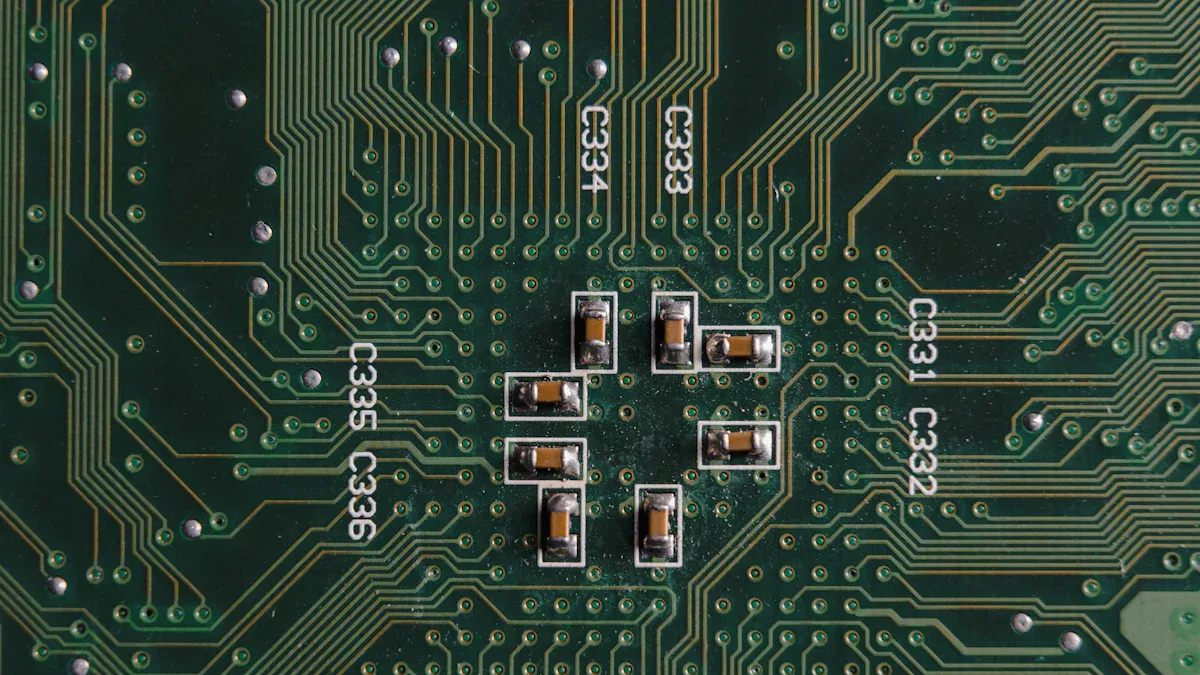
A 64 pin ceramic package gives engineers many options for connecting complex circuits. High pin count packages support a large number of electrical connections. This feature is important for advanced electronics that need to connect many signals and power lines. Engineers use these packages for integrated circuit packaging in devices that process lots of data.
High pin count packages allow more signals to move in and out of the chip at the same time.
These packages provide strong mechanical stability, so the package can handle more physical stress.
Advanced thermal management features help the package move heat away from the chip, which keeps electronics cool.
A 64 pin ceramic package helps engineers design high-density printed circuit boards (PCBs). This design supports advanced electronics, such as computers, communication devices, and industrial controls. The package makes it easier to build powerful systems in a small space.
Compact Footprint
The compact footprint of a 64 pin ceramic package saves space on the PCB. Many modern electronics, like wearables, mobile devices, and IoT sensors, need small and efficient designs. The leadless design of this chip packaging removes extra pins, which makes the package smaller and stronger.
The small size reduces the space needed on the board, which is perfect for space-constrained devices.
An exposed thermal pad on the bottom improves heat dissipation and grounding.
Standard sizes, such as 3×3 mm or 5×5 mm, let engineers choose the right balance between pin count and space.
Good pad design and thermal via placement keep solder joints reliable and help manage heat in tight layouts.
A compact 64 pin ceramic package lets engineers fit more features into smaller electronics. This packaging supports miniaturized devices while keeping electrical and thermal performance high. As electronics get smaller, this type of packaging becomes even more important.
Ceramic Dual Inline Package Applications
Aerospace and Defense
The ceramic dual inline package plays a vital role in aerospace and defense applications. Engineers choose this packaging for its ability to protect sensitive electronics from harsh environments. The ceramic material provides hermetic sealing, which keeps out moisture, dust, and chemicals. This feature is important for devices that must work in extreme temperatures and high-pressure conditions. Many aerospace systems use ceramic dual inline package designs because they resist cracking and warping. These packages handle strong vibrations and rapid temperature changes without losing performance.
Aerospace and defense applications often require packaging that can survive up to 1000°C and withstand pressures as high as 2,000 bar. The ceramic dual inline package meets these needs by using tough materials like aluminum and titanium. These materials keep the packaging lightweight, which helps with fuel efficiency in aircraft and spacecraft. The robust structure of the ceramic dual inline package also protects sensors, gyroscopes, and power electronics. Engineers rely on this packaging to reduce failure rates and maintenance needs in critical missions.
The ceramic dual inline package ensures long-term reliability for military and aerospace electronics, even in the most demanding environments.
Medical Devices
Medical device manufacturers use the ceramic dual inline package in a variety of electronic applications. This packaging supports patient monitors, diagnostic tools, and implantable devices. The compact design of the ceramic dual inline package allows engineers to fit more features into smaller spaces. The leadless structure improves reliability by making solder joints stronger and less likely to break.
The ceramic dual inline package offers high thermal conductivity, which helps medical devices stay cool during operation. Hermetic sealing protects sensitive circuits from moisture and contamination. This packaging also provides excellent electrical insulation, which keeps signals stable and reduces the risk of electrical faults. Medical applications demand packaging that can handle wide temperature ranges and resist mechanical shocks. The ceramic dual inline package meets these requirements, making it a trusted choice for life-saving equipment.
Feature | Benefit for Medical Devices |
|---|---|
Hermetic sealing | Protects against moisture and contaminants |
High thermal conductivity | Prevents overheating |
Mechanical strength | Resists shocks and vibration |
Electrical insulation | Ensures signal stability |
Compact design | Fits in space-constrained medical electronics |
The ceramic dual inline package supports the reliability and safety that doctors and patients depend on every day.
64 pin ceramic packaging stands out in 2025 for its strong reliability, excellent thermal management, and robust mechanical strength. Industry experts highlight that this packaging supports demanding applications in aerospace, defense, automotive, telecommunications, and medical devices.
Ceramic packaging resists moisture, chemicals, and thermal cycling, making it ideal for harsh environments.
Engineers value this packaging for stable electrical performance and long-term cost savings in critical applications.
When selecting packaging for future projects, engineers should match pin count, footprint, and thermal needs to the system. Ceramic packaging continues to grow in high-performance electronics, meeting the needs of advanced applications.
FAQ
What makes ceramic packages better than plastic ones?
Ceramic packages handle heat much better than plastic. They protect chips from moisture and damage. Many engineers choose ceramic for high-reliability electronics.
Ceramic keeps devices safe in harsh environments.
Can a 64 pin ceramic package fit in small devices?
Yes, a 64 pin ceramic package has a compact footprint. Engineers use it in space-limited devices like wearables and sensors.
Small size
High pin count
Strong protection
Why do aerospace and medical fields use ceramic packages?
Aerospace and medical fields need strong, reliable packaging. Ceramic packages resist vibration, heat, and moisture. They keep electronics safe during tough missions or medical procedures.
How does a ceramic package help with high-frequency signals?
Ceramic materials keep signals stable and clear. They reduce signal loss and interference. Many high-frequency circuits in defense and communication systems use ceramic for this reason.
Are ceramic packages environmentally friendly?
Ceramic packages last a long time and resist damage. They do not use harmful chemicals found in some plastics. Many meet RoHS standards for safety and environmental care.